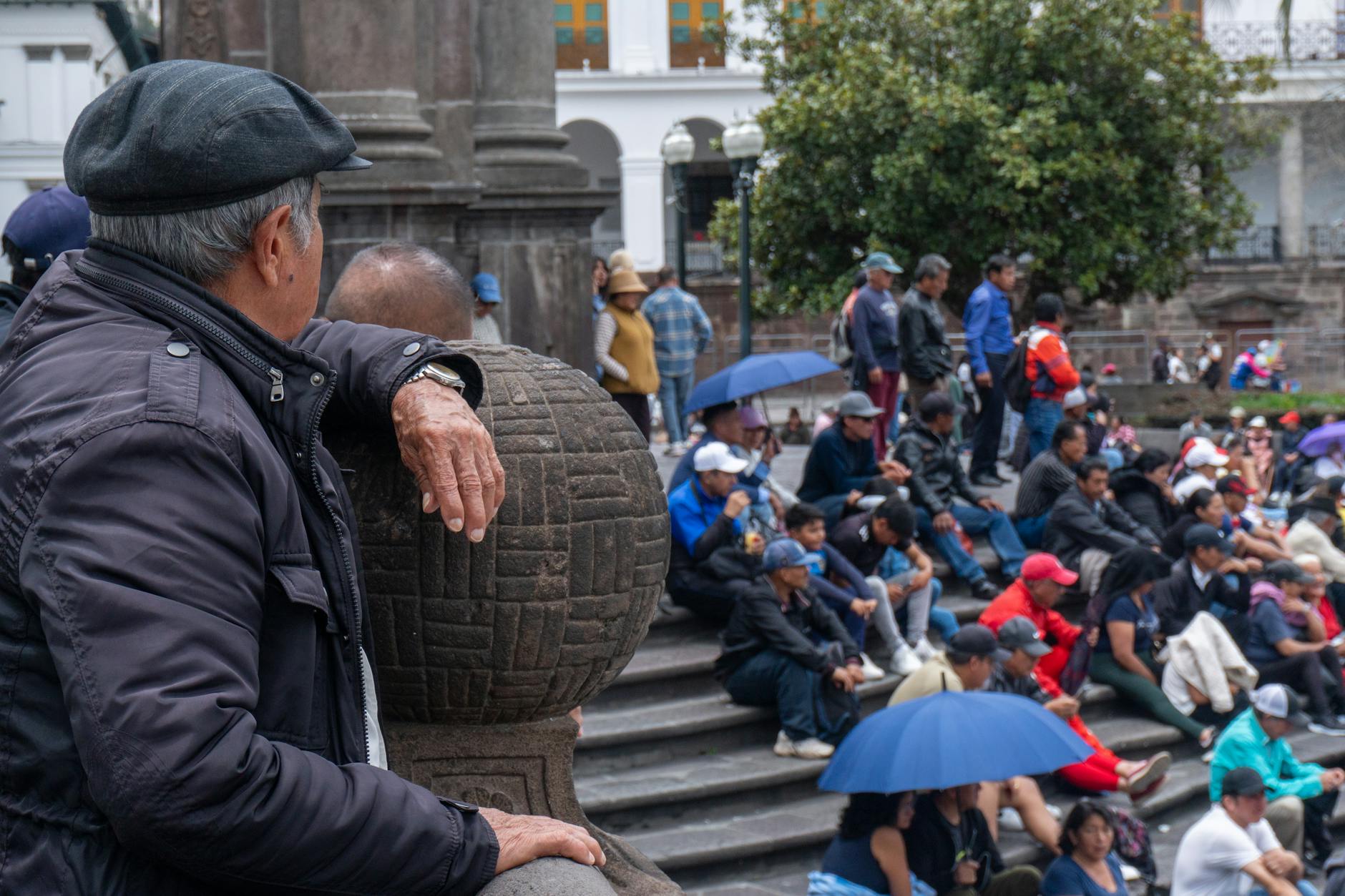
Ecuador’s public parks system demonstrates some exceptional conservation achievements and management practices that rival or exceed comparable protected areas in the United States, particularly in biodiversity protection and access equity. However, the claim that Ecuador “outperforms anything” in the US requires nuance—Ecuador excels in specific metrics like megabiodiversity concentration and percentage of land protected, but struggles with the enforcement and funding challenges that plague its smaller economy.
The most honest answer is that Ecuador’s parks represent a different model, one optimized for ecological preservation rather than recreational infrastructure, with both remarkable strengths and significant vulnerabilities. Ecuador protects 19% of its territory as national parks and protected areas, compared to about 12% in the United States. The Galápagos National Park alone—a UNESCO World Heritage Site protecting 97.75% of the Galápagos Islands—contains more documented endemic species per square kilometer than any US national park, with species found nowhere else on Earth.
Table of Contents
- What Makes Ecuador’s Park System Unique Compared to US Parks?
- Biodiversity Metrics: Where Ecuador’s Parks Actually Exceed US Standards
- Indigenous Land Rights and Community Management Models
- Infrastructure and Visitor Experience: Where US Parks Lead
- Funding, Enforcement, and the Reality of Underfunded Conservation
- The Oil Question: Extractivism and Protected Land Vulnerability
- Learning from Ecuador’s Model: What the US Could Adopt
- Conclusion
- Frequently Asked Questions
What Makes Ecuador’s Park System Unique Compared to US Parks?
Ecuador’s parks are anchored by a fundamentally different conservation philosophy: prioritizing ecological integrity over recreational development. While Yellowstone or the Grand Canyon were established to showcase natural monuments and enable mass tourism, Ecuador’s flagship parks—particularly Yasuní National Park and the Galápagos—were designed as biosphere reserves where human extraction is heavily restricted. Yasuní, spanning 3.8 million acres, contains 1 in 10 of all bird species on Earth and is home to indigenous communities who have lived there for millennia. The park operates under a strict no-oil-extraction clause (until recent political pressures), a conservation boundary that no US national park maintains in comparable form. The access equity model differs sharply as well. Many US national parks charge entrance fees ($35 for a week pass at popular parks like Zion or Yosemite), creating barriers for lower-income visitors.
Ecuador’s national parks charge minimal fees—often $10 or less for foreigners, free for residents—making them accessible to Ecuador’s working-class population. This reflects Ecuador’s constitutional recognition of nature as a rights-bearing entity (a 2008 innovation), embedding conservation into legal frameworks rather than treating it as discretionary policy. However, this comparative advantage comes with a critical limitation: enforcement. Park rangers in Ecuador are chronically underfunded compared to their US counterparts. Illegal logging, wildlife trafficking, and poaching persist at levels that would trigger federal intervention in US parks. The Galápagos has faced decades of invasive species pressures and tourism management crises that US park systems, with larger budgets, have avoided.
Biodiversity Metrics: Where Ecuador’s Parks Actually Exceed US Standards
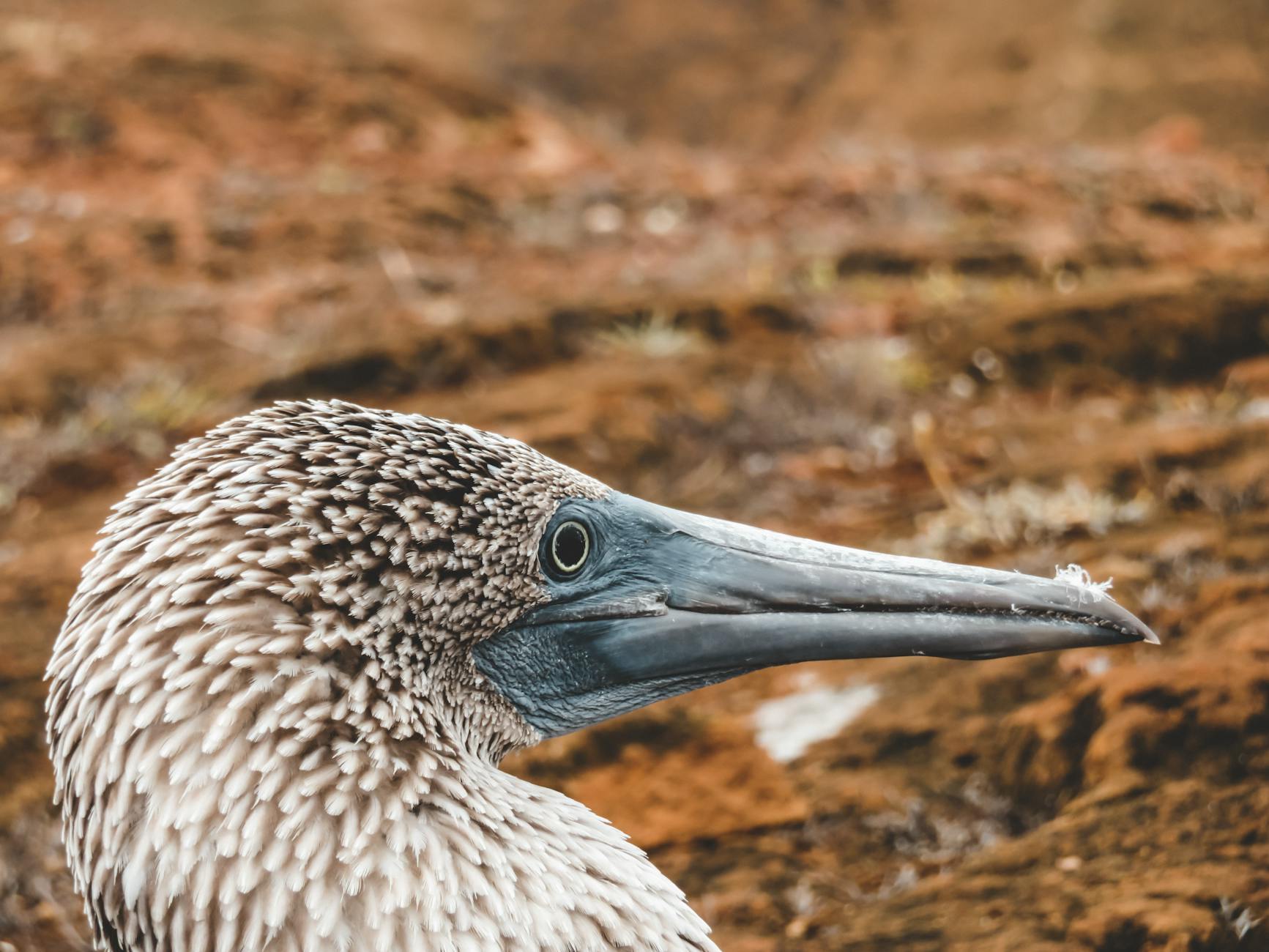
Ecuador contains 10% of Earth’s species within 2% of the planet’s landmass. Its parks protect an outsized concentration of this diversity: the Yasuní-Manu region (spanning Ecuador and Peru) contains the highest documented species richness of any terrestrial ecosystem. A single hectare in Yasuní contains more tree species than exist in all of North America. By this metric—species per unit area—Ecuador’s parks objectively outperform any US park system. The Galápagos example illustrates this disparity. The islands contain 97 endemic vertebrate species and 2,909 endemic plant species, with ongoing evolutionary processes visible in real time.
A visitor observing Darwin’s finches in the Galápagos witnesses speciation patterns that took decades of study to confirm. By contrast, while US parks like the Great Smoky Mountains are biodiverse, they operate within established North American ecological communities and rarely showcase the kind of isolated evolutionary laboratories Ecuador offers. The limitation here is practical and sobering: high biodiversity doesn’t automatically translate to effective protection. Ecuador’s parks face threats that dwarf those in the US. climate change, in particular, threatens montane cloud forests at elevations where species have nowhere else to migrate. The Yasuní faces continuous pressure from oil interests and illegal mining. Comparing “biodiversity richness” without acknowledging enforcement gaps presents a misleading picture of actual conservation success.
Indigenous Land Rights and Community Management Models
Ecuador’s parks operate within a constitutionally mandated framework granting indigenous communities decision-making authority over ancestral territories. Yasuní and the Cuyabeno Reserve, for example, are co-managed by indigenous Waorani, Kichwa, and Shuar peoples who maintain traditional resource harvesting rights while the park structure protects against industrial-scale extraction. This model contrasts sharply with US national parks, where indigenous peoples were historically removed and continue to have limited management authority, despite holding sacred relationships to those lands. The Galápagos provides a different example: local Ecuadorian communities (particularly on the inhabited islands of Santa Cruz and San Cristóbal) participate in park governance through the Galápagos National Park directorate and local government boards. This created a sustainable tourism economy where residents benefit financially from park protection.
In contrast, US parks like Yellowstone have generated tension between park conservation goals and neighboring communities who feel excluded from economic benefits. The structural advantage here is genuine: Ecuador’s parks avoid the externality costs that US park conservation often imposes on neighboring communities. However, this model faces practical challenges at scale. When indigenous territories overlap with oil reserves or when external economic pressures mount, co-management agreements have proven fragile. The 2023 oil referendum in Ecuador, where voters opposed oil drilling in Yasuní, passed with 76% support—but the subsequent government reversal exposed how constitutional protections can be overridden by political pressure. US parks, by contrast, have stronger statutory protections against immediate governmental reversal.
Infrastructure and Visitor Experience: Where US Parks Lead
Ecuador’s parks offer something US parks often struggle to provide: unmediated wilderness access. Popular US parks like Yosemite manage 4-5 million visitors annually, creating queues, timed-entry reservations, and infrastructure strain. Ecuador’s parks receive a fraction of this volume, allowing visitors to experience pristine rainforest or volcanic landscapes with minimal human density. A trek in Yasuní can involve days without encountering another visitor, a contrast to the Grand Canyon’s southern rim, where on peak days you encounter hundreds of people per viewpoint. However, this accessibility comes at a cost: US parks maintain visitor centers, maintained trails, lodging infrastructure, and emergency services that Ecuador’s parks often lack.
Visiting Ecuador’s parks typically requires hiring a private guide (costing $100-300+ daily), arranging transportation to remote areas, and accepting accommodations that range from basic to nonexistent. A comparable experience in US parks—say, a backcountry trek in the Cascades—requires similar expenses, but the option for accessible, guided day-visits to world-class sites like Yellowstone’s geysers or Zion’s canyons is available to families on modest budgets. Ecuador offers fewer such options for casual visitors. The tradeoff is explicit: Ecuador prioritizes ecological integrity by limiting infrastructure development, while US parks attempt to balance preservation with broad public access. Neither model is objectively superior; they reflect different resource constraints and cultural priorities.
Funding, Enforcement, and the Reality of Underfunded Conservation
Ecuador allocates approximately $15 million annually to its national parks system, serving a population of 18 million across 3.8 million hectares of protected land. The United States allocates roughly $3.5 billion to the National Park Service, serving 330 million people and protecting 63 million acres. Per-hectare spending in US parks runs roughly 50-100 times higher than in Ecuador’s system. This gap creates a cascading enforcement problem: Ecuador’s parks lack sufficient rangers to patrol against poaching, illegal logging, or unauthorized mining. The Galápagos, Ecuador’s most-funded park, receives special allocations from tourism revenue, allowing it to maintain approximately 200 park rangers for roughly 1,000 square miles of marine and terrestrial protection.
Compare this to Yellowstone, which spans 3,472 square miles and deploys roughly 500 rangers, plus substantial support staff. Yasuní, with similar size to Yellowstone and arguably greater conservation significance, operates with fewer than 150 rangers and a fraction of Yellowstone’s budget for equipment, technology, and capacity-building. This underfunding manifests in specific vulnerabilities. Ecuador’s parks cannot maintain the wildlife monitoring technology (camera traps, radio collars, drone surveillance) that US parks routinely deploy to track population health and poaching activities. Illegal mining operations have invaded areas of Yasuní and the southern Amazon protected zones, requiring military intervention—a step that US parks have not faced since the 19th century. The warning is direct: biodiversity protection in Ecuador’s parks remains perpetually fragile without major funding commitments that the government has not sustained.
📨 Get Free Accountability Coverage Alerts
Free · No spam · Unsubscribe anytime

The Oil Question: Extractivism and Protected Land Vulnerability
Ecuador’s most distinctive park governance challenge is the persistent conflict between conservation mandates and oil extraction. Oil represents roughly 30% of Ecuador’s government revenue, and several national parks sit atop or adjacent to oil reserves. Yasuní National Park overlaps the Ishpingo-Tambococha-Tiputini (ITT) oil block, one of the world’s largest unextracted reserves estimated at 920 million barrels. For decades, Ecuador proposed an innovative solution: the Yasuní-ITT Initiative would leave the oil in the ground in exchange for $3.6 billion in international climate finance. The initiative failed in 2013 when international funding stalled. Subsequently, Ecuador began drilling in Yasuní’s western zones, violating the 2008 constitutional prohibition on extractive activities in protected areas.
The 2023 referendum temporarily halted drilling, but the government reversed the ban within months to address fiscal crises. This pattern—conservation commitment followed by political reversal due to economic pressure—has no equivalent in US national parks. While debates occur over mining permits or development adjacent to parks, the statutory prohibition on extractive activities within US park boundaries has remained essentially unbreached since 1916. This represents Ecuador’s parks’ fundamental vulnerability: they are protected until they become fiscally convenient to violate. The US park system, backed by 110 years of statutory precedent and massive public political investment, insulates parks from such reversals. Ecuador’s parks, despite stronger constitutional language around nature rights, lack this political insulation.
Learning from Ecuador’s Model: What the US Could Adopt
Ecuador’s success in prioritizing ecological integrity over recreational infrastructure offers instructive lessons for US parks facing climate change and crowding. The recognition of nature as a rights-bearing entity (Ecuador’s constitutional innovation) has been adopted by several countries and is gaining US advocacy attention. Implementing such a framework could strengthen legal protections for endangered park ecosystems against development pressures.
Ecuador’s indigenous co-management model also merits examination. Several US parks have begun expanding tribal consultation and co-management authority—the National Park Service’s 2023 guidance on Indian Country and Traditional Ecological Knowledge represents partial movement toward Ecuador’s model. However, implementing genuine co-decision authority would require statutory changes that Congress has been reluctant to enact. The forward-looking question is whether US parks can adopt Ecuador’s community-benefit framework (ensuring neighboring populations benefit economically from conservation) without replicating Ecuador’s funding vulnerabilities or political exposure.
Conclusion
Ecuador’s public parks achieve remarkable conservation outcomes in specific domains—particularly in biodiversity protection per unit area and in institutional frameworks that recognize nature’s independent rights and indigenous peoples’ stewardship roles. The Galápagos and Yasuní represent models of conservation that, in their best form, exceed most US park system achievements in ecological intactness and evolutionary significance. However, the claim that Ecuador’s parks “outperform anything in the US” misleads by omitting the enforcement, funding, and political-sustainability gaps that plague the Ecuadorian system. Ecuador’s parks excel precisely in metrics that matter most for climate and extinction crises—protecting megadiverse, carbon-dense ecosystems—but lack the statutory permanence and enforcement capacity that US parks have developed over more than a century.
For US policymakers and park advocates, the useful lesson is not to copy Ecuador’s model wholesale, but to adopt specific mechanisms that have proven effective: constitutional recognition of ecosystem rights, mandatory indigenous co-governance, and revenue-sharing models that make conservation economically rational for local communities. The harder lesson is that such frameworks require sustained political commitment. Ecuador’s parks have not failed due to weak laws but due to insufficient willingness to prioritize conservation over extractive revenue. That political challenge transcends borders.
Frequently Asked Questions
Is Ecuador’s Galápagos National Park truly better protected than US national parks?
The Galápagos is more strictly protected against human activity and maintains higher endemism than any single US park. However, it faces invasive species and tourism management crises that US parks avoid through better funding. It represents a different class of ecosystem, not necessarily superior management.
What percentage of Ecuador’s land is protected compared to the US?
Ecuador protects 19% of its territory as national parks and protected areas. The US protects roughly 12% as federally designated parks and wilderness areas, though this varies by methodology.
Can Ecuador’s indigenous co-management model work in the US?
Partially. It requires both statutory authority to indigenous tribes and revenue-sharing that benefits local communities. Several US parks have begun experimenting with expanded tribal consultation, but implementing genuine co-decision authority would require congressional action that has not yet materialized.
Why do Ecuador’s parks struggle with enforcement if they’re so well-designed?
Underfunding is the primary cause. Ecuador’s parks receive 1/50th the per-hectare budget of US parks, leaving them unable to maintain ranger patrols, monitoring technology, or equipment necessary to prevent poaching and illegal extraction.
Is Yasuní National Park still protected from oil drilling?
Partially. A 2023 referendum approved maintaining the oil extraction ban, but the government has since reversed course due to fiscal pressures, resuming drilling in western zones. This illustrates Ecuador’s parks’ vulnerability to political and economic reversals that US statutory law has largely prevented.
You Might Also Like
- Would War With Iran Destroy Trump Support?
- Would Jesus Vote Red, Blue, or Neither?
- Why the Wage Stagnation Trap Pushed Me to Move to Portugal