
On February 28, 2026, hours after the United States and Israel launched a devastating joint military operation against Iran, Houthi leader Abdulmalik al-Houthi delivered a defiant speech declaring “complete solidarity” with Tehran and warning that his forces are “fully prepared for any necessary developments.” The declaration places the Yemen-based militia squarely back on a collision course with Washington and its allies, threatening to undo months of relative calm in the Red Sea and raising the specter of a wider regional conflagration. The Houthi response came swiftly after Operation “Roaring Lion” (Israel’s codename) and “Operation Epic Fury” (the US designation) struck targets across 24 of Iran’s 31 provinces, killing Iran’s Supreme Leader Ayatollah Ali Khamenei along with senior military and political officials, and leaving at least 201 dead and more than 747 injured. Al-Houthi called the strikes “an unjustified attack on a Muslim country” and said the Houthi position — “officially and popularly” — is one of full solidarity and support for the Islamic Republic of Iran and the Iranian people. He described his movement as being “in the same trench as Tehran.” This article examines the substance of the Houthi solidarity declaration, the military and diplomatic context surrounding it, the risk of renewed Red Sea attacks, the humanitarian consequences for Yemen, and what the coming weeks may look like as the region absorbs the shock of the most significant military escalation in the Middle East in decades.
Table of Contents
- What Does the Houthi Declaration of Full Solidarity With Iran Actually Mean?
- The US-Israeli Strikes on Iran — Scale and Consequences
- Iran’s Reported Directives to the Houthis
- What a Renewed Houthi Campaign Would Mean for Global Shipping and Energy Markets
- The Humanitarian Cost and the Risk of a Wider War
- The Sanaa March and the Power of Houthi Propaganda
- What Comes Next — Between Rhetoric and Retaliation
- Conclusion
- Frequently Asked Questions
What Does the Houthi Declaration of Full Solidarity With Iran Actually Mean?
The Houthi statement is more than rhetorical posturing. For years, the group has served as one of Tehran’s most reliable proxy forces, and al-Houthi’s language on February 28 was deliberately calibrated to signal operational readiness without yet committing to a specific military response. By stating his forces consider themselves “in the same trench as Tehran” and are “fully prepared for any necessary developments,” he left the door open for escalation while avoiding an immediate commitment that could invite preemptive strikes against Houthi positions in Yemen. Compare this to the Houthi approach during the Gaza conflict, when the group launched sustained attacks on international shipping and Israeli-linked vessels in the Red Sea throughout late 2023 and 2024. Those attacks were framed as solidarity with Palestinians and only halted after a Gaza peace plan took effect on October 10, 2025.
The current declaration follows the same pattern — moral framing first, mass mobilization second, military action held in reserve as a threat. The difference this time is the scale of the provocation. The killing of Iran’s Supreme Leader and top military commanders is without precedent, and the Houthis’ Iranian patrons may demand a more forceful response than rhetoric alone. Al-Houthi also called for mass public demonstrations as a “religious duty,” a move designed to consolidate domestic support and project strength. On March 1, Houthi military media circulated images of what it called a “million-strong” march in Sanaa titled “Solidarity with the Iranian People,” complete with a formal statement condemning the US-Israeli strikes and supporting Iran’s retaliatory missile launches targeting US bases and Israel.

The US-Israeli Strikes on Iran — Scale and Consequences
The joint US-Israeli operation on February 28 was extraordinary in both scope and consequence. Airstrikes began around 9:45 a.m. Iran Standard Time, and Israel’s air force dropped more than 1,200 munitions across the country. The strikes killed not only Supreme Leader Khamenei but also the commander of the Islamic Revolutionary Guard Corps, Iran’s defense minister, and the secretary of the Iranian security Council — effectively decapitating the country’s military and political leadership in a single day. The civilian toll was severe.
A strike on a girls’ school in Minab killed 165 people alone, a fact that has galvanized anti-American and anti-Israeli sentiment across the region and given groups like the Houthis powerful propaganda material. Iran retaliated with a barrage of 165 ballistic missiles, 541 drones, and 2 cruise missiles targeting the UAE and Israel, though the effectiveness of that response remains unclear as of this writing. However, the elimination of Iran’s top leadership creates a paradox for proxy groups like the Houthis. While the emotional and political motivation for retaliation is enormous, the command-and-control infrastructure that coordinates Iranian proxy operations has been severely disrupted. Whether the Houthis can sustain a prolonged military campaign without consistent guidance and resupply from Tehran is an open question. If Iran’s remaining leadership fractures into competing factions, the Houthis may find themselves operating with more autonomy but fewer resources — a dangerous combination that could lead to either reckless escalation or gradual strategic drift.
Iran’s Reported Directives to the Houthis
Behind the public declarations, there are signs that Iran moved quickly to activate its proxy network before the full extent of the leadership losses became clear. According to Arab News, Iran directed the Houthis to carry out operations in the Bab al-Mandab strait and the Red Sea, with instructions reportedly delivered through Mohammad Ramazani, Iran’s envoy to the Houthis. This suggests that even amid the chaos of the strikes, elements of Iran’s external operations apparatus were functioning well enough to issue operational guidance. The Associated Press, citing two senior anonymous Houthi officials, reported that the group is planning to resume attacks on Israel and Red Sea shipping. This is significant because the Houthis had maintained a halt on such operations since the Gaza ceasefire took effect in October 2025. A resumption would immediately affect one of the world’s most critical maritime chokepoints — roughly 12 percent of global trade passes through the Red Sea — and could trigger a new round of Western naval deployments and retaliatory strikes against Houthi positions.
As of March 1, however, the Houthis have not officially announced any military action. Their response has been limited to rhetoric, demonstrations, and media campaigns. This gap between threat and action is worth watching closely. During the Red Sea crisis of 2023-2024, the Houthis demonstrated a genuine capacity to disrupt international shipping with relatively low-cost drones and missiles. The question is not whether they can resume such attacks, but when and under what conditions they choose to do so.

What a Renewed Houthi Campaign Would Mean for Global Shipping and Energy Markets
If the Houthis follow through on their implied threats, the consequences would ripple far beyond the Middle East. During the previous round of Red Sea attacks, major shipping companies rerouted vessels around the Cape of Good Hope, adding roughly 10 to 14 days to transit times between Asia and Europe. Insurance premiums for Red Sea transits spiked dramatically, and the cost increases were ultimately passed on to consumers in the form of higher prices for goods ranging from electronics to food. A renewed campaign would arrive at a particularly sensitive moment for the global economy. Energy markets are already volatile in the wake of the Iran strikes, with oil prices surging on fears of sustained supply disruption.
The Bab al-Mandab strait sits at the southern entrance to the Red Sea, and any Houthi effort to interdict shipping there would compound the energy price shock by threatening tanker traffic. The tradeoff for Western governments is stark: allowing Houthi attacks to proceed unchecked would be economically devastating, but launching new military operations against Houthi positions in Yemen risks deepening involvement in a conflict that has already defied resolution for over a decade. The UN Security Council has taken note of the threat. Resolution 2812, adopted in 2026, extended reporting requirements on Houthi attacks in the Red Sea for six months — a procedural move, but one that reflects international concern about the trajectory. Analysts warn that a Houthi re-escalation would have “devastating effects on Yemen” itself, where the civilian population has already endured years of famine, displacement, and infrastructure destruction.
The Humanitarian Cost and the Risk of a Wider War
Yemen cannot absorb another round of military escalation. The country has been shattered by civil war since 2014, and the humanitarian crisis there is already among the worst in the world. If the Houthis resume attacks on international shipping or launch strikes against Israel and regional targets, the near-certain result is retaliatory strikes on Houthi-controlled territory in northern Yemen — strikes that, as past experience has shown, kill civilians alongside military targets. There is a broader warning here that extends beyond Yemen. Analysts at France 24 and other outlets have flagged the risk that Houthi re-engagement could ignite a wider regional war.
The Iran strikes have already activated Hezbollah’s rhetoric in Lebanon, and if multiple Iranian proxies begin operating simultaneously, the conflict could expand to encompass Lebanon, Iraq, Syria, Yemen, and the Persian Gulf. The last time the region faced a comparable multifront escalation risk was during the immediate aftermath of the October 7, 2023, Hamas attack on Israel — and the current situation is arguably more volatile because the stakes now include the decapitation of a sovereign nation’s government. The limitation that outside observers should keep firmly in mind is that the Houthis are not a monolithic actor taking orders from a single command center in Tehran. They have their own internal politics, their own strategic calculations, and their own survival imperatives. A move that serves Iranian interests — say, a provocative strike on a US naval vessel — might not serve Houthi interests if it invites a crushing American military response. This internal tension between solidarity and self-preservation will shape what the Houthis actually do in the coming days and weeks, regardless of what they say in public speeches.
The Sanaa March and the Power of Houthi Propaganda
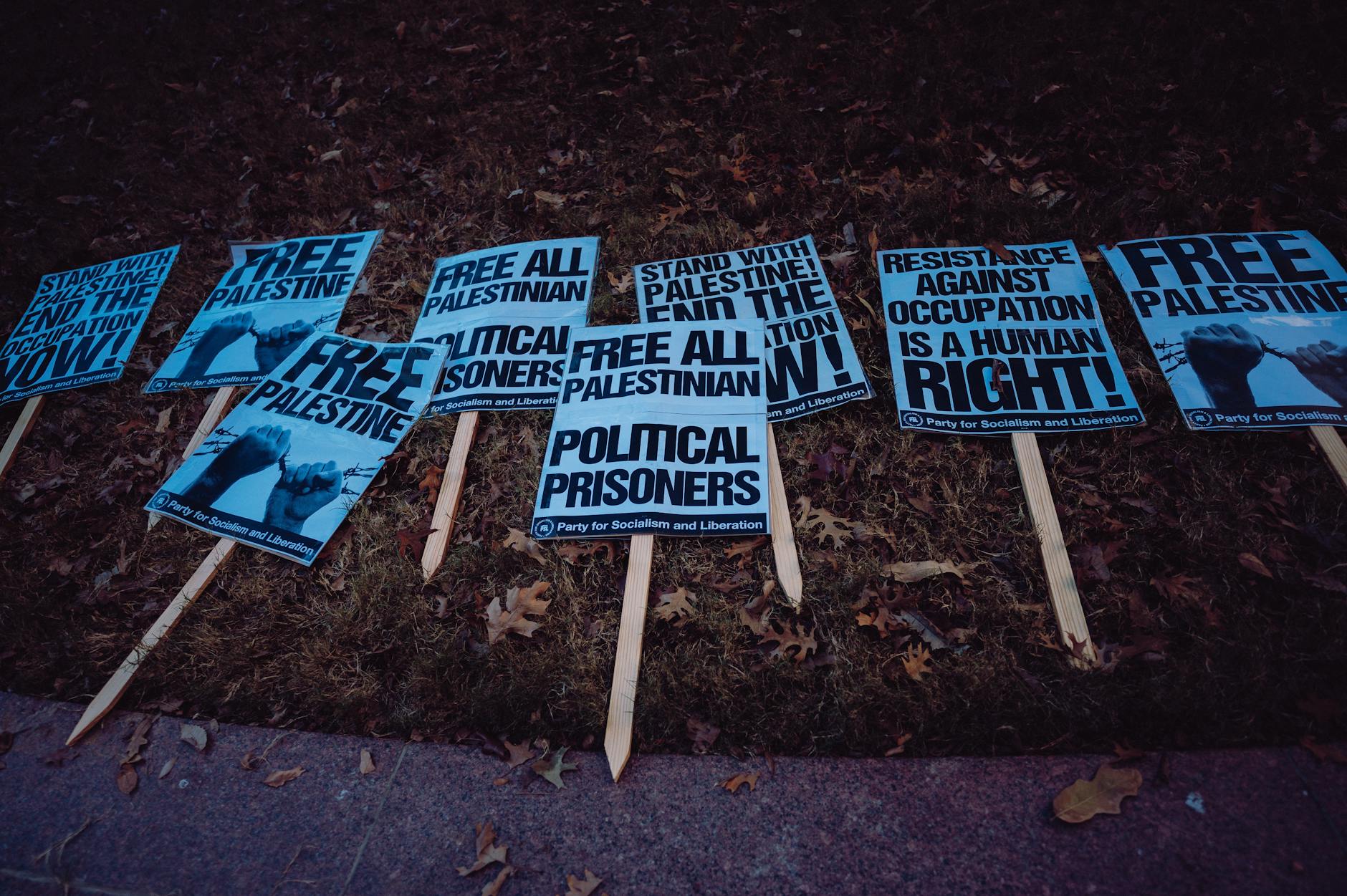
The “million-strong” march in Sanaa on March 1, organized under the banner “Solidarity with the Iranian People,” serves as a case study in how the Houthis use mass mobilization as a tool of statecraft. The images circulated by Houthi military media showed enormous crowds in the capital, and the accompanying statement explicitly endorsed Iran’s retaliatory missile strikes on US bases and Israeli targets. Whether the crowd actually numbered in the millions is impossible to verify independently — the Houthis have a well-documented history of inflating attendance figures — but the visual impact is undeniable and plays well both domestically and across sympathetic audiences in the region.
📨 Get Free Accountability Coverage Alerts
Free · No spam · Unsubscribe anytime
These demonstrations serve a dual purpose. Domestically, they reinforce the Houthi leadership’s narrative that they are part of a larger righteous struggle, which helps maintain popular support in the face of dire economic conditions. Externally, the images signal to Iran’s remaining leadership and to other members of the so-called “Axis of Resistance” that the Houthis remain committed partners, a message that may be important for securing continued financial and military support at a moment when Iran’s capacity to provide such support is in serious question.
What Comes Next — Between Rhetoric and Retaliation
The days and weeks ahead will be defined by the gap between Houthi words and Houthi actions. As of March 1, the movement has made no formal announcement of military operations. The rhetorical escalation is real, the mass mobilization is real, and the reported Iranian directives to resume Red Sea operations are real — but the missiles have not yet flown. This pause may reflect internal deliberation about the risks and benefits of re-engagement, or it may simply reflect the logistics of reactivating an attack infrastructure that has been dormant for several months.
What is clear is that the situation is more unstable now than at any point since the Houthis first began targeting Red Sea shipping in late 2023. The killing of Iran’s Supreme Leader has shattered whatever equilibrium existed, and the Houthis have publicly committed themselves to standing with Tehran. Whether that commitment translates into sustained military action or remains largely performative will depend on factors that are difficult to predict from the outside — the internal cohesion of Iran’s remaining power structure, the willingness of the United States to engage in another front of military operations, and the Houthis’ own calculation of what they can get away with before the costs become unbearable. The world is watching Bab al-Mandab.
Conclusion
The Houthi declaration of full solidarity with Iran following the February 28 US-Israeli strikes represents a serious escalation in rhetoric that may soon be followed by a serious escalation in action. Abdulmalik al-Houthi’s language was deliberate and unambiguous — his forces consider themselves in the same trench as Tehran, and they are prepared to act. The mass demonstrations in Sanaa, the reported Iranian directives to resume Red Sea operations, and the AP’s reporting on Houthi planning for renewed attacks all point in the same direction. The stakes could hardly be higher.
A resumption of Houthi attacks on Red Sea shipping would disrupt global trade, spike energy prices, and risk drawing the United States into yet another military engagement in the Middle East. For Yemen’s civilian population, it could mean a return to the kind of bombardment that has already made the country a humanitarian catastrophe. For the broader region, it could be the trigger that transforms a targeted strike on Iran into a multifront war. The only certainty at this moment is uncertainty — and that is precisely what makes the situation so dangerous.
Frequently Asked Questions
Have the Houthis actually launched any attacks since the US-Israeli strikes on Iran?
As of March 1, 2026, no. The Houthi response has been limited to speeches, demonstrations, and media campaigns. While reports indicate planning for resumed operations in the Red Sea and against Israel, no military action has been officially announced or confirmed.
Why did the Houthis stop attacking Red Sea shipping in the first place?
The Houthis halted their attacks on international shipping and Israel after a Gaza peace plan took effect on October 10, 2025. The attacks had been framed as solidarity with Palestinians during the Gaza conflict.
How would renewed Houthi attacks affect global trade?
The Red Sea and Bab al-Mandab strait are critical chokepoints for roughly 12 percent of global trade. During the 2023-2024 Houthi attacks, major shipping lines rerouted around the Cape of Good Hope, adding 10 to 14 days to transit times and significantly increasing costs that were passed on to consumers.
What is the UN doing about the Houthi threat?
The UN Security Council adopted Resolution 2812 in 2026, extending reporting requirements on Houthi attacks in the Red Sea for six months. This is primarily a monitoring and accountability measure rather than a direct enforcement action.
Who is Mohammad Ramazani?
Ramazani is reported to be Iran’s envoy to the Houthis. According to Arab News, he was the channel through which Iran directed the Houthis to carry out operations in Bab al-Mandab and the Red Sea following the February 28 strikes.
Could the Houthi response trigger a wider regional war?
Analysts warn that it could. If multiple Iranian proxy groups — including the Houthis, Hezbollah, and militia forces in Iraq and Syria — escalate simultaneously, the conflict could expand well beyond Iran and Yemen into a multifront regional war, which analysts have described as potentially devastating.
You Might Also Like
- A Dockworker in Oman Injured After Iran Strikes the Port With Attack Drones
- UN Security Council Emergency Meeting Called After Iran Strikes Begin
- South Korea Activates Emergency Energy Reserves After Iran Strikes