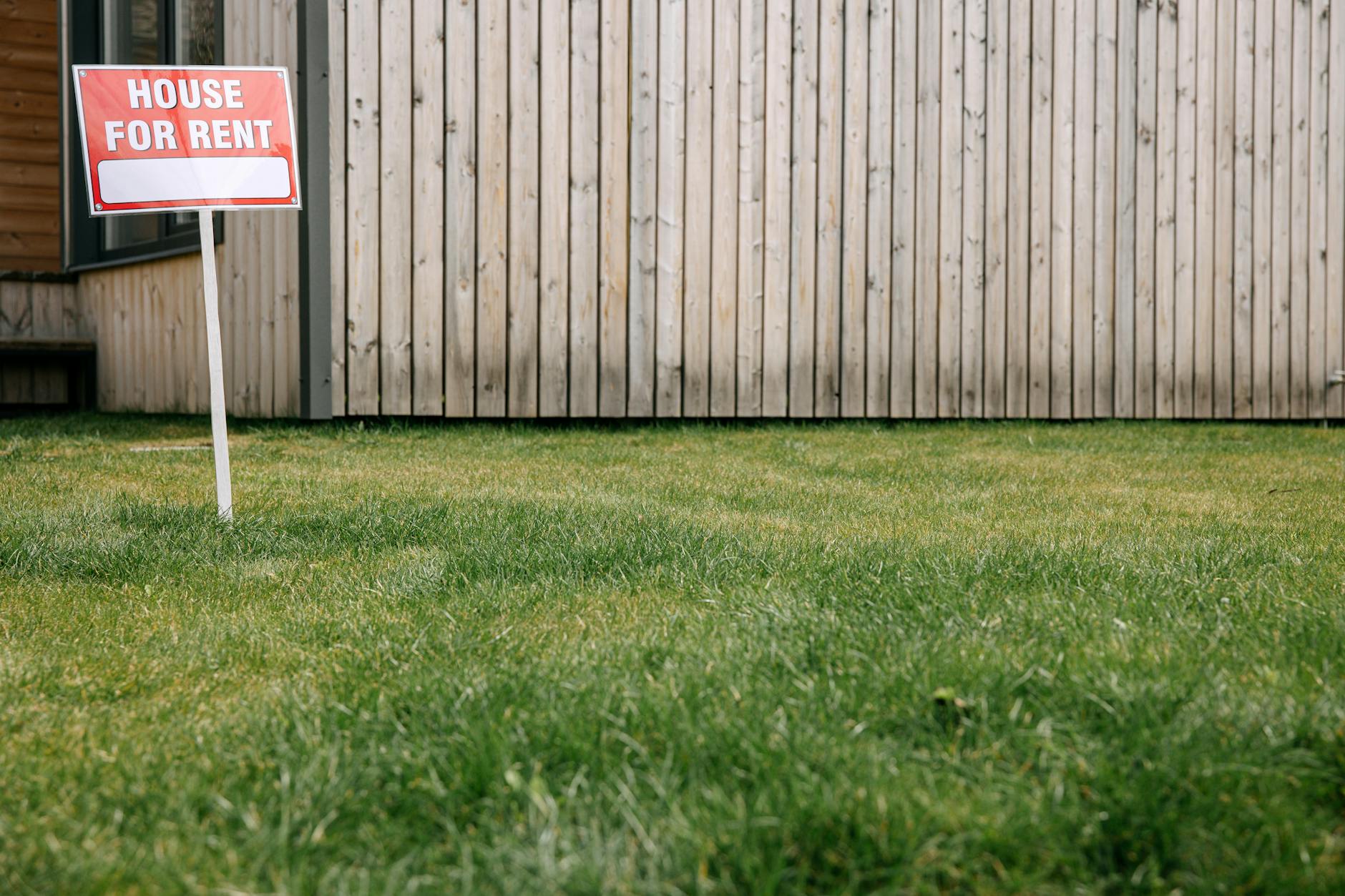
Homeowners increasingly face a legal gray area when HOAs crack down on yard signs displaying political messages, religious statements, or community activism. Courts have consistently ruled that First Amendment protections apply to residential property, but the question of whether an HOA can enforce covenant restrictions—even if they conflict with free speech principles—remains contentious.
In 2023, a Florida homeowner was threatened with a $100-per-day fine for displaying a “Trump 2024” sign, while an Illinois family faced fines for a “Pride” flag, illustrating how the same legal question produces vastly different outcomes depending on jurisdiction and HOA governing documents. The core tension is this: the First Amendment restricts government action, not private entities. Since most HOAs are private organizations, they technically can restrict speech on community property—but numerous recent cases have challenged whether HOA covenants should override fundamental free speech rights, and some states are now passing laws to protect homeowners’ political and religious expression from HOA enforcement.
Table of Contents
- Do HOAs Have the Legal Right to Ban Political or Religious Yard Signs?
- How Courts Are Beginning to Reframe HOA Authority Over Free Speech
- How HOAs Defend Their Sign Restrictions and What Homeowners Challenge
- Practical Steps Homeowners Can Take When Facing HOA Sign Enforcement
- Selective Enforcement and How Homeowners Prove It
- Recent Legislative Trends and State-by-State Protection
- The Future of HOA Sign Disputes and Emerging Constitutional Arguments
- Conclusion
Do HOAs Have the Legal Right to Ban Political or Religious Yard Signs?
hoas derive their authority from the covenants, conditions, and restrictions (CC&Rs) that homeowners agree to when buying property. These documents typically contain broad language prohibiting signs, decorations, or displays that violate community aesthetic standards. Unlike government entities, HOAs are private organizations, so they are not directly bound by the First Amendment—a distinction that has long favored HOA enforcement in court. However, this principle is eroding. Several states, including California, Florida, and Colorado, have passed laws explicitly protecting homeowners’ rights to display political signs during election seasons or religious symbols year-round.
California’s law (effective 2022) protects political signs up to 30 days before and 7 days after elections. Florida’s more recent protections extend to permanent displays of political messaging. These state-level laws effectively override HOA restrictions, creating a legal hierarchy where statutory rights trump private contractual obligations. The practical limitation is that these protections vary dramatically by state and even by county. A homeowner with the same sign in Arizona may face enforcement, while the same sign in California would be protected. Additionally, state protections often only cover specific types of speech (political or religious), leaving HOAs with authority over other displays like commercial signs or general aesthetic violations.

How Courts Are Beginning to Reframe HOA Authority Over Free Speech
The traditional judicial approach treated HOA disputes as purely contractual matters between private parties. Courts would simply enforce the CC&Rs as written, without analyzing whether those restrictions infringed on constitutional rights. This changed significantly in the 2010s and 2020s as appellate courts began examining whether even private entities should be permitted to suppress protected speech. A landmark 2019 case in Washington state found that an HOA’s blanket sign prohibition might violate the homeowner’s constitutional rights, even though the HOA itself isn’t bound by the First Amendment.
The reasoning: if an HOA can use its enforcement power to suppress speech that a government couldn’t suppress, it’s achieving through private contract what the Constitution forbids the state from doing directly. This approach, sometimes called the “state action doctrine expanded,” has not yet achieved nationwide consensus but is gaining traction in progressive jurisdictions. The critical limitation is that most courts still stop short of declaring HOA sign bans unconstitutional. Instead, they’re creating narrow carve-outs or requiring HOAs to apply rules more narrowly. One Florida court ruled that while an HOA could enforce general aesthetic standards, it couldn’t selectively enforce those standards against political signs while ignoring other decorative displays—a practical victory but not a blanket First Amendment protection.
How HOAs Defend Their Sign Restrictions and What Homeowners Challenge
HOAs typically justify sign prohibitions on three grounds: preservation of property values, maintaining community aesthetics, and preventing “visual clutter” or turning neighborhoods into billboard farms. These justifications appear reasonable on paper and are frequently upheld when challenged in court. Homeowners counter that these aesthetic arguments are pretexts for viewpoint discrimination. They point out that HOAs often tolerate holiday decorations, garage sale signs, and other visual elements while targeting political or religious expression.
In one Texas case, homeowners documented that the HOA permitted holiday wreaths, Christmas lights, and welcome signs while banning a “Support Our Troops” yard sign—evidence that the aesthetic standard was being applied selectively. Some HOAs have attempted to adopt clearer, more objective standards (limiting sign size, duration, or placement) to defend against claims of selective enforcement, but many still rely on vague criteria like “objectionable” or “tasteful.” A major warning: even when homeowners win on selective enforcement grounds, the outcome is often limited. Courts may order the HOA to either remove all signs or tolerate the specific sign in dispute, but they rarely eliminate the HOA’s authority to enforce aesthetic standards altogether. This means future disputes are likely.
Practical Steps Homeowners Can Take When Facing HOA Sign Enforcement
Before escalating to legal action, homeowners should review their CC&Rs carefully and check whether their state has passed protective legislation for political or religious speech. Many conflicts arise from simple miscommunication—a homeowner unaware that their state protects political signs, or an HOA board unfamiliar with new state laws. A written query to the HOA requesting the specific covenant language that prohibits the sign, along with documentation of how that standard has been applied to other displays, creates a record that can help if litigation becomes necessary. If state law protects the sign, providing the HOA board with a copy of the applicable statute often resolves the matter without further confrontation.
If state law doesn’t apply or offers only limited protection, homeowners have several options: negotiate a compromise (temporary signs during elections, smaller size, specific placement), request a variance or waiver from the HOA, or challenge the enforcement in court. The comparative costs matter here—legal representation for an HOA dispute typically runs $3,000 to $15,000, which may exceed the value of displaying a single sign. Some homeowners’ rights organizations and ACLU chapters will provide counsel or representation if the case has broader implications. A tradeoff many homeowners face: pursuing a legal victory against an HOA can result in winning the sign dispute but damaging long-term relationships in the community and potentially inviting increased HOA scrutiny of other property issues. Some choose to accept the fine or remove the sign rather than escalate.
📨 Get Free Accountability Coverage Alerts
Free · No spam · Unsubscribe anytime
Selective Enforcement and How Homeowners Prove It
Selective enforcement claims are among the strongest defenses against HOA sign restrictions, but they require documentation. A homeowner must show that the HOA permitted similar or more objectionable displays while targeting their specific sign based on viewpoint or content. Documentation methods include: photographing other signs or displays in the neighborhood that the HOA has not targeted; obtaining HOA enforcement records (meeting minutes, violation notices) through public records requests; interviewing neighbors about past enforcement patterns; and obtaining written statements from HOA board members or property managers about why other displays were tolerated.
In one Colorado case, a homeowner was fined for a political sign while the HOA maintained a permanent sign promoting community amenities—the double standard helped win a reversal of the fine. The limitation is that homeowners don’t have automatic access to all HOA records, and some boards are increasingly careful to document their reasoning for enforcement decisions, reducing opportunities for homeowners to establish inconsistency. Additionally, HOAs can argue that one display is “tasteful” while another is “garish”—a subjective distinction that courts often find difficult to overturn.
Recent Legislative Trends and State-by-State Protection
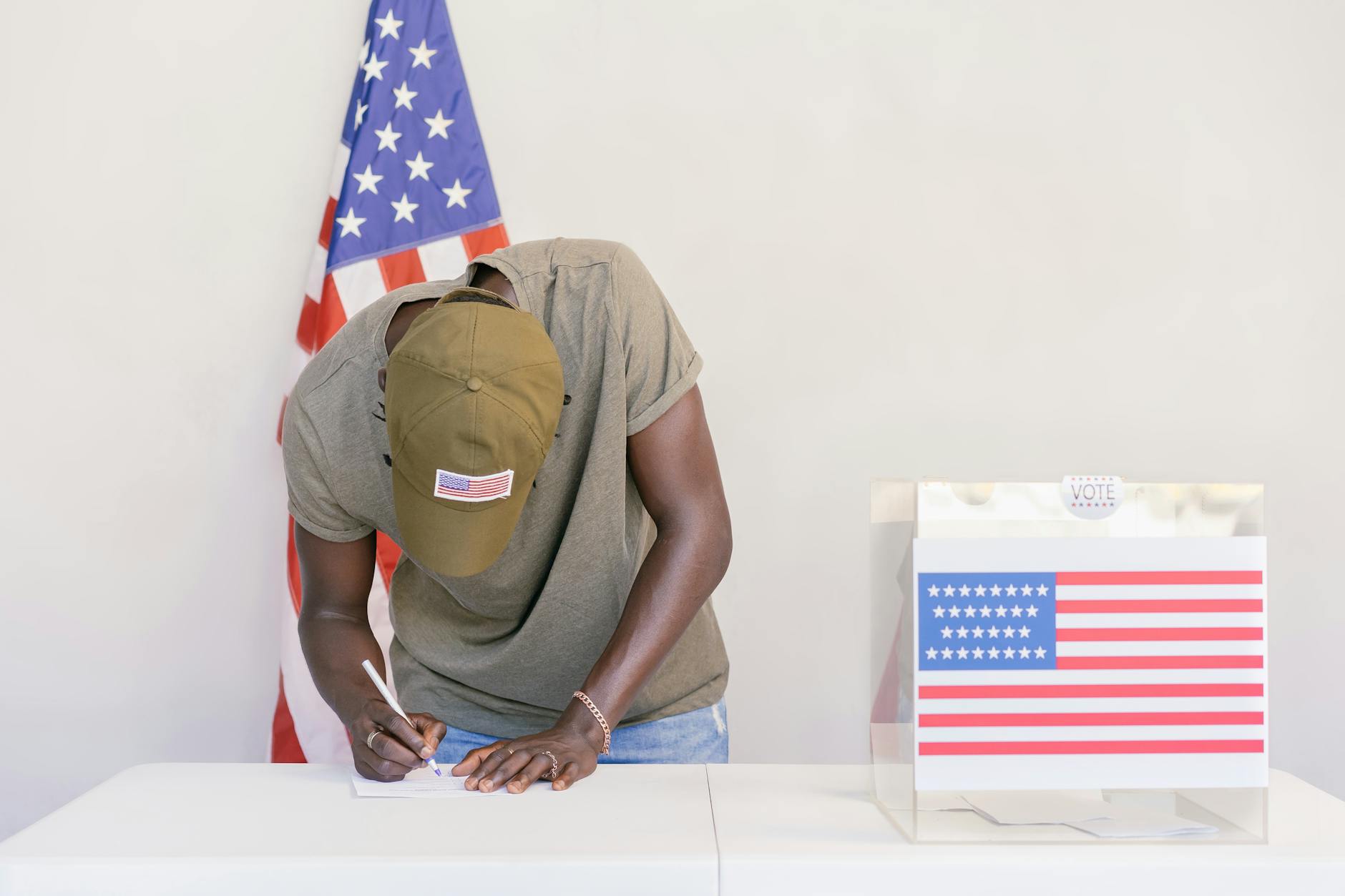
The past three years have seen rapid expansion of state-level protections for homeowner speech rights. Florida passed broad protections for political signs in 2021, followed by California’s more targeted 2022 law. Colorado, Michigan, and Virginia have since adopted similar measures.
These laws typically define protected categories (political speech, religious symbols), set reasonable time limits for temporary displays, and specify allowable sign sizes and placement. Texas took a different approach, protecting political signs as a presumptive right but allowing HOAs to enforce reasonable size and placement restrictions. The variation between states means that a homeowner’s rights depend entirely on where they live. An Arizona homeowner has virtually no state-level protection beyond the First Amendment doctrine applied to government speech, while a California homeowner can display political signs during election season regardless of HOA objections.
The Future of HOA Sign Disputes and Emerging Constitutional Arguments
Legal experts predict that HOA sign disputes will continue increasing as more Americans express themselves through yard signs and as polarization makes those expressions more politically and socially significant. Courts may eventually adopt a clearer standard: that HOAs can enforce narrow, content-neutral rules (size, duration, placement) but cannot suppress speech based on viewpoint or content.
Some scholars argue that the issue will eventually reach state supreme courts or the U.S. Supreme Court, which might clarify whether private organizations exercising quasi-governmental power (controlling residential communities) should be subject to First Amendment constraints. Until then, homeowners remain in a patchwork legal landscape where the same sign is protected in one state and vulnerable to fines in another.
Conclusion
The conflict between homeowner free speech rights and HOA enforcement authority is no longer purely a contractual dispute between private parties—it’s becoming a constitutional question. While HOAs technically retain broad authority to enforce restrictive covenants, state legislatures and courts are increasingly protecting specific categories of residential speech, and some courts are beginning to scrutinize whether HOAs are using their enforcement power to suppress constitutionally protected expression.
Homeowners facing HOA enforcement should first check whether their state offers explicit protections, then document any selective enforcement, and consider whether legal costs justify the battle. The current trend favors homeowners, but protections remain inconsistent and unevenly applied across jurisdictions. As more cases work through the courts and additional states pass protective legislation, the balance is shifting—slowly but measurably—toward recognizing that yards may be private property but the speech displayed there deserves constitutional consideration.
You Might Also Like
- Political Yard Signs Spark HOA Battle Over Free Speech
- Trump Flag in Yard Sparks Alleged Assault, Homeowner Says
- Homeowner Says Political Flag Led to Attack in His Own Yard