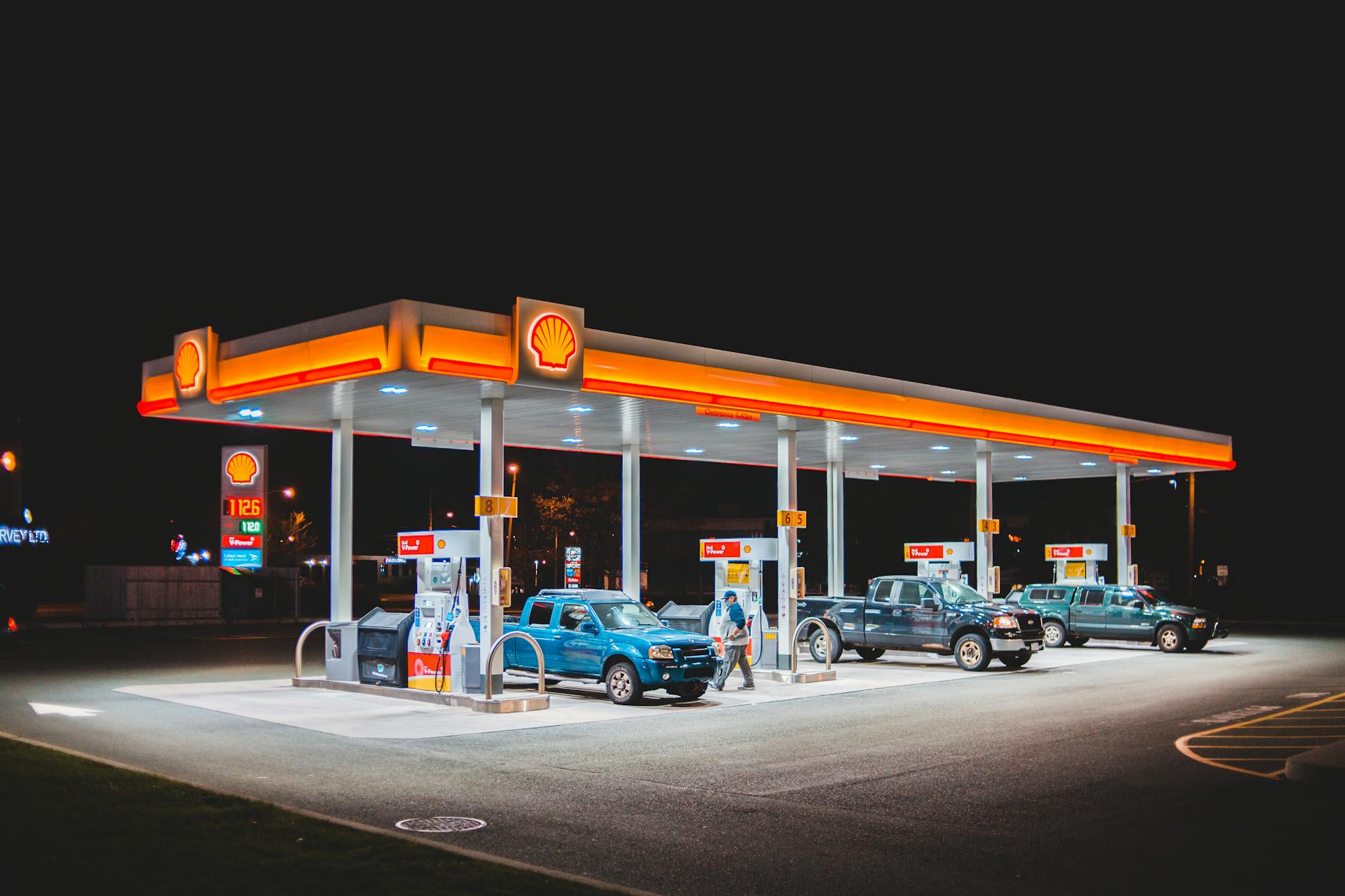
On May 10, 2026, Oklahoma offers the cheapest gasoline in the nation at $3.98 per gallon—a savings of 57 cents compared to the national average of $4.55 per gallon. Drivers in Oklahoma, Mississippi ($4.00), Louisiana ($4.02), and Arkansas ($4.02) are enjoying the most relief at the pump, while those in California face nearly $6.16 per gallon, the highest price in the country. This stark regional divide reflects the reality of American gas markets: where you live determines how much you’ll pay, sometimes by a difference of more than $2 per gallon.
The national average has climbed steadily, rising 25 cents in a single week as of May 7, 2026, marking the second consecutive week of increases. This rapid escalation is not random—geopolitical tensions have driven prices up approximately 50% since Iran tensions intensified, with gas prices rising $1.59 per gallon since February 26, 2026 alone. For a driver filling a 15-gallon tank in Oklahoma versus California, the difference is over $32 per fill-up.
Table of Contents
- Which States Have the Cheapest Gas Right Now?
- Why Gas Prices Vary So Dramatically Across States
- The Geopolitical Factor Reshaping Gas Markets
- How Drivers Can Respond to Regional Price Differences
- Understanding the Limitations of Gas Price Data and Variability
- The Most Expensive Markets and Why They Exist
- What Comes Next for Gas Prices and the Geopolitical Wild Card
- Conclusion
Which States Have the Cheapest Gas Right Now?
The top ten cheapest gas states create a clear geographic pattern centered in the South and Great Plains. Oklahoma leads the nation at $3.98 per gallon, followed by Mississippi and Louisiana tied with nearby Arkansas in the $4.00-$4.02 range. Moving up the list, Nebraska ($4.08), Texas ($4.09), Georgia ($4.09), Alabama ($4.10), Kansas ($4.11), and Missouri ($4.16) round out the affordable options for drivers seeking lower fuel costs. These states collectively serve as a reminder that regional economics matter significantly in energy pricing.
The advantage of filling up in these cheaper states compounds quickly for families and businesses. A household that drives 15,000 miles annually in Oklahoma (averaging 25 miles per gallon) would spend roughly $2,370 on gasoline at current prices. That same driver in California would spend approximately $3,696 annually—a difference of nearly $1,326 per year. For commercial drivers and small businesses operating in expensive states, the cost differential is severe enough to influence routing decisions and profitability calculations.

Why Gas Prices Vary So Dramatically Across States
State fuel tax differences represent the most transparent driver of regional price variation. Each state imposes its own excise tax on gasoline, ranging from as low as 14 cents per gallon to over 50 cents per gallon in some states. These taxes directly increase the pump price consumers see, yet many drivers remain unaware that a portion of their fuel cost goes to state governments rather than refiners. A 30-cent difference in state taxes alone can explain much of the variation between affordable Southern states and costlier regions. Proximity to oil refineries creates another structural cost factor.
States with nearby refineries benefit from lower transportation and distribution costs, while states far from refining capacity must pay premium prices to ship fuel long distances. California’s high prices partly reflect the state’s distance from major refinery clusters and its unique fuel blend requirements, which fewer refineries can produce. Conversely, Texas and Louisiana, home to extensive refining infrastructure along the Gulf Coast, naturally support lower consumer prices due to shorter supply chains and increased local competition. A critical limitation to understand: even in cheap states, consumers have limited flexibility. You cannot simply drive to Oklahoma to fill up if you live in California—the fuel cost savings would be eliminated immediately by the 1,500-mile drive. Regional pricing differences matter most for residents of bordering states and commercial operators who traverse multiple states regularly.
The Geopolitical Factor Reshaping Gas Markets
The relationship between international tensions and American gas prices has become impossible to ignore. Since Iran tensions escalated in late February 2026, the national average gas price has jumped $1.59 per gallon—a 50% increase in raw percentage terms when measured from February 26 baseline prices. This geopolitical shock propagated through global oil markets, affecting U.S. consumers even though America exports more oil than it imports.
A single international conflict thousands of miles away directly determines how much American families pay at the pump. This pattern reveals a fundamental vulnerability in energy markets: global crude oil prices respond to supply concerns and geopolitical risk regardless of where that oil originates or whether the United States is directly involved. When tensions spike in the Middle East—a region responsible for roughly one-third of global oil production—markets price in potential supply disruptions. Refineries raise crude oil bids preemptively, and those costs flow through to consumer gas prices within days. The 25-cent weekly increase observed in may 2026 may reflect continued geopolitical uncertainty rather than fundamental changes in supply or demand.

How Drivers Can Respond to Regional Price Differences
For those with geographic flexibility, the most direct response is filling up in cheaper neighboring states when possible. A driver in Arkansas near the Oklahoma border has legitimate opportunity to save 5-10 cents per gallon by crossing state lines for fuel. Trucking companies and fleet operators actively optimize fueling locations based on current price spreads, and individual drivers can employ similar strategies for long road trips. Checking real-time prices through AAA’s fuel price tracker or GasPrice.us before fueling becomes increasingly valuable when regional spreads widen beyond 20 cents per gallon.
However, this strategy has clear limitations. For the vast majority of Americans filling up locally in their home state, regional arbitrage is not practical. Someone in California cannot reasonably plan around Oklahoma prices. A more realistic approach involves understanding your state’s fuel tax burden and advocating for policy decisions that affect energy costs. Additionally, monitoring national trends helps drivers anticipate price movements—the rapid $1.59 increase since February suggests that buying gas sooner rather than delaying purchases could save money if prices are expected to continue climbing.
📨 Get Free Accountability Coverage Alerts
Free · No spam · Unsubscribe anytime
Understanding the Limitations of Gas Price Data and Variability
Gas prices reported by AAA and the Energy Information Administration represent statewide averages, which can mask substantial local variation within each state. A gas station in rural Oklahoma may charge less than one in Oklahoma City, and prices can shift dramatically based on local competition, brand premiums, and supply logistics. When you see “Oklahoma: $3.98,” understand that this is a weighted average—specific stations could range from $3.89 to $4.09 for regular unleaded depending on location and brand.
Another important warning: historical prices provide limited predictive power for future prices. The rapid 25-cent weekly increases observed in May 2026 suggest ongoing volatility driven by geopolitical factors beyond consumer control. Drivers cannot reliably lock in current prices or plan fuel budgets based on recent trends. The EIA Gasoline and Diesel Fuel Update provides weekly official data, but even this reflects lag time—prices reported on any given date reflect conditions from days prior, making real-time decision-making challenging for consumers.

The Most Expensive Markets and Why They Exist
California’s $6.16 per gallon price stands 35% above the national average and reflects multiple compounding factors beyond simple state taxes. California’s unique fuel blend requirements (designed to reduce smog) can only be produced by a limited set of refineries, reducing competition and increasing costs. Washington State at $5.76 and Hawaii at $5.66 face similar challenges: Hawaii’s island isolation requires fuel to be shipped long distances by tanker, while Washington’s distance from major refining centers adds transportation costs.
These are not policy failures but structural market realities that high-cost states face perpetually. For drivers in these expensive regions, the pain is ongoing. A California driver facing $6.16 per gallon has no realistic means of arbitrage. Even if fuel costs could somehow drop to the national average of $4.55, that would still represent a 26% reduction but would require fundamental changes to fuel blend requirements, refinery capacity, or transportation infrastructure—changes unlikely in the near term.
What Comes Next for Gas Prices and the Geopolitical Wild Card
The trajectory of gas prices hinges almost entirely on geopolitical stability and global crude oil supply. If Iran tensions de-escalate, crude oil prices could moderate, potentially bringing pump prices down across all states. If tensions worsen or new supply disruptions emerge, the $1.59 increase since late February could prove to be just the opening chapter of a longer price climb.
The EIA and AAA provide weekly updates, but consumers should understand that these snapshots reflect lag time and that the most important variable—global crude oil supply—remains subject to events beyond any analyst’s control. For the remainder of 2026, drivers should anticipate volatility rather than stability. The 50% price increase since February demonstrates that geopolitical shocks can propagate to consumer gas pumps with remarkable speed. Monitoring official sources like the EIA Gasoline and Diesel Fuel Update and AAA Fuel Prices provides the most reliable current information, but understanding the structural differences driving state-level variation helps contextualize why you pay what you do at your local pump.
Conclusion
As of May 10, 2026, Oklahoma offers the cheapest gasoline in America at $3.98 per gallon, while California’s $6.16 per gallon represents a gulf of over $2 per gallon between the cheapest and most expensive states. This variation reflects state fuel taxes, refining infrastructure proximity, and regional demand patterns—structural factors that change slowly if at all. More immediately, the rapid 25-cent weekly increase and the $1.59 climb since late February demonstrate that geopolitical events directly reshape American gas markets, and consumers have limited ability to influence or predict these swings.
For drivers seeking real-time information, the U.S. Energy Information Administration provides weekly fuel price updates, while AAA Fuel Prices and GasPrice.us track state-level variations. If you live near a cheaper state’s border, filling up strategically can generate modest savings. For everyone else, understanding these regional differences provides context for why your pump price is what it is, and why prices will likely remain volatile as long as global tensions persist.
You Might Also Like
- Gas Prices Today: What Drivers Are Paying at the Pump on May 9, 2026
- Gas Prices Today: What Drivers Are Paying at the Pump on May 10, 2026
- Gas Prices Today: Why Pump Prices Are Rising Again This May