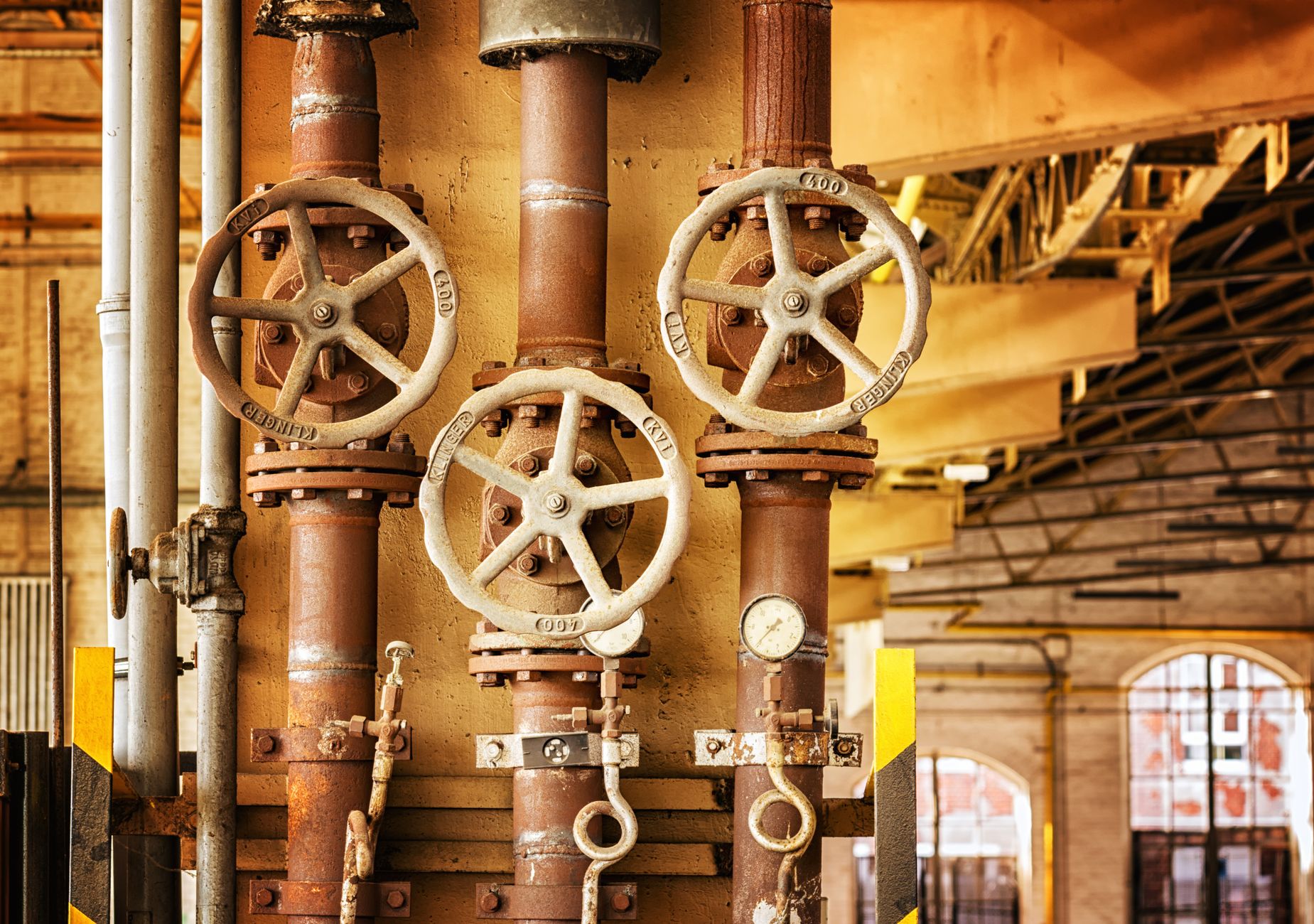
American oil majors could get a role in restarting Russian crude deliveries to European buyers over the Druzhba pipeline, according to people familiar with US-Russian talks who spoke to the Financial Times for a report published Oct. 27. The paper gave no volumes, no buyers and no company names. The idea runs into a line that is already the subject of an EU exemption fight, US sanctions waivers and repeated wartime strikes.
Where it stands: Nothing had been signed or announced by October 28, and no other outlet had confirmed the Druzhba element of the FT story. The US official the FT quoted made every economic idea conditional on a peace settlement, saying agreements would be “included in and subject to a comprehensive peace framework” and that “nothing is finalised.” As of the most recent reporting found, Russian crude was still moving through Druzhba to Hungary and Slovakia.
The FT said that “Kremlin spokesperson Dmitry Peskov did not respond to a request for comment,” and that “A spokesperson for Dmitriev declined to comment.” The paper also reported that European diplomats oppose easing sanctions or doing business with Moscow before the war ends, and have told Washington that decisions touching EU interests “cannot be taken without Europe’s approval.”
What did the FT report about the Druzhba pipeline?
One sentence, attributed to unnamed sources. Officials were “talking about involving the American majors in a plan to resume sales of Russian oil to Europe via the Druzhba pipeline,” the FT wrote.
The report did not say whether “resume” meant restoring deliveries to countries that have stopped buying, raising volumes to the two that still buy, or putting US companies into the trading chain. It did not say which US firms were discussed, and as of October 28 no US company had been reported saying publicly that it wants a role. The remaining proposals from the same story are laid out in our guide to what the FT reported.
Who still buys Russian oil through the Druzhba pipeline?
Two EU countries. Druzhba, whose name means “friendship” in Russian, is a Soviet-era line that crosses Belarus and Ukraine into Central Europe. Reuters, via the Kyiv Independent, reported in June 2026 that Hungary and Slovakia “are the only EU member states that still receive Russian oil via the pipeline.”
| Country | Russian crude via Druzhba (latest reports) |
|---|---|
| Hungary | Still buying |
| Slovakia | Still buying |
| Czech Republic | Stopped; off Russian oil since April 2025 |
| Germany | Halted on the northern branch |
The Czech Republic dropped out after expanding the TAL pipeline from the west. “For the first time in history, the Czech Republic is completely supplied by non-Russian oil, and fully supplied through western routes,” then-Prime Minister Petr Fiala said in April 2025.
Hungary has gone the other way. Its dependence is measured differently by different sources:
| Measure of Hungary’s reliance | Figure | Source |
|---|---|---|
| Share of oil from Russia, 2024 | 86% | IMF, via Reuters |
| Share of crude from Russia, 2025 | 92% | UPI |
| Dependence, 2021 to 2025 | 61% to 93% | CSD, via Euronews |
What do EU rules say about Druzhba oil?
Pipeline crude has been exempt since 2022. When the EU embargoed seaborne Russian crude and refined products in June 2022, it granted a temporary exemption to Hungary, Slovakia and the Czech Republic, the Atlantic Council noted.
That exemption has not been withdrawn. Euronews reported in March 2026 that the EU’s oil sanctions sit in a regime that can only be renewed unanimously, and that Hungary and Slovakia enjoy an “open-ended derogation.” A report by the Center for the Study of Democracy, cited by CNN, said Hungary had turned “a temporary EU exemption into a permanent loophole in the sanctions regime.”
Brussels intends to close it with energy legislation rather than sanctions. The Commission committed in December 2025 to phasing out remaining Russian oil imports by the end of 2027. Euronews reported in late March 2026 that the proposal had been pulled from the calendar, and that as energy law it “only requires a qualified majority to be approved,” so no single country could veto it. A Commission spokesperson, quoting Ursula von der Leyen, warned that going back to Russian fossil fuels after the war would be a “strategic blunder.”
How have strikes affected the Druzhba pipeline?
Deliveries have stopped several times since August 2025, and each stoppage turned into a political dispute.
📨 Get Free Accountability Coverage Alerts
Free · No spam · Unsubscribe anytime
- August 2025: Ukraine’s military said it struck the Unecha pumping station, which Al Jazeera described as a key hub in western Russia, and Hungary and Slovakia warned that deliveries could be suspended for days. Viktor Orban released a letter he had sent to Trump, and a copy posted on Facebook appeared to carry a handwritten reply: “Viktor, I do not like hearing this, I am very angry about it.” The White House had not commented, Al Jazeera reported.
- Jan. 27, 2026: Flows to Hungary and Slovakia stopped again. Ukrainian officials said a Russian drone attack had damaged the pipeline. Orban responded that “Ukraine is blackmailing Hungary,” and Slovak Prime Minister Robert Fico said the line “had not even been damaged.” Hungary then blocked a €90 billion EU loan for Kyiv.
- April 2026: Orban lost Hungary’s April 12 election. Oil began flowing through the Ukrainian section again on April 22, and Budapest lifted its veto on the loan, CNN and Reuters reported.
The two sides’ accounts of the January outage still conflict, and both are given here as stated.
What do US sanctions have to do with Druzhba?
US sanctions now cover Russia’s two biggest oil producers, including Lukoil, whose crude MOL buys. The Treasury Department designated Rosneft and Lukoil, Russia’s two largest oil companies, on October 22, 2025.
Weeks later, after Orban met Trump, a White House official said the US had given Hungary “a one-year exemption from U.S. sanctions for using Russian oil and gas.” Budapest claimed the waiver had no end date; the administration said it ran for a year. Isaac Levi of the Center for Research on Energy and Clean Air called it “a terrible and unnecessary mistake.” Hungarian refiner MOL has kept Lukoil barrels coming by taking ownership of the crude at the Belarus-Ukraine border, Euronews reported.
MOL, which refines in both Hungary and Slovakia, told Reuters it bought 10 different crude grades this year to diversify. For the wider pattern of US sanctions decisions this year, see our report on the paused Russia energy sanctions and the diesel deal, and on Europe’s objections to US-Russia business deals.
The clock on Hungary’s waiver is short. According to an April 2026 analysis by the law firm Squire Patton Boggs, the exemption from the secondary effects of US sanctions on Rosneft and Lukoil was granted in November 2025, and it is due to expire “in or about” November 2026.
Frequently Asked Questions
Is Russian oil still flowing through the Druzhba pipeline?
Yes, to Hungary and Slovakia. Flows stopped on Jan. 27, 2026, resumed in late April and were back to normal levels in May, Reuters reported. They are the only EU countries still receiving Russian crude through the line.
Does the EU ban Russian pipeline oil?
The 2022 EU embargo covered seaborne Russian crude and products but exempted pipeline deliveries to Hungary, Slovakia and the Czech Republic. Euronews describes the derogation for Hungary and Slovakia as open-ended. The Commission has committed to phasing out remaining Russian oil imports by the end of 2027, but its proposal was delayed in March 2026.
What did the FT report about US oil companies and Druzhba?
Sources the FT described as familiar with the matter said, in its Oct. 27 story, that officials from both governments had discussed a role for American oil majors if Russian oil sales to Europe through Druzhba were resumed. It did not name companies or give volumes. A US official said nothing is finalised.
Why does Hungary have a US sanctions exemption?
After Viktor Orban met Trump in November 2025, a White House official said the US had granted Hungary a one-year exemption for Russian oil and gas. Budapest claimed it was unlimited. A law firm analysis says the waiver expires in or about November 2026.
Sources
- Washington discusses Russian deals for US oil majors in Ukraine peace talks — Financial Times, October 27, 2026
- Treasury Sanctions Major Russian Oil Companies, Calls on Moscow to Immediately Agree to Ceasefire — U.S. Department of the Treasury, October 22, 2025
- Russian oil exports to Hungary, Slovakia via Druzhba pipeline return to normal — Kyiv Independent (citing Reuters), June 2026
- Czechs hail end of Russian oil dependence — Reuters (via Free Malaysia Today), April 17, 2025
- Hungary’s Russian oil deal threatens EU solidarity — Atlantic Council, 2024
- EU delays proposal to ban Russian oil amid Iran war, price spikes and Druzhba row — Euronews, March 24, 2026
- Fact check: Does Hungary have alternatives to the Druzhba pipeline? — Euronews, March 31, 2026
- By buying Russia’s oil, Hungary is fueling the Kremlin’s war machine — CNN Business, February 16, 2026
- US grants Hungary exemption on Russia sanctions after warm Trump-Orban meeting — Reuters (via The Star), November 8, 2025
- Trump grants Hungary one-year exemption from Russian oil, gas sanctions — UPI (via Yahoo News), November 8, 2025
- Hungary, Slovakia fear oil cuts after Ukrainian attack on Russian pipeline — Al Jazeera, August 22, 2025
- Hungary’s foreign minister says country will block key EU loan to Ukraine until Russian oil shipments resume — AP (via PBS NewsHour), February 2026
- Hungary’s MOL turns to seaborne oil as Druzhba pipeline stalls — Reuters (via Baird Maritime), February 2026
- Druzhba pipeline restarts Russian oil flows to Europe, unblocking $105B EU loan for Kyiv — CNN (Reuters), April 22, 2026
- MOL resumes receiving oil from Druzhba after three months, with flows also reaching Slovakia — oEnergetice.cz, April 2026
- Hungary after Orbán: Sanctions, Trade and Energy Implications — Squire Patton Boggs, April 2026
- Hungary to sue EU over ban on Russian gas — Kyiv Independent, November 2025
- EU agrees to end Russian gas imports by late 2027; Hungary, Slovakia oppose — Reuters (via Cyprus Mail), December 3, 2025
This article is news reporting and analysis based on the public sources listed above, as they stood on the dates shown. Where officials, lawmakers or analysts disagree, including on whether an action is lawful, their positions are attributed to them; Donald Trump Class Action is not a court and nothing here is legal advice. Facts in a developing story can change.