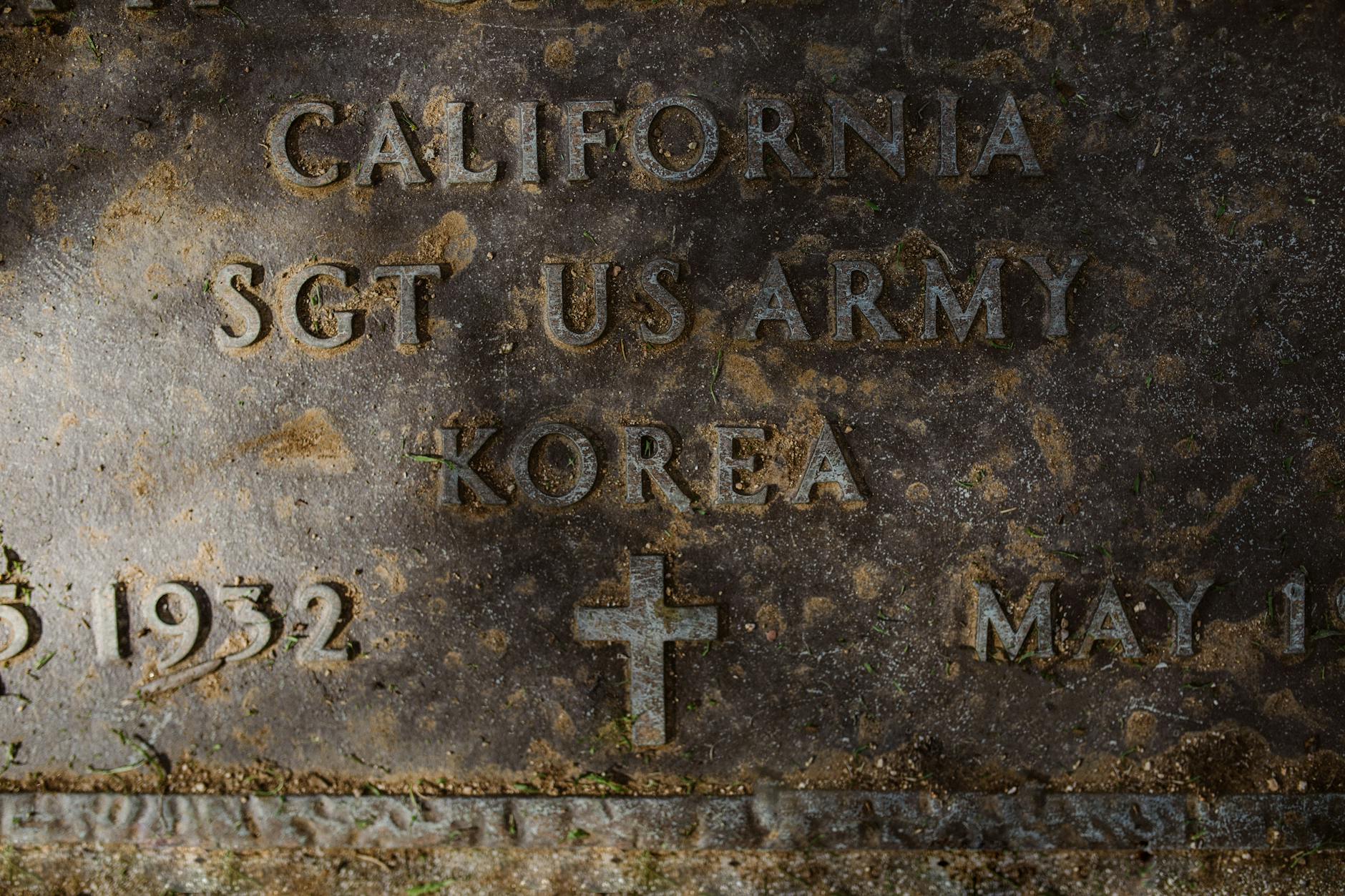
Kerry Sheron, a 69-year-old Army veteran, died following a brutal assault outside his Escondido, California home on a Sunday night in May 2026. The attack occurred at the property where Sheron and his wife had displayed American flags and pro-Trump signs—decorations that had previously made their home a target for harassment and threats. While the home’s distinctive political displays drew immediate media attention to the case, police investigators have stated they have not found evidence to support a politically motivated component to the attack.
The incident claimed the life of a decorated veteran and highlighted the vulnerability of homeowners who display prominent political signage. Thomas Butler, 32, was arrested at the scene and has pleaded not guilty to charges including attempted first-degree murder, elder abuse causing great bodily injury, battery, and making threats. A bystander who attempted to help Sheron during the attack was also injured in the confrontation.
Table of Contents
- What Led to the Attack on a Veteran’s Home in Escondido?
- The Legal Charges and Criminal Investigation
- The History of Harassment Over Political Displays
- Home Security and Protecting Your Property
- What the Investigation Has Revealed About Motive
- Support and Resources for Victims of Violent Crime
- Broader Questions About Political Expression and Public Safety
- Conclusion
What Led to the Attack on a Veteran’s Home in Escondido?
On the evening in question, Kerry Sheron was attacked outside his residence, suffering injuries from which he would not recover. The assault was severe enough that emergency responders were called, and Sheron was transported for medical treatment. He died from his injuries that same night, making this case a homicide investigation from that point forward. The circumstances surrounding why the attack occurred remain officially under investigation.
While Sheron’s home had become known in the neighborhood for its extensive display of American flags and Trump-related decorations, investigators have not concluded that these displays were the direct cause or motive for the attack. This distinction is important: a home’s political messaging, however prominently displayed, does not automatically establish political motivation in a violent crime. Authorities must establish through evidence—statements from the suspect, communications, prior interactions, or other investigative findings—whether ideology played a role. The case serves as a reminder that violent crime can involve complex motivations that may not be immediately apparent from surface-level details. In some cases, what appears to be politically motivated violence is actually rooted in personal disputes, mental health crises, substance abuse, or other factors entirely unrelated to the victim’s ideology or home decorations.

The Legal Charges and Criminal Investigation
Thomas Butler faces serious felony charges that reflect the severity of the attack. The charge of attempted first-degree murder indicates that prosecutors believe Butler acted with premeditation and deliberation in trying to kill Sheron. The elder abuse charge acknowledges Sheron’s age and vulnerability as a 69-year-old victim. Additional charges for battery and making threats provide prosecutors with multiple angles to pursue conviction. Butler has pleaded not guilty to all charges, which means the case will proceed through the criminal justice system with a trial or potential plea negotiations ahead.
The burden of proof rests with prosecutors, who must prove guilt beyond a reasonable doubt. The investigation into motive remains ongoing, meaning detectives are still gathering evidence, interviewing witnesses, and attempting to establish why Butler targeted Sheron’s home on that specific night. A critical limitation in publicly available information is the lack of detail about any prior relationship between Butler and Sheron, or any previous interactions that might explain the attack. In some cases, neighbors with heated disputes may be misidentified as strangers to media outlets. Without access to the full investigative file, the public cannot yet determine whether this was a spontaneous act or the culmination of escalating tensions.
The History of Harassment Over Political Displays
Prior to the fatal attack, Sheron’s wife had reported that the couple had faced harassment and threats because of their home’s political decorations. This pattern of smaller incidents—threats, confrontations, or unwanted attention—is not uncommon for homeowners who display prominent political signage, particularly in neighborhoods with diverse political viewpoints. The frequency and intensity of such incidents often varies by region and local demographics. The decision to maintain visible political displays despite receiving threats reflects a choice many Americans make: to exercise their right to political expression even in the face of social friction or hostility.
However, this choice also carries risks, particularly in cases where neighbors are unstable or prone to violence. The Sheron case illustrates that sustained harassment over home decorations, while not always escalating to violence, can occasionally cross into dangerous territory. A practical warning for homeowners: extensive political displays can attract unwanted attention and should be considered as part of a broader home security assessment. This is not an argument against political expression, but rather a realistic acknowledgment that highly visible displays may increase visibility to individuals who are hostile to that particular political viewpoint. Security cameras, motion-activated lighting, and awareness of your surroundings become more important when your home is prominently marked with political signage.

Home Security and Protecting Your Property
For homeowners who choose to display political signage or other prominent decorations, several practical security measures can reduce vulnerability to attack. Security cameras positioned to cover entry points, driveways, and yard areas can deter potential attackers and provide evidence if an incident occurs. Motion-activated lighting around the property perimeter makes it harder for someone to approach without being seen. Maintaining awareness of your surroundings, particularly during evening hours when visibility is reduced, is essential.
Sheron was attacked outside his home, suggesting he may not have been expecting immediate danger at that location. For homeowners in areas with prior harassment incidents, varying routines—the times you leave home, the routes you take, the times you’re outside—can reduce predictability that an attacker might exploit. The tradeoff between visibility and security is real: a home that is entirely obscured by fencing and landscaping offers more privacy but may also prevent neighbors from witnessing an attack in progress. A home that is visible and well-lit may deter crime but also attracts more notice. Finding the right balance depends on your specific neighborhood, local crime rates, and personal risk tolerance.
📨 Get Free Accountability Coverage Alerts
Free · No spam · Unsubscribe anytime
What the Investigation Has Revealed About Motive
Law enforcement explicitly stated that as of the time of reporting, they had not identified evidence to support a political component to the attack. This statement is significant because it reflects the distinction between assumption and evidence. While media coverage naturally focuses on the home’s political displays—they are visually striking and relevant to current national discourse—investigators must look beyond surface characteristics to determine actual motive. Possible motives in violent crime include personal disputes, mental health crises, substance abuse, financial disputes, or confrontations that escalate unexpectedly. In some cases, an assailant may target a specific home based on past interactions with the resident, or may select a target somewhat randomly based on opportunity.
Without access to investigative reports, the public cannot know which of these categories applies to the Sheron case. The limitation in how motive is determined bears noting: police must establish motive through evidence, not speculation. Even if a suspect makes political statements, that does not necessarily establish that political ideology motivated the crime. Conversely, the absence of explicit political statements does not rule out political motivation entirely. As the investigation continues, new information may emerge that clarifies the actual reason for the attack.

Support and Resources for Victims of Violent Crime
Families of homicide victims face immediate practical challenges: arranging funeral services, managing medical bills, dealing with law enforcement procedures, and processing trauma. Several organizations provide support specifically for families of murder victims, offering both emotional counseling and practical assistance.
The Office for Victims of Crime (OVC), a federal agency, maintains a database of victim assistance programs available in every state. These programs can help with funeral expenses, counseling services, lost wages, and other costs associated with violent crime. County prosecutors’ offices typically have victim advocates who can guide families through the criminal justice process and explain their rights as victims during trial and sentencing.
Broader Questions About Political Expression and Public Safety
The Sheron case has renewed national conversation about the relationship between visible political expression and personal safety. In a polarized political environment, some Americans worry that prominent displays of their political views could invite harassment or worse. This concern is not entirely unfounded: incidents of property damage, threats, and violence related to political signage do occur, though such incidents remain statistically rare.
Yet the alternative—self-censorship based on fear—represents a loss of fundamental freedoms that many citizens are unwilling to accept. The question society faces is how to protect citizens’ rights to political expression while also maintaining safe neighborhoods where disagreement does not escalate into violence. This balance cannot be achieved through individual security measures alone; it requires broader community norms that treat political opponents with basic respect and refrain from violence regardless of disagreement.
Conclusion
The death of Kerry Sheron represents a tragic loss of a military veteran and highlights the real vulnerabilities that can arise when political expression becomes highly visible. While the home’s Trump signage drew immediate media attention, the ongoing police investigation has not established political motivation as the cause of the attack.
As with many violent crimes, the full picture of why this attack occurred may only emerge through the criminal justice process. For homeowners considering visible political displays, the Sheron case suggests a balanced approach: exercise your right to political expression, but do so with awareness of your local environment and with reasonable security measures in place. For community members more broadly, the case underscores the importance of maintaining civil discourse and rejecting violence as a response to political disagreement, regardless of which side of the political spectrum someone occupies.
You Might Also Like
- Owner of Southern California Trump House Dies After Alleged Attack Outside His Home
- Political Yard Display Owner Dies After Attack Outside His California Home
- Trump House Owner Dies After Brutal Attack Outside His Flag-Covered Home