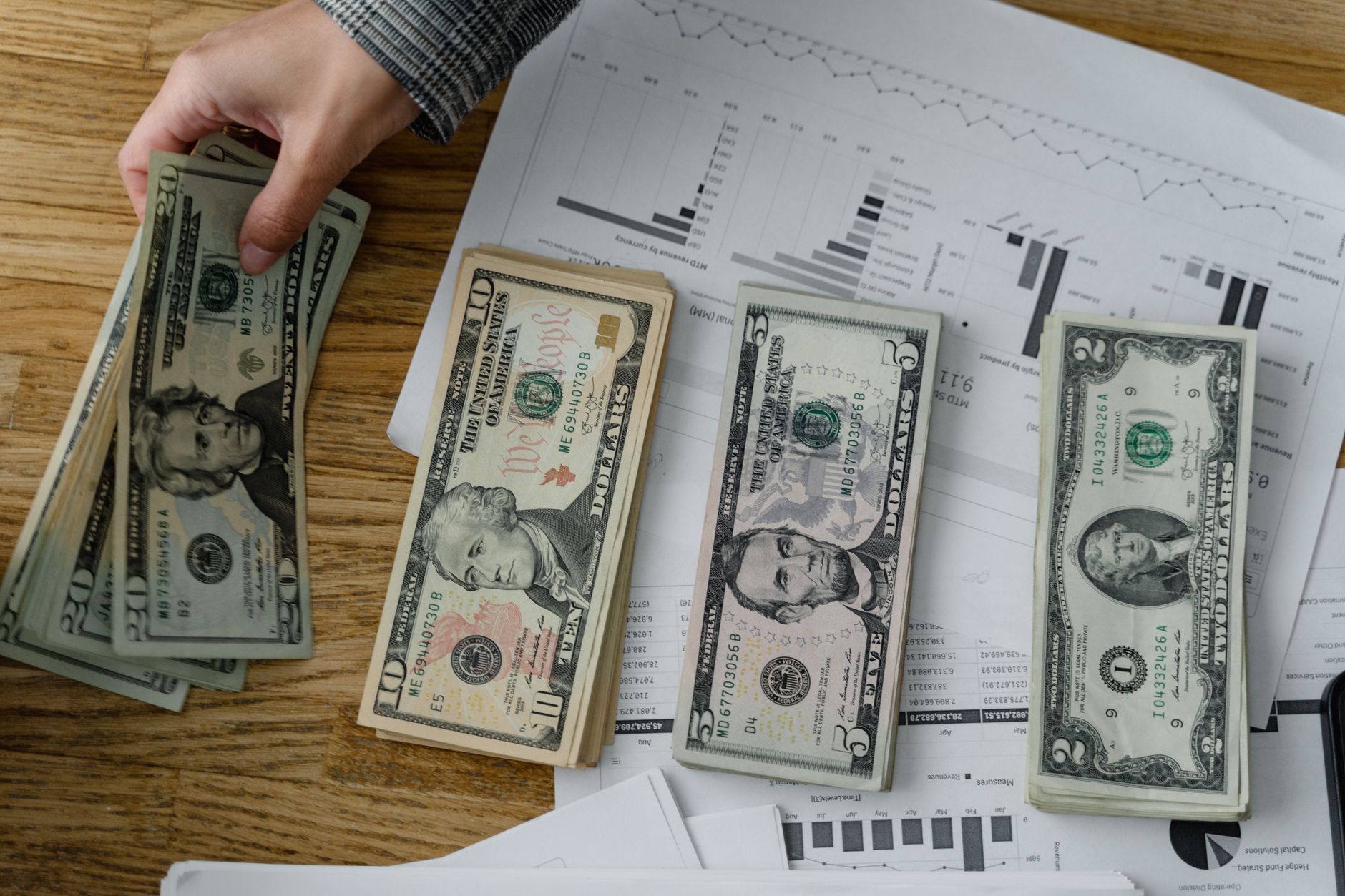
Bribery for a pardon is a federal crime for the person who offers or pays the bribe, under the general bribery statute. Whether the president who accepts it can also be prosecuted is unsettled: no court has decided it, and the justices disagreed about it in the 2024 immunity case. The White House and Justice Department have denied any impropriety in Trump’s clemency decisions, and our sources found no charges against anyone for buying a Trump pardon.
Where it stands: House Judiciary Democrats released a staff report titled “Pardons, Inc.” in August 2026 accusing the administration of running a pay-to-play clemency system. The same month, Senate Democratic leader Chuck Schumer introduced the No Payoffs for Pardons Act, and in May 2026 Rep. Jamie Raskin’s Protecting Our Democracy Act (H.R. 8831) proposed rewriting the bribery statute to name the president. Neither bill had passed as of late October 2026.
Is bribery for a pardon a crime for the person who pays?
Yes, under the general rule. The bribery statute, 18 U.S.C. 201, makes it a crime to corruptly give or offer something of value to a federal public official to influence an official act. Former federal prosecutor Harry Sandick told Fortune in 2020: “While the presidential pardon power is absolute, selling pardons is prohibited by federal bribery law.”
The 2024 immunity ruling protects presidents, not private parties. The Campaign Legal Center, which backs the Democratic bill, put it this way: “But that immunity does not shield private individuals who seek to buy a pardon or act as intermediaries in such corrupt arrangements.”
Federal prosecutors have looked at such offers before. Fortune reported in December 2020 that a court opinion unsealed by Chief Judge Beryl Howell described a Justice Department inquiry into a plan to “offer a substantial political contribution in exchange for a presidential pardon or reprieve of sentence.” A Justice Department official said: “No government official was or is currently a subject or target of the investigation disclosed in the court filing.” Trump responded at the time: “Pardon investigation is Fake News!”
Can a president be prosecuted for selling a pardon?
That is the open question. The pardon is one of the president’s core powers, and in the July 1, 2024 ruling in Trump v. United States, the Supreme Court gave former presidents absolute immunity for core powers. The majority listed “granting reprieves and pardons for offenses against the United States” among them.
Justice Amy Coney Barrett, concurring in part, used bribery as her example: “Consider a bribery prosecution—a charge not at issue here but one that provides a useful example.” She wrote that the Constitution “does not authorize a President to seek or accept bribes, so the Government may prosecute him if he does so.”
Justice Sonia Sotomayor, dissenting, read the majority’s rule the other way. In a list of hypotheticals, she wrote that a president who takes a bribe for a pardon would be “Immune.”
The majority answered in a footnote that a prosecutor in a bribery case “may point to the public record to show the fact that the” president performed the official act. It added: “And the prosecutor may admit evidence of what the President allegedly demanded, received, accepted, or agreed to receive or accept in return for being influenced in the performance of” the act. The Court did not decide a bribery case, so the issue remains unresolved.
Does the bribery statute even cover the president?
Scholars disagree. Section 201 applies to a “public official,” defined to include an officer or person acting for the United States. In a 2020 Lawfare essay, Josh Blackman and Seth Barrett Tillman wrote: “There is some doubt whether this language reaches the president and vice president.”
The same authors still concluded that a clear cash deal could be charged. Describing a scenario where a president asks for “a suitcase full of cash” in exchange for a pardon, they wrote that “we think a (former) president could be indicted for bribery on these facts.” They opposed broader bills that would treat ordinary political trades as bribery.
Two other points are not in dispute. The Constitution lists bribery by name as an impeachable offense. And a sitting president is not indicted under Justice Department policy, so any criminal case would come after he leaves office.
| Who | Position | Source |
|---|---|---|
| Justice Barrett | A president who takes bribes may be prosecuted | Concurrence, 2024 |
| Justice Sotomayor | Majority’s rule would leave a bribe for a pardon immune | Dissent, 2024 |
| Court majority | Prosecutors may use the public record of the official act | Footnote, 2024 |
| Blackman and Tillman | “Some doubt” §201 reaches the president, but a cash deal could be charged | Lawfare, 2020 |
| CRS | An offer of a pardon to influence testimony is within Congress’s power to regulate | CRS report R46179, 2020 |
Would a pardon bought with a bribe still be valid?
No court has said. Our sources found no ruling on whether a pardon obtained through bribery is void, and the Supreme Court held in Schick v. Reed (1974) that any limits on the pardon power “must be found in the Constitution itself.” A prosecution of the buyer or seller would be a separate case; it would not automatically cancel the pardon.
📨 Get Free Accountability Coverage Alerts
Free · No spam · Unsubscribe anytime
Rep. Steve Cohen (D-Tenn.) has proposed a constitutional amendment instead. His office says it “clarifies that no pardon issued for a corrupt purpose – past, present, or future – is valid.” That and other proposals are compared in our guide to pardon reform bills.
What would Democrats’ bills change?
They would write the president into the bribery law. H.R. 8831, introduced by Raskin in May 2026, has a section headed “SEC. 1103. BRIBERY IN CONNECTION WITH PARDONS AND COMMUTATIONS.” It would add the president and vice president to the statute’s definition of public official and, in the witness provision, treat as a thing of value “(including, for purposes of this paragraph, any pardon, commutation, or reprieve, or an offer of any such pardon, commutation, or reprieve).”
That second change tracks a point the Congressional Research Service made in 2020: that “the offer or promise of a pardon to induce a person to testify falsely or not to testify at all . . . would precede the act of pardoning and thus be within Congress’s power to regulate even if the pardon itself is not.” The full bill is explained in our Protecting Our Democracy Act guide.
The Senate bill, S. 5212, was introduced by Schumer with Sens. Blumenthal, Cortez Masto, Hirono and Schiff. CLC says it would require pardon recipients to disclose payments and would provide accountability “by updating existing law to ensure that corruptly paying for a pardon” is treated like any other bribe.
What are Democrats alleging, and how has the White House responded?
The House Judiciary Democrats’ release says Raskin “released a new Committee staff report” on Trump’s clemency grants. Raskin said: “Presidential clemency is supposed to be an instrument of justice and mercy, not another MAGA Get-Rich-Quick-Scheme where access goes to the highest bidder.” These are allegations by the committee minority, not findings by a court or prosecutor.
The administration has rejected such claims. Reuters reported in June 2026 that “The White House and Justice Department have both denied any impropriety with Trump’s clemency actions.” When Sen. Peter Welch and Rep. Dave Min sent records requests on pardons, White House spokesperson Abigail Jackson called the letters “nothing more than a sad messaging attempt, coordinated between Democrats and their media allies.” Individual grants are listed on our Trump pardon tracker.
Frequently Asked Questions
Is it illegal to pay for a presidential pardon?
Paying or offering something of value to a federal official to influence an official act is bribery under 18 U.S.C. 201. The commentators quoted here agree that applies to a person who tries to buy a pardon; the 2024 immunity ruling does not protect private buyers or intermediaries.
Can a president be charged with selling a pardon?
Unsettled. Justice Barrett wrote that a president who takes bribes may be prosecuted, Justice Sotomayor argued the majority made it immune, and no court has decided a case. Any prosecution would have to wait until the president leaves office under Justice Department policy.
Is a pardon void if it was bought?
No court has ruled on that. A bribery prosecution would be a separate case and would not automatically cancel the pardon.
What is the No Payoffs for Pardons Act?
A Senate bill, S. 5212, introduced by Chuck Schumer in 2026 with a House companion. According to the Campaign Legal Center, it would require pardon recipients to disclose payments and would update bribery law to cover corruptly paying for a pardon.
Has anyone been charged with bribery for a Trump pardon?
Our sources report no charges. A 2020 court opinion described a Justice Department inquiry into an offered political contribution for a pardon; the department said no government official was a subject or target.
Sources
- Trump v. United States, No. 23-939 — Supreme Court of the United States, July 1, 2024
- 18 U.S. Code § 201 – Bribery of public officials and witnesses — Legal Information Institute (Cornell), current text
- The Abuse of the Pardon Prevention Act Would Criminalize Politics — Lawfare (Josh Blackman and Seth Barrett Tillman), August 2020
- H.R. 8831, Protecting Our Democracy Act (Introduced in House) — U.S. Government Publishing Office, May 14, 2026
- Presidential Pardons: Overview and Selected Legal Issues (R46179) — Congressional Research Service (EveryCRSReport mirror), January 14, 2020
- The Constitution of the United States: A Transcription — National Archives, text of 1787
- Prosecutors are investigating a potential bribes-for-pardons scheme as Trump’s term ends — Fortune, December 2, 2020
- Factsheet: No Payoffs For Pardons Act — Campaign Legal Center, August 2026
- Congressman Cohen Reintroduces an Amendment to the Constitution to Clarify and Limit the Presidential Pardon Power — Office of Rep. Steve Cohen, January 2025
- Schick v. Reed, 419 U.S. 256 (1974) — Legal Information Institute (Cornell), 1974
- S. 5212 (Introduced in Senate) — Congress.gov / U.S. Government Publishing Office, August 2026
- New Judiciary Democrats Report Exposes MAGA’s Cash-for-Clemency Racket — House Judiciary Committee Democrats, August 21, 2026
- Democrats press Trump administration over ‘pay-to-play’ pardons — Reuters (via The Spokesman-Review), June 15, 2026
This article is news reporting and analysis based on the public sources listed above, as they stood on the dates shown. Where officials, lawmakers or analysts disagree, including on whether an action is lawful, their positions are attributed to them; Donald Trump Class Action is not a court and nothing here is legal advice. Facts in a developing story can change.