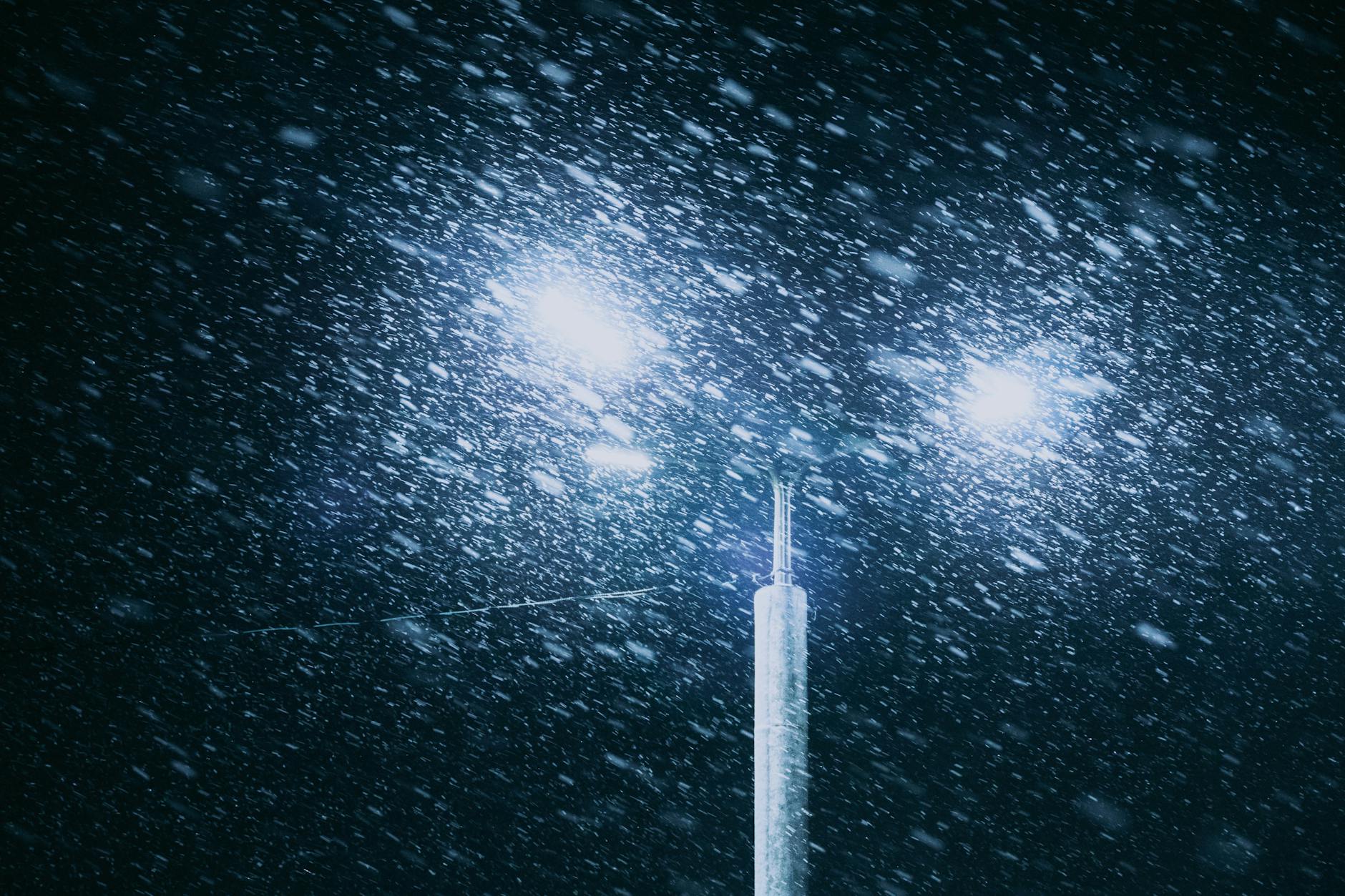
The Blizzard of 2026 slammed the Northeastern United States from February 22 to 24, dumping up to 41 inches of snow in Fall River, Massachusetts, producing hurricane-force wind gusts of 84 mph at Montauk Point, New York, and forcing seven states to declare states of emergency. The bomb cyclone, unofficially dubbed Winter Storm Hernando, was the strongest blizzard to hit the region in a decade, drawing immediate comparisons to the historic Blizzard of 1978. More than 40 million people across eight states found themselves under blizzard warnings at the storm’s peak, and the damage was staggering: over 644,000 customers lost power, more than 10,000 flights were canceled outright, and at least two people were killed in Maryland when a falling tree struck their vehicle.
Beyond the raw numbers, the storm exposed familiar vulnerabilities in infrastructure, emergency preparedness, and government coordination that affect millions of Americans every winter. This article breaks down the record-shattering snowfall totals, the emergency declarations and travel bans across seven states, the massive flight disruptions, the power outage crisis, and the economic fallout that local governments are still grappling with. For anyone living in the Northeast or planning travel through the region, the Blizzard of 2026 is a case study in what happens when a once-in-a-generation storm meets aging power grids and overstretched municipal budgets.
Table of Contents
- How Did the Blizzard of 2026 Shatter Snowfall Records Across Seven States?
- Which States Declared Emergencies, and What Did That Actually Mean for Residents?
- The Flight Cancellation Crisis — Over 10,000 Flights Grounded
- Power Outages — Why 644,000 Customers Lost Power and What Went Wrong
- The Human Cost — Deaths, Injuries, and Vulnerable Populations
- Economic Fallout — Snow Removal Costs Straining Local Budgets
- What the Blizzard of 2026 Tells Us About Future Winter Storms
- Conclusion
- Frequently Asked Questions
How Did the Blizzard of 2026 Shatter Snowfall Records Across Seven States?
The snowfall totals from the blizzard of 2026 were not just impressive — they rewrote the record books. Fall River, Massachusetts led the region with an astonishing 41 inches of accumulation. Providence, Rhode Island recorded 37.1 inches, obliterating the city’s all-time storm record. At T.F. Green Airport in Warwick, Rhode Island, the 37.9-inch total shattered the previous all-time storm record of 28.6 inches, a mark that had stood since the legendary Blizzard of 1978 — nearly half a century. The fact that the old record was beaten by more than nine inches tells you this was not a marginal event. Further south and west, the numbers were still punishing. Connecticut saw up to 30.8 inches.
New Jersey recorded 30.7 inches. New York state tallied up to 31 inches, with Islip on Long Island buried under 29.1 inches. Pennsylvania took up to 22.1 inches, Delaware got 21 inches, Maryland saw 16 inches, and Virginia received up to 14 inches. For context, the National Weather Service considers anything above 12 inches in 12 hours or 18 inches in 24 hours to be an extreme snowfall event. Multiple locations blew past those thresholds before the storm was even halfway done. What made this storm particularly dangerous was the combination of heavy, wet snow and sustained high winds. This was not fluffy powder — it was the kind of dense, heavy accumulation that brings down trees, snaps power lines, and collapses older roofs. That combination is what separates a bad snowstorm from a genuine disaster.
Which States Declared Emergencies, and What Did That Actually Mean for Residents?
Seven states declared states of emergency in response to the blizzard, a move that unlocks National Guard resources, suspends certain regulations to speed up disaster response, and gives governors broader authority to impose travel bans and mandatory evacuations. New York’s Governor Kathy Hochul was among the first to act, declaring an emergency for 22 counties on February 21, before the worst of the storm had even arrived. Connecticut Governor Ned Lamont followed the same day. New Jersey Governor Mike Sherrill declared a statewide emergency covering all 21 counties at noon on Sunday. Massachusetts Governor Maura Healey and Rhode Island Governor Dan McKee both declared emergencies on February 22, with Rhode Island going a step further by enacting a full travel ban to clear roads for emergency vehicles and plows. Pennsylvania declared its own emergency with commercial vehicle bans on major highways, and Delaware rounded out the seven-state count.
The travel restrictions were not optional suggestions. Rhode Island’s full travel ban meant that anyone caught driving non-emergency vehicles could face fines or arrest. New York State reported over 200 crashes during the storm despite the warnings, which underscores a persistent problem: a significant number of people ignore travel bans until conditions become life-threatening. However, an emergency declaration is not a magic wand. It does not instantly restore power, clear every road, or prevent every death. The two fatalities in Calvert County, Maryland — where a tree crushed a vehicle on Sunday — happened despite the emergency declaration being in effect. Emergency declarations are a necessary legal and logistical framework, but they cannot override the physics of a storm dumping three feet of snow while winds gust past 80 mph.
The Flight Cancellation Crisis — Over 10,000 Flights Grounded
The Blizzard of 2026 produced the single largest two-day flight cancellation event of the 2026 travel season. More than 19,000 flights were disrupted — meaning delays, diversions, or cancellations — for flights within, into, or out of the United States. Of those, 10,458 flights were canceled outright. Major hubs including JFK, LaGuardia, Newark, Boston Logan, and Philadelphia International were effectively shut down for extended periods. The ripple effects spread far beyond the Northeast, as connecting flights through those hubs were scrubbed across the country. For travelers, the practical impact was brutal.
Rebooking during a system-wide disruption of this magnitude often means waiting days, not hours, for available seats. Under current Department of Transportation rules, airlines are required to offer refunds for canceled flights, but the rebooking process during mass cancellations remains chaotic. Passengers who booked through third-party sites often found themselves at the back of the line. Those with travel insurance that covered weather-related cancellations fared better, but the majority of domestic leisure travelers do not carry such coverage. The airline industry has invested heavily in de-icing equipment and winter operations over the past decade, but no amount of preparation can keep runways open when visibility drops to near zero and wind gusts hit 84 mph. The real question going forward is whether airlines and airports will invest in faster recovery protocols to reduce the multi-day cascading delays that turn a two-day storm into a week-long travel nightmare.

Power Outages — Why 644,000 Customers Lost Power and What Went Wrong
By Monday afternoon, PowerOutage.US reported that 644,062 customers were without electricity across the affected states. Massachusetts was the hardest hit, with more than 250,000 customers still in the dark early Tuesday — well after the storm had moved out. New Jersey reported the second-largest outage totals. The culprit was the familiar one-two punch: heavy, wet snow loading down tree limbs and power lines, combined with hurricane-force wind gusts that snapped poles and tore cables from utility mounts. The outage numbers deserve some context. A “customer” in utility reporting typically means a metered account, which can be a household of one or a household of five.
So 644,062 customers without power likely translates to well over a million people sitting in unheated homes during a winter storm. For elderly residents, people on home medical equipment, and families with young children, extended outages in sub-freezing temperatures are genuinely life-threatening. The tradeoff that communities face is a familiar one: burying power lines underground virtually eliminates weather-related outages but costs roughly $1 million per mile compared to about $150,000 per mile for overhead lines. Most municipalities cannot afford wholesale undergrounding, so they rely on aggressive tree-trimming programs and faster restoration crews instead. But those measures have diminishing returns during a storm of this magnitude. When hundreds of miles of lines go down simultaneously, there simply are not enough crews to restore power quickly, no matter how well utilities prepare.
The Human Cost — Deaths, Injuries, and Vulnerable Populations
At least two people were killed during the Blizzard of 2026 when a falling tree struck their vehicle in Calvert County, Maryland on Sunday. Another person in the same incident was seriously injured. Additional fatalities were reported across the region as the full scope of the storm’s impact became clear. Winter storms are consistently among the deadliest weather events in the United States, and the causes of death extend well beyond the storm itself — carbon monoxide poisoning from generators and gas stoves used for heat, heart attacks from shoveling heavy snow, hypothermia during extended power outages, and vehicle accidents on untreated roads. One critical limitation of emergency response during a storm of this scale is the inability to reach people who need help.
When roads are impassable and visibility is near zero, ambulances, fire trucks, and utility crews cannot respond to calls. Rhode Island’s full travel ban was partly designed to keep roads clear for exactly this reason, but even with a ban in place, drifting snow can close a road minutes after it has been plowed. The people most at risk during these events are those who are least visible to emergency services: elderly residents living alone, people without access to backup heating, and those in rural areas where plowing is lowest priority. The warning for future storms is straightforward: if you live in a region prone to nor’easters, a 72-hour emergency kit with food, water, medications, batteries, and a way to stay warm without electricity is not optional. It is the bare minimum. The Blizzard of 2026 reinforced that lesson at scale.
📨 Get Free Accountability Coverage Alerts
Free · No spam · Unsubscribe anytime
Economic Fallout — Snow Removal Costs Straining Local Budgets
The economic impact of the Blizzard of 2026 extends far beyond the immediate damage. Local budgets in Rhode Island and Massachusetts were particularly strained by the massive snow removal costs that come with clearing three feet of snow from thousands of miles of roads. Municipal snow removal budgets are typically calibrated for an average winter — overtime pay for plow drivers, fuel costs, salt and sand purchases, and equipment maintenance. A single storm that dumps 37 inches of snow can consume an entire season’s budget in 48 hours.
When that happens, cities and towns must either pull funding from other departments, seek state or federal disaster relief, or take on debt. Smaller municipalities without deep reserves get hit hardest. In the aftermath of the 1978 blizzard, federal disaster relief took months to arrive, and many communities were forced to defer road repairs and other infrastructure spending for years. Whether the federal response to the 2026 storm will be faster remains to be seen, but local officials across New England are already raising alarms about the fiscal hole this storm has created.
What the Blizzard of 2026 Tells Us About Future Winter Storms
Meteorologists compared the Blizzard of 2026 to the Blizzard of 1978, and the comparison is instructive. The 1978 storm killed over 100 people along the East Coast and led to sweeping changes in emergency preparedness, building codes, and weather forecasting. The 2026 storm produced even more snow in several locations but, so far, a significantly lower death toll — a testament to improved forecasting, better communication of warnings, and more aggressive emergency declarations. The National Weather Service gave the public several days of advance warning, and most governors acted before the heaviest snow began. But the storm also revealed that infrastructure has not kept pace with the increasing intensity of extreme weather events.
Power grids remain vulnerable to the same failure modes they faced in 1978. Municipal budgets are not built to absorb catastrophic snow removal costs. And air travel still grinds to a complete halt during major storms with no rapid recovery mechanism. If climate patterns continue to produce more intense nor’easters — and the meteorological evidence suggests they will — then the policy conversation needs to shift from emergency response to systemic resilience. The Blizzard of 2026 was a warning. The question is whether anyone in a position to act will treat it as one.
Conclusion
The Blizzard of 2026 was a historic storm by any measure: 41 inches of snow in Fall River, 37.9 inches at T.F. Green Airport shattering a 48-year-old record, 84 mph winds at Montauk Point, seven states declaring emergencies, more than 644,000 customers without power, over 10,000 flights canceled, and at least two people killed. For the more than 40 million people who lived through it, the storm was a visceral reminder of what a major nor’easter can do to daily life across the most densely populated corridor in the country. The policy takeaways are clear. Power grid resilience needs sustained investment, not just post-storm promises.
Municipal emergency budgets need contingency funding for catastrophic events. Airlines need better recovery protocols for mass cancellation events. And individuals need to take personal preparedness seriously — 72 hours of self-sufficiency is the minimum standard for any household in the Northeast. The Blizzard of 1978 led to real changes. Whether the Blizzard of 2026 does the same depends on whether the political will exists to spend money on prevention rather than waiting for the next disaster.
Frequently Asked Questions
How does the Blizzard of 2026 compare to the Blizzard of 1978?
The 2026 storm produced more snow in several key locations. Providence, Rhode Island received 37.1 inches compared to the 1978 record of 28.6 inches at T.F. Green Airport. However, the 1978 blizzard killed over 100 people along the East Coast, while the 2026 death toll was significantly lower, largely due to improved forecasting and earlier emergency declarations.
How many flights were canceled during the Blizzard of 2026?
A total of 10,458 flights were canceled outright over the two-day period, making it the single largest flight cancellation event of the 2026 travel season. Over 19,000 flights were disrupted in total, including delays and diversions.
Which state received the most snow during the Blizzard of 2026?
Massachusetts led with 41 inches in Fall River. Rhode Island was close behind with 37.9 inches at T.F. Green Airport in Warwick and 37.1 inches in Providence, both of which shattered all-time storm records.
How many people lost power during the storm?
Over 644,062 customers lost power across the affected states. Massachusetts was the hardest hit with more than 250,000 customers still without electricity early Tuesday. Since each “customer” represents a metered account, the actual number of people affected was likely well over one million.
Did the federal government issue a disaster declaration for the Blizzard of 2026?
Seven states declared their own states of emergency. Federal disaster relief discussions were ongoing in the storm’s aftermath, but the speed and scope of any federal response had not been fully determined as of the days immediately following the storm.
You Might Also Like
- Updated Blizzard Forecast for NYC: Up to 28 Inches…Travel Ban Issued…5,000 Sanitation Workers
- RFK Jr. Fired Every Vaccine Expert…CDC Dropped 7 Childhood Vaccines…15 States Now Suing
- Northeast Just Got Hit by the Worst Blizzard in 46 Years…What 40 Million People Are Facing