
Bill Gates abruptly canceled his scheduled keynote address at India’s AI Summit on February 18, 2026, just hours before he was due to take the stage — a dramatic withdrawal that came as newly released Department of Justice files containing roughly 3 million Epstein-related documents cast a harsh spotlight on the billionaire’s past associations. The cancellation, paired with the surfacing of draft emails Epstein apparently wrote to himself alleging he facilitated sexual encounters for Gates, has triggered a cascading political and legal reckoning. House Oversight Committee Chairman James Comer has formally asked Gates and six others to provide transcribed interviews about their dealings with Jeffrey Epstein, and Rep. Nancy Mace has demanded Gates testify under oath.
A congressional subpoena remains, in Comer’s words, something he is “not ruling out.” The Gates Foundation attempted to frame the India withdrawal as a gesture of deference, stating that “after careful consideration, and to ensure the focus remains on the AI Summit’s key priorities, Mr. Gates will not be delivering his keynote address.” But the timing told a different story. Days earlier, the foundation had publicly dismissed rumors of Gates’s absence and insisted he was on track to attend. The replacement speaker was Ankur Vora, the foundation’s President of Africa and India Offices — a capable executive, but not the headliner India’s government had been promised. This article examines the DOJ document release that set this chain of events in motion, the specific allegations in the Epstein emails, Gates’s own admissions at a foundation town hall, and what the looming congressional testimony on May 19, 2026 could mean for Gates and for broader accountability in the Epstein case.
Table of Contents
- Why Did Bill Gates Cancel His India AI Summit Keynote as Epstein Emails Surfaced?
- What Do the Epstein Files Actually Contain About Bill Gates?
- Gates Admits to Affairs and Calls Epstein Association a “Huge Mistake”
- Congressional Testimony — What Happens on May 19, 2026?
- The Broader Epstein Accountability Question and Its Limitations
- What the DOJ’s Next Document Releases Could Change
- What This Means for Public Trust and Accountability Going Forward
- Conclusion
- Frequently Asked Questions
Why Did Bill Gates Cancel His India AI Summit Keynote as Epstein Emails Surfaced?
The short answer is that no amount of foundation messaging could separate the keynote from the scandal. The DOJ’s late January 2026 release of approximately 3 million documents and photographs related to Jeffrey Epstein included two draft emails that Epstein appeared to have written to himself. In those emails, Epstein made unverified claims that he had facilitated sexual encounters for Gates and helped him obtain medication to treat a sexually transmitted infection allegedly contracted from “sex with Russian girls.” Epstein further claimed Gates wanted to secretly give the medication to his then-wife, Melinda French Gates. A spokesperson for Gates called these allegations “absolutely absurd and completely false.” But the denials did not stop the fallout. India’s AI Summit, scheduled for February 18-19, 2026, was supposed to be a high-profile platform for Gates to discuss technology and development.
Instead, it became a liability. Al Jazeera’s headline — “Epstein’s shadow: Why Bill Gates pulled out of Modi’s AI Summit” — captured the global media framing that the foundation was desperate to avoid. By pulling out, Gates avoided a scenario where every press question would be about Epstein rather than artificial intelligence, but the withdrawal itself became the story. For a figure who has spent decades cultivating a public image as a philanthropic technologist, the India cancellation marked a visible crack in that reputation management.

What Do the Epstein Files Actually Contain About Bill Gates?
The DOJ’s document release was the largest single batch of epstein-related materials ever made public. Among the 3 million documents and photos were the two draft emails that generated the most headlines. It is important to note that these were emails Epstein appeared to have written to himself — not correspondence with Gates or anyone else. Their evidentiary value is therefore limited. Epstein was known to collect information, real or fabricated, about powerful people as leverage. The claims in these emails remain unverified, and Gates has categorically denied them.
However, the files did not exist in a vacuum. Other figures facing new scrutiny from the release include Elon Musk, Howard Lutnick, and Leon Black — a reminder that the Epstein network touched multiple spheres of wealth and influence. The sheer volume of the release means investigative journalists, congressional staff, and the public are still combing through materials months later. The DOJ has indicated it plans to release additional batches “fairly soon” as of early March 2026. If subsequent releases contain more substantive evidence — actual correspondence, financial records, or witness statements — the calculus for Gates and others could shift significantly. For now, the most damaging material is reputational rather than legal, but the investigation is far from closed.
Gates Admits to Affairs and Calls Epstein Association a “Huge Mistake”
On February 25, 2026, roughly a week after the India withdrawal, Gates held a town hall meeting with Gates Foundation staff. According to reports from CNBC and NBC News, Gates admitted to two extramarital affairs — one with a Russian bridge player and one with a Russian nuclear physicist. He also acknowledged that his associate Boris Nikolic had discussed those relationships with Epstein. Gates described his association with Epstein as a “huge mistake” and said he “regrets every minute” spent with the financier. The town hall admissions were significant for several reasons.
First, they represented the most candid public accounting Gates has offered about his personal conduct and its intersection with Epstein. Previous statements had been carefully lawyered denials. Second, the admission that Nikolic had discussed Gates’s personal relationships with Epstein gives the draft emails at least a thread of contextual plausibility, even if the specific claims in those emails remain unverified. Melinda French Gates, for her part, reacted publicly to the new details in early February 2026, though she has not disclosed the full substance of her response. The divorce, finalized in 2021, has taken on new dimensions as each document release adds context to what Melinda may have known or suspected during the marriage.

Congressional Testimony — What Happens on May 19, 2026?
Gates is directed to appear for an in-person transcribed interview before the House Oversight Committee on May 19, 2026, at 10 a.m. He was among seven individuals formally asked to testify, a list that also includes Goldman Sachs’ top lawyer Kathryn Ruemmler and financier Leon Black. Gates moved quickly to agree to voluntary testimony — his spokesperson stated that “Gates welcomes the opportunity to appear before the Committee.” That voluntary compliance may make a formal subpoena unnecessary, though Comer has been clear that he is “not ruling out” subpoenaing Gates if cooperation proves insufficient. The distinction between a voluntary transcribed interview and subpoenaed testimony matters.
A voluntary interview is still conducted under penalty of perjury if the witness is sworn in, but it carries less political drama than a subpoena fight. For Gates, agreeing quickly was likely a strategic decision to avoid the optics of resistance. The push for a subpoena had gained bipartisan support — an unusual alignment in a deeply polarized Congress — suggesting that stonewalling would have been politically untenable. The tradeoff for Gates is that voluntary cooperation projects confidence but also commits him to answering questions on the record. If the DOJ’s forthcoming document releases contain material that contradicts his testimony, the legal exposure increases substantially.
The Broader Epstein Accountability Question and Its Limitations
The Gates saga is the most prominent thread in the post-file-release accountability push, but it is not the only one. The inclusion of Elon Musk, Howard Lutnick, and Leon Black in the scrutiny underscores that the Epstein network implicated figures across political and ideological lines. This is not a partisan story, however much various factions may try to weaponize it. The bipartisan support for subpoena authority in the House Oversight Committee reflects a rare consensus that the public deserves answers. That said, there are real limitations to what congressional testimony can achieve.
Transcribed interviews are not criminal proceedings. Witnesses can invoke Fifth Amendment protections, and the committee’s enforcement mechanisms for evasive answers are limited. If the goal is criminal accountability for anyone who participated in or enabled Epstein’s crimes, that responsibility falls to the DOJ and state prosecutors, not Congress. The committee hearings are better understood as a mechanism for public disclosure and political pressure. They can force information into the open, create a record, and generate referrals — but they cannot put anyone in prison. Observers hoping for a definitive resolution on May 19 should calibrate their expectations accordingly.
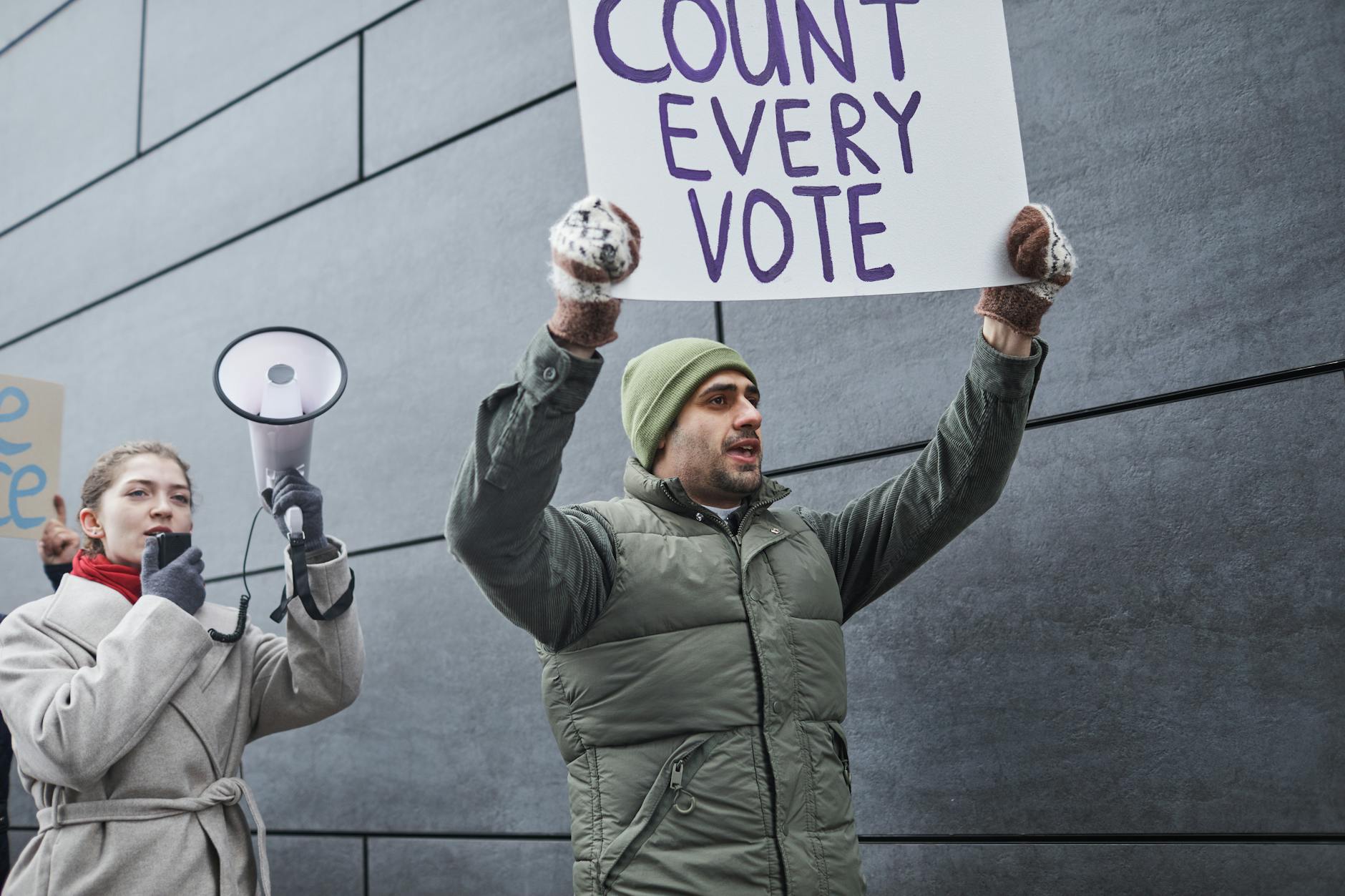
What the DOJ’s Next Document Releases Could Change
The DOJ has signaled that additional batches of Epstein documents will be released “fairly soon” as of early March 2026. The timing matters enormously. If significant new materials become public before Gates’s May 19 testimony, committee members will have fresh ammunition for their questioning. If the releases come after, Gates may have already locked in a narrative that subsequent documents could complicate.
📨 Get Free Accountability Coverage Alerts
Free · No spam · Unsubscribe anytime
For the public and for journalists, each batch represents an opportunity to cross-reference claims against evidence. The draft emails Epstein wrote to himself are, standing alone, the unverified assertions of a convicted sex trafficker. But if financial records, travel logs, or third-party communications corroborate any portion of those claims, the story changes. Conversely, if no corroboration emerges across millions of documents, that absence is itself informative. The volume of the release — 3 million documents and counting — means the full picture will take months or years to assemble.
What This Means for Public Trust and Accountability Going Forward
The Gates-Epstein story is ultimately a stress test for institutional accountability. A billionaire philanthropist’s reputation, a congressional committee’s investigative reach, and the DOJ’s willingness to release politically sensitive materials are all being tested simultaneously. The outcome will shape how the public views not just Gates but the broader question of whether wealth insulates powerful people from consequences.
Gates’s willingness to testify voluntarily is a notable data point. Whether it reflects genuine confidence in his innocence or a calculated bet that cooperation is less damaging than resistance, it sets a precedent. If other figures named in the files follow suit, the committee’s work could produce a meaningful public record. If they do not, the subpoena question — and the political will behind it — becomes the central story of the Epstein investigation’s next chapter.
Conclusion
Bill Gates’s canceled keynote in India, his admissions at the Gates Foundation town hall, and his agreement to testify before the House Oversight Committee on May 19, 2026, represent a rapid unraveling of decades of carefully managed public image. The DOJ’s release of approximately 3 million Epstein-related documents — with more batches forthcoming — has created a factual record that no amount of spokesperson statements can fully control. The unverified Epstein emails, Gates’s confirmed affairs, and the bipartisan congressional appetite for answers have converged into what may be the most consequential accountability moment in the long Epstein aftermath.
For readers following this story, the key dates to watch are May 19, 2026, when Gates is scheduled to testify, and whenever the DOJ releases its next batch of documents. The facts currently in the public record are a mix of verified admissions and unverified allegations, and that distinction matters. What is not in dispute is that Gates maintained a relationship with a convicted sex offender, that he now calls it a “huge mistake,” and that Congress intends to ask him about it under oath. The rest — what he knew, when he knew it, and what he did — is what the testimony and the documents will either clarify or further complicate.
Frequently Asked Questions
What did the Epstein emails say about Bill Gates?
Two draft emails Epstein appeared to have written to himself contained unverified claims that he facilitated sexual encounters for Gates and helped him obtain STI medication. Gates’s spokesperson called these claims “absolutely absurd and completely false.” It is important to note these were not emails exchanged with Gates — they were Epstein’s own drafts, and their accuracy has not been established.
Why did Bill Gates cancel his India AI Summit keynote?
Gates withdrew from the keynote at India’s AI Summit on approximately February 18, 2026, just hours before he was scheduled to speak. The Gates Foundation said the decision was made “to ensure the focus remains on the AI Summit’s key priorities.” The cancellation came amid intense media scrutiny following the DOJ’s release of Epstein-related documents.
Will Bill Gates be subpoenaed by Congress?
Gates has agreed to voluntary testimony before the House Oversight Committee, scheduled for May 19, 2026 at 10 a.m. His voluntary compliance may make a formal subpoena unnecessary, but Chairman James Comer has stated he is “not ruling out” a subpoena if cooperation proves insufficient. The subpoena push has gained bipartisan support in Congress.
What did Bill Gates admit at the Gates Foundation town hall?
At a February 25, 2026 town hall, Gates admitted to two affairs — one with a Russian bridge player and one with a Russian nuclear physicist. He acknowledged that his associate Boris Nikolic had discussed those relationships with Epstein. Gates called his Epstein association a “huge mistake” and said he “regrets every minute” spent with Epstein.
Who else is facing scrutiny from the Epstein files?
Beyond Gates, figures facing new scrutiny include Elon Musk, Howard Lutnick, and Leon Black. Seven individuals total were asked to testify before the House Oversight Committee, including Goldman Sachs’ top lawyer Kathryn Ruemmler and Leon Black.
Will the DOJ release more Epstein documents?
Yes. As of early March 2026, the DOJ indicated it plans to release additional batches of Epstein documents “fairly soon.” The initial release contained approximately 3 million documents and photos, and further releases could contain additional evidence relevant to ongoing investigations and congressional inquiries.
You Might Also Like
- Trump’s Pick for Surgeon General Said “Science Is Never Settled”…Two Children Have Already Died of Measles in Texas So Far
- Trump’s America: 6 Justices Against Him, $130 Billion in Tariff Revenue Struck Down…Supreme Court Decision
- Trump’s America: 151 Killed, 44 Strikes on Drug Boats…Maritime Bombing Campaign Escalates