
The killing of Nemesio “El Mencho” Oseguera Cervantes on February 22, 2026, triggered one of the most violent cartel reprisals Mexico has seen in years. Within hours of the Mexican Army operation in Tapalpa, Jalisco, that left the 59-year-old Jalisco New Generation Cartel leader and six associates dead, more than 250 roadblocks were erected across 20 states, 25 National Guard troops were killed in six separate attacks, and convenience stores and gas stations were set ablaze across half a dozen states. The total death toll from the operation and its aftermath exceeded 70 people, according to Mexican authorities. The backlash was not random.
The defense ministry identified a senior CJNG figure known as “El Tuli” as the coordinator of the retaliatory violence, who went so far as to offer a bounty of 20,000 pesos — roughly $1,100 — per killed soldier. Guadalajara, Mexico’s second-largest city, became a ghost town by Sunday night. Airlines canceled flights to Puerto Vallarta, schools closed across several states, and foreign governments issued shelter-in-place warnings to their citizens. This article examines how the operation unfolded, the scale of the cartel’s response, the killing of El Tuli, the impact on daily life and travel, the succession question now facing CJNG, and what it all means heading into the 2026 FIFA World Cup.
Table of Contents
- How Did Mexico’s Military Operation Kill El Mencho, and What Sparked the Cartel Backlash?
- What Was the Full Scale of Violence and How Many People Died?
- Who Was El Tuli, and How Did the Military Respond to the Bounty on Soldiers?
- How Did the Violence Affect Travel, Schools, and Daily Life in Mexico?
- Who Succeeds El Mencho, and Could CJNG Splinter Into Rival Factions?
- What Does This Mean for the 2026 FIFA World Cup in Guadalajara?
- U.S. Involvement and the Broader Policy Questions
- Conclusion
- Frequently Asked Questions
How Did Mexico’s Military Operation Kill El Mencho, and What Sparked the Cartel Backlash?
The raid that ended El Mencho’s decades-long reign atop one of the world’s most powerful drug trafficking organizations was the product of patient intelligence work. Military intelligence had been tracking a trusted associate connected to one of Oseguera’s romantic partners. On February 20, data indicated the partner had been transported to a secluded rural property in the mountainous region around Tapalpa, Jalisco. The U.S. Joint Interagency Task Force-Counter Cartel, known as JITC-CC, provided intelligence support in planning the mission. Two days later, Mexican Army forces moved in. Oseguera was wounded during the raid but was not killed on the spot.
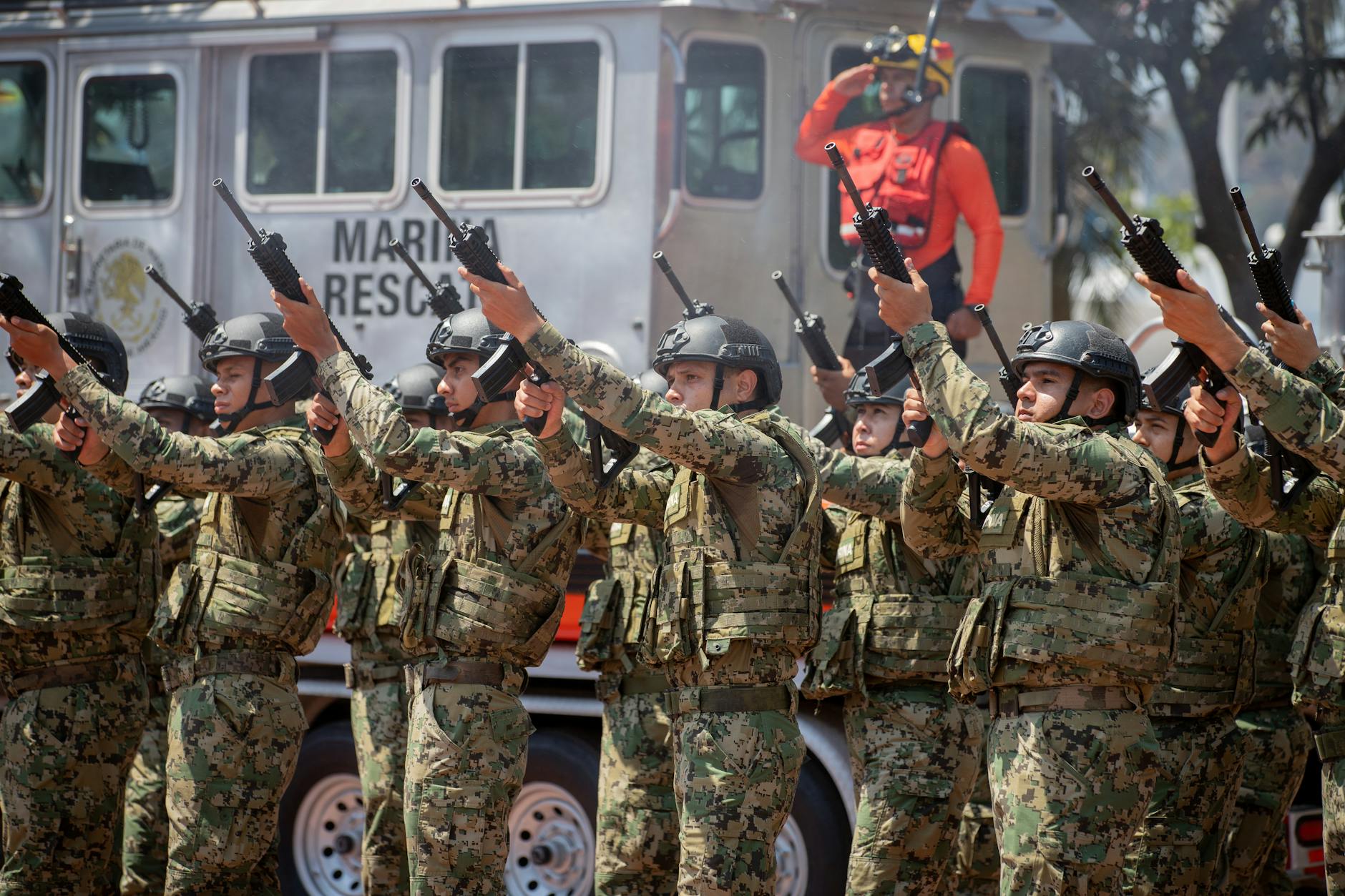
He died while being airlifted to Mexico City, according to the Mexican Defense Department. Six other individuals were killed at the scene. The operation itself was surgical, but what followed was anything but. Within hours, CJNG foot soldiers and associates began hijacking trucks and buses, setting them on fire to block highways across the country. Convenience stores and petrol stations were torched in Jalisco, Colima, Michoacán, Nayarit, Guanajuato, and Tamaulipas. The speed and geographic breadth of the response made clear that the cartel had contingency plans for exactly this scenario. The violence was not a spontaneous outpouring of grief. It was an organized military-style campaign designed to overwhelm security forces and demonstrate that CJNG could still project power even without its leader. The distinction matters because it speaks to the institutional capacity of modern Mexican cartels — they are not personality cults that collapse when a leader falls. They are organizations with command structures, logistics networks, and pre-planned escalation protocols.
What Was the Full Scale of Violence and How Many People Died?
The numbers are staggering even by the grim standards of Mexico’s drug war. Mexican authorities confirmed that total deaths exceeded 70 when combining the Tapalpa operation with the subsequent wave of retaliatory violence. In Jalisco alone, 25 National Guard troops were killed across six separate attacks — a casualty figure that underscores just how coordinated the cartel’s response was. Roughly 30 suspected cartel members were killed in Jalisco, with four more in the neighboring state of Michoacán. At least three other deaths were confirmed: a Jalisco state prosecutor’s office agent, a jail guard, and a civilian woman. The roadblock campaign — known in Mexico as “narcobloqueos” — reached a peak of more than 250 blockades across 20 of Mexico’s 32 states. Hijacked trucks, buses, and passenger vehicles were set ablaze on major highways, effectively paralyzing commerce and travel across large sections of the country.
By Sunday, the number had dropped to 85 roadblocks across 11 states, but the disruption was already severe. It is worth noting, however, that these figures come from official government statements, and the actual toll may be higher. Independent monitoring groups and journalists in conflict zones have historically documented casualties that government tallies miss, particularly among civilians in rural areas where reporting infrastructure is thin. The geographic reach of the violence is what sets this event apart from previous cartel reprisals. Past incidents of narcobloqueos have generally been concentrated in a single state or region. The fact that CJNG was able to simultaneously coordinate blockades and attacks across 20 states speaks to the cartel’s national footprint and its ability to mobilize operatives far from its home base in Jalisco.
Who Was El Tuli, and How Did the Military Respond to the Bounty on Soldiers?
The defense ministry identified the coordinator of the retaliation campaign as a senior CJNG figure operating under the alias “El Tuli.” His role was not merely logistical — he actively incentivized the killing of security forces by offering a bounty of 20,000 pesos, approximately $1,100, for each soldier killed. In a country where the minimum wage for many workers hovers around $15 per day, that bounty represents roughly two and a half months of income, a powerful motivator for young men in economically marginalized areas who may already have loose ties to cartel networks. The bounty offer turned what might have been a period of chaotic but unfocused violence into something more targeted and lethal.
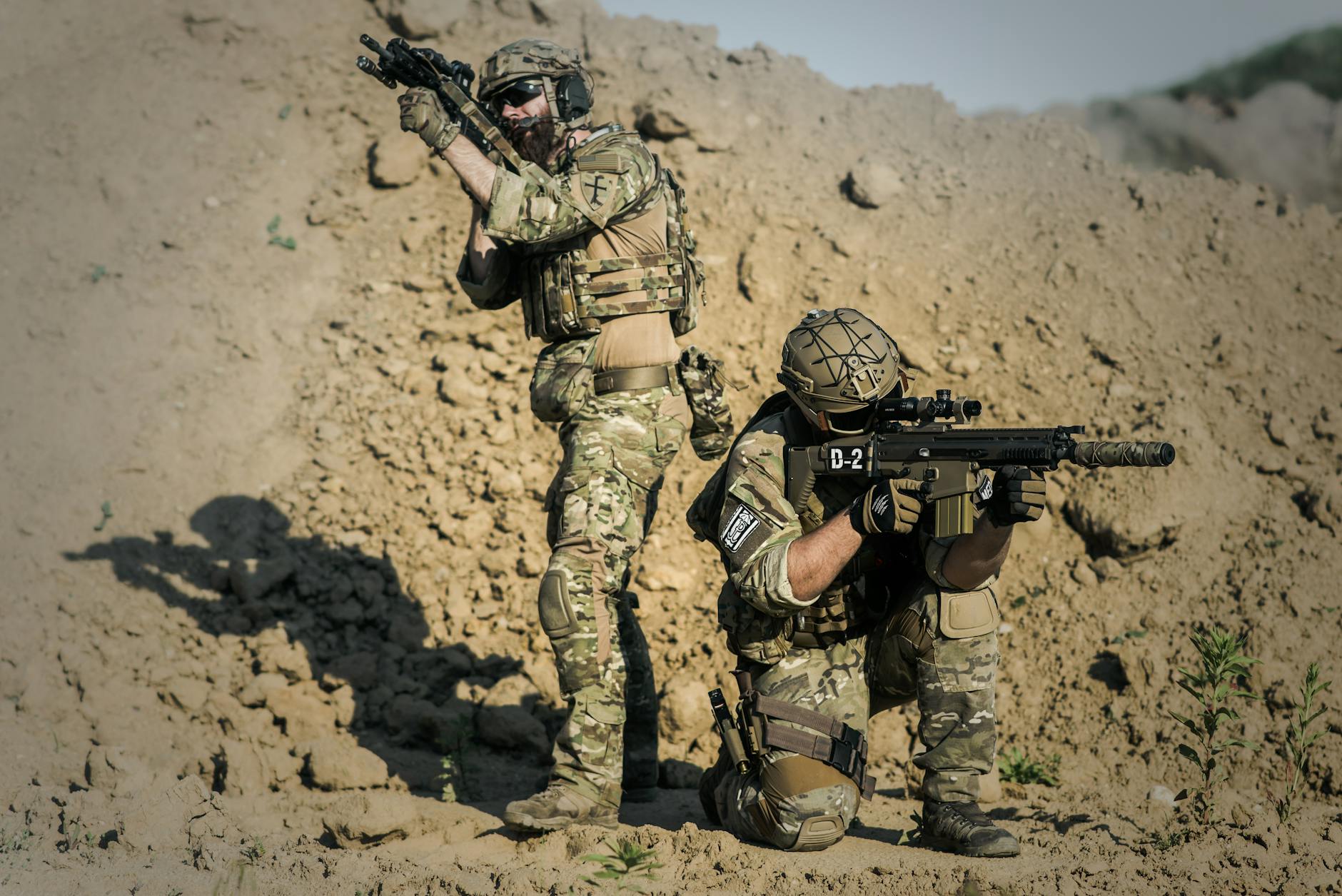
The six separate attacks on National Guard positions in Jalisco bear the hallmarks of coordinated strikes rather than opportunistic skirmishes. Mexican security forces responded by tracking El Tuli to the town of El Grullo, where he was killed while attempting to flee. His death removed the immediate coordinator of the violence, but it also reinforced a troubling pattern: the cycle of high-value target elimination followed by violent reprisal followed by further military operations, with civilians caught in the middle at every stage. The speed with which authorities located and killed El Tuli suggests that intelligence assets were already in place monitoring the CJNG command structure. That is both reassuring — it means the government was not caught entirely flat-footed — and unsettling, because it raises the question of why such intelligence could not have been used to prevent the retaliatory attacks rather than respond to them after 25 soldiers and multiple civilians were already dead.
How Did the Violence Affect Travel, Schools, and Daily Life in Mexico?
For ordinary Mexicans and foreign visitors, the cartel backlash was not an abstract security event — it was an immediate disruption to daily life. Guadalajara, a metropolitan area of roughly five million people and the capital of Jalisco, was described as a ghost town on Sunday night. Streets emptied, businesses shuttered, and residents stayed indoors. Several states canceled school on Monday, affecting millions of students and their families. Foreign governments, including the United States, issued shelter-in-place warnings to their citizens. The airline response was swift.
Southwest, Alaska, and Delta Airlines all canceled flights to and from Puerto Vallarta, one of Mexico’s most popular beach resort destinations, and issued travel waivers allowing passengers to rebook without fees. For a tourism-dependent economy like Mexico’s, the ripple effects of flight cancellations extend far beyond the immediate disruption. Hotels lose bookings, tour operators lose revenue, and local vendors who depend on tourist traffic lose income. The reputational damage compounds over time, as potential visitors weigh the risk of future trips. President Claudia Sheinbaum said Monday that “virtually all activity has been restored,” a statement that was technically accurate — roadblocks were being cleared and flights were resuming — but that glossed over the deeper damage. Restoration of activity is not the same as restoration of confidence. The question for Mexico is not whether highways can be reopened and flights rescheduled, but whether the government can credibly promise that this kind of nationwide paralysis will not happen again.
Who Succeeds El Mencho, and Could CJNG Splinter Into Rival Factions?
The succession question is where the situation gets genuinely dangerous. Analysts point to El Mencho’s stepson, Juan Carlos González Valencia, as the most likely candidate to assume leadership of CJNG. But there is no guarantee he can hold the organization together. El Mencho built the cartel through a combination of ruthless violence and personal loyalty networks that may not transfer to a successor who lacks his reputation and relationships. If González Valencia cannot consolidate control, analysts warn that four to six regional commanders could splinter off into independent criminal fiefdoms. This is not a hypothetical concern — it is exactly what happened after the Zetas cartel lost its leadership in the early 2010s, and the fragmentation led to an increase in violence, not a decrease.
Smaller groups competing for territory, drug routes, and extortion revenue tend to fight more aggressively than a single dominant cartel that has already established control. For the communities caught in these territorial disputes, fragmentation is the worst-case scenario. There is also a grim irony in the “kingpin strategy” that both the U.S. and Mexican governments have pursued for decades. Removing the head of a cartel is tactically satisfying and makes for good headlines, but the historical record shows that decapitation strikes frequently make the security situation worse in the short to medium term. The violence following El Mencho’s death is not an anomaly — it is the predictable consequence of a strategy that prioritizes high-value targets over structural disruption of cartel logistics, finances, and recruitment pipelines.

What Does This Mean for the 2026 FIFA World Cup in Guadalajara?
The timing of El Mencho’s killing and the subsequent violence has cast a shadow over Mexico’s preparations for the 2026 FIFA World Cup. Guadalajara is scheduled to host four matches in June, with an estimated three million visitors expected in the region. The images of a deserted Guadalajara, burning roadblocks, and canceled flights are exactly the kind of coverage that FIFA, Mexican tourism authorities, and the Sheinbaum administration hoped to avoid in the months leading up to the tournament.
📨 Get Free Accountability Coverage Alerts
Free · No spam · Unsubscribe anytime
Security planning for the World Cup was already extensive, but the CJNG backlash has exposed gaps that no amount of pre-event policing can easily fill. A cartel that can erect 250 roadblocks across 20 states in a matter of hours has demonstrated a capacity for disruption that stadium security and VIP protection details are not designed to address. Mexican and international security officials will now need to contend with the possibility that a future cartel provocation — whether succession-related violence, a government operation, or a deliberate attempt to embarrass authorities on the world stage — could coincide with the tournament itself.
U.S. Involvement and the Broader Policy Questions
U.S. Deputy Secretary of State Christopher Landau called El Mencho “one of the bloodiest and most ruthless drug kingpins,” and the JITC-CC’s role in providing intelligence support for the operation confirms that the United States was an active partner in the mission. This raises policy questions that extend well beyond the immediate tactical success. The U.S.
has invested heavily in counter-cartel cooperation with Mexico for decades, and the fentanyl crisis has only intensified the pressure for visible results. But visible results are not the same as durable results. If CJNG fragments and the violence escalates, the U.S. will face difficult questions about whether its intelligence support contributed to a net increase in instability south of the border — instability that drives migration, fuels drug trafficking along alternative routes, and creates the very chaos that counter-narcotics policy is supposed to prevent. The killing of El Mencho may prove to be a turning point, but in which direction remains an open question that will take months or years to answer.
Conclusion
The death of El Mencho and the violent aftermath have laid bare the fundamental tension at the heart of Mexico’s drug war: eliminating cartel leaders is achievable, but managing the consequences is not. More than 70 people are dead, 250-plus roadblocks paralyzed 20 states, 25 National Guard troops were killed in coordinated attacks, and one of Mexico’s largest cities was reduced to a ghost town.
The killing of El Tuli removed the immediate coordinator of the violence, and President Sheinbaum has declared normalcy restored, but the structural conditions that enabled the backlash remain unchanged. The months ahead will be defined by the succession fight within CJNG, the government’s ability to prevent further large-scale reprisals, and the looming pressure of hosting a World Cup in a city that just experienced cartel-imposed martial law. For observers, policymakers, and the millions of ordinary Mexicans who lived through last weekend’s violence, the question is not whether El Mencho’s death was justified — it is whether anyone has a credible plan for what comes next.
Frequently Asked Questions
Who was El Mencho?
Nemesio Oseguera Cervantes, known as El Mencho, was the 59-year-old leader of the Jalisco New Generation Cartel (CJNG), one of Mexico’s most powerful and violent drug trafficking organizations. He was killed during a Mexican Army operation in Tapalpa, Jalisco on February 22, 2026.
How many people died in the operation and the violence that followed?
Mexican authorities reported that total deaths exceeded 70, including El Mencho and six associates killed in the raid, 25 National Guard troops killed in retaliatory attacks, approximately 30 suspected cartel members killed in Jalisco, four in Michoacán, and at least three others including a state prosecutor’s office agent, a jail guard, and a civilian woman.
How many roadblocks were set up across Mexico?
More than 250 roadblocks were erected across 20 states using hijacked trucks, buses, and vehicles set on fire. By Sunday, 85 roadblocks remained across 11 states.
Did the U.S. play a role in the operation?
Yes. The U.S. Joint Interagency Task Force-Counter Cartel (JITC-CC) provided intelligence support in planning the mission that killed El Mencho.
Who is expected to take over CJNG?
Analysts point to El Mencho’s stepson, Juan Carlos González Valencia, as a possible successor. However, if he cannot hold the cartel together, four to six commanders could splinter into independent criminal factions.
Is the 2026 FIFA World Cup in Guadalajara still happening?
As of now, yes. Guadalajara is scheduled to host four World Cup matches in June 2026 with approximately three million visitors expected, but the recent violence has raised serious security concerns about the event.
You Might Also Like
- Trump Says Manufacturing Is “Back.” Factory Employment Is Flat. Here’s the Data.
- Trump Says Drug Prices Fell 60%. Federal Data Shows a 4% Drop. Here’s the Actual Impact.
- Trump Said Energy Bills Dropped 50%. Utility Data Shows a 9% Decline. Here’s the Real Change.