
On February 22, 2026, Mexican military forces killed Nemesio Rubén Oseguera Cervantes, known as “El Mencho,” the leader of the Jalisco New Generation Cartel and the DEA’s number one priority target with a $15 million U.S. bounty on his head. What followed was one of the most violent cartel retaliations in modern Mexican history: at least 73 people dead, 252 roadblocks erected across 20 of Mexico’s 32 states, and cities like Guadalajara — a 2026 FIFA World Cup host city — turned into ghost towns as CJNG members torched vehicles, buses, convenience stores, and petrol stations in a coordinated show of force. The scale of the retaliation laid bare a grim reality that security analysts have warned about for years. Killing a cartel kingpin does not kill the cartel.
It fragments it, destabilizes it, and in the short term, unleashes the kind of indiscriminate violence that left 25 National Guard troops dead in six separate attacks across Jalisco alone. Puerto Vallarta saw smoke rising over its tourist skyline. Videos showed travelers sprinting through Guadalajara’s airport in panic. The U.S. issued shelter-in-place warnings for American citizens in affected areas. This article breaks down how the operation unfolded, the intelligence that made it possible, the staggering toll of the retaliation, what it means for cartel succession, and whether the killing of El Mencho will actually reduce drug trafficking or simply redraw the map of criminal power in Mexico.
Table of Contents
- How Did the Military Operation That Killed El Mencho Unfold, and What Triggered the 252 Roadblocks?
- The Human Cost — Who Died in the 73-Person Death Toll?
- Guadalajara and Puerto Vallarta — When Cartel Violence Hits Tourist and Urban Centers
- U.S. Intelligence Involvement — What Washington Got and What It Risks
- The Succession Problem — Who Runs the CJNG Now?
- Mexico’s Political Response Under President Sheinbaum
- What Comes Next — The Cartel Landscape After El Mencho
- Conclusion
- Frequently Asked Questions
How Did the Military Operation That Killed El Mencho Unfold, and What Triggered the 252 Roadblocks?
The operation that ended El Mencho’s reign began not with a dramatic raid but with patient surveillance of a trusted associate connected to one of his romantic partners. According to CBS News and Fortune, intelligence agencies tracked this individual to the Tapalpa Country Club area in Jalisco on February 20, two days before the strike. The United States provided intelligence support but no ground forces — a distinction the White House confirmed publicly, likely to avoid accusations of sovereignty violations that have historically inflamed Mexican politics. On February 22, Mexican forces moved in on Tapalpa. El Mencho and two bodyguards were wounded in the ensuing shootout. A total of eight gunmen were killed during the initial operation.
El Mencho and his bodyguards died while being transported to Mexico City, never reaching a hospital alive. Within hours, the CJNG’s response was underway. The 252 roadblocks that materialized across the country were not random acts of rage. They were a demonstration of organizational reach — spanning states from Jalisco and Michoacán to Tamaulipas and Sinaloa — designed to show that the cartel’s infrastructure remained intact even without its leader. The speed and geographic spread of the retaliation raises a critical question for policymakers: did Mexican and U.S. intelligence agencies adequately prepare for the aftermath? Killing the most wanted drug lord in the Western Hemisphere without a robust containment plan for the predictable blowback suggests either a failure of planning or a calculated decision that the short-term chaos was an acceptable price.
The Human Cost — Who Died in the 73-Person Death Toll?
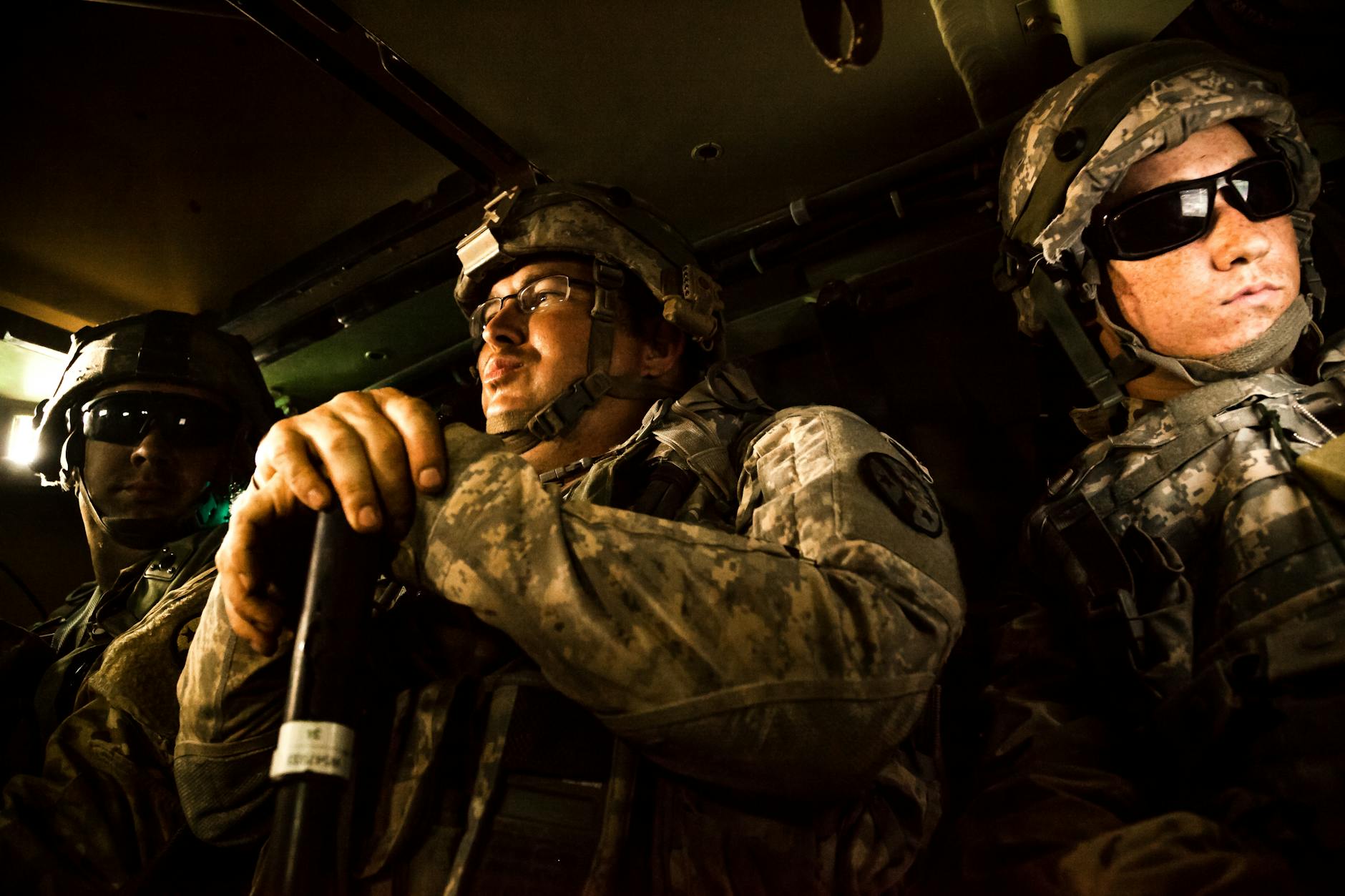
The headline numbers are staggering, but the breakdown of casualties tells a more specific and disturbing story. Of the at least 73 people killed in the operation and its aftermath, 25 were National Guard troops ambushed in six separate coordinated attacks across Jalisco. Approximately 30 suspected cartel members were killed in Jalisco, four criminal suspects died in neighboring Michoacán, and the eight CJNG members from the initial operation account for the rest of the armed combatants. But the dead also included a prison guard, a state prosecutor’s office agent, and one unidentified woman — people who were not combatants in any meaningful sense. This is the pattern that makes kingpin strategy so controversial. The cartel leader dies, and so do dozens of soldiers, law enforcement officers, and civilians who had nothing to do with the drug trade.
The 25 National Guard deaths in a single day represent one of the worst losses for Mexican security forces in the drug war era. These were not soldiers engaged in the Tapalpa operation. They were troops stationed at posts across Jalisco who became targets of opportunity for a cartel lashing out. However, it is worth noting that the violence subsided faster than many analysts predicted. By Monday, February 23 — just one day after the operation — President Claudia Sheinbaum stated that Mexico had woken up without any roadblocks and that all activity had been restored. Whether that calm holds is another question entirely, but the CJNG’s retaliation, while devastating, was also relatively short-lived compared to past cartel upheavals.
Guadalajara and Puerto Vallarta — When Cartel Violence Hits Tourist and Urban Centers
Guadalajara, a metropolitan area of more than five million people and one of the host cities for the 2026 FIFA World Cup, was described as a “ghost town” on the night of February 22. CJNG members dragged trucks onto major highways, set vehicles ablaze, and torched convenience stores and petrol stations. Schools were shut across multiple states. Troops were deployed to streets that are normally filled with weekend foot traffic. Puerto Vallarta, one of Mexico’s most important tourist destinations, saw smoke billowing over the city as cartel members set fires. The juxtaposition is hard to overstate: a resort town that markets itself on beaches and sunsets was, for a period of hours, a place where armed criminals operated openly enough to create visible plumes of smoke across the skyline.
The U.S. government responded by issuing shelter-in-place warnings for Americans in affected areas — a step that, while prudent, also represents a significant blow to Mexico’s tourism economy and international image. For the FIFA World Cup organizers, this is a concrete security problem. Guadalajara is scheduled to host matches in a matter of months. The fact that a single cartel could effectively shut down the city overnight — even temporarily — forces a reckoning about venue security that goes beyond stadium perimeters and credential checks. It raises questions about whether the surrounding urban infrastructure can be secured against an organization that has demonstrated the capacity to paralyze an entire metropolitan area.
U.S. Intelligence Involvement — What Washington Got and What It Risks
The White House confirmed publicly that the United States provided intelligence support for the operation but committed no ground forces. This is a familiar arrangement in the U.S.-Mexico drug war: American surveillance capabilities, signals intelligence, and informant networks feed information to Mexican forces who execute the operations. It allows Washington to claim credit for dismantling cartel leadership while maintaining the legal and diplomatic fiction that Mexican sovereignty remains intact. The tradeoff is real, though. By providing the intelligence that led to El Mencho’s death, the U.S. bears some responsibility for the aftermath — including the 25 dead National Guard troops and the civilian casualties. If the intelligence was good enough to locate El Mencho through one of his romantic partners’ associates, the question becomes whether it was also good enough to predict the scale of retaliation and recommend countermeasures.
The U.S. has decades of experience watching cartel successions turn violent. The Sinaloa Cartel’s fracturing after Joaquín “El Chapo” Guzmán’s arrest is the most obvious precedent. As of February 27, reporting from the Daily Post Nigeria and other outlets indicates that the U.S. is now targeting Sinaloa cartel leaders in the wake of the El Mencho operation. This suggests a broader strategy: use the disruption caused by one cartel’s leadership vacuum to press advantages against rival organizations. Whether this produces lasting results or simply multiplies the number of destabilized criminal organizations remains to be seen.
The Succession Problem — Who Runs the CJNG Now?
Analysts point to Juan Carlos González Valencia, El Mencho’s stepson, as a possible heir to the CJNG’s leadership. But “possible” is doing a lot of work in that sentence. There is no obvious successor with the combination of operational authority, territorial control, and personal loyalty that El Mencho commanded. This is precisely what makes the post-kingpin period so dangerous. When there is no clear chain of command, regional lieutenants start making their own calculations about whether to consolidate, defect, or fight for control. Security experts have warned that the violence could continue “for months to come and potentially years” as the criminal landscape is redesigned. This is not speculation — it is the consistent historical pattern.
When Arturo Beltrán Leyva was killed in 2009, his organization splintered into factions that fueled violence across multiple states for years. When the Zetas lost their top leadership, regional cells devolved into kidnapping and extortion operations that terrorized civilians. The CJNG, which operates in at least 20 states and has significant international drug trafficking operations, is large enough that its fragmentation could create multiple new conflicts rather than ending an existing one. The limitation of the kingpin strategy is now laid out in brutal clarity. Removing El Mencho does not remove the demand for fentanyl, methamphetamine, and cocaine in the United States. It does not eliminate the billions of dollars in revenue that fund cartel operations. It does not disarm the tens of thousands of armed men who work for the CJNG. What it does is remove the single individual who had the authority to direct or restrain those men — and the 252 roadblocks suggest that restraint disappeared the moment he did.

Mexico’s Political Response Under President Sheinbaum
President Claudia Sheinbaum’s statement that “Mexico is calm” by Monday morning was both a factual update and a political necessity. Mexico’s economy depends on projecting stability, particularly to foreign investors and the tourism sector. But the speed of her reassurance also drew criticism from analysts who noted that declaring calm after 73 deaths and 252 roadblocks risks looking disconnected from the reality experienced by millions of Mexicans who spent Sunday night locked in their homes. The Sheinbaum administration faces a dilemma familiar to every Mexican president since the drug war escalated in 2006.
📨 Get Free Accountability Coverage Alerts
Free · No spam · Unsubscribe anytime
Taking out a cartel boss generates a short-term political win and satisfies U.S. pressure for visible action. But the aftermath — the dead soldiers, the burned buses, the shuttered schools — lands squarely on the Mexican government’s ledger. The operation in Tapalpa may have eliminated the DEA’s top target, but it also demonstrated that the CJNG’s capacity for coordinated, multi-state violence survived its leader by at least 24 hours.
What Comes Next — The Cartel Landscape After El Mencho
The killing of El Mencho does not end the CJNG. It transforms it, likely into something less centralized and potentially more chaotic. Analysts are already watching for signs of internal fractures, territorial disputes with rival organizations like the Sinaloa Cartel, and shifts in drug trafficking routes. The U.S. decision to target Sinaloa leaders in the immediate aftermath suggests Washington sees an opportunity to press multiple cartels simultaneously — a high-risk strategy that could either weaken the broader narco-trafficking infrastructure or create a power vacuum so large that new, unpredictable actors fill it.
For American citizens and policymakers, the practical takeaway is that the U.S.-Mexico border security situation has become more volatile, not less. The fentanyl crisis that kills tens of thousands of Americans annually will not be solved by killing one man, no matter how large his bounty. The structural conditions that sustain cartels — demand for drugs, availability of weapons, corruption in government institutions, and poverty that makes cartel employment attractive — remain unchanged. El Mencho is dead. The system that produced him is very much alive.
Conclusion
The killing of El Mencho on February 22, 2026, was the most significant blow to Mexican cartel leadership since the arrest of El Chapo in 2016. The U.S.-supported intelligence operation that tracked him through a romantic partner’s associate demonstrated sophisticated cooperation between American and Mexican security agencies. But the 73 deaths, 252 roadblocks across 20 states, and the temporary paralysis of major cities like Guadalajara and Puerto Vallarta revealed the enormous cost of the kingpin strategy when applied to an organization as large and geographically dispersed as the CJNG. The weeks and months ahead will determine whether this operation was a turning point or simply another chapter in a cycle that has repeated itself for two decades.
With no clear successor, the CJNG faces fragmentation. With the U.S. now targeting Sinaloa leadership, multiple cartels are under pressure simultaneously. Whether that pressure produces lasting disruption of drug trafficking or simply reshuffles the deck of criminal organizations is the question that will define the next phase of the drug war — and the one that the families of 73 dead people deserve an honest answer to.
Frequently Asked Questions
Was El Mencho killed by U.S. forces?
No. The operation was conducted by Mexican military forces. The White House confirmed that the United States provided intelligence support but no ground forces were involved in the Tapalpa, Jalisco operation on February 22, 2026.
How many people died in total from the El Mencho operation and cartel retaliation?
At least 73 people were killed, including 25 National Guard troops in six separate attacks across Jalisco, approximately 30 suspected cartel members, eight CJNG members in the initial operation, four criminal suspects in Michoacán, a prison guard, a state prosecutor’s office agent, and one unidentified woman.
Is it safe to travel to Mexico after the cartel retaliation?
By February 23, President Sheinbaum stated that all roadblocks had been cleared and activity restored. However, the U.S. issued shelter-in-place warnings during the violence, and security experts warn that instability could continue for months as cartel succession plays out. Travelers should monitor State Department advisories for specific regions.
Who will take over the CJNG after El Mencho?
There is no confirmed successor. Analysts point to El Mencho’s stepson, Juan Carlos González Valencia, as a possible heir, but security experts warn there is no obvious leader with the authority El Mencho held. This leadership vacuum could lead to internal fragmentation and prolonged violence.
Why did 252 roadblocks appear so quickly after El Mencho’s death?
The speed and coordination of the retaliation — spanning 20 of Mexico’s 32 states — demonstrated the CJNG’s extensive organizational infrastructure. Members torched vehicles, buses, convenience stores, and petrol stations while dragging trucks onto highways in a pre-planned show of force designed to demonstrate the cartel’s continued reach.
How was El Mencho located?
According to CBS News and Fortune, Mexican and U.S. intelligence agencies tracked a trusted associate connected to one of El Mencho’s romantic partners to the Tapalpa Country Club area on February 20, 2026, two days before the operation.
You Might Also Like
- At Least 14 Killed, 252 Roadblocks…Mexico’s Cartel Backlash After El Mencho’s Death
- Leaked Cartel Texts Threaten to Target Civilians, Hotels…CJNG Alerts
- At Least $264 Million in Payouts…Largest Claims Scam in Class Action History