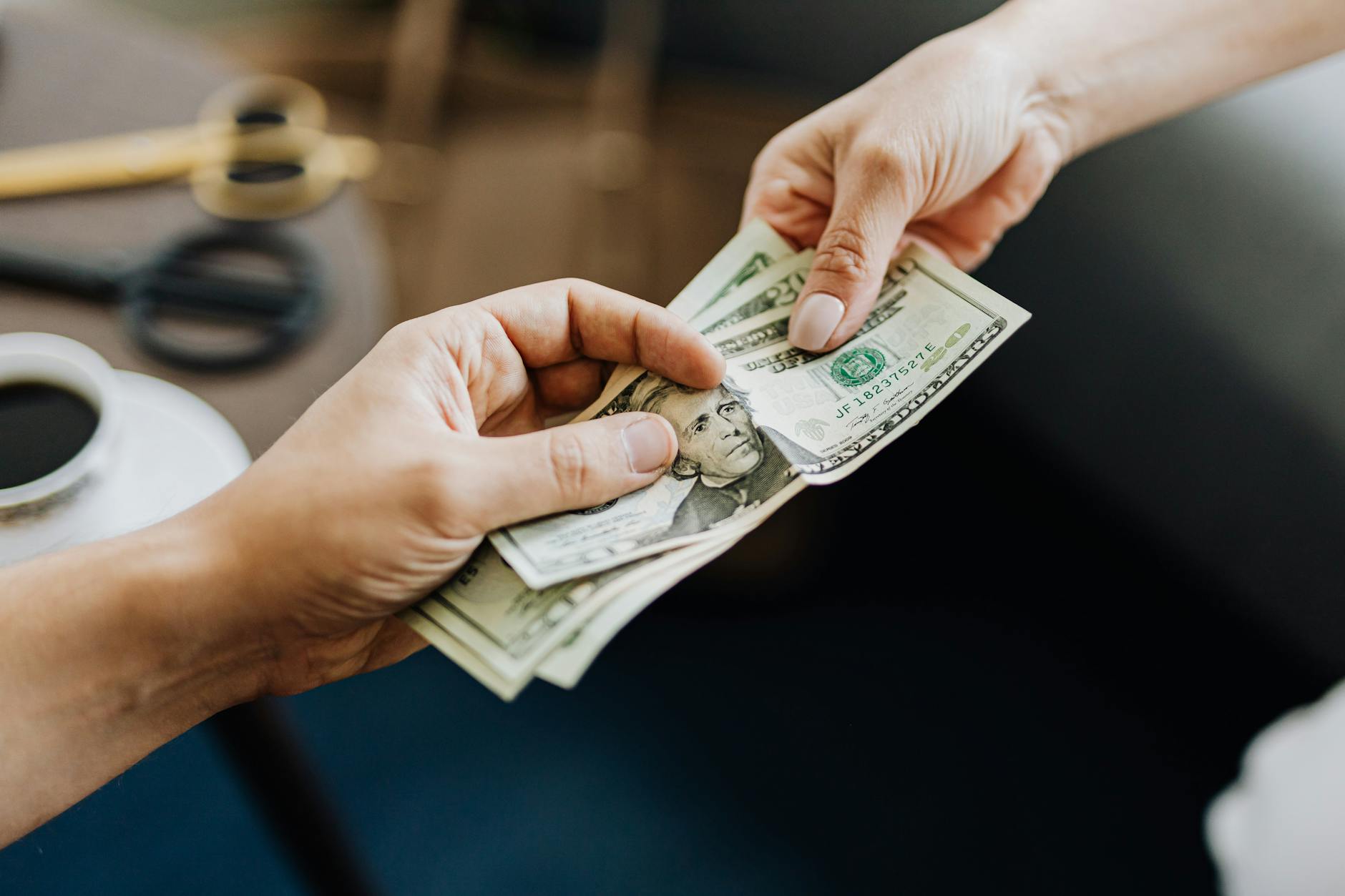
Americans paid $287 billion in customs duties, taxes, and fees during calendar year 2025 — a 192 percent increase from the prior year, according to the Federal Reserve Bank of Richmond. That translates to roughly $1,000 per household last year alone, with projections from the Tax Foundation suggesting that figure will climb to between $1,300 and $1,500 per household in 2026. The Federal Reserve Bank of New York found that Americans bore nearly 90 percent of those tariff costs directly, not the foreign countries the administration claimed would foot the bill. Put plainly, this was a tax on American consumers dressed up as trade policy.
But here is the part most people missed while watching grocery prices spike: the Supreme Court struck down the IEEPA-based tariffs on February 20, 2026, in a 6-3 ruling that found the President lacked authority to impose tariffs under the International Emergency Economic Powers Act. That decision could trigger up to $175 billion in refunds, according to the Penn Wharton Budget Model. Meanwhile, billions of dollars in class action settlement money is sitting unclaimed right now across at least eight major cases — most of which require no proof of purchase to file. If you bought beef, used Google Play, or shopped at a Michael Kors outlet, there is money waiting for you. This article breaks down both the tariff damage and the open settlements you can claim today.
Table of Contents
- How Did Americans End Up Paying $287 Billion in Tariffs While Settlements Go Unclaimed?
- What the Supreme Court’s IEEPA Ruling Means for Tariff Refunds
- Beef and Pork Price-Fixing — Billions in Settlements for Overcharged Consumers
- Google Play’s $700 Million Settlement — What You Need to Do (and What You Don’t)
- Settlements With Tight Deadlines — File Before March 2026
- March 2026 Deadline Roundup — Wells Fargo, Kaiser, AT&T, and More
- What Comes Next — Tariff Refunds, New Settlements, and the Cost of Doing Nothing
- Conclusion
- Frequently Asked Questions
How Did Americans End Up Paying $287 Billion in Tariffs While Settlements Go Unclaimed?
The tariff story of 2025 is straightforward once you strip away the political spin. The Richmond Fed and the Committee for a Responsible federal Budget confirmed that $287 billion in customs revenue was collected in calendar year 2025. That is not a partisan estimate — it is what the government actually took in. The 192 percent increase over 2024 collections reflects the cascading rounds of tariffs imposed on Chinese goods, steel, aluminum, and eventually a broader set of imports that hit consumer products from electronics to groceries. The cruel math here is that tariffs are regressive. Research from the Yale Budget Lab found that the lowest-income American households pay a tariff burden more than three times higher than top-decile households as a share of income.
A family earning $35,000 a year and a family earning $350,000 a year might pay similar dollar amounts at the checkout counter, but the impact is wildly different. The Center for American Progress documented that beef prices rose 16 percent and coffee prices climbed nearly 20 percent between January and December 2025, with fruits and seafood increasing over 6 percent. These are staples, not luxuries. At the same time, class action settlements totaling billions of dollars are available to consumers who were overcharged, defrauded, or harmed by corporate practices — and most people never file. The disconnect is staggering. Americans are absorbing higher costs on one end while leaving compensation on the table on the other.

What the Supreme Court’s IEEPA Ruling Means for Tariff Refunds
On February 20, 2026, the Supreme Court issued a 6-3 decision striking down tariffs imposed under the International Emergency Economic powers Act, finding that the statute does not grant the President authority to levy tariffs. The ruling is one of the most significant checks on executive trade power in decades. According to analysis from the Penn Wharton Budget Model, the decision could result in up to $175 billion in refunds owed to importers — costs that were largely passed on to consumers. However, there is an important caveat: refunds would initially flow to the importers and businesses that paid the duties at the border, not directly to individual consumers. Whether those savings trickle down to household budgets depends on competitive pressures and whether companies choose to pass refunds along through lower prices.
History suggests the pass-through will be uneven. Some retailers and manufacturers may lower prices; others may pocket the difference. If you run a small business that paid IEEPA tariffs on imports, you should be talking to a trade attorney now about the refund process, because the mechanics of $175 billion in potential refunds will be complex and the earliest filers will likely fare best. The ruling also does not affect tariffs imposed under other statutory authorities, such as Section 301 or Section 232. Those remain in place for now. So while the IEEPA decision is a meaningful win, it is not a blanket rollback of all tariffs — grocery prices are unlikely to return to 2023 levels anytime soon.
Beef and Pork Price-Fixing — Billions in Settlements for Overcharged Consumers
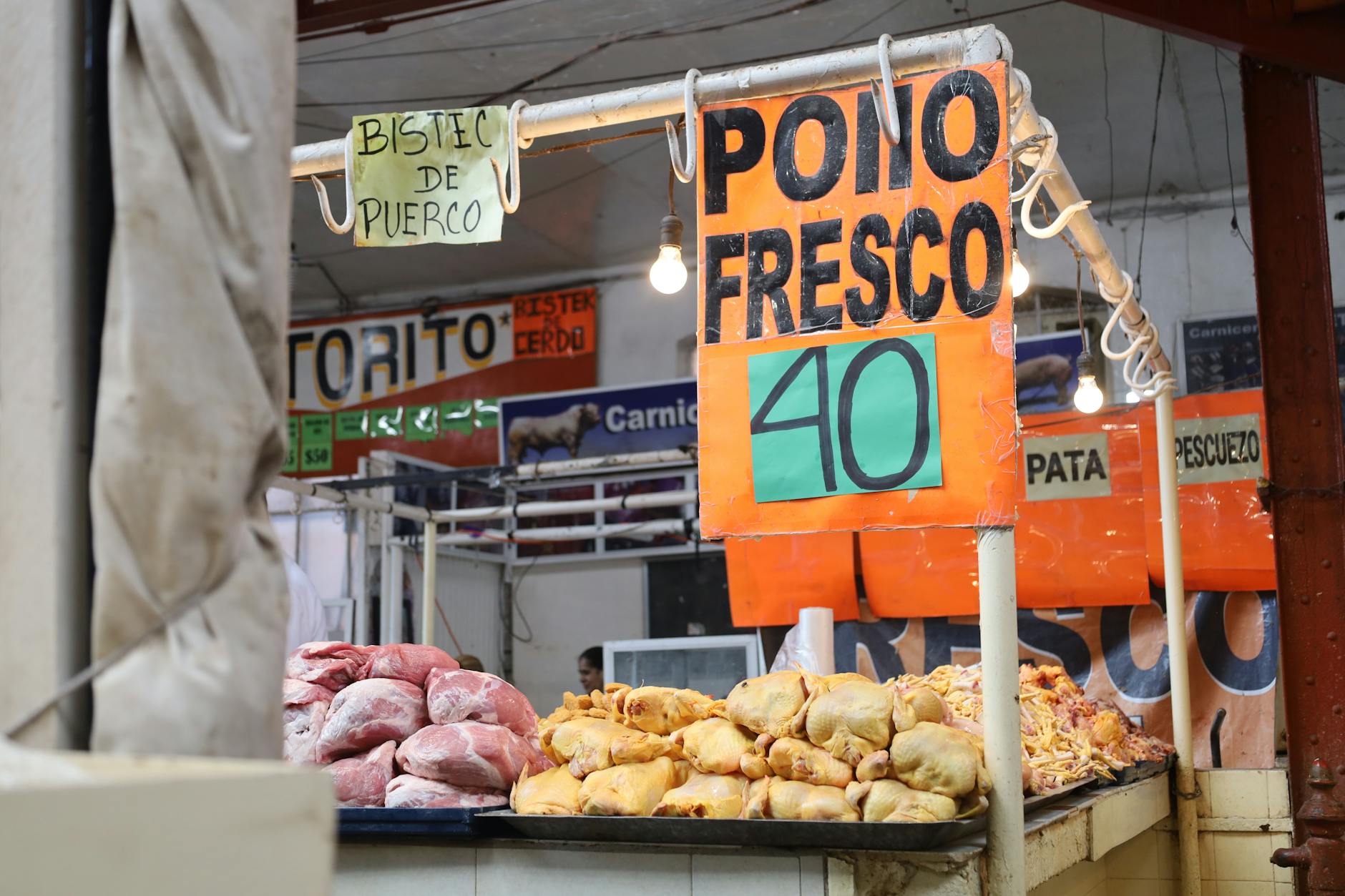
While tariffs drove up meat prices from the import side, major producers were simultaneously fixing prices on the domestic side. The beef price-fixing settlement totals $87.5 million and covers anyone who purchased beef products — including chuck, loin, rib, and round cuts — at grocery stores between August 1, 2014, and December 31, 2019. You do not need a receipt. The settlement explicitly allows you to provide honest estimates of your purchases. File at OverchargedForBeef.com before the June 30, 2026, deadline. Think about that date range for a moment: five and a half years of grocery shopping. If you fed a family during that period, your estimated beef purchases could add up to a meaningful payout.
The claims process is designed to be simple precisely because no one keeps five years of grocery receipts. This is one of the most accessible major settlements available right now. On the pork side, the Tyson pork price-fixing settlement totals $85 million and covers indirect purchasers of raw pork between 2014 and 2018 in certain states. Preliminary approval was granted in October 2025, but the claim process has not yet launched — the notice plan is expected sometime in 2026. This one is worth watching. If you ate pork during those years, keep an eye on official court notices for when the claims portal opens. Do not sign up on any third-party site promising early access; wait for the official process.
Google Play’s $700 Million Settlement — What You Need to Do (and What You Don’t)
The Google Play Store settlement is worth $700 million and is one of the rare cases where most eligible consumers do not need to file a claim form at all. If you made purchases on Google Play between August 16, 2016, and September 30, 2023, payments are being sent automatically via PayPal or Venmo. The final approval hearing is scheduled for April 30, 2026. The tradeoff here is control versus convenience. Automatic payments mean you do not have to do anything, but it also means the amount is determined for you based on Google’s records of your spending.
If you believe your purchases were substantially higher than what Google’s data reflects — perhaps because you used multiple accounts or made purchases through family sharing — you may want to visit GooglePlayStateAGAntitrustLitigation.com to review your options. The New York Attorney General and California Attorney General both issued guidance confirming the automatic payment process for their states’ residents. One limitation: this settlement was brought by state attorneys general, and eligibility and payment amounts may vary by state. Not every state participated in the action, and residents of non-participating states may receive different treatment. Check the official settlement site for your state’s specific status before assuming you are covered.
Settlements With Tight Deadlines — File Before March 2026
Several settlements have deadlines in early March 2026, which means you have days, not weeks, to act. The Michael Kors Outlet settlement offers a $30 merchandise certificate to anyone who purchased from a Michael Kors Outlet store in California or Oregon between May 10, 2019, and November 14, 2025. No proof of purchase is required to file the initial claim. The deadline is March 6, 2026 — file at MichaelKorsOutletsettlement2026.com immediately if you qualify. The Balance of Nature supplements settlement pays $4 per product purchased, with no proof of purchase required and a March 11, 2026, deadline. The Bayer antifungal spray products settlement pays up to $21, also with no proof required and the same March 11 deadline.
The Belkin power banks settlement pays a minimum of $2 with no proof needed and a March 30, 2026, deadline. None of these are life-changing sums individually, but they take minutes to file and the money is yours. A word of warning: the “no proof required” feature on these settlements means the claims administrators rely on your honesty. Filing false claims is fraud, and administrators do audit for patterns of abuse. Claim only products you actually purchased. The low barrier to entry is meant to help real consumers, not to create a free-money loophole.
March 2026 Deadline Roundup — Wells Fargo, Kaiser, AT&T, and More
Beyond the individual settlements listed above, at least ten additional settlements with March 2026 deadlines collectively total over $135 million. These include cases against Wells Fargo, Kaiser Permanente, SiriusXM, AT&T, McDonald’s, Nelnet, Nationwide, Grubhub, and Target.
📨 Get Free Accountability Coverage Alerts
Free · No spam · Unsubscribe anytime
Each has its own eligibility criteria and claim process. For example, the Wells Fargo settlement relates to unauthorized account practices, while the Nelnet case involves student loan servicer failures — two very different consumer harms with two very different affected populations. Check each settlement’s official website for specific eligibility requirements and filing instructions rather than relying on aggregator sites that may have outdated or inaccurate information.
What Comes Next — Tariff Refunds, New Settlements, and the Cost of Doing Nothing
The next twelve months will be pivotal on both fronts. The IEEPA refund process will work its way through federal agencies and courts, and the real question is how much of that $175 billion actually reaches consumers versus staying with importers. Congress may also act — several bills have been introduced to formalize tariff refund mechanisms and to restrict future unilateral tariff authority. On the settlement side, the Tyson pork claims process will open in 2026, and the Google Play final approval hearing in April could unlock payments for millions of consumers shortly after.
The cost of inaction is real and measurable. Every unclaimed settlement dollar reverts to the defendant corporation or gets redistributed in ways that do not benefit you. Every tariff dollar you absorbed in 2025 is gone unless refund mechanisms materialize. The people who file claims and stay informed recover money. Everyone else subsidizes corporate misconduct and bad trade policy with their silence.
Conclusion
The $287 billion in tariffs collected in 2025 represented a 192 percent increase over the prior year, and American consumers bore nearly 90 percent of those costs. The Supreme Court’s February 2026 ruling striking down IEEPA tariffs may eventually return up to $175 billion, but that process will take time. In the meantime, billions of dollars in settlement money from cases involving beef price-fixing, Google Play overcharges, pork price-fixing, and dozens of other consumer harms are available right now — and most require nothing more than an honest estimate of your purchases to claim. Start with the deadlines closest to expiring: Michael Kors Outlet by March 6, Balance of Nature and Bayer by March 11, and Belkin by March 30.
Then file for the beef settlement before June 30. Check the Google Play settlement site to confirm your automatic payment status. These are not handouts — they are compensation for documented corporate wrongdoing, approved by federal courts, and funded by the companies that overcharged you. The only question is whether you will collect what you are owed.
Frequently Asked Questions
Do I really not need a receipt to file for the beef price-fixing settlement?
Correct. The beef settlement at OverchargedForBeef.com explicitly states that no proof of purchase is required. You provide honest estimates of your beef purchases between August 2014 and December 2019. The claims administrator may audit for unusually high claims, so estimate accurately.
Will I get a tariff refund from the Supreme Court’s IEEPA ruling?
Not directly, at least not immediately. The $175 billion in potential refunds flows first to the importers who paid the customs duties. Whether consumers see lower prices depends on whether businesses pass those refunds along. If you are a business that paid IEEPA tariffs directly, consult a trade attorney about the refund process.
How do I know if a settlement website is legitimate?
Legitimate settlement sites are referenced in official court documents and press releases from state attorneys general. The sites listed in this article — OverchargedForBeef.com, GooglePlayStateAGAntitrustLitigation.com, and MichaelKorsOutletSettlement2026.com — are all official. Be wary of any site asking for your Social Security number or bank account information upfront, as legitimate settlements typically pay by check, PayPal, or Venmo.
I live outside California and Oregon — can I still file for the Michael Kors settlement?
No. The Michael Kors Outlet settlement is limited to purchases made in California or Oregon stores between May 10, 2019, and November 14, 2025. If you shopped at a Michael Kors Outlet in another state, you are not eligible for this particular settlement.
Are the tariff cost estimates per household accurate?
The $1,000 per household figure for 2025 comes from The Hill’s analysis, and the $1,300 to $1,500 projection for 2026 comes from the Tax Foundation. The Yale Budget Lab confirmed that tariffs are regressive, with the lowest-income households paying more than three times the burden of the wealthiest households as a share of income. These are mainstream economic estimates, not partisan figures.
What happens to settlement money if I don’t file a claim?
Unclaimed funds typically revert to the defendant, are distributed to a cy pres charitable recipient chosen by the court, or are redistributed among those who did file claims. In no scenario does unclaimed money come to you. Filing is the only way to receive your share.
You Might Also Like
- Trump’s Bill Cuts $186 Billion From Food Stamps…2.4 Million Lose Their Benefits
- Trump’s America: $21 Billion in Added Insurance Costs…Home Insurance Affordability Crisis Deepens
- Supreme Court Struck Down Tariffs…$175 Billion May Be Refunded to Corporations, Not Consumers