
Veterans represent one of America’s most politically diverse groups, yet a significant segment—estimates suggest between 30-40 percent of active-duty service members and veterans—have consistently rejected or distanced themselves from Trump’s political platform, despite his emphasis on military and veterans’ issues. This rejection stems not from a uniform political ideology but from specific disagreements over military strategy, fiscal priorities, and what many veterans view as misalignment between Trump’s rhetoric and their actual service experiences. For example, numerous military leaders, including retired generals who served under Trump’s administration, have publicly opposed his policies—from his handling of the Afghanistan withdrawal to his approach to NATO alliances—citing concerns that his decisions either undermined military effectiveness or contradicted core military values of institutional respect and evidence-based planning.
The complexity lies in understanding that opposing Trump politically doesn’t necessarily mean opposing all Republican policies or military-focused agendas. Many veterans who reject Trump do so while maintaining conservative fiscal views or hawkish foreign policy positions. Their objection is often more granular: they disagree with specific policy choices, his communication style, or what they perceive as civilian interference in military decision-making that prioritizes political optics over strategic necessity. This distinction is critical because it reveals that veteran political rejection of Trump is based on substantive policy disagreements rather than blanket partisan resistance.
Table of Contents
- What Military Policies Divide Trump and Combat Veterans?
- Healthcare and Veterans’ Benefits Concerns
- Foreign Policy Approach and Military Strategy Debates
- Values Alignment and Leadership Expectations
- Fiscal Priorities and Defense Spending Debates
- Accountability and Institutional Integrity Concerns
- Evolving Veteran Political Identity and Future Divisions
- Conclusion
What Military Policies Divide Trump and Combat Veterans?
One of the clearest fractures between Trump and segments of the veteran community involves specific military policy decisions and strategic disagreements. The Afghanistan withdrawal in 2021, while initiated under Trump’s agreement with the Taliban, was executed under the Biden administration and became a lightning rod for veteran criticism. However, the disagreement predates this: many veterans and military strategists criticized Trump’s original deal-making approach with the Taliban, arguing it lacked input from military intelligence specialists and Afghan security forces who would bear the consequences. Retired General Michael Flynn, Trump’s former national security advisor, and other military officials have stated that the timeline and execution violated principles of military planning that emphasize deliberate, phased transitions rather than rapid withdrawals.
Beyond Afghanistan, NATO policy divides veterans sharply. Trump’s public dismissal of NATO commitments and his suggestion that the United States should consider withdrawing from the alliance alarmed many military officers who view NATO as essential to global stability and American security interests. Military leaders testified before Congress that NATO’s collective defense structure provides the United States with strategic advantages in intelligence sharing, forward basing, and burden-sharing that would be difficult to replace. For veterans who’ve served alongside NATO allies or depended on NATO infrastructure during deployments, this criticism felt like a dismissal of partnerships they’d built and relied upon.
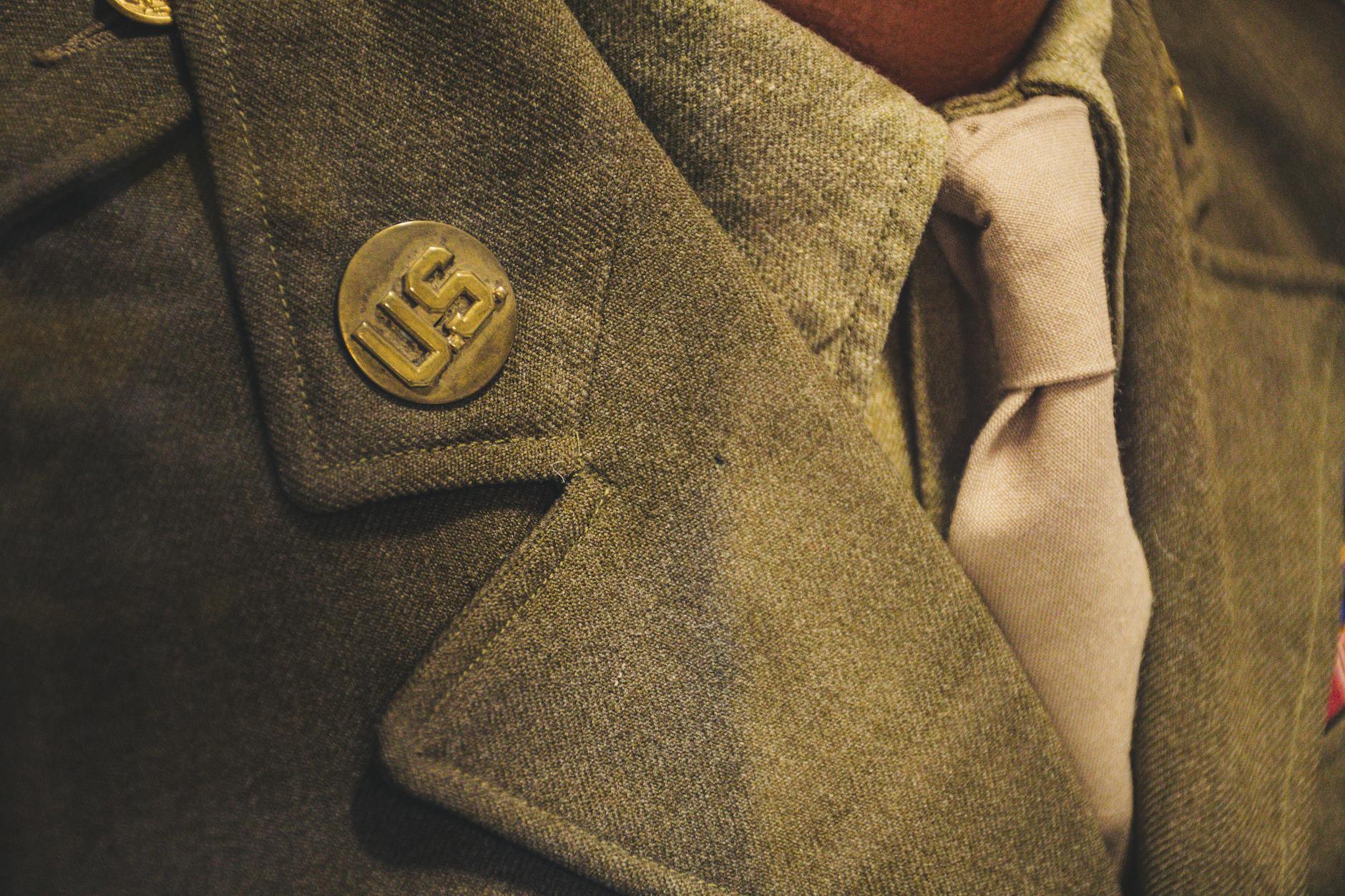
Healthcare and Veterans’ Benefits Concerns
A persistent criticism among veterans toward trump involves his administration’s handling of Veterans Affairs (VA) healthcare and benefits, despite his campaign promises to reform the VA system. While Trump appointed VA Secretary Robert Wilkie and claimed to improve care, veterans’ advocacy groups documented ongoing delays in benefits processing, appeals backlogs that actually increased in some areas, and insufficient funding for mental health services. The limitation here is significant: no single president can immediately overhaul a system serving over 9 million veterans, but the gap between Trump’s promised transformation and actual outcomes created credibility problems with veteran communities.
A specific warning emerges from examining disability claims data: while some metrics improved under Trump’s VA leadership, the average time to process a disability claim remained problematic, and suicide rates among veterans continued rising at concerning levels throughout his administration. Veterans struggling with PTSD, traumatic brain injury, or other service-connected disabilities saw promises of faster care delivery without experiencing proportional improvements in their own cases. This disconnect—between administrative claims of reform and personal experiences of bureaucratic frustration—fueled skepticism among veterans about whether Trump’s approach to military issues translated into substantive benefits for those who served.
Foreign Policy Approach and Military Strategy Debates
Many veterans oppose Trump’s foreign policy approach not because they oppose military strength, but because they believe his strategy is strategically unsound or damages American credibility. Trump’s withdrawal from the Iran nuclear deal (JCPOA), for instance, divided the veteran community: some supported confronting Iran, while others—particularly those with intelligence or diplomatic backgrounds—argued the deal, despite imperfections, provided verifiable constraints on Iran’s nuclear program that military action would not achieve. Veterans who’d served in Iraq and Afghanistan understood that military solutions without diplomatic off-ramps often extend conflicts indefinitely.
Trump’s proposed military tactics also concerned many veterans. His public advocacy for interrogation techniques exceeding the Geneva Conventions, including waterboarding, contradicted positions held by the military’s own doctrine and by senior military leaders who testified that enhanced interrogation was both ineffective and contrary to military values. Veterans who’d been trained in the Law of Armed Conflict saw this rhetoric as undermining the institutional principles they’d sworn to defend. Comparison point: military ethics training consistently teaches that violations of international humanitarian law create justifications for adversaries to do the same, ultimately endangering American service members.
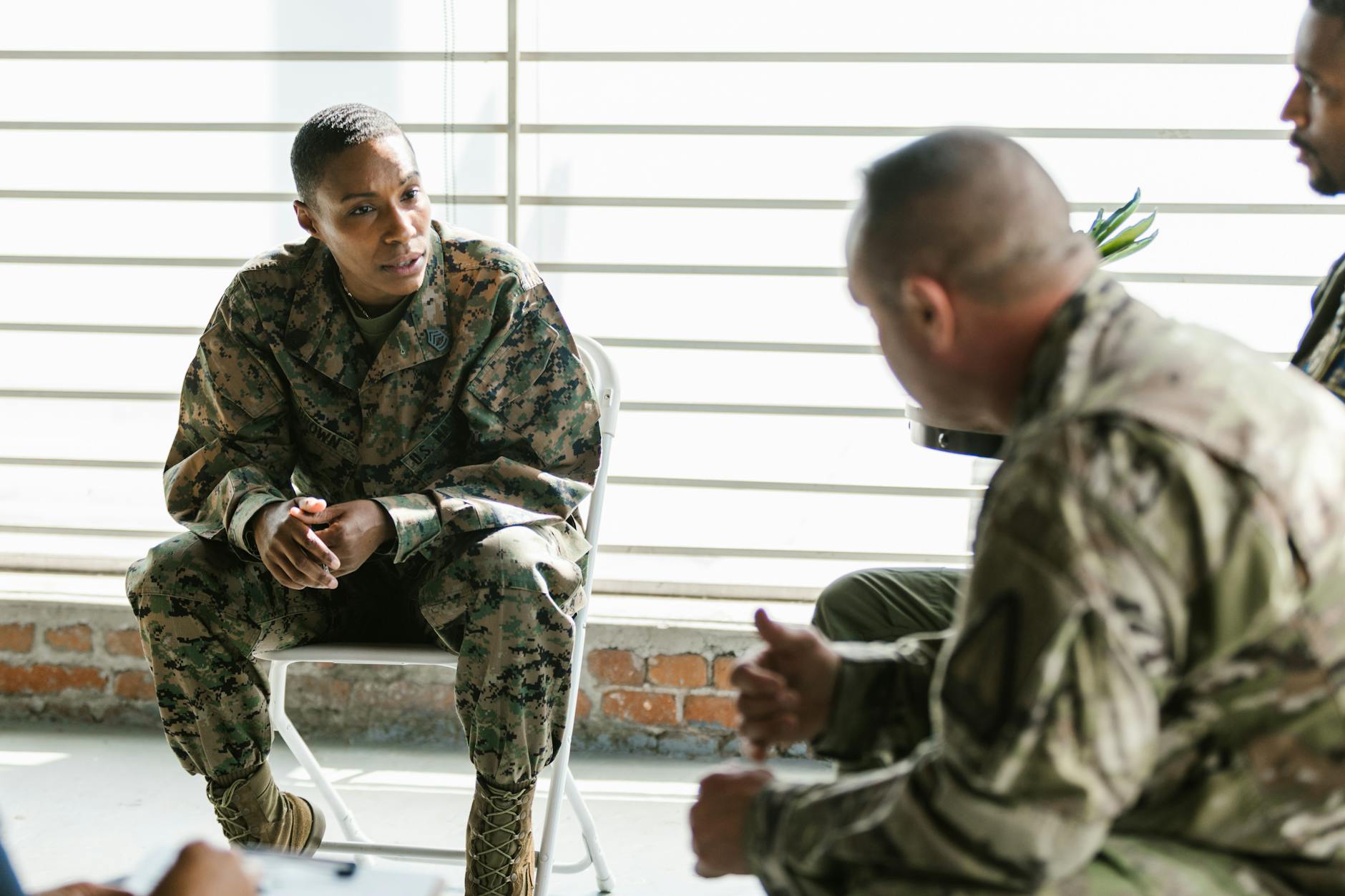
Values Alignment and Leadership Expectations
A nuanced criticism from veterans concerns Trump’s personal conduct and what they perceive as incompatibility with military values of accountability, truth-telling, and institutional respect. Many veterans reported discomfort with Trump’s public attacks on military leaders—including General Mark Milley, who served as Chairman of the Joint Chiefs of Staff—and his willingness to pressure military officials to take actions contradicting their professional assessments. The military’s ethical culture emphasizes that civilian leadership directs military strategy, but that military leaders must maintain integrity by providing honest advice even when it contradicts civilian preferences.
Veterans accustomed to hierarchical accountability systems found Trump’s approach to presidential responsibility inconsistent with military culture. In military context, leaders bear accountability for actions under their command; the expectation of transparency and ownership differs sharply from Trump’s frequent deflection of responsibility. A specific example: the 2020 incident involving federal law enforcement clearing Lafayette Square so Trump could visit a church brought criticism from military leaders who saw it as the weaponization of law enforcement for political optics—a scenario directly contrary to military principles of subordinating force to civilian constitutional authority, not political advantage.
📨 Get Free Accountability Coverage Alerts
Free · No spam · Unsubscribe anytime
Fiscal Priorities and Defense Spending Debates
While many assume all veterans support increased military spending, significant veteran opposition exists to Trump’s approach because of perceived misalignment between military needs and spending priorities. Some veterans and defense analysts criticized Trump’s proposal to reduce funding for specific military readiness programs while increasing spending in ways that benefited defense contractors without clear strategic advantage. This distinction matters: supporting military strength doesn’t require supporting every military budget request, and veterans knowledgeable about procurement processes questioned whether spending priorities reflected actual military needs or political considerations.
A limitation worth noting: defense budget debates are inherently complex, and disagreement about spending priorities doesn’t indicate opposition to military strength. However, the warning emerges when spending discussions prioritize optics (like counting contractors’ jobs as military strength) over metrics like maintenance readiness, training hours, or military personnel quality-of-life improvements. Veterans who understood that military effectiveness depends on well-maintained equipment, well-trained personnel, and stable long-term planning questioned whether Trump’s spending approach addressed actual force readiness. Comparison: military leaders often emphasize that consistent, predictable funding allows better planning than sporadic increases followed by cuts.

Accountability and Institutional Integrity Concerns
A significant driver of veteran rejection of Trump politics involves concerns about institutional accountability and rule of law—values central to military culture. When Trump pardoned military contractors convicted of serious crimes, including Blackwater guards convicted in a shooting that killed Iraqi civilians, many veterans saw this as undermining the principle that all military-connected actors are subject to justice. Military culture emphasizes that individual accountability strengthens rather than weakens institutions; selective pardons for military-connected figures risked appearing to create a two-tiered justice system.
Additionally, Trump’s response to the January 6th Capitol riot created fracture lines among veterans. Many had sworn an oath to defend the Constitution against domestic threats, and they interpreted the riot as a violation of democratic institutions. Veterans disagreed sharply about Trump’s response, with critics arguing his delayed response and subsequent effort to overturn election results contradicted the constitutional principles they’d sworn to uphold. This represented a significant specific example: over 1,000 participants in the Capitol riot had military backgrounds, and many veterans spoke publicly about feeling that Trump had violated the institutional loyalty and rule-of-law principles that military service inculcates.
Evolving Veteran Political Identity and Future Divisions
The veteran community’s political diversification reflects broader American divisions, but it also reveals that military service itself doesn’t predetermine political affiliation. Younger veterans, in particular, show different political patterns than Vietnam-era veterans, with Gen Z service members expressing stronger support for women in combat roles, LGBTQ+ service members, and addressing climate change as a military strategic issue—positions sometimes at odds with Trump’s platform. This forward-looking insight suggests that veteran political coalition-building will require addressing specific policy questions rather than assuming military background creates automatic political alignment.
The future of veteran politics likely depends on how specific issues—healthcare delivery, benefits processing, conflict decisions, and fiscal priorities—are addressed. Veterans appear increasingly willing to vote against candidates who supported by military PACs if those candidates’ specific policies threaten veteran interests or contradict military values. This evolution suggests that rejecting Trump politics among veterans reflects maturation rather than weakness in military political identity; it represents veterans making independent judgments about whether politicians’ stated support for military causes matches actual policy delivery.
Conclusion
Veterans who reject Trump politics do so primarily through substantive policy disagreements rather than philosophical opposition to military strength or conservative governance. Their objections center on specific decisions regarding military strategy, veterans’ benefits delivery, foreign policy approach, institutional accountability, and perceived misalignment between Trump’s rhetoric and actual military interests. Understanding this distinction is critical for accurate analysis: opposition to Trump’s military policies doesn’t equate to opposition to military effectiveness or defense spending itself.
The implications extend beyond electoral politics to fundamental questions about how civilian leadership interacts with the military, how America structures defense priorities, and whether politicians’ stated support for veterans translates into policy outcomes. For voters evaluating military-related candidates and policies, the veteran community’s divided response suggests that examining specific policy implementations and historical outcomes provides more useful guidance than relying on rhetoric about military support. The ongoing veteran skepticism toward Trump indicates that military voters remain engaged, informed critics of defense policy rather than a monolithic constituency easily courted through patriotic appeals alone.
You Might Also Like
- Why Thanksgiving Politics Became a National Joke
- Why Some Former MAGA Fans Are Walking Away
- Why Republicans Fear Criticizing Trump