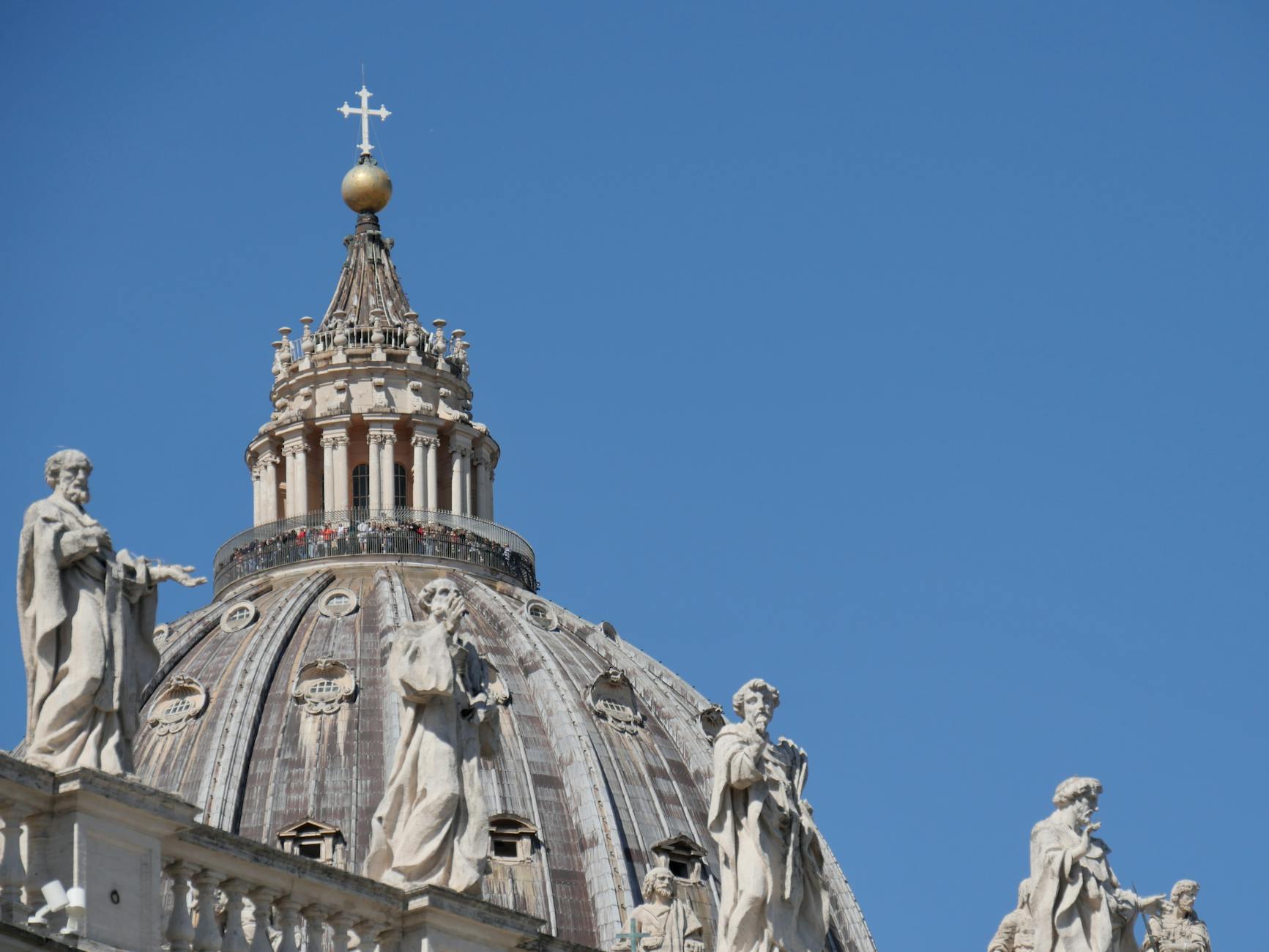
Yes, Pope Leo XIV—the first American pope in history—can and already is influencing US politics in measurable ways. Elevated to the papacy in May 2025 after spending his entire life in Chicago, Pope Leo brings an American perspective to the Vatican at a moment of deep political tension in the United States. His recent condemnation of the Iran War as “unjust” and his criticism of invoking Jesus Christ to justify military domination represent direct challenges to the Trump administration’s foreign policy, demonstrating that a pope with American roots has both the platform and the willingness to intervene in US political affairs.
However, the extent of this influence is more complicated than it might appear. While Pope Leo commands respect—with 60% approval among Americans compared to just 36% approval of President Trump as of April 2026—fewer Americans believe a pope can actually shape policy outcomes. The American Catholic population represents approximately 53 million adults, or 20% of the US, giving Pope Leo a substantial constituency, but this group is far more divided on politics than the Church’s institutional stance would suggest.
Table of Contents
- Can an American Pope Actually Shift US Political Direction?
- The Hard Limits of Papal Political Influence in Modern America
- How Religious Authority and Voter Behavior Intersect in Elections
- The Iran War Controversy as a Test Case of Papal Influence
- The Deep Partisan Split Over Papal Authority
- The 2026 Midterm Elections and Catholic Voter Calculations
- The Precedent of an American Pope in Future US Politics
- Conclusion
- Frequently Asked Questions
Can an American Pope Actually Shift US Political Direction?
Pope Leo XIV’s American background makes his political voice unprecedented in the papacy. Unlike his predecessors, who were primarily Italian or European, Pope Leo grew up in Chicago, understands American political culture from the inside, and speaks English as his native language. This matters because it removes a layer of distance that traditionally separated Vatican positions from US domestic politics. When Pope Leo calls the Iran War “unjust” and warns against “distorted” reasoning that invokes Jesus to justify military action, he is not speaking as a distant foreign moral authority—he is speaking as a fellow American making a moral argument about American foreign policy.
The gap between Pope Leo’s approval rating and President Trump’s is significant enough to suggest influence in specific contexts. A 24-point difference (60% to 36%) indicates that Pope Leo has the attention and respect of a sizable cross-section of Americans, including some who support or lean toward Trump. This creates a potential opening for Pope Leo to sway opinion on specific issues, particularly among Catholics and religious voters who view the pope as a moral authority. However, polls also show that 46% of Americans believe the pope should stay out of US domestic affairs entirely, a warning that his direct intervention on policy issues carries political risk.
The Hard Limits of Papal Political Influence in Modern America
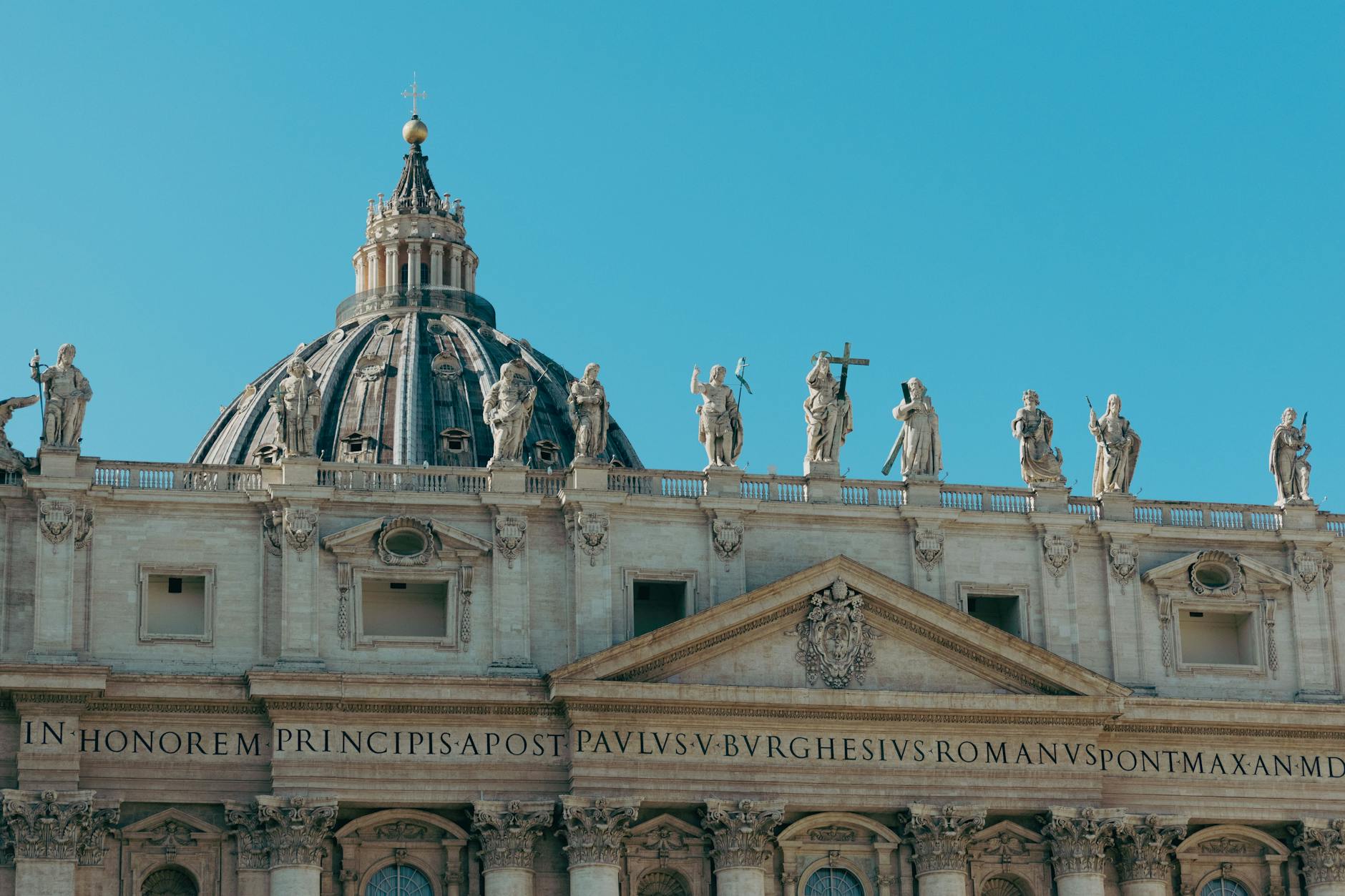
Despite Pope Leo’s high approval rating and American credentials, the structural limitations on his influence are substantial. A YouGov survey found that fewer than 1 in 5 Americans—roughly 20%—believe the pope can have a great deal of influence on US affairs. This perception matters as much as his actual influence, because it shapes whether politicians view him as a political asset or a liability. If congressional Republicans and Trump advisors believe the pope cannot move votes, they have little incentive to accommodate his positions or even engage seriously with his moral arguments.
The partisan divide among Catholics reveals another critical limitation: Pope Leo’s influence is heavily concentrated among Democrats and progressive voters. Approximately 90% of Catholics who identify as Democrats or lean progressive view Pope Leo favorably, compared to only 63% of Republican or conservative-leaning Catholics. This means that on divisive political issues, Pope Leo’s intervention actually reinforces existing partisan lines rather than transcending them. Conservative Catholics are significantly less likely to be swayed by papal authority than their progressive counterparts, a pattern that limits the pope’s ability to build consensus or appeal to a broad middle ground in American politics.
How Religious Authority and Voter Behavior Intersect in Elections
Religious leaders have historically shaped American elections by mobilizing their congregations and influencing public opinion on moral issues. Pope Leo XIV enters a political environment where Catholics represent a crucial swing constituency in several competitive states, and his positions could potentially affect the 2026 midterm elections. The Washington Post reported that Trump’s conflict with Pope Leo “is unlikely to help the administration with Catholic voters in upcoming midterm elections,” suggesting that papal opposition to administration policies creates real electoral risk. The mechanism of this influence is indirect but powerful.
Pope Leo does not control how Catholics vote—he cannot and does not attempt to issue formal directives on voting behavior. Instead, his authority as a religious leader gives moral weight to certain political arguments, making them more credible and more memorable to voters who respect him. When Pope Leo frames the Iran War in theological terms—as contrary to “the way of Jesus Christ”—he provides religious-minded voters with a framework for evaluating Trump’s foreign policy. Conservative Catholics might dismiss this argument, but progressive and moderate Catholics who respect papal authority may view it as decisive moral guidance.

The Iran War Controversy as a Test Case of Papal Influence
Pope Leo’s condemnation of the Iran War provides the clearest example to date of how his influence might operate in practice. In April 2026, he called the conflict “unjust” and specifically criticized the invocation of Jesus’s name to justify military action, describing this reasoning as “distorted by a desire for domination” and “entirely foreign to the way of Jesus Christ.” This was not a private statement in an interview—it was a public papal position that received significant media coverage from NPR and CNN. The Trump administration responded without directly engaging Pope Leo’s moral argument, which itself reveals something about the limits of his leverage.
A politician who felt genuinely vulnerable to papal criticism might have sought to frame the war in religious terms that align with Catholic teaching. Instead, administration officials largely ignored the criticism or pivoted to other arguments. This non-response suggests that while Pope Leo can shape how some voters think about the war, he cannot force political leaders to take his positions seriously or to alter their policies in response to his moral objections.
The Deep Partisan Split Over Papal Authority
The 27-point difference between progressive and conservative Catholics in their approval of Pope Leo (90% vs 63%) reveals that papal influence is filtered through partisan identity in contemporary America. This partisan divide means that Pope Leo’s interventions in political debates often deepen existing divisions rather than healing them. When he criticizes the Iran War, progressive Democrats interpret this as validation of their opposition to the war, while conservative Republicans may interpret it as the pope overstepping his authority or being naive about national security.
This dynamic creates a warning for those who expect the pope to be a unifying moral voice in American politics. Religious authority has less power to bridge partisan divides than it once did in American history. Pope Leo can influence some voters, but only those who are already predisposed to listen to religious authorities and who are not already strongly committed to partisan identities that conflict with his position. For swing voters and persuadable moderates, his influence may be more significant; for partisan true believers on either side, his opinions are unlikely to change votes or allegiances.
The 2026 Midterm Elections and Catholic Voter Calculations
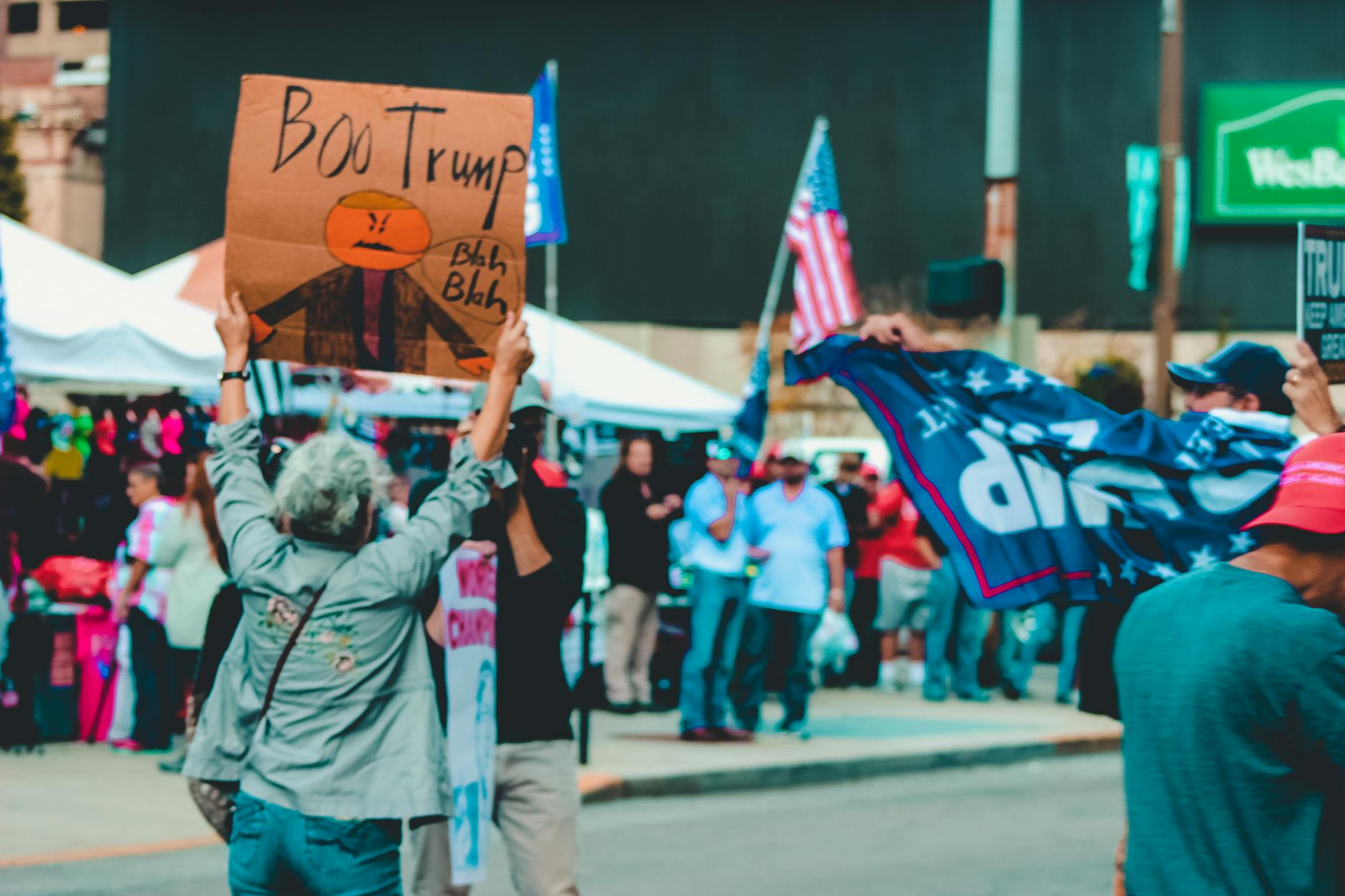
Catholic voters represent a crucial swing constituency in 2026, and Trump’s visible conflict with Pope Leo could shift outcomes in competitive races. In states like Pennsylvania, Michigan, and Wisconsin—all with significant Catholic populations—Pope Leo’s moral authority combined with Trump’s foreign policy decisions could influence candidate preferences. The Washington Post analysis suggests that the Trump administration is aware of this risk, even if they are not visibly responding to it. However, the partisan split in Catholic approval also limits the electoral impact.
📨 Get Free Accountability Coverage Alerts
Free · No spam · Unsubscribe anytime
Conservative Catholic voters who support the Republican Party’s positions on abortion, religious liberty, and immigration may be more likely to ignore Pope Leo’s criticism of the Iran War. For these voters, Republican alignment on cultural issues outweighs papal criticism on foreign policy. Meanwhile, progressive Catholic voters who agree with Pope Leo on the war may already be voting for Democratic candidates. The real question for 2026 is whether Pope Leo’s intervention moves the small number of Catholic swing voters who have not yet decided or who are potentially persuadable.
The Precedent of an American Pope in Future US Politics
Pope Leo XIV’s elevation to the papacy has created a permanent structural change in how papal politics will interact with US politics. Future popes may not be American, but the fact that an American pope has now existed means that American political leaders and voters will always view the Vatican through the lens of this precedent. They will ask whether future popes have the same kinds of American sympathies or American political engagement that Pope Leo has demonstrated.
The long-term significance of Pope Leo’s papacy may lie not in immediate policy changes but in normalizing the idea that the pope is a relevant voice in American political debates. Over the next several decades, this could influence how Americans of all political persuasions think about religious authority, national sovereignty, and the role of moral leadership in politics. If Pope Leo successfully shifts some Catholic voters on the Iran War, future popes may be emboldened to intervene on other issues. Conversely, if his interventions provoke backlash or are perceived as ineffective, future popes may adopt a more cautious approach to American political matters.
Conclusion
A new pope—particularly an American pope like Pope Leo XIV—can and does influence US politics, but the influence is more constrained than his approval ratings might suggest. Pope Leo’s condemnation of the Iran War has resonated with progressive Catholics and religious voters who respect papal authority, but it has not deterred the Trump administration from continuing the war, and it is unlikely to sway conservative Catholics who prioritize other issues. His influence is real but concentrated among voters who are already predisposed to listen, and it is filtered through partisan identities that limit his ability to build broad consensus.
The 2026 midterm elections will provide a crucial test of whether Pope Leo’s moral authority translates into electoral outcomes. Catholic voters represent a persuadable constituency, and Trump’s visible conflict with the pope could shift outcomes in competitive states. However, the deep partisan divide among Catholics—with 90% of progressive Catholics supporting Pope Leo compared to 63% of conservative Catholics—suggests that his influence will reinforce existing partisan lines rather than transcending them. As Americans evaluate both Trump’s administration and Pope Leo’s challenges to it, the question is not whether the pope can influence politics, but rather how much influence he will ultimately have among voters who must choose between competing moral and political identities.
Frequently Asked Questions
Is Pope Leo XIV the first American pope in history?
Yes. Pope Leo XIV, born and raised in Chicago, was elevated to the papacy around May 2025 and is the first pope of American origin.
What is Pope Leo’s approval rating compared to President Trump’s?
As of April 2026, a Reuters/Ipsos poll found that 60% of Americans approve of Pope Leo XIV, compared to 36% who approve of President Trump’s job performance.
What percentage of Americans are Catholic?
Approximately 20% of Americans are Catholic, representing about 53 million US adults.
What has Pope Leo said about the Iran War?
Pope Leo has called the Iran War “unjust” and criticized invoking Jesus Christ to justify military action, calling such reasoning “distorted by a desire for domination” and “entirely foreign to the way of Jesus Christ.”
Do most Americans believe the pope can influence US politics?
No. Fewer than 1 in 5 Americans (roughly 20%) believe the pope can have a great deal of influence on US affairs, and 46% believe the pope should stay out of US domestic affairs entirely.
How do Catholic voters divide on papal authority by political affiliation?
Approximately 90% of Catholics who are Democrats or lean progressive view Pope Leo favorably, compared to 63% of Republican or conservative-leaning Catholics—a 27-point partisan divide.
You Might Also Like
- Could a Surprise Republican Candidate Emerge?
- Would Don Jr. Ever Run for President?
- Why Young Adults Feel Locked Out of the American Dream