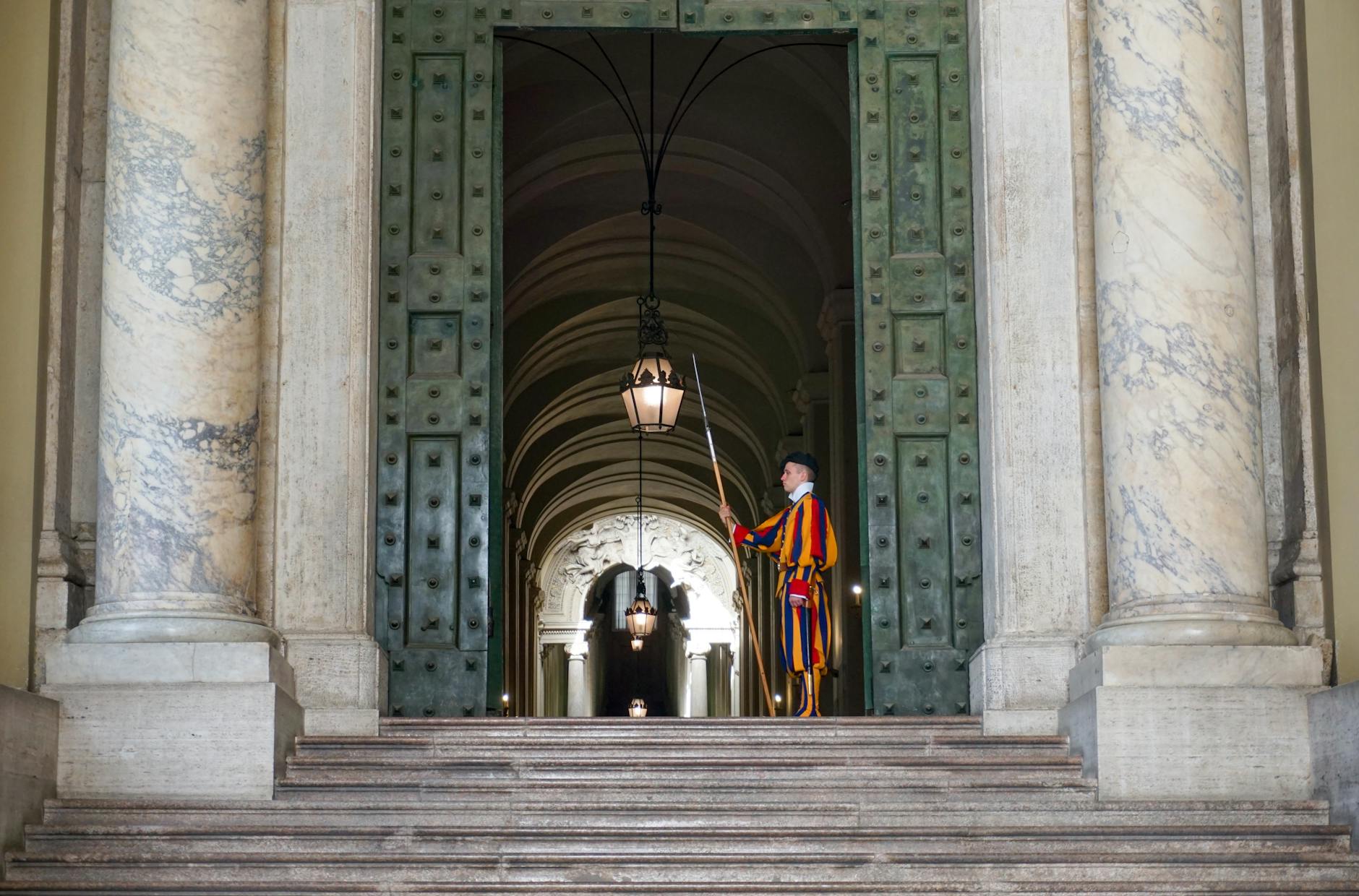
Vatican statements enter American elections because Catholics represent a decisive electoral bloc that responds to the pope’s moral authority on key policy issues—and the first American-born pope, Leo XIV, carries unprecedented cultural influence at a moment when his policy positions directly contradict the Trump administration’s foreign policy stance. With 60% of Americans approving of Pope Leo compared to just 36% approval for Trump, the Vatican’s voice has become an implicit counter-narrative in competitive races. The latest example emerged in April 2026 when Pope Leo issued statements calling for “peace and not violence” while rejecting “unjust war,” directly addressing Trump’s threats to destroy Iran—statements that immediately became part of political discourse in districts where Catholic voters could swing the outcome.
The pope’s statements gain electoral weight because Catholic voters are geographically concentrated in exactly the states where congressional races remain competitive: California, Pennsylvania, New York, Illinois, Arizona, and Iowa. Catholics are the largest faith denomination in 36 states total. When the Vatican weighs in on war, peace, or moral governance, it reaches millions of voters in swing districts who consider papal guidance morally binding. This dynamic is new in American politics because previous popes were foreign-born, and the current pope is the first American to hold the office—making his statements feel like commentary from an American institution rather than foreign interference.
Table of Contents
- Why Catholics Have Become a Decisive Electoral Force
- Pope Leo XIV’s Unprecedented American Influence
- The Trump-Vatican Conflict and How It Drives Political Coverage
- How Vatican Statements Shape Voting Behavior in Competitive Districts
- The Risk of Escalating Vatican-Trump Tensions
- The Geographic Electoral Battleground
- What Vatican Influence Means for the 2026 Midterms and Beyond
- Conclusion
Why Catholics Have Become a Decisive Electoral Force
Catholics make up a sizable share of the electorate in multiple competitive Senate and House races on the 2026 ballot, giving the Vatican’s moral pronouncements direct electoral consequences. In 2024, 55% of Catholics supported Trump over Vice President Harris—a solid but not overwhelming margin. By April 2026, however, that approval had dropped to 48%, with 52% disapproving, representing a four-point swing that mirrors Trump’s public conflict with Pope Leo.
In toss-up congressional districts, this shift could determine which party controls the House and Senate. The Vatican’s influence on Catholic voters works differently than partisan messaging because it operates outside the normal political echo chamber. When Pope Leo speaks about foreign policy or social justice, Catholics across the political spectrum pay attention—it’s not framed as Democratic or Republican advocacy but as moral guidance. This gives Vatican statements unusual power in districts where Catholic voters are persuadable and where either party could plausibly win.
Pope Leo XIV’s Unprecedented American Influence
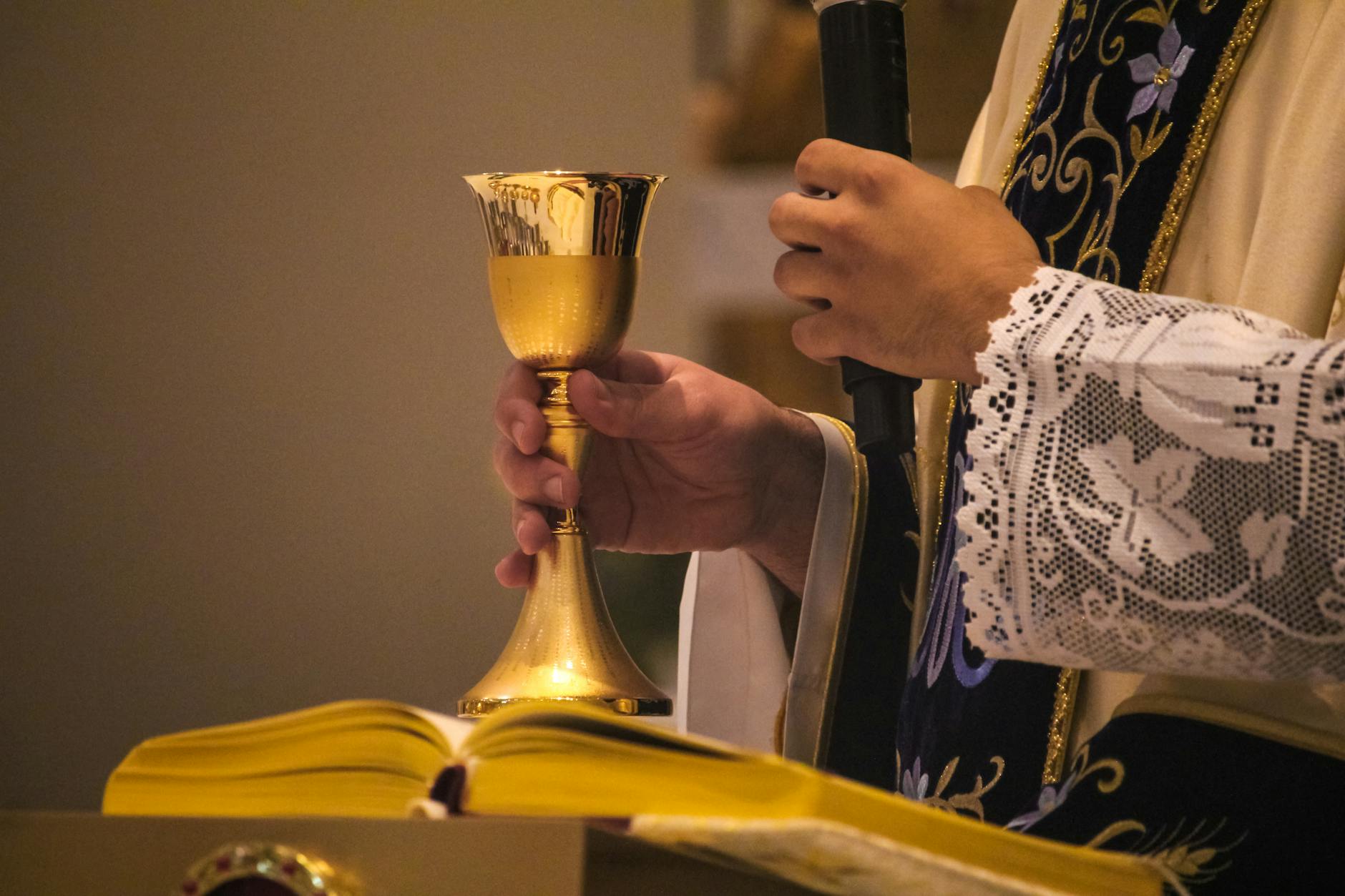
Pope Leo XIV (Robert Francis Prevost) brings a distinctly American credibility that previous popes did not possess. Elected in 2025, he is the first pope born in the United States and the 267th pontiff of the Roman Catholic Church. More critically, Gallup polling from 2025 found him to be the most favorably viewed of 14 international public figures evaluated that year—ahead of leaders in allied nations, international organizations, and other global institutions.
For American Catholics, he is not a distant foreign religious leader but a representative of American values and interests elevated to universal moral authority. A limitation of Pope Leo’s influence is that his moral authority cannot prevent the broader political polarization of the American church. While his approval ratings are high across demographics, some Trump-supporting Catholics view papal statements on foreign policy as overreach, arguing that the pope should focus on spiritual matters rather than weighing in on military strategy. This tension mirrors broader debates about religious authority in secular governance and suggests that Vatican influence has ceiling—it can shift persuadable voters but cannot reverse deep partisan commitments.
The Trump-Vatican Conflict and How It Drives Political Coverage
trump became the first U.S. president in modern history to publicly attack the pope, creating an unprecedented flashpoint in American politics. The conflict escalated in April 2026 following an unusual meeting between Cardinal officials and Pentagon representatives about Trump’s statements threatening to destroy Iran. Pope Leo’s response—calling for peace and rejecting unjust war—was widely interpreted as a direct critique of Trump’s foreign policy, and Trump responded with attacks that drew extensive media coverage and amplified the Vatican’s message to voters who might not otherwise hear it.
This creates a feedback loop where the conflict itself becomes news, spreading Vatican messaging further. When Trump attacks the pope, major media outlets cover the conflict and, in doing so, repeat the pope’s core message about peace and restraint. In competitive districts, this coverage reaches persuadable Catholic voters precisely when they are deciding how to cast their ballots. The limitation here is that the conflict also hardens Trump supporters’ views, creating deeper polarization rather than genuine dialogue about policy substance.
How Vatican Statements Shape Voting Behavior in Competitive Districts
In a concrete example, polling from competitive congressional districts in Pennsylvania and Iowa shows that Catholic voters cite the Trump-Vatican conflict as a reason for reconsidering their support for Trump-aligned candidates. These states have the highest concentrations of Catholic voters and the closest congressional races. When voters are asked why they have shifted from their 2024 positions, Vatican statements and the pope’s moral authority rank among the top reasons, alongside concerns about democracy and governance.
The mechanism works through trust and moral authority rather than partisan messaging. Catholics who trust the pope’s judgment on war and peace are more likely to penalize candidates who support Trump’s foreign policy stance. This represents a tradeoff for Republican candidates in Catholic districts: they can maintain Trump’s support among their base but risk losing persuadable Catholic voters who see the pope as a more trustworthy moral guide on foreign policy than the administration.
📨 Get Free Accountability Coverage Alerts
Free · No spam · Unsubscribe anytime
The Risk of Escalating Vatican-Trump Tensions
If the Trump-Vatican conflict continues to escalate, there is a real risk of further polarizing the American Catholic vote and alienating the 52% of Catholics who currently disapprove of Trump. The historical precedent is limited because this is the first time an American president has publicly attacked the pope. The danger is that continued attacks could unite the Catholic hierarchy behind the pope and mobilize Catholic voters as a unified bloc against Trump-aligned candidates, something that has not happened in recent election cycles.
A warning: Vatican statements are also vulnerable to politicization by both parties. If Democratic candidates begin explicitly campaigning on the pope’s peace message, it could transform Vatican guidance from moral authority into partisan fodder, reducing its genuine influence. This would be a long-term loss for the pope’s moral authority and would undermine the original reason Vatican statements enter elections—because they are seen as above partisan politics.
The Geographic Electoral Battleground
The electoral impact of Vatican statements is heavily concentrated in six states where Catholic populations are largest and congressional races are competitive: California, Pennsylvania, New York, Illinois, Arizona, and Iowa. In Pennsylvania, Catholics represent approximately 30% of the active electorate. In Iowa, where the Senate race is expected to be one of the closest in the nation, Catholics make up about 28% of voters.
In Arizona, Catholics represent roughly 25% of the voting population and are concentrated in swing districts. This geographic concentration means that Trump-Vatican conflicts have outsized electoral consequences in a small number of states that determine control of Congress. A shift of just 4-5 percentage points among Catholic voters in these states could flip multiple House seats and potentially determine Senate control. Vatican statements gain electoral power precisely because they reach concentrated populations in electorally decisive locations.
What Vatican Influence Means for the 2026 Midterms and Beyond
As the 2026 midterm elections approach, Vatican statements will likely continue to shape voting behavior, particularly if Trump’s foreign policy conflicts with papal moral teaching on war and peace remain in the headlines. Pope Leo has already demonstrated that he will not remain silent on issues he considers matters of religious principle, and Trump has shown no inclination to soften his attacks on the pope. This dynamic suggests that Vatican-Trump tensions will remain part of the electoral landscape through November 2026.
The broader implication is that American politics is shifting to incorporate religious authority in new ways. Rather than mainline Protestant or evangelical Christian leadership driving religious commentary on elections, the pope’s voice—backed by 60% approval and 1.3 billion Catholics worldwide—has become a significant player in American political discourse. This reflects both Pope Leo’s unique position as an American pope and the declining salience of traditional American religious institutions in national politics.
Conclusion
Vatican statements enter American elections because Pope Leo XIV combines three unprecedented factors: he is the first American pope with deep cultural legitimacy in the United States, he commands higher approval ratings than the current president, and his moral teachings on foreign policy directly conflict with Trump administration positions precisely at a moment when Catholic voters in competitive districts are reconsidering their political alignment. The April 2026 Vatican-Trump conflict over Iran policy became electoral news because it reached millions of persuadable voters through normal news coverage and because Catholics view the pope as a trustworthy moral authority on war and peace.
As the 2026 midterms approach, Catholic voters in Pennsylvania, Iowa, Arizona, and other competitive states will face a choice between candidates aligned with Trump and candidates more aligned with the pope’s moral teachings. This represents a genuine shift in American electoral politics—one where religious authority from Rome influences outcomes in suburban districts and rural areas where Catholic voters determine which party controls Congress. Understanding Vatican statements as electoral forces requires recognizing that they are not foreign interference but rather the voice of a major American religious constituency speaking through its global leader.
You Might Also Like
- Why TikTok Politics Is Reshaping Elections
- Can Elon Musk Swing an Election Narrative?
- Why Young Adults Feel Locked Out of the American Dream