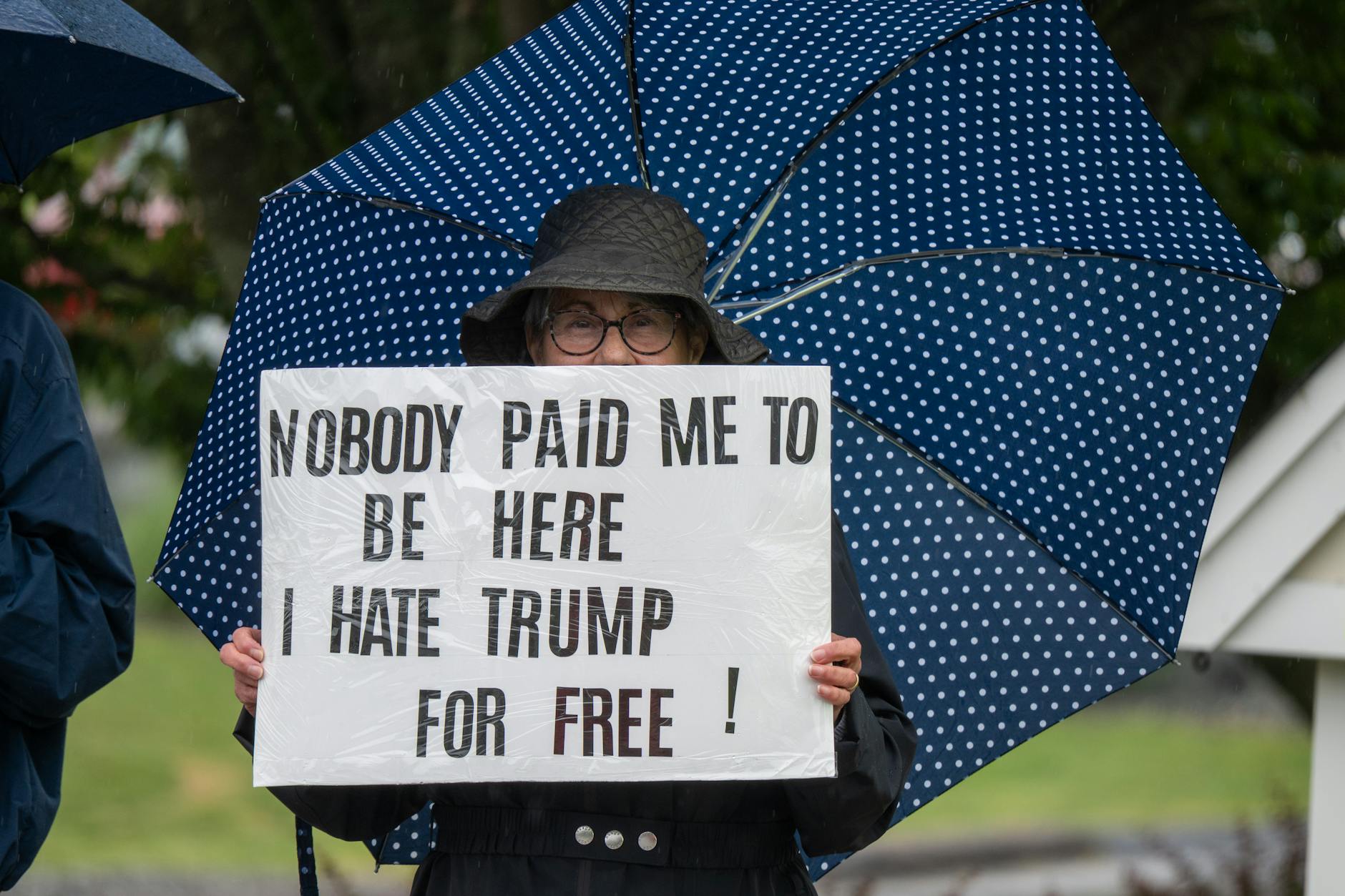
President Donald Trump’s approval ratings have hit historic lows in his second term as of April 24, 2026. Multiple polling organizations tracking the president’s approval across this period report numbers that represent his weakest standing since taking office again in January 2025. The ratings underscore a significant shift in public sentiment driven primarily by two interconnected crises: an escalating military conflict with Iran and sharply rising consumer prices that have outpaced Americans’ ability to adapt, creating widespread economic frustration across both political parties.
The decline is particularly striking when measured across independent polling methodologies. Nate Silver’s Silver Bulletin reported 39% approval and 57.7% disapproval as of April 23, 2026, with a net approval rating of -18.8 points—marking a new second-term low. Other surveys paint an even grimmer picture: the Strength in Numbers/Verasight poll conducted April 10-14 showed 35% approval against 61% disapproval (net -26), while the American Research Group survey reported the lowest figures at 32% approval and 63% disapproval (net -31). These aren’t fringe outliers—major outlets including CNBC and NBC News corroborate the general downward trajectory with their own independent polling.
Table of Contents
- What Do the Numbers Tell Us About Trump’s Current Approval?
- Why Is Economic Approval Trump’s Most Critical Weakness?
- What Are the Primary Drivers Behind the Approval Collapse?
- How Does Trump’s Current Standing Compare to Historical Baselines?
- What Are the Limitations of These Polling Figures?
- What Do These Ratings Mean for Trump’s Policy Agenda?
- What’s the Outlook for Trump’s Approval Ratings?
- Conclusion
What Do the Numbers Tell Us About Trump’s Current Approval?
The variance across polling organizations reveals a consistent pattern rather than conflicting conclusions. While individual surveys range from 32% to 40% overall approval, every major poll places Trump’s disapproval above 57%. The CNBC All-America Economic survey recorded 40% approval with 58% disapproval (net -18), and NBC News’s Decision Desk Poll showed 37% approval. The consistency of this pattern—regardless of which organization conducted the survey or which specific methodology they employed—strengthens confidence that Trump’s approval genuinely exists in the mid-to-upper 30s, representing a significant erosion from his standing earlier in 2026.
What distinguishes these April 2026 ratings is not merely that they are low, but that they represent declines within Trump’s second term itself. These are not comparisons to his first term or to previous presidents, but rather measurements of deterioration during his current tenure. A president who entered his second term with higher approval numbers now finds himself at a double-digit net negative rating across all major polling organizations. The persistence of this pattern across different demographic segments and geographic regions indicates the problem is not localized to particular voter groups but represents a broader national sentiment.

Why Is Economic Approval Trump’s Most Critical Weakness?
The economic component of trump‘s approval presents the starkest numbers of all. Just 31% of Americans approve of Trump’s handling of the economy—described as a career low across his entire political career in multiple reporting outlets. Even more severe, only 26% approve of Trump’s handling of prices and inflation, with 72% disapproving. This net -46 approval rating on prices represents the single weakest approval metric tracked in contemporary polling, suggesting that Americans’ frustration with the cost of living has become the dominant factor shaping their overall view of his presidency.
The deterioration accelerated notably from January through April 2026. According to G. Elliott Morris’s April polling analysis, Trump’s net approval on prices declined from -31 in January to -35 in February, -40 in March, and -46 in April. This month-by-month deterioration suggests the problem is not static but accelerating—each month brings greater disapproval as prices remain stubbornly elevated. The limitation to note here is that these polling figures measure perception and disapproval of how Trump is handling prices, not necessarily blame assignment or understanding of the actual causes behind price increases. However, in democratic governance, perception often matters more than causality when voters make decisions about leadership.
What Are the Primary Drivers Behind the Approval Collapse?
Two specific factors emerge repeatedly in analysis of Trump’s approval decline: the military conflict with Iran and sustained high gasoline prices. The Iran war, which had escalated to active military engagement by April 2026, represents a significant foreign policy crisis that affected Americans both through its human costs and through its economic consequences. Gasoline prices, remaining elevated throughout the first quarter and into April 2026, created a constant reminder of economic pressure every time Americans filled their vehicles or saw energy bills arrive. These two crises created a reinforcing cycle of disapproval.
The Iran conflict contributed to oil market uncertainty, which in turn pressured gasoline prices upward. High gasoline prices then rippled through the broader economy, affecting transportation costs for goods, food prices at grocery stores, and the cost of goods delivery. Americans experiencing this chain reaction were more likely to express disapproval of Trump’s overall job performance. The specific example worth noting: a family filling up a car at the pump in April 2026 was experiencing not just the visible gasoline price but the invisible economic consequences of military conflict overseas, creating a tangible link between foreign policy and household finances that shaped overall approval sentiment.

How Does Trump’s Current Standing Compare to Historical Baselines?
Trump’s second-term approval ratings in April 2026 place him in historically weak territory compared even to controversial moments in his first term. While first-term comparisons require caution—different circumstances, different polling methodologies, and different time periods all affect direct comparison—the consensus among polling analysts is that his current position represents profound weakness.
The designation of April 2026 figures as “new second-term lows” indicates he has declined from wherever he stood in earlier months of 2026, which themselves were presumably higher than the April figures. For context, approval ratings in the high 30s or low 40s have historically been associated with political vulnerability, reduced legislative leverage, and increased primary or general election risk. While Trump still retains support from a meaningful portion of the American population, the breadth of disapproval—with majorities across multiple demographic groups and geographic regions expressing disapproval—distinguishes this moment from periods of polarized but comparatively static approval. The tradeoff worth noting: while Trump maintains a stable base of supporters (the 32-40% range suggests his core supporters have not abandoned him), the overall environment has shifted negatively among swing voters and less ideologically committed Republicans.
📨 Get Free Accountability Coverage Alerts
Free · No spam · Unsubscribe anytime
What Are the Limitations of These Polling Figures?
Approval polls, while useful indicators of public sentiment, contain inherent limitations that context-setters often overlook. First, approval polls measure whether Americans approve of Trump’s job performance—not whether they will vote for or against him in elections, not whether they believe he should be removed from office, and not whether they hold him responsible for specific policy outcomes. The relationship between approval ratings and electoral outcomes is real but not deterministic; voters sometimes choose candidates with lower approval ratings for various strategic or partisan reasons. Second, these polls measure a moment in time rather than a trajectory.
The April 2026 figures represent snapshots taken during a specific crisis period—the Iran war and elevated gas prices. Should either of these conditions change materially, approval ratings could shift upward. Conversely, if these conditions worsen or additional crises emerge, ratings could decline further. The limitation to flag: polling organizations and political commentators sometimes treat approval ratings as more predictive or determinative than they actually are. Historical precedent suggests that approval ratings can rebound during rallying events or crises that shift public attention, though Trump’s economic disapproval (the most entrenched area of weakness) may prove more resistant to such shifts.

What Do These Ratings Mean for Trump’s Policy Agenda?
Lower approval ratings typically translate into reduced legislative leverage and greater difficulty pushing major policy initiatives through Congress. While presidential powers include executive actions and regulatory changes that don’t require congressional approval, most significant legislation requires at least some congressional cooperation. Trump’s current approval numbers likely constrain his ability to negotiate with Republican moderates or independents in Congress, as these lawmakers face reduced political cover for supporting unpopular presidential initiatives. A specific example: if Trump seeks to push controversial economic or foreign policy changes, Republican members of Congress from swing districts or states where disapproval is particularly high may face voter backlash if they publicly support those initiatives.
The practical implication extends to regulatory and judicial appointments, budget negotiations, and emergency declarations. While executive branch agencies can move forward with implementation of Trump’s priorities through rulemaking processes, major legislative achievements require congressional votes. With 57-63% disapproval according to recent polls, the president lacks the political capital traditionally available to first-term presidents or those with higher approval ratings. This doesn’t mean his agenda stalls entirely—executive power remains substantial—but it does constrain the scope of legislative change he can achieve.
What’s the Outlook for Trump’s Approval Ratings?
Approval ratings prove notoriously difficult to predict, particularly in periods of active crisis. The Iran conflict and gasoline prices represented two dynamic factors in April 2026. Should the military situation stabilize, de-escalate, or move in a direction Americans perceive as successful, approval could improve—though foreign policy improvements often produce only temporary “rally around the flag” effects that dissipate once the crisis fades. Energy markets and gasoline prices remain subject to global oil supply dynamics, OPEC decisions, and refinery capacity—factors partially outside the direct control of U.S.
presidents despite political perception suggesting presidential responsibility. The more entrenched challenge appears to be economic approval, which declined steadily month-by-month from January through April 2026. If underlying inflation and price pressures persist through summer 2026 and beyond, the economic disapproval that currently sits at net -46 on prices may prove more stubborn than approval movements tied to foreign policy. Historical precedent suggests that presidents facing sustained economic disapproval rarely see sharp rebounds unless economic conditions themselves materially improve or unemployment rises so dramatically that voters shift their focus to job creation rather than prices.
Conclusion
Donald Trump’s approval ratings at the end of April 2026 represent a second-term low across multiple independent polling organizations, with overall approval in the 32-40% range and disapproval in the 57-63% range. The decline stems from two primary sources: military escalation with Iran and sustained high gasoline prices that have degraded consumer purchasing power and shaped Americans’ overall economic outlook.
Economic approval metrics are particularly weak, with price approval at net -46—the lowest approval rating tracked in contemporary polling. The immediate practical consequences include reduced presidential leverage with Congress, increased constraint on major legislative initiatives, and heightened vulnerability to political challengers. While approval ratings remain subject to change based on evolving circumstances, the structural drivers of current disapproval—particularly sustained economic frustration with prices—may prove resistant to dramatic reversal unless underlying economic conditions improve materially.
You Might Also Like
- Trump Says He Will Tax remittances sent abroad. Here’s what that could do to immigrant families
- Trump Says He Will Overhaul Medicare Advantage payments. Here’s the reimbursement system
- Trump Says He Will Create a national voter ID standard. Here’s What States Control