
New York City’s February 2026 blizzard delivered a historic wallop, dumping up to 24 inches of snow across parts of the five boroughs and prompting Mayor Zohran Mamdani to issue a citywide travel ban and declare a local state of emergency. Central Park recorded 19.7 inches, placing this storm among NYC’s top 10 snowstorms on record, while eastern Staten Island saw accumulations exceeding 24 inches. The mayor had initially warned that some areas could see up to 28 inches, and while final totals came in slightly below that ceiling, the storm was no less disruptive. The blizzard, which triggered the first blizzard warning for the city since March 2017, shut down bridges, highways, and streets to all vehicle traffic beginning Sunday evening, February 22.
Public schools were closed. Subway and Long Island Rail Road service were suspended during the worst hours. In response, the city mobilized more than 5,000 DSNY trucks, 2,300 plows, and 700 salt spreaders in a round-the-clock sanitation operation that distributed over 50 million pounds of salt by Monday afternoon. This article breaks down the forecast versus actual snowfall totals, the scope of the travel ban, the sanitation response, and what the storm’s aftermath means for city preparedness going forward.
Table of Contents
- How Much Snow Did the NYC Blizzard Actually Deliver Compared to the 28-Inch Forecast?
- What Did the Citywide Travel Ban Actually Prohibit and When Was It Lifted?
- Inside the 5,000-Truck Sanitation Response That Cleared 99.5% of Streets
- How the Blizzard Disrupted Transit, Flights, and Regional Travel
- What a State of Emergency Declaration Actually Means for NYC Residents
- How This Blizzard Compares to NYC’s Worst Snowstorms
- What the 2026 Blizzard Signals for Future City Preparedness
- Conclusion
- Frequently Asked Questions
How Much Snow Did the NYC Blizzard Actually Deliver Compared to the 28-Inch Forecast?
Mayor Mamdani’s warning that parts of the city could see up to 28 inches grabbed headlines, and for good reason. That kind of accumulation would have rivaled some of the most extreme snowfalls in the city’s recorded history. In the end, the storm delivered between 15 and 24 inches across the five boroughs, with official national Weather Service observation sites reporting totals that varied significantly depending on location. Central Park, the benchmark station for NYC weather records, logged 19.7 inches. LaGuardia Airport measured 22.5 inches. JFK Airport came in at 20.2 inches.
Eastern Staten Island took the hardest hit with more than 24 inches. The variation across the city is worth noting because it illustrates a limitation of headline forecasts. A single number like “up to 28 inches” reflects the upper bound of model projections, not a uniform expectation. Residents in northern Manhattan or the Bronx may have experienced 15 to 17 inches and wondered what the fuss was about, while people digging out in Staten Island or southeastern Queens dealt with something far closer to the worst-case scenario. For context, the February 2006 blizzard dropped 26.9 inches on Central Park, and the January 2016 storm hit 27.5 inches. This storm fell short of those marks at the official station but was firmly in the same category of severity across large swaths of the metro area.

What Did the Citywide Travel Ban Actually Prohibit and When Was It Lifted?
The travel ban Mayor Mamdani imposed beginning at 9 p.m. on Sunday, February 22 was broad and enforceable. All bridges, highways, and city streets were closed to cars, commercial trucks, and e-bikes. This was not a suggestion or an advisory. Vehicles found on the road during the ban were subject to towing and fines. The restriction remained in place through at least noon on Monday, February 23, at which point the ban was lifted, though the mayor urged continued caution for the rest of the day.
However, if you assumed the travel ban meant all movement was prohibited, that was not quite the case. Emergency vehicles remained operational. Pedestrians were not technically barred from sidewalks, though walking conditions were dangerous. The ban was primarily aimed at keeping roads clear so plows could operate efficiently without dodging stranded or stuck vehicles. This is a critical distinction because past storms where travel bans were either not issued or not enforced saw significant problems with abandoned cars blocking plow routes, delaying the entire clearing operation by hours or even days. The decision to pair the ban with a declared state of emergency and a public school snow day signaled that city leadership viewed this storm as a genuine threat to public safety, not a routine winter inconvenience.
Inside the 5,000-Truck Sanitation Response That Cleared 99.5% of Streets
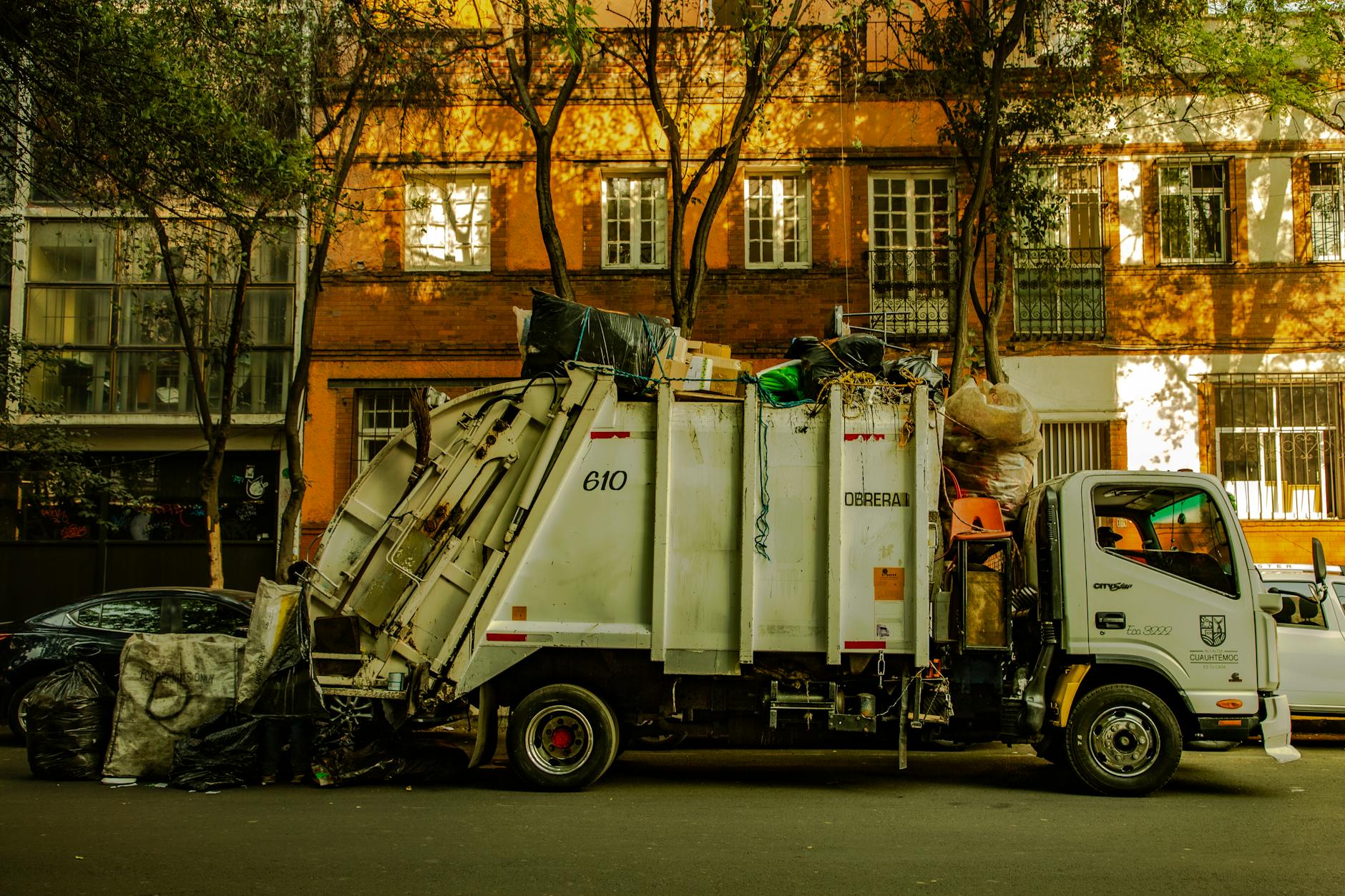
The numbers behind the city’s sanitation mobilization were staggering. The Department of Sanitation deployed 2,600 workers per 12-hour shift, operating around the clock. More than 2,300 plows and 700 salt spreaders were put into service. By noon on Monday, DSNY reported that 99.5 percent of city streets had been plowed at least once, and over 50 million pounds of salt had been spread across roadways. In total, more than 5,000 DSNY trucks were deployed throughout the operation.
That 99.5 percent figure is impressive on its face, but it comes with a practical caveat. “Plowed at least once” does not mean a street is clear or safe. Residential side streets in neighborhoods like Midwood, Throggs Neck, or the South Shore of Staten Island may have seen a single pass that pushed snow to the curb but left behind compacted layers that froze overnight. The difference between a plowed arterial road and a plowed residential block is significant. Still, compared to the city’s widely criticized response to the December 2010 blizzard, when entire neighborhoods went unplowed for days and the sanitation department faced accusations of an intentional slowdown, the February 2026 operation represented a markedly more coordinated effort.
How the Blizzard Disrupted Transit, Flights, and Regional Travel
The storm’s impact extended well beyond city streets. Significant flight cancellations and ground stops hit all three major area airports. LaGuardia, JFK, and Newark Liberty all saw hundreds of flights scrubbed on Sunday evening and throughout Monday morning. Airlines began issuing travel waivers days before the storm arrived, but passengers who waited to rebook found slim options, particularly for Monday and Tuesday departures.
Subway service was suspended during the worst of the storm, a decision that has historically been controversial. The MTA’s calculus involves weighing the risk of stranding passengers underground or on elevated tracks against the public demand for transit access. Long Island Rail Road service was also suspended. For commuters who rely on these systems, the tradeoff is straightforward but painful: a full shutdown protects infrastructure and passenger safety but leaves essential workers, particularly those in healthcare and emergency services, scrambling for alternatives. Blizzard warnings were issued across the majority of northeastern Mid-Atlantic states, meaning regional bus and Amtrak service faced similar disruptions, compounding the isolation for anyone trying to travel into or out of the metro area.
What a State of Emergency Declaration Actually Means for NYC Residents
When Mayor Mamdani declared a local state of emergency, it activated a set of legal and logistical powers that go beyond symbolism. A state of emergency allows the city to impose curfews, commandeer private resources, suspend certain regulations to speed response efforts, and access state and potentially federal disaster funding more quickly. It also provides legal cover for extraordinary measures like the travel ban. What it does not do, and what residents should be aware of, is automatically trigger insurance provisions or federal disaster relief.
A local emergency declaration is distinct from a state-level or federal disaster declaration. Homeowners dealing with roof damage from snow loads, basement flooding from snowmelt, or burst pipes would need to file claims through their standard homeowner’s insurance. If damage reached a scale where FEMA involvement was warranted, that would require a separate federal declaration, which was not issued for this storm. Renters in particular should be cautious: landlords are required to maintain heat and make habitability repairs regardless of weather emergencies, but enforcement during and immediately after a major storm can lag significantly.
How This Blizzard Compares to NYC’s Worst Snowstorms
Central Park’s 19.7-inch total places the February 2026 blizzard in the top 10 snowstorms in NYC’s recorded history, though it falls short of the top five. The all-time record remains the January 2016 storm at 27.5 inches, followed closely by the February 2006 event at 26.9 inches.
📨 Get Free Accountability Coverage Alerts
Free · No spam · Unsubscribe anytime
What made this particular storm notable was its combination of heavy snowfall, sustained high winds that created near-zero visibility for several hours, and its arrival on a weekend evening, which complicated both the travel ban enforcement and the sanitation response timeline. The fact that it was the first blizzard warning issued for the city since March 2017 underscores that true blizzard conditions, where sustained winds and snow combine to shut a city down, remain relatively rare events even in a region accustomed to harsh winters.
What the 2026 Blizzard Signals for Future City Preparedness
The city’s response to this storm will inevitably become a benchmark for future administrations. Mayor Mamdani, who took office relatively recently, faced his first major weather test, and the early indicators suggest the sanitation and emergency management operations performed well by historical standards. The 99.5 percent street clearance rate, the preemptive travel ban, and the school closure all reflect lessons learned from past failures, particularly the 2010 debacle.
Going forward, the questions will shift to longer-term infrastructure resilience. Coastal neighborhoods that saw the heaviest snow, particularly in Staten Island and southern Brooklyn, are often the same communities most vulnerable to storm surge and flooding. As winter storms become more variable in intensity, the city’s capacity to scale its response quickly, from salt reserves to plow deployment to transit shutdowns, will be tested again. The February 2026 blizzard was not the worst storm New York has ever seen, but it was a serious one, and how the city handled it offers a useful template for what works and where gaps remain.
Conclusion
The February 2026 blizzard brought 15 to 24 inches of snow across NYC’s five boroughs, with Central Park’s 19.7-inch total landing among the city’s top 10 recorded snowstorms. Mayor Mamdani’s decision to issue a travel ban, declare a state of emergency, and close public schools reflected an aggressive posture that kept roads clear enough for the sanitation department to plow 99.5 percent of streets within roughly 15 hours.
More than 5,000 DSNY trucks, 2,300 plows, and 50 million pounds of salt were deployed in the effort. For residents, the immediate takeaways are practical: monitor official city channels for travel ban updates during future storms, understand that emergency declarations do not automatically trigger insurance or federal relief, and recognize that even a well-managed storm response leaves residential side streets and outer-borough neighborhoods waiting longer for full clearance. The city passed this test, but the next one is always coming.
Frequently Asked Questions
How much snow did Central Park get during the February 2026 blizzard?
Central Park officially recorded 19.7 inches, making it one of NYC’s top 10 snowstorms on record. Other parts of the city saw more, with eastern Staten Island exceeding 24 inches and LaGuardia Airport measuring 22.5 inches.
When was the NYC travel ban in effect during the blizzard?
The citywide travel ban began at 9 p.m. on Sunday, February 22, and was lifted Monday afternoon, February 23. During the ban, all bridges, highways, and streets were closed to cars, commercial trucks, and e-bikes.
Was this the first blizzard warning for NYC in recent years?
Yes. This was the first blizzard warning issued for New York City since March 2017, nearly nine years earlier.
How many sanitation workers and trucks were deployed?
The city deployed 2,600 DSNY workers per 12-hour shift, with more than 5,000 trucks, 2,300 plows, and 700 salt spreaders mobilized overall. Over 50 million pounds of salt were distributed by noon Monday.
Were NYC public schools closed during the blizzard?
Yes. Mayor Mamdani declared a snow day for NYC public schools as part of the local state of emergency declaration.
Did the blizzard affect subway and train service?
Yes. Subway service and Long Island Rail Road service were both suspended during the worst of the storm. Significant flight cancellations and ground stops also affected all area airports.
You Might Also Like
- Northeast Just Got Hit by the Worst Blizzard in 46 Years…What 40 Million People Are Facing
- Ukraine-Russia Geneva Peace Talks Hit Impasse on Day 1 Already
- US Withdraws Forces From Northeast Syria as Iran Crisis Pulls Military Resources