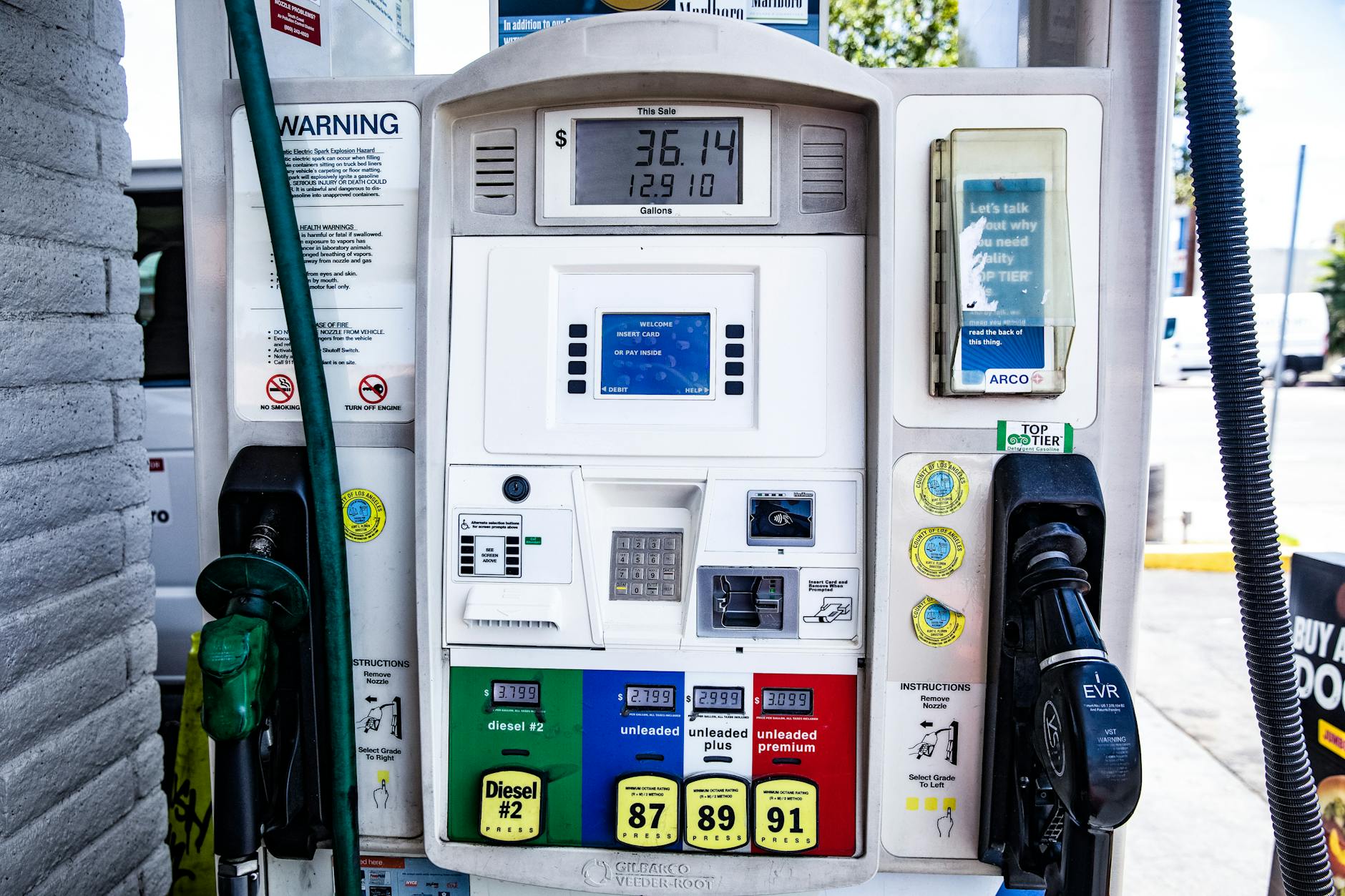
No, gas prices under Donald Trump were not the “lowest in modern history.” That claim, repeated in speeches, social media posts, and even during the 2026 State of the Union address, has been rated false or misleading by every major fact-checking organization that has examined it, including CNN, PBS, CBS, Poynter, FactCheck.org, and Snopes. The actual lowest gas prices in modern history occurred in April 2020, when the national average hit $1.84 per gallon according to the U.S. Energy Information Administration — a collapse driven entirely by the COVID-19 pandemic destroying global oil demand, not by any deliberate policy achievement. When Trump took office in January 2025, the national average was $3.11 per gallon. By December 2025, it had fallen modestly to $2.94.
Neither figure comes close to a historical low. The gap between rhetoric and reality has grown even wider in recent weeks. As of mid-March 2026, the national average has surged to roughly $3.72 to $3.86 per gallon, driven by the escalating conflict with Iran and oil prices pushing past $100 per barrel. Diesel is approaching $5.00 per gallon. Trump’s own Energy Department now projects gas will remain above $3.00 per gallon through 2027. This article breaks down the actual historical gas price record, examines the specific claims Trump has made and why they are false, looks at what truly drives prices at the pump, and considers what consumers should realistically expect going forward.
Table of Contents
- Were Gas Prices Really the “Lowest in Modern History” Under Trump?
- The $1.98 Claim That No One Could Verify
- What Actually Drives Gas Prices — And Why Presidents Get Too Much Credit
- How the Current Iran Conflict Is Reshaping the Price Outlook
- Why Gas Price Misinformation Keeps Working
- State-by-State Price Gaps Complicate Any National Claim
- What Consumers Should Expect Through 2027
- Conclusion
- Frequently Asked Questions
Were Gas Prices Really the “Lowest in Modern History” Under Trump?
They were not, and the historical record is unambiguous on this point. The lowest nominal gas price in recent decades was the April 2020 average of $1.84 per gallon, recorded by the EIA during the initial COVID-19 lockdowns when global travel ground to a halt and oil storage facilities were literally running out of space. Adjusted for inflation, the true modern low was even earlier — 1998, when gas averaged about $1.80 per gallon in today’s dollars. During Trump’s first term (2017–2021), the annual national average ranged from roughly $2.25 to $2.87 per gallon, with the pandemic dip being a brief outlier rather than a sustained achievement.
During his second term starting January 2025, prices have hovered between $2.94 and $3.86, depending on the month. For comparison, gas was actually lower than current levels during the first six months of Biden’s presidency as well, a fact that complicates the narrative that any single president deserves credit or blame for pump prices. The 2024 calendar year average was $3.58 per gallon, down from $3.77 in 2023, reflecting a gradual easing that began well before the January 2025 inauguration. The claim of historically low prices requires ignoring decades of actual price data — data that is publicly available from the EIA, the federal Reserve’s FRED database, and the Bureau of Labor Statistics.
The $1.98 Claim That No One Could Verify
Starting in mid-April 2025, trump began claiming on multiple occasions that gas had “hit $1.98 a gallon” in various states. It was a specific, memorable number — the kind of figure that sounds credible because it is precise. There was just one problem: it was not true. GasBuddy, which tracks fuel prices at over 150,000 stations across the United States in real time, found zero stations nationwide selling regular gasoline below $2.00 per gallon at the time Trump made these claims. Not one.
The national average at that point was well above $3.00. This matters because fabricated statistics are harder to correct than exaggerations. When a president says prices are “low,” that is subjective and arguable. When a president repeatedly cites a specific dollar figure that does not exist anywhere in the data, that is a qualitatively different kind of falsehood. However, if you saw a gas station sign showing $1.98, it is worth checking whether that was for a cash-only price, a loyalty discount requiring a store membership, or a price for a lower-grade fuel blend — gas station signage can be misleading on its own, but none of these edge cases explain a claim about national prices. The actual data from that period showed the cheapest states averaging around $2.60 to $2.70 per gallon, still far above the claimed figure.
What Actually Drives Gas Prices — And Why Presidents Get Too Much Credit
Crude oil costs account for roughly 50 to 60 percent of what you pay at the pump, and crude oil is priced on a global market shaped by OPEC production decisions, geopolitical instability, refinery capacity, seasonal demand shifts, and speculative trading. No American president — regardless of party — exercises meaningful short-term control over these forces. The current price spike illustrates this perfectly: gas has climbed nearly 80 cents in a single month after attacks on Iran’s South Pars gas field sent oil prices past $100 per barrel. In February 2026, before the Iran-related escalation, the average was $3.21 per gallon.
By mid-March, it was approaching $3.86. The tools a president does control — leasing federal land for drilling, adjusting regulations on refineries, releasing oil from the Strategic Petroleum Reserve — operate on timelines of months to years, not days or weeks. When gas prices fell during the early months of Trump’s second term, the primary drivers were a mild winter reducing heating fuel demand, stable OPEC output, and carryover effects from refinery investments made under prior administrations. Conversely, the current spike has nothing to do with domestic energy policy and everything to do with a military conflict. Consumers who blame or credit the sitting president for pump prices are, in most cases, attributing to policy what belongs to markets.
How the Current Iran Conflict Is Reshaping the Price Outlook
The numbers right now are stark. The national average sits between $3.72 and $3.86 per gallon as of mid-March 2026. California is paying $5.34. Even Kansas, the cheapest state in the country, is at $3.01. Diesel, which affects shipping costs for virtually every consumer product, is just under $5.00 per gallon — up $1.34 from a month ago. These are not abstract figures; they translate directly into higher grocery bills, more expensive deliveries, and tighter household budgets.
The tradeoff facing policymakers is blunt. The administration could draw down the Strategic Petroleum Reserve to temporarily ease prices, but reserves are already lower than historical norms after significant drawdowns in 2022. It could pressure OPEC for increased production, but Saudi Arabia and other major producers have shown little willingness to flood the market while prices remain profitable for them. Or it could de-escalate the Iran conflict, which would likely bring the fastest relief but involves an entirely different set of strategic calculations. For consumers, the practical reality is that gas prices are likely to remain elevated for months. Trump’s own Energy Department projects prices above $3.00 through 2027, which means the era of sub-$3 gas that defined much of 2024 and early 2025 is, for now, over.
Why Gas Price Misinformation Keeps Working
One reason false gas price claims gain traction is that most people do not track the national average — they remember what they last paid, and that memory is selective. If you filled up at a cheap station on a Tuesday afternoon in a low-tax state, you might have paid $2.70 in late 2025. That personal experience feels more real than a national average of $2.94. Politicians exploit this gap between individual anecdotes and statistical reality. The claim that gas was $1.98 “in some states” sounds plausible to someone who vaguely remembers seeing low prices, even though the number itself was invented.
There is also a structural limitation in how media covers these claims. A headline saying “President Claims Gas Hit $1.98” reaches millions of people. The fact-check saying “Actually, No Station in America Was Below $2.00” reaches a fraction of that audience, often days later. By the time corrective information circulates, the false figure has already lodged in public memory. For consumers trying to make informed decisions — whether about household budgets, vehicle purchases, or evaluating policy proposals — this information asymmetry is genuinely damaging. The best defense is checking the EIA’s weekly gasoline price data directly, which is free, publicly accessible, and updated every Monday.
📨 Get Free Accountability Coverage Alerts
Free · No spam · Unsubscribe anytime

State-by-State Price Gaps Complicate Any National Claim
The spread between the most and least expensive states underscores why any single national figure can be misleading. As of mid-March 2026, the difference between California at $5.34 per gallon and Kansas at $3.01 is $2.33 — a gap driven by state taxes, environmental regulations, refinery proximity, and distribution costs.
A Californian hearing that gas is “the lowest in modern history” would find the claim laughable, while a driver in the Gulf Coast states might feel prices are manageable even during a spike. This geographic variation means that cherry-picking a single state or region to make a national claim is inherently dishonest, regardless of which direction the cherry-picking goes.
What Consumers Should Expect Through 2027
The near-term outlook is not encouraging for drivers hoping for relief. The Energy Department’s own projections — issued under the current administration — forecast gas prices remaining above $3.00 per gallon through at least 2027. If the Iran conflict escalates further, those projections will need to be revised upward.
Even in a scenario where tensions de-escalate, the return to sub-$3 averages would take months as oil markets stabilize and refinery output adjusts. The structural trend in American gasoline consumption is one of gradual decline as electric vehicle adoption increases, but that transition is measured in years and decades, not congressional terms. For the foreseeable future, gas prices will remain a volatile, market-driven cost that no president can meaningfully control through rhetoric — no matter how specific the numbers they cite.
Conclusion
The historical record on gas prices is not ambiguous, and it does not support the claim that they reached the “lowest in modern history” under any recent administration. The actual modern low was $1.84 per gallon in April 2020, a product of pandemic-driven demand collapse. The specific claim of $1.98 per gallon in 2025 was flatly fabricated, with no station in the country selling gas at that price. Current prices, driven by the Iran conflict, have surged to nearly $3.86 nationally, with diesel approaching $5.00 and the administration’s own agency projecting elevated prices through 2027. For consumers, the practical takeaway is to rely on verifiable data rather than political claims when making financial decisions.
The EIA publishes weekly gasoline price data. GasBuddy provides real-time station-level pricing. AAA tracks daily national and state averages. These sources are free and publicly available. Gas prices are determined primarily by global crude oil markets, not by presidential decree, and understanding that distinction is the first step toward making sense of what you actually pay at the pump.
Frequently Asked Questions
What was the actual lowest gas price in modern U.S. history?
The lowest nominal average was $1.84 per gallon in April 2020, according to EIA data. Adjusted for inflation, the record low was in 1998 at approximately $1.80 per gallon in today’s dollars. Both were driven by market conditions — a pandemic and low global oil prices, respectively — not by any specific administration’s energy policy.
Did gas ever actually drop below $2.00 per gallon during Trump’s second term?
No. Despite Trump’s repeated claims that gas “hit $1.98 a gallon” in multiple states starting in mid-April 2025, GasBuddy found zero stations nationwide selling regular gasoline below $2.00 at that time. The national average remained above $3.00 per gallon.
Why are gas prices so high right now in March 2026?
Prices spiked nearly 80 cents in a single month after military escalation involving Iran, specifically attacks on Iran’s South Pars gas field, pushed crude oil prices above $100 per barrel. The national average jumped from about $3.21 in February to approximately $3.72–$3.86 by mid-March 2026.
How much control does a president actually have over gas prices?
Very limited in the short term. Crude oil, which makes up 50 to 60 percent of the pump price, is set on global markets influenced by OPEC, geopolitical events, refinery capacity, and speculative trading. Presidential tools like federal land leasing, refinery regulation, and Strategic Petroleum Reserve releases operate on much longer timescales.
When will gas prices come back down?
The Trump administration’s own Energy Department projects gas will stay above $3.00 per gallon through 2027. Any significant relief depends on de-escalation of the Iran conflict and stabilization of global oil markets, neither of which is guaranteed.
You Might Also Like
- Trump Claims Gas Is $1.99…Actual Average Is $2.92…28 of 150,000 Stations Below $2
- Trump Promises a 60% Tariff on Chinese Goods. Here’s What It Could Add to Retail Prices
- Trump Claims the Border Is the “Most Secure Ever.” Here’s What Monthly Encounter Data Shows