
The One Big Beautiful Bill Act, signed into law on July 4, 2025, and branded by the Treasury Department as the “Working Families Tax Cut,” does the opposite of what its name suggests for millions of Americans at the bottom of the income ladder. According to the Congressional Budget Office’s distributional analysis, the poorest 10% of Americans will see their total resources decline by approximately $1,200 per year, while the richest 10% pocket an average gain of $13,600. That is not a typo. The law that was sold as relief for working families delivers more than eleven times the benefit to the wealthiest households compared to what it takes away from the poorest. The CBO has gone further, calling the One Big Beautiful Bill Act the most regressive tax and spending law enacted in at least 40 years, surpassing both the 2001 EGTRRA tax cuts under George W.
Bush and Trump’s own 2017 Tax Cuts and Jobs Act. Independent analyses from the Institute on Taxation and Economic Policy and the Yale Budget Lab confirm the lopsided distribution: more than 70% of net tax cuts flow to the richest 20% of Americans, while the bottom 40% actually face net tax increases compared to a simple extension of expiring provisions. Roughly 11 million Americans are projected to lose health insurance due to the bill’s Medicaid provisions alone. This article breaks down exactly who benefits, who pays, how the middle class fares under the law’s fine print, and what the real-world consequences look like for families across the income spectrum. We will walk through the CBO numbers, the independent analyses that challenge the administration’s framing, the insurance coverage losses, and what options affected households have going forward.
Table of Contents
- How Does the “Working Families Tax Cut” Actually Distribute Money Between the Poorest and Richest Americans?
- What Does the CBO Data Actually Show About Long-Term Income Inequality Under This Law?
- How Do Middle-Income Families Actually Fare Under the One Big Beautiful Bill?
- What Are the Real Costs of the Medicaid and SNAP Cuts in This Bill?
- Why Does the Administration Call This a “Working Families” Tax Cut?
- How Does This Law Compare to Previous Tax Legislation?
- What Happens Next for Affected Families and the National Debate?
- Conclusion
- Frequently Asked Questions
How Does the “Working Families Tax Cut” Actually Distribute Money Between the Poorest and Richest Americans?
The headline numbers are stark, but the mechanics behind them matter. The poorest 10% of earners lose $1,200 per year not because the law directly raises their income taxes — most of them pay little or no federal income tax to begin with — but because the bill slashes Medicaid, food assistance through SNAP, and other social programs that function as income for low-earning households. The CBO measures “resources,” which includes both cash income and the value of government benefits, and by that measure, the lowest earners face a 3.1% decline in their total resources by 2034. For a household already surviving on $38,000 or less per year, losing $1,200 in benefits is the equivalent of missing a month’s groceries or falling behind on rent. For the richest 10%, the picture is the mirror image. Their average income rises by $13,600, driven overwhelmingly by tax provisions: extended and expanded deductions, lower rates on pass-through business income, and estate tax relief.
The richest 1% do even better, receiving an average tax cut of $66,000 per household, which totals roughly $117 billion flowing to the top 1% in 2026 alone, according to ITEP. The richest 5% of Americans capture 45% of all net tax cuts. Less than 1% of the net tax cuts reach the poorest 20%. To put this in concrete terms: a single mother working part-time and relying on Medicaid and SNAP to keep her family fed and healthy is losing real, tangible support under this law. A household earning $400,000 per year is getting a tax cut large enough to cover a year of private school tuition. The law does not treat these two families comparably, and no amount of branding changes that math.

What Does the CBO Data Actually Show About Long-Term Income Inequality Under This Law?
The CBO’s long-range projections paint a picture that gets worse, not better, over time. By 2034, the lowest 10% of earners face a cumulative 3.1% decline in income, while the highest 10% see incomes rise by 2.7%. These numbers may sound modest in percentage terms, but they compound. For people at the bottom, a 3.1% decline on an already insufficient income pushes families closer to crisis. For people at the top, a 2.7% increase on a six-figure income is a comfortable windfall that generates its own returns through savings and investment. However, it is worth noting a limitation in these projections: CBO models assume current economic conditions and do not fully account for behavioral responses to the law, including potential job market shifts, state-level policy responses, or inflation changes.
If states expand their own safety net programs to compensate for federal cuts, the impact on low-income households could be partially blunted. Conversely, if states facing their own budget pressures cut programs in tandem with the federal government, the damage could be worse than the CBO projects. Several Republican-led states have already signaled they will not backfill Medicaid funding, meaning the 11 million projected to lose insurance coverage could be a conservative estimate in those regions. The CBO’s characterization of this as the most regressive law in at least four decades is not political commentary — it is a factual comparison of distributional tables across every major tax and spending bill since the Reagan era. The 2001 Bush tax cuts were regressive, but they did not simultaneously cut safety-net spending at this scale. The 2017 Tax Cuts and Jobs Act skewed toward the wealthy, but it left Medicaid and SNAP largely intact. This law does both at once.
How Do Middle-Income Families Actually Fare Under the One Big Beautiful Bill?
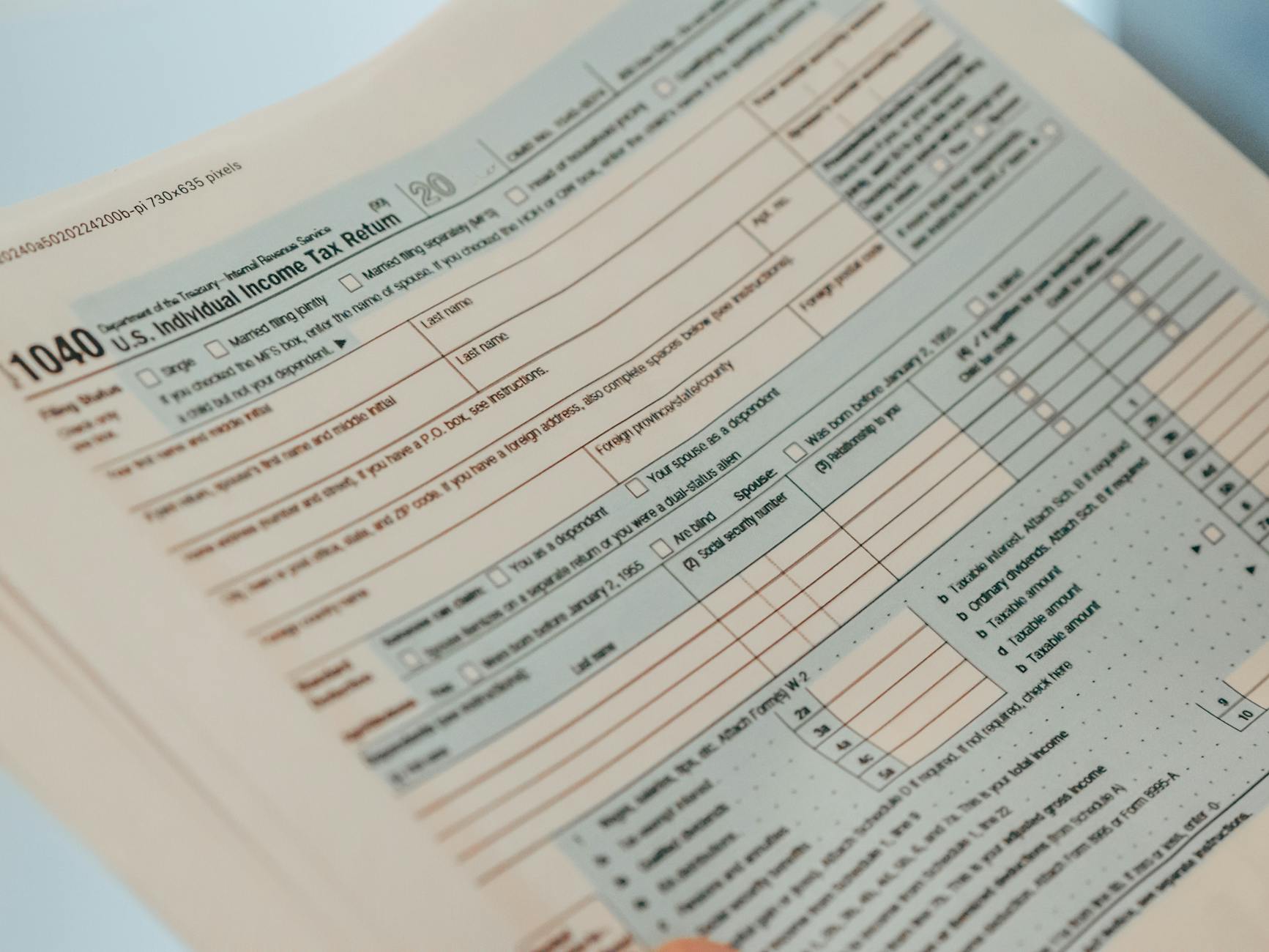
The administration’s “Working Families Tax Cut” branding leans heavily on the expanded child tax credit, and for some middle-income families with children, the benefit is real. According to the Yale Budget Lab, a middle-income family with children receives an average tax cut of about $3,000. Without children, that figure drops to approximately $1,800. These are not insignificant amounts, but they need context. Almost half of all households see an income tax cut of less than $100 in 2026. That is not a typo either. For a family earning $55,000 per year without children, the tax cut might cover a single grocery run.
Fewer than 1 in 10 households in the bottom two income quintiles see a tax cut of more than $100. So while the administration can technically claim that most Americans receive “a tax cut,” the size of that cut for the majority of working families is negligible compared to what flows upward. Consider a specific example: a married couple in Ohio earning $75,000 combined with two kids might see $3,000 in tax relief, mostly through the child tax credit expansion. Their neighbors, a childless couple earning the same amount, get roughly $1,800. Down the street, a retired couple living on Social Security and a small pension gets almost nothing. Meanwhile, their wealthier counterpart — a dual-income household pulling in $350,000 — benefits from the pass-through deduction expansion, the SALT cap adjustments, and rate extensions, netting a five-figure tax cut. The law is not designed around need; it is designed around income.
What Are the Real Costs of the Medicaid and SNAP Cuts in This Bill?
The tax distribution tells only half the story. The spending side of the One Big Beautiful Bill is where the poorest Americans take the hardest hit. The CBO projects that roughly 11 million Americans will become uninsured as a result of the bill’s Medicaid provisions, which include tighter eligibility requirements, work reporting mandates, and reduced federal matching funds to states. For someone currently covered by Medicaid, losing that coverage does not just mean losing access to a doctor. It means that a single emergency room visit can produce a bill of $5,000 to $15,000. It means skipping medications for chronic conditions like diabetes or hypertension because the out-of-pocket cost is unaffordable.
It means that a cancer diagnosis becomes a financial death sentence before it becomes a medical one. The $1,200 average resource decline the CBO identifies for the poorest 10% is a blended number — for the subset of that group that loses Medicaid specifically, the real cost in forgone healthcare could be many times higher. The tradeoff the law makes is explicit: tax cuts concentrated at the top, paid for in part by benefit reductions at the bottom. ITEP’s analysis confirms that the bottom 40% of Americans face net tax increases compared to what would have happened under a straightforward extension of expiring 2017 provisions. In other words, Congress had the option to simply renew existing tax law without the spending cuts or the upward redistribution. It chose not to.
Why Does the Administration Call This a “Working Families” Tax Cut?
The Treasury Department’s framing centers on the expanded child tax credit and increased standard deduction, both of which do benefit some working families. The administration’s official page emphasizes boosted tax refunds and frames the law as putting money back in the pockets of everyday Americans. This is not entirely false — it is selectively true. The problem is what the branding omits. It does not mention that more than 70% of the net tax cuts go to the richest 20%. It does not mention the 11 million people projected to lose health insurance.
It does not acknowledge the CBO’s finding that the poorest households are net losers. Calling this the “Working Families Tax Cut” is like calling a buffet “all you can eat” when the first four courses are reserved for VIP guests and everyone else gets the bread basket. The name describes one provision in a sprawling bill that, on net, transfers wealth upward. This matters because names shape public perception and political accountability. If voters believe the law primarily benefits working families, they are less likely to scrutinize its distributional effects or demand changes. Independent analyses from CBO, ITEP, and the Yale Budget Lab exist precisely to cut through branding and show who actually benefits. The data is unambiguous: the primary beneficiaries are high-income households.

How Does This Law Compare to Previous Tax Legislation?
The Equitable Growth research organization, drawing on CBO data, concluded that the One Big Beautiful Bill Act is the most regressive tax and spending law in at least 40 years. That comparison encompasses the 1981 Reagan tax cuts, the 2001 and 2003 Bush tax cuts, and the 2017 Tax Cuts and Jobs Act. Each of those laws was criticized for skewing benefits toward the wealthy, but none simultaneously enacted the scale of safety-net cuts contained in this bill.
📨 Get Free Accountability Coverage Alerts
Free · No spam · Unsubscribe anytime
The 2017 Tax Cuts and Jobs Act, for example, reduced the corporate tax rate from 35% to 21% and cut individual rates primarily benefiting upper-income brackets, but it left Medicaid and SNAP untouched. The One Big Beautiful Bill extends those 2017 individual rate cuts while layering on new provisions — expanded pass-through deductions, estate tax relief — and funds part of the package through cuts to programs that low-income families depend on. The combination of regressive tax cuts and regressive spending cuts is what makes this law historically unusual, not just the tax side alone.
What Happens Next for Affected Families and the National Debate?
The distributional effects of the One Big Beautiful Bill will play out over the coming years as Medicaid changes take effect, tax provisions phase in, and state governments decide whether to absorb or amplify the federal shifts. Legal challenges are already underway in several states targeting the Medicaid work-reporting requirements, and advocacy organizations are pushing for congressional action to restore some of the safety-net funding.
For families facing benefit losses, the immediate priorities are understanding eligibility changes, exploring state-level programs that may partially offset federal cuts, and documenting any coverage gaps that could support future legal or legislative challenges. The CBO will continue to update its distributional analyses as real-world data comes in, and those numbers will be the most reliable measure of whether this law lives up to its name — or continues to do the opposite.
Conclusion
The One Big Beautiful Bill Act delivers a tax and spending package that the CBO, ITEP, and the Yale Budget Lab all agree is historically tilted toward the wealthy. The poorest 10% lose $1,200 per year in resources while the richest 10% gain $13,600. The richest 1% receive average tax cuts of $66,000. Eleven million Americans are projected to lose health insurance. The bottom 40% face net tax increases compared to a simple extension of prior law.
Almost half of all households see tax cuts of less than $100. These are not partisan talking points — they are findings from the government’s own nonpartisan budget office and independent tax policy organizations. The “Working Families Tax Cut” branding does not survive contact with the data. Some working families with children do benefit meaningfully, particularly those in the middle of the income distribution. But the overwhelming share of the law’s benefits flows upward, and the costs flow downward. Americans affected by the Medicaid and SNAP changes should check their state’s implementation timeline, explore marketplace insurance options where available, and stay informed through official CBO and state government sources as the law’s full impact becomes clearer over the next several years.
Frequently Asked Questions
Does the “Working Families Tax Cut” actually raise taxes on low-income Americans?
Not directly through income tax rates, but the bottom 40% face net tax increases compared to what would have happened under a simple extension of the 2017 tax provisions, according to ITEP. When you factor in lost Medicaid and SNAP benefits, the poorest 10% lose approximately $1,200 per year in total resources.
How much does a typical middle-class family actually save under this law?
It depends heavily on whether you have children. A middle-income family with children gets an average tax cut of about $3,000, while a middle-income family without children gets about $1,800, according to the Yale Budget Lab. However, almost half of all households see a tax cut of less than $100.
How many people will lose health insurance because of this bill?
The CBO projects that roughly 11 million Americans will become uninsured due to the bill’s Medicaid provisions, which include tighter eligibility rules and work-reporting mandates.
Is this really the most regressive tax law in 40 years?
Yes, according to the CBO’s own distributional analysis. Equitable Growth concluded it surpasses both the 2001 Bush-era tax cuts and the 2017 Tax Cuts and Jobs Act in how heavily it favors high-income households while cutting programs for low-income Americans.
What percentage of the tax cuts go to the wealthy?
More than 70% of net tax cuts go to the richest 20% of Americans, and the richest 5% alone capture 45% of all net tax cuts in 2026, according to ITEP. Less than 1% of net tax cuts reach the poorest 20%.
Where can I check how this law affects me specifically?
The Yale Budget Lab’s distribution analysis and ITEP’s national and state-level estimates both offer breakdowns by income group. The CBO’s distributional publications provide the most comprehensive government analysis of how the law affects resources across income levels.
You Might Also Like
- Trump’s America: Senate Vote on Proving Citizenship Before Voting Begins
- Trump’s America: 150 Politically Motivated Attacks…Political Violence in America During 2025
- Trump Would Like the Government to Pay Him Billions…$10B CBS Lawsuit, $5B JPMorgan Demand