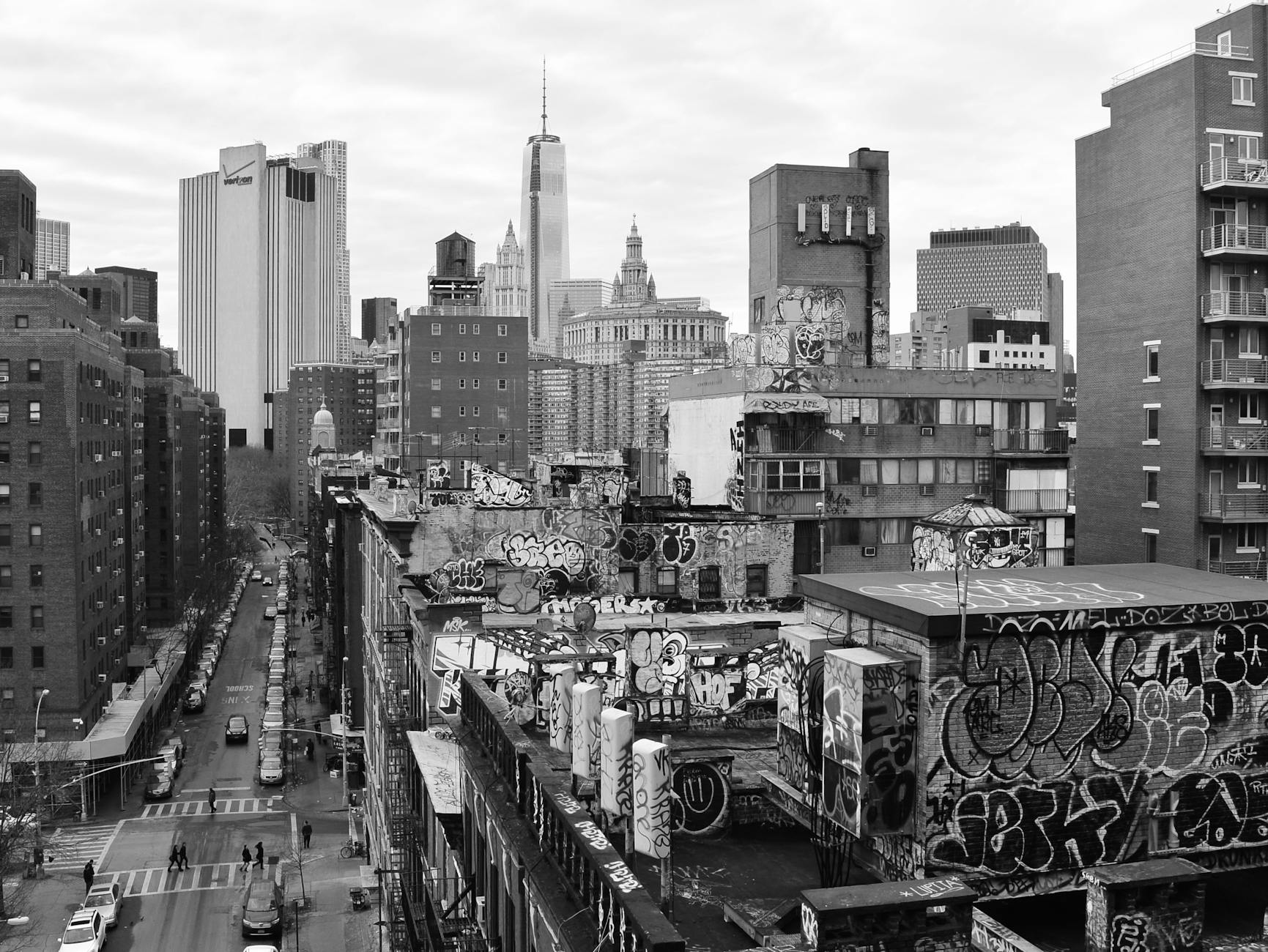
Resorts World Casino New York City is on track to open what would be the city’s first dedicated live poker room inside a fully licensed commercial casino, with a target launch date of June 29, 2026. The first phase of the massive Queens expansion is expected to include approximately 30 poker tables alongside 5,000 slot machines and 375 table games, marking a seismic shift for New York City’s gambling landscape. While no formal announcement has confirmed a PokerStars tournament series at the new venue, the existing partnership between the Resorts World brand and PokerStars — combined with the imminent closure of the Resorts World Las Vegas poker room on March 29, 2026 — makes the NYC property a logical candidate for East Coast live events.
The $7.5 billion expansion at Aqueduct Racetrack in Jamaica, Queens, received unanimous approval from the New York State Gaming Commission in December 2025, alongside two other downstate casino bids. The project promises to create the largest integrated resort in the United States, complete with 2,000 hotel rooms, a 7,000-seat arena, and over a dozen acres of greenspace. This article breaks down what the poker room means for players, the financial commitments Resorts World has made to the city and state, the PokerStars connection, and what remains uncertain heading into the summer of 2026.
Table of Contents
- What Does NYC’s First Live Poker Room at Resorts World Queens Actually Look Like?
- The PokerStars Connection — Real Partnership or Wishful Thinking?
- The $7.5 Billion Expansion — What New York Gets in Return
- How Does Resorts World Stack Up Against NYC’s Other Casino Bids?
- What Underground Poker Players and Home Game Regulars Should Know
- The MTA Funding Angle — Why Transit Riders Should Care About Poker Tables
- What Comes Next for NYC Poker in 2026 and Beyond
- Conclusion
- Frequently Asked Questions
What Does NYC’s First Live Poker Room at Resorts World Queens Actually Look Like?
Since Resorts World Casino New York City opened in 2011, it has operated exclusively as a racino — meaning slots and electronic table games only, with no live dealers and certainly no poker room. That changes with the commercial casino license. The first phase gaming floor will feature approximately 30 dedicated poker tables, which is modest by Las Vegas standards but represents something entirely new for a city of 8.3 million people that has never had a legal, brick-and-mortar poker room within its five boroughs. For context, the Borgata in Atlantic City — long the closest serious poker destination for New Yorkers — runs about 85 tables. Resorts World’s initial 30-table room is a starting point, not the ceiling. The broader first phase includes roughly 5,000 slot machines and 375 table games covering blackjack, roulette, craps, and other standards.
At full buildout, the resort envisions 6,000 slots and 800 gaming tables. The poker room itself will need to compete immediately for the attention of a player pool that currently drives to Atlantic City, flies to Las Vegas, or plays in New York’s extensive underground card game network — a scene that has operated in legal gray areas for decades. The question is not whether demand exists. It is whether 30 tables can absorb even a fraction of it without wait times that push players back to their cars headed south on the Turnpike. One comparison worth watching: when Maryland Live opened its poker room outside Baltimore in 2013, it started with 52 tables and expanded to over 80 within two years because East Coast demand consistently outpaced projections. If Resorts World sees similar patterns, expect the poker room footprint to grow well beyond the initial 30-table plan.

The PokerStars Connection — Real Partnership or Wishful Thinking?
The link between PokerStars and Resorts World is real but needs careful qualification. Resorts World Las Vegas has served as the home venue for the PokerStars North American Poker Tour, hosting major tournament series that drew hundreds of players and generated significant media coverage. That relationship established a working template between the Resorts World brand and PokerStars’ live events division. However, there is a critical distinction: Resorts World Las Vegas and Resorts World NYC are operated under the same parent company, Genting Group, but they are separate properties with separate licensing and operational structures. A partnership at one does not automatically transfer to the other. The timing is suggestive, though.
The Resorts World Las Vegas poker room is closing on March 29, 2026, which leaves PokerStars without its primary North American live venue just as a brand-new Resorts World poker room is preparing to open on the East Coast. If you are PokerStars’ event planning team, the logic of moving marquee events to a New York City property — with its enormous media market and proximity to the densely populated Northeast corridor — is hard to ignore. However, as of mid-March 2026, no formal announcement of a PokerStars tournament series at Resorts World NYC has been made public. Players should be cautious about booking travel or making plans based on speculation. If a PokerStars partnership does materialize, expect an official announcement through PokerStars’ media channels and the Resorts World NYC website. Until that happens, the connection remains plausible but unconfirmed. Underground poker forums and social media accounts have been circulating rumors as if the deal is done — it is not, at least not publicly.
The $7.5 Billion Expansion — What New York Gets in Return
Resorts World NYC’s supplemental proposal ballooned from $5.5 billion to $7.5 billion, with $2 billion earmarked specifically for community benefits. That is not charity — it is the price of a commercial casino license in a city where community opposition can kill projects outright. The community benefits package is designed to address concerns about traffic, infrastructure strain, addiction services, and local hiring that neighborhood groups in Jamaica, Queens, have raised consistently throughout the approval process. The financial projections for public coffers are staggering. Resorts World NYC projects delivering $2.5 billion to the Metropolitan Transportation Authority in its first four years of operation and $5 billion in total casino taxes during the same period. To put that in perspective, the state’s own budgeted casino revenue estimate was $1.8 billion — Resorts World is claiming its single property will nearly triple that figure.
These numbers deserve scrutiny. Casino revenue projections routinely overperform during the honeymoon period of a new opening and then settle into more modest long-term patterns. Atlantic City’s history is littered with projections that looked brilliant in year one and catastrophic by year five. The project is also expected to create approximately 24,000 jobs and add 1,600 hotel rooms to the city’s inventory. For a borough that has long felt economically overlooked relative to Manhattan and Brooklyn, those numbers carry political weight. But job creation estimates for casino projects often blend construction jobs, which are temporary, with permanent operational positions. The distinction matters for residents evaluating whether this project will transform their neighborhood’s economy or simply generate a few years of construction activity followed by a more modest permanent workforce.
How Does Resorts World Stack Up Against NYC’s Other Casino Bids?
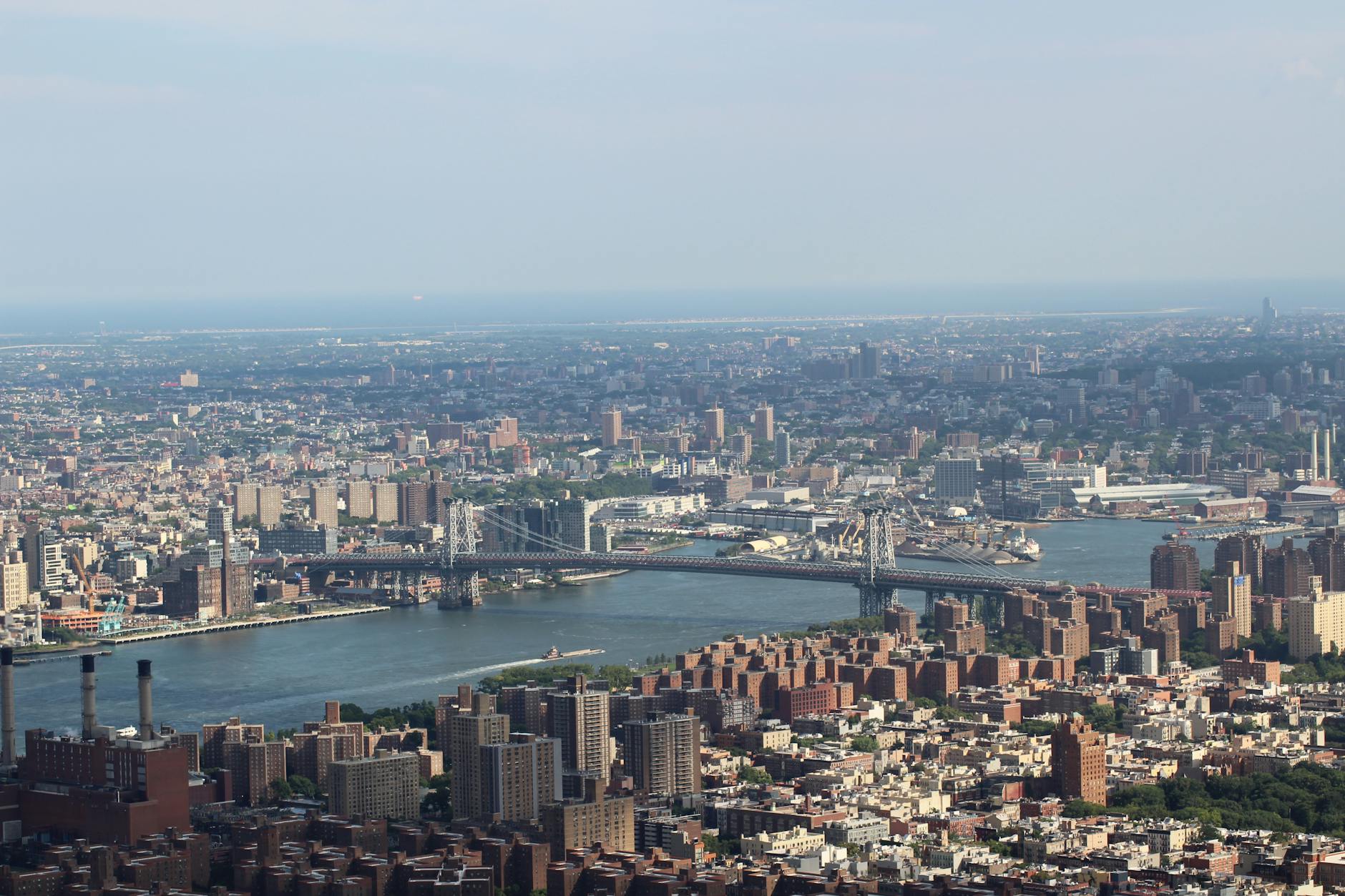
Resorts World is not the only game in town. The Gaming Commission approved all three downstate casino bids in December 2025: Resorts World NYC in Queens, Bally’s in the Bronx, and Hard Rock Metropolitan Park near Citi Field, also in Queens. That means the city is about to go from one racino to three full commercial casinos, and the competitive dynamics will shape everything from poker room size to tournament schedules to promotional spending. The key tradeoff for poker players is location versus amenities. Resorts World has a head start — it already exists as a functioning casino and has set an aggressive June 2026 opening target for its expanded facility. Bally’s and Hard Rock are further behind in their construction timelines. However, if Hard Rock opens a competing poker room near Citi Field, Resorts World could find itself in a poker market share battle that actually benefits players through better promotions, higher guarantees on tournaments, and lower rake structures.
Competition among poker rooms has historically been excellent for players and terrible for operators’ margins. Atlantic City’s poker ecosystem improved dramatically when multiple rooms were fighting for the same player pool, even as individual rooms struggled to maintain profitability. The risk for all three properties is cannibalization. New York regulators are betting that the total gambling market expands enough to support three casinos plus the existing racino operations. If that bet is wrong, the poker room — typically one of the lowest-margin operations in any casino — will be among the first areas to face cuts. Poker rooms serve primarily as amenities that keep players on property and spending money in other areas of the casino. If the overall revenue picture disappoints, expect poker to be squeezed first.
What Underground Poker Players and Home Game Regulars Should Know
New York City’s underground poker scene has thrived for decades precisely because there was no legal alternative. Clubs in Midtown, the East Village, and various locations across the boroughs have operated with varying degrees of legality and safety, offering everything from $1/$2 no-limit hold’em to high-stakes private games. A legal poker room at Resorts World changes the calculus for these operations, but it does not eliminate them overnight. The warning for players accustomed to underground games is that the transition has friction. Legal poker rooms charge rake — typically a percentage of each pot up to a cap, or a time charge for higher-stakes games. Underground games often operate with lower rake or a flat seat charge, and they do not require you to show identification or file tax paperwork.
Some players will prefer the convenience, anonymity, and perceived value of underground games even after legal options exist. However, legal rooms offer something underground clubs cannot guarantee: regulatory oversight, game integrity, and recourse if something goes wrong. If a dealer at Resorts World makes an error, there is a floor supervisor and a gaming commission. If a dealer in a basement club in Flushing makes an error, you are on your own. There is also the question of game selection. Thirty tables is enough to spread standard no-limit hold’em at several stake levels and probably a few pot-limit Omaha games, but do not expect a full menu of mixed games, short deck, or other variants at launch. The room will likely cater to the broadest possible player base initially and add niche offerings only if demand justifies the floor space.
The MTA Funding Angle — Why Transit Riders Should Care About Poker Tables
One of the most politically significant aspects of the Resorts World expansion is the revenue pipeline to the MTA. The $2.5 billion projected for the transit authority over four years is not a feel-good donation — it is a structural component of how New York is attempting to fund its perpetually cash-strapped subway and bus system. If casino revenues meet projections, commuters benefit. If they fall short, the MTA’s budget gap widens, and the pressure for fare hikes or service cuts increases.
📨 Get Free Accountability Coverage Alerts
Free · No spam · Unsubscribe anytime
This creates an unusual alignment of interests. Poker players sitting down at a $2/$5 table at Resorts World are, in a roundabout way, subsidizing the A train. The casino’s overall performance — driven primarily by slots and table games, with poker contributing a relatively small share — determines whether the MTA gets its projected windfall. For transit advocates and riders who oppose gambling on principle, this revenue dependency creates an uncomfortable reality: the system they rely on daily is now financially tied to the success of a casino.
What Comes Next for NYC Poker in 2026 and Beyond
The June 29, 2026, target date for Resorts World’s first phase opening is aggressive but not unrealistic given the existing infrastructure at Aqueduct. Unlike the Bally’s and Hard Rock projects, which require ground-up construction, Resorts World is expanding an operational facility. If the poker room opens on schedule, the summer of 2026 will be a testing period — both for the room’s capacity and for the broader question of whether New York City can sustain a legal poker economy.
Looking further ahead, the real inflection point comes when all three casinos are operational and potentially competing for poker players. If PokerStars or another major tour operator announces NYC events, the city could become a legitimate stop on the global poker circuit — something that would have been unthinkable even five years ago. The combination of a massive local player pool, international tourist traffic, and media market visibility gives New York City natural advantages that most poker destinations cannot match. Whether those advantages translate into a thriving poker scene depends on execution, regulation, and whether the operators are willing to invest in poker as more than just an afterthought to the slot floor.
Conclusion
Resorts World Casino New York City’s expansion represents a genuine turning point for poker in the five boroughs. The planned 30-table poker room, expected to open as part of the first phase by late June 2026, would give the city its first legal, dedicated live poker venue inside a commercial casino. The PokerStars connection, while unconfirmed for the NYC property, is a logical development given the existing brand relationship and the closure of the Las Vegas poker room. The $7.5 billion project carries enormous financial commitments to the city and state, including projected billions for the MTA, but those projections remain untested.
For poker players, the practical advice is straightforward: watch for official announcements from Resorts World NYC and PokerStars regarding tournament schedules, monitor the opening timeline as June 2026 approaches, and temper expectations about game variety and capacity at launch. Thirty tables will fill fast in a city this size. The first months will be chaotic, crowded, and probably frustrating. But after decades of underground games and road trips to Atlantic City, New York City is finally getting a legal poker room — and that alone is worth paying attention to.
Frequently Asked Questions
When is Resorts World NYC’s poker room expected to open?
The target date for the first phase of the expanded casino, which includes approximately 30 poker tables, is June 29, 2026. This date was communicated to the Community Advisory Committee but is subject to change based on construction and licensing timelines.
Will PokerStars host tournaments at Resorts World NYC?
As of March 2026, there is no confirmed announcement of a PokerStars tournament series at the NYC property. The existing partnership between PokerStars and Resorts World Las Vegas, combined with the Las Vegas poker room’s closure on March 29, 2026, makes it plausible, but nothing has been formally announced.
How many poker tables will Resorts World NYC have?
The first phase plan includes approximately 30 poker tables, alongside 5,000 slot machines and 375 table games. The full buildout envisions 6,000 slots and 800 total gaming tables, though the final poker table count at full capacity has not been specified.
Are there other casinos opening in New York City?
Yes. The New York State Gaming Commission approved three downstate casino bids in December 2025: Resorts World NYC in Queens, Bally’s in the Bronx, and Hard Rock Metropolitan Park near Citi Field in Queens. Resorts World is expected to open first due to its existing facility.
How much will the casino generate for the MTA?
Resorts World NYC projects $2.5 billion in revenue to the MTA over its first four years, which exceeds the state’s budgeted casino revenue estimate of $1.8 billion. These are projections, not guarantees, and actual figures will depend on the casino’s financial performance.
Is poker currently legal in New York City?
New York City has not had a legal, dedicated poker room inside a commercial casino until now. Resorts World has operated since 2011 as a racino with only slots and electronic table games. The commercial casino license approved in December 2025 allows for live dealer table games, including poker.
You Might Also Like
- Virginia Governor Spanberger to Deliver Democratic Response Tonight
- U.S. Deputy Secretary Calls El Mencho’s Death “A Great Victory” for America
- The Suez Canal Sees Reduced Traffic as Ships Avoid the Entire Middle East Region