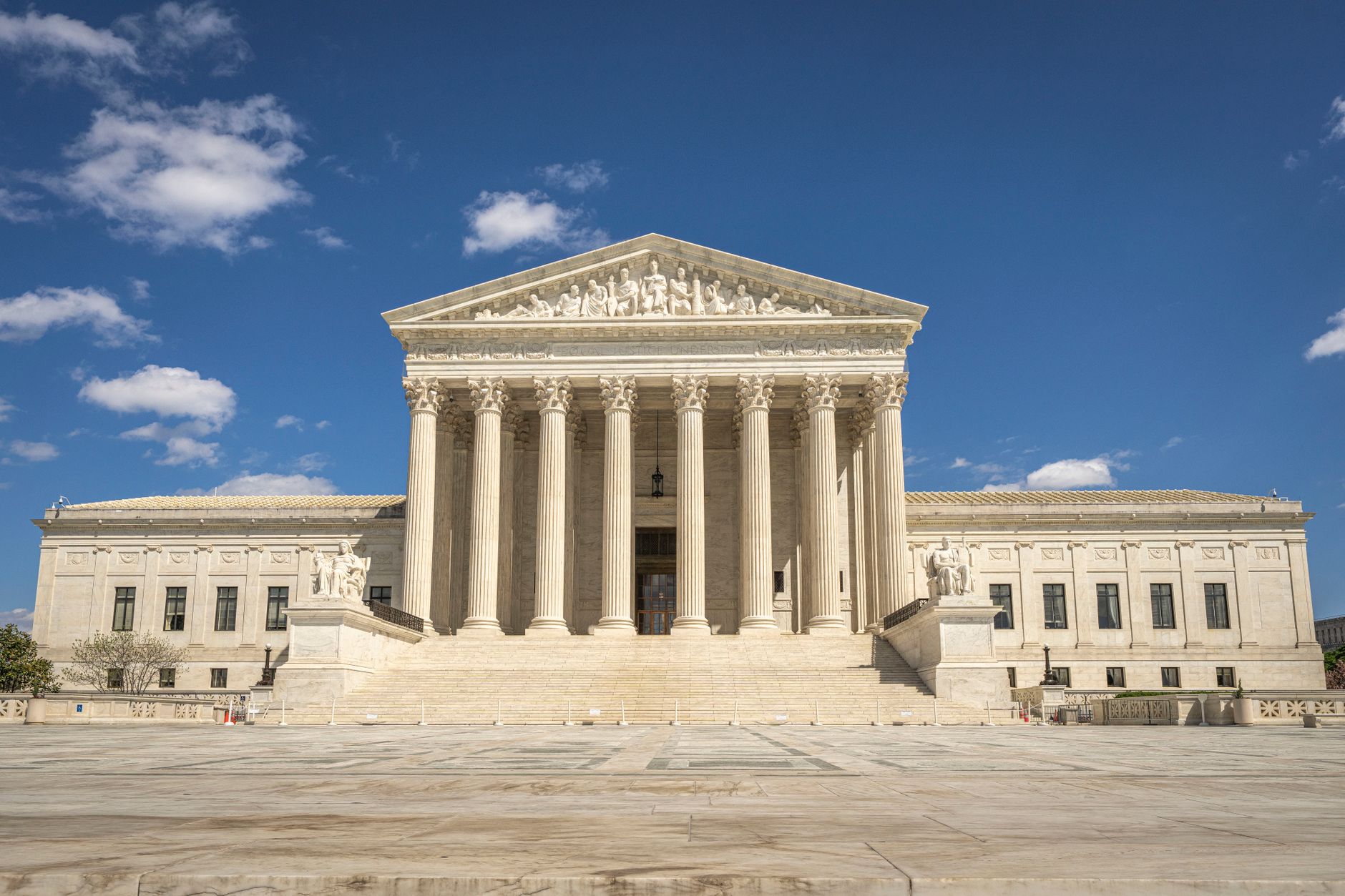
The Supreme Court's IEEPA tariff ruling forced the Trump administration to rebuild its tariff program on different legal footing, shifting it from emergency powers to slower, investigation-based statutes. On February 20, 2026, the Court ruled 6-3 in *Learning Resources v. Trump* (consolidated with *Trump v.
V.O.S. Selections*) that the International Emergency Economic Powers Act does not give the president authority to impose tariffs, according to Thomson Reuters. The decision wiped out roughly 70% of the administration's tariff program within weeks, then triggered a scramble to replace it with narrower, legally sturdier duties. What follows is where the law stands now, who it affects, and what is still unresolved for businesses and consumers who paid the original tariffs.
Table of Contents
- What Did the Supreme Court Actually Decide?
- How Did the Administration Replace the Struck-Down Tariffs?
- Which Tariffs Are in Effect Now?
- What Happens to Tariffs Already Paid?
- unaffected by the ruling and not eligible for refunds, since they were never built on IEEPA.
- What This Means for Trump's Broader Trade Strategy
- Frequently Asked Questions
What Did the Supreme Court Actually Decide?
Chief Justice John Roberts wrote the majority opinion, holding that tariffs are an exercise of Congress's Article I taxing power, not an executive emergency tool. IEEPA's language authorizing the president to "regulate importation" does not stretch to cover imposing duties, the majority found, according to Talking Points Memo. Justices Kavanaugh, Thomas and Alito dissented.
The ruling applied specifically to tariffs built on a declared national emergency, not to every tariff Trump had imposed. It struck down the February 2025 IEEPA fentanyl tariffs and the April 2025 "Liberation Day" reciprocal and global tariffs, while leaving Section 232 steel and aluminum tariffs in place because those rest on separate statutory authority, per McCarter & English. The distinction matters for anyone trying to track which tariffs survived: the ruling targeted the emergency-powers legal theory, not the broader goal of using tariffs as trade leverage.
How Did the Administration Replace the Struck-Down Tariffs?
Trump did not wait long. Within days of the ruling, he invoked Section 122 of the Trade Act of 1974 to impose an immediate 10% global tariff — a statute built for exactly this kind of quick response, but with real limits: it caps the rate at 15% and expires after 150 days unless Congress extends it, according to McCarter & English. That clock ran out. The Section 122 tariffs expired at 12:01 a.m.
Eastern on July 24, 2026, exactly 150 days after their February 24 effective date. The same day, new Section 301 duties of 10% to 12.5% took effect on roughly 60 economies, stemming from a forced-labor investigation rather than an emergency declaration, per Anadolu Agency. A Congressional Research Service fact sheet updated October 8, 2026 confirms the administration has settled on Section 301 and Section 232 as its durable tariff authorities going forward. Both require a completed investigation before duties can be imposed, which is a slower and more constrained process than IEEPA's emergency-powers route, according to the Congressional Research Service.
Which Tariffs Are in Effect Now?
As of October 2026, the tariff landscape looks different from the emergency-powers era. Under Section 232, steel and aluminum carry tariffs of 10% to 50%, and patented pharmaceuticals and their ingredients carry tariffs of 10% to 100%. New duties on steel, aluminum, copper and pharmaceuticals took effect April 2, 2026, according to Wipfli LLP.
A Section 301 "excess capacity" manufacturing investigation opened in March 2026 and remained active as of October 2026, per the same Wipfli analysis. That probe sits alongside the Section 301 forced-labor tariffs that replaced the expired Section 122 duties in July. For businesses tracking exposure, the practical change is procedural as much as substantive: Section 301 and Section 232 tariffs are product-specific and investigation-driven, rather than the blanket, emergency-declared rates IEEPA allowed. That makes them narrower in scope but harder to reverse quickly, since removing them requires closing out the underlying investigation rather than simply ending a national emergency.
What Happens to Tariffs Already Paid?
The Supreme Court sent the question of refunds to the Court of International Trade rather than resolving it directly. By July 31, 2026, about $128.68 billion in collected IEEPA duties had been accepted into Customs and Border Protection's phased refund system, known as CAPE, according to Bricker Graydon.
📨 Get Free Accountability Coverage Alerts
Free · No spam · Unsubscribe anytime
Not every importer who paid can get money back through that system. Importers whose IEEPA-tariffed entries were already finally liquidated — meaning they had passed the 90-day window for voluntary reliquidation — remained unable to obtain refunds through CAPE as of mid-2026, per the same Bricker Graydon analysis. That leaves a gap where the Court ruled in importers' favor but the remedy did not reach everyone affected.
- Entries still within the reliquidation window: eligible to seek refunds through CAPE.
- Entries already finally liquidated: excluded from CAPE relief as of mid-2026, despite the ruling.
unaffected by the ruling and not eligible for refunds, since they were never built on IEEPA.
Businesses or consumers who believe they overpaid IEEPA duties should check the status of their specific entries against CBP's CAPE timeline rather than assuming the ruling automatically triggers a refund.
What This Means for Trump's Broader Trade Strategy
The ruling did not end the administration's tariff strategy; it rerouted it. Section 301 and Section 232 give the executive branch tariff power that survives legal challenge more easily than IEEPA did, because both rest on statutes Congress wrote specifically to authorize trade duties, rather than an emergency-powers law aimed at sanctions and asset freezes. The tradeoff is speed.
IEEPA let the administration impose sweeping tariffs within days of declaring an emergency. Section 301 and Section 232 require a completed investigation first, which is why the "excess capacity" manufacturing probe that opened in March 2026 was still active seven months later in October, according to the Congressional Research Service. Future tariff expansions are likely to follow this slower, investigation-first pattern rather than the rapid emergency declarations used in 2025.
Frequently Asked Questions
Are the steel and aluminum tariffs still in effect after the Supreme Court ruling?
Yes. Section 232 steel and aluminum tariffs rest on separate authority from IEEPA and were not affected by the ruling, according to McCarter & English.
Can importers get a refund for IEEPA tariffs they already paid?
Only if their entries had not been finally liquidated as of mid-2026; those entries remained excluded from CBP's CAPE refund system, per Bricker Graydon.
What replaced the tariffs the Supreme Court struck down?
Trump first used Section 122 of the Trade Act of 1974 for a temporary 10% global tariff, then shifted to Section 301 duties of 10% to 12.5% on about 60 economies once the Section 122 tariffs expired on July 24, 2026, according to Anadolu Agency.
You Might Also Like
- What Is the Levi’s Trump Tariff Refund Settlement Worth?
- Is a Class Action Possible Over Trump Retail Tariff Price Hikes?
- Does the Trump Beef Import Policy Lower Grocery Prices?