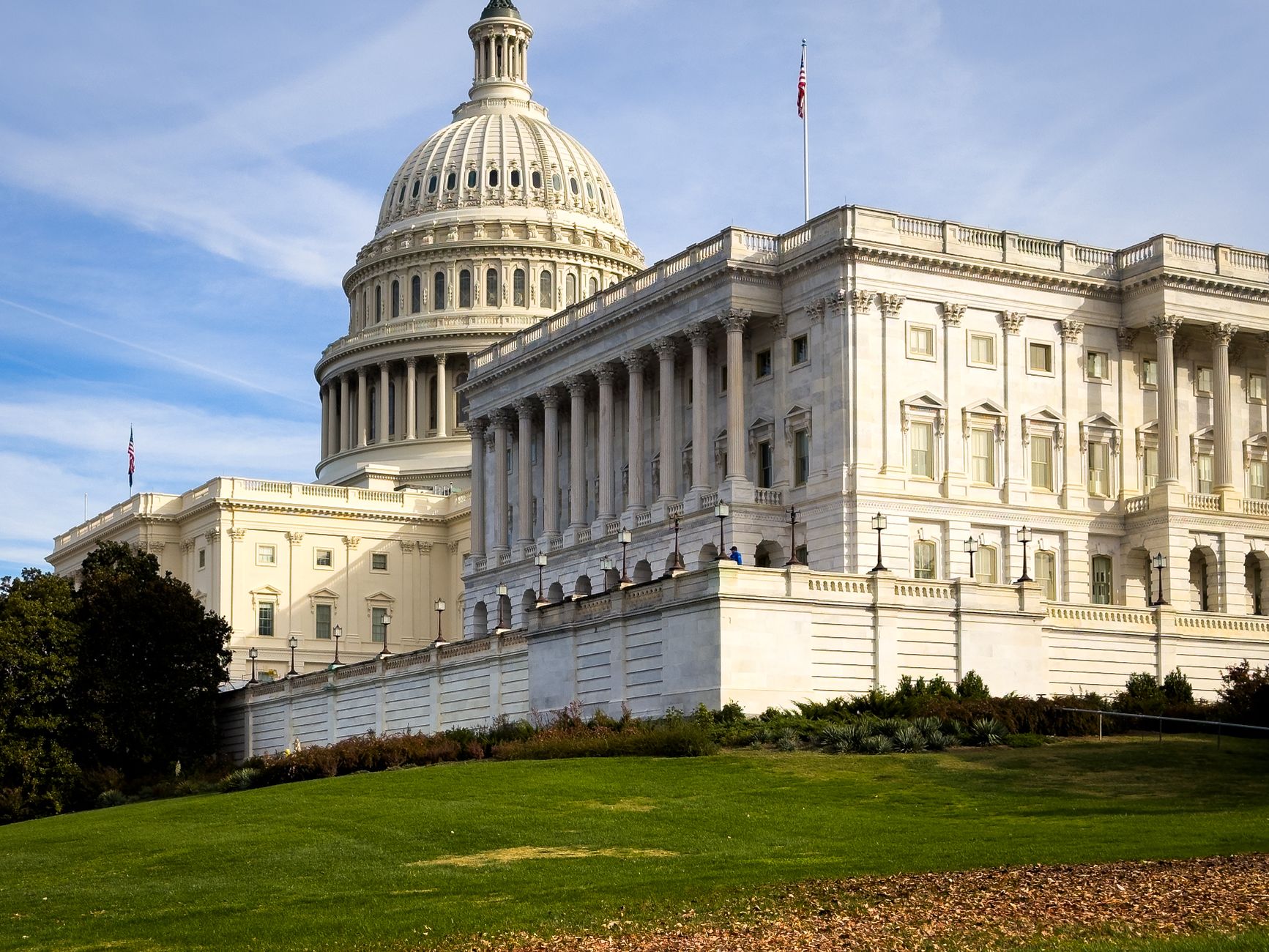
Congress's approval became central to the Trump ballroom lawsuit because a federal appeals court ruled that the Constitution's Property Clause—which assigns Congress final authority over changes to the executive mansion—cannot be overridden by claims of security necessity. On August 7, 2026, the DC Circuit decided that President Trump cannot construct a 90,000-square-foot White House ballroom without congressional approval, rejecting the administration's argument that the project is vital to protect senior officials from drone strikes and chemical attacks. The ruling exposed a fundamental constitutional question: whether a president can unilaterally alter the White House for security purposes or whether Congress retains veto power regardless of the justification offered. The lawsuit began as a challenge to skipped environmental reviews but evolved into a battle over the separation of powers and the limits of executive action on federal property.
Official resources:
- Read the official notice from Pbs — Use this primary source to verify the official announcement.
- Read the original argument from Courthousenews — Use this page to read the original argument in context.
Table of Contents
- The Constitutional Property Clause and Why It Matters
- What the Administration Proposed and Why
- How the Lawsuit Started
- What the Court Ruled and Why It Matters
- What Happens Next
- What This Ruling Actually Limits
- Frequently Asked Questions
The Constitutional Property Clause and Why It Matters
The Property Clause of the U.S. Constitution grants Congress power to "dispose of and make all needful rules and regulations respecting the territory or property belonging to the United States." The trump administration argued that this provision does not restrict the president's inherent authority to improve the Executive Residence for national security reasons. The DC Circuit disagreed.
In a 2-1 decision written by Obama appointee Patricia Millett and Biden appointee Bradley Garcia, the court held that security claims do not override Congress's constitutional authority over executive property. The ruling means Congress does not simply oversee the process; it has substantive veto power. Congress can say no to the project outright, and no security justification automatically bypasses that answer. Trump-appointed Judge Neomi Rao dissented sharply, arguing the president possesses inherent authority to make improvements to the Executive Residence and that governmental security interests should outweigh aesthetic or procedural concerns. The majority rejected this position as contrary to the Constitution's text.
What the Administration Proposed and Why
The planned ballroom would span approximately 90,000 square feet and seat 1,000 guests inside the White House complex. The Trump administration requested $1 billion in taxpayer funding and claimed extensive structural reinforcements were essential for national security—specifically to protect senior officials from drone strikes and chemical attacks. The scale and funding request alone signaled the project's ambition.
However, Congress was skeptical. In May 2026, Congress rejected the administration's request for $1 billion in ballroom funding after the Senate parliamentarian ruled that budget reconciliation funds could not lawfully be used for the project, and at least five republican senators opposed the allocation. This congressional rejection set up the legal showdown: the administration wanted to proceed without explicit legislative approval.
How the Lawsuit Started
The National Trust for Historic Preservation filed suit on December 12, 2025, alleging the project violated the National Environmental Policy Act (NEPA) by proceeding without an environmental impact statement and had not been filed with the National Capital Planning Commission as required by law. The initial claims were procedural: the administration skipped required reviews and approvals. But the dispute expanded into a constitutional question: does the president have authority to construct the ballroom at all without explicit congressional approval, regardless of whether environmental reviews were completed? That shift transformed the case from a specialized conservation dispute into a separation-of-powers conflict.
What the Court Ruled and Why It Matters
The DC Circuit did not simply require the administration to file missing paperwork or conduct environmental review. The court ruled that Congress must affirmatively authorize the ballroom before any construction can begin. This is a hard limit on presidential power, not a procedural hurdle to clear.
The court's interpretation treats the Property Clause as a constitutional veto that Congress holds over major executive property alterations. The administration's security justification carried no weight in overcoming Congress's role as guardian of federal property. The dissent argued this strips the president of practical authority over the Executive Residence, but the majority held that the Framers deliberately assigned property authority to Congress.
📨 Get Free Accountability Coverage Alerts
Free · No spam · Unsubscribe anytime
What Happens Next
The DC Circuit granted the Justice Department a 14-day stay to petition the Supreme Court, likely setting up a constitutional showdown early in the 2026 Supreme Court term beginning in October 2026. A Supreme Court review could reverse the appeals court, affirm it, or narrow the Property Clause in ways that reshape executive power.
The Supreme Court's decision will influence how future administrations approach major alterations to the White House and other federal properties. A ruling favoring the administration could permit expansive presidential latitude on security grounds; a ruling favoring Congress would reinforce legislative veto power over presidential construction at the executive mansion.
What This Ruling Actually Limits
The DC Circuit's decision does not prevent the ballroom if Congress approves it. Congress retains the power to vote yes; the ruling simply requires the vote to happen. The Trump administration could return to Congress with a revised request and seek authorization through normal legislative channels.
Additionally, the ruling applies specifically to major alterations to the White House under the Property Clause. It does not directly limit the president's authority to make emergency repairs, routine security upgrades, or improvements that fall below the threshold of a major redesign. Where that line falls and what counts as an emergency remains partly unresolved.
Frequently Asked Questions
Can the Trump administration still build the ballroom?
Only if Congress votes to approve it. The ruling does not prohibit the project; it requires congressional authorization before construction begins.
Does this ruling affect other White House security upgrades?
The scope is unclear. Routine security improvements and emergency repairs may fall outside the ballroom decision, but major structural alterations likely face the same requirement.
What will the Supreme Court likely decide?
Unknown. The Court could reverse the appeals court, affirm it, or narrow the Property Clause in ways that reshape how presidents and Congress share authority over federal property.
Why did some Republican senators oppose the funding?
The May 2026 vote show at least five Republican senators joined Democrats in opposing the $1 billion allocation, though specific reasons vary by senator—some cited fiscal concerns, others doubted the security rationale.
You Might Also Like
- Congressman Pushes for Disclosure of Covert Big Pharma Agreements with Trump
- Utah’s Lawsuit Against Federal Government Stalled After Trump Reduces Monument Boundaries
- Trump White House Ballroom Appeal: What the D.C. Circuit Ruling Means Now