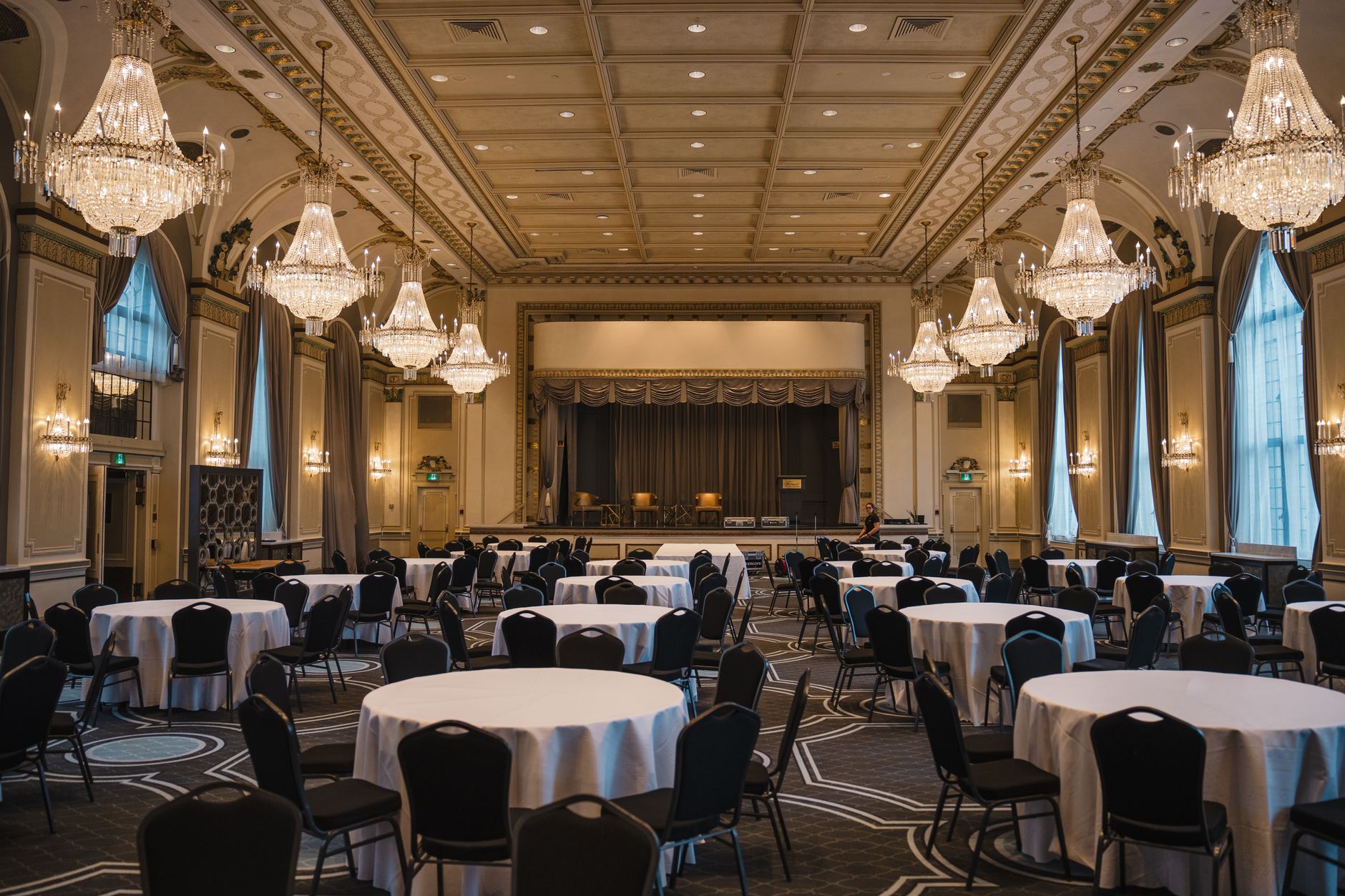
A federal appeals court on August 7, 2026, upheld a ban on above-ground construction of President Trump's proposed White House State Ballroom, ruling that Congress—not the President—has the authority to approve changes to the White House design. During the court's 14-day pause before the injunction takes full effect, below-ground construction of security and military infrastructure can legally proceed, while all above-ground ballroom work remains halted. The blockade stems from a December 2025 lawsuit by the National Trust for Historic Preservation, which challenged the project on constitutional and federal law grounds. The Trump administration can petition the Supreme Court to override the appeals court ruling, but until that happens, contractors face strict limits on what may continue.
Table of Contents
- What the Appeals Court Blocked
- What Construction Can Continue
- The 14-Day Window and Current Timeline
- Why Congress Must Approve
- Who Challenged the Project and Why
- What Happens Next
- Frequently Asked Questions
What the Appeals Court Blocked
The appeals court ruling halts any above-ground construction of the 90,000-square-foot ballroom itself, which was designed to seat approximately 1,000 guests for state dinners and official events. The court found that changes to the White House design require congressional approval "even where those changes are said to serve security interests," because the President has no constitutional authority over federal property maintained for all Presidents and the American people.
The project's estimated cost of $300–$400 million, funded by private donors, does not exempt it from statutory oversight. Any above-ground construction not strictly necessary to cover or protect underground national security facilities risks removal unless the Supreme Court reverses the ruling.
What Construction Can Continue
Below-ground work for military, medical, and security infrastructure may proceed, along with above-ground work strictly necessary to support those underground facilities. This includes construction of the so-called Presidential Emergency Operations Center (PEOC), bomb shelters, and military installations the administration framed as essential national security infrastructure. The practical distinction matters: contractors can continue digging, installing underground bunkers, and building protective coverings, but cannot erect the ballroom structure itself above ground.
The 14-Day Window and Current Timeline
The appeals court stayed (paused) its own ruling for 14 days, giving the Trump administration time to petition the Supreme Court. During this 14-day window, underground security work can legally proceed.
Once the 14 days expire—or if the Supreme Court declines to hear the case—the full injunction takes effect, and above-ground construction remains blocked until congress acts. The Trump administration can accelerate underground work now, knowing that above-ground construction faces a potentially indefinite halt. A Supreme Court petition and ruling, if pursued, could take weeks to months.
Why Congress Must Approve
The court ruled that changes to the physical design of the White House require congressional approval because the President has no constitutionally granted authority to unilaterally alter federal property. Judges Patricia Millett and Bradley Garcia wrote that the Property Clause of the Constitution and federal statutes like the National Capital Planning Act constrain presidential discretion over the nation's most symbolically significant building.
This ruling does not ban the ballroom entirely—only the construction method without congressional consent. Congress could theoretically pass legislation authorizing the project, allowing above-ground work to resume.
📨 Get Free Accountability Coverage Alerts
Free · No spam · Unsubscribe anytime
Who Challenged the Project and Why
The National Trust for Historic Preservation sued the Trump administration in December 2025, alleging violations of the National Capital Planning Act, National Environmental Policy Act, and the Constitution's Property Clause. The group argued that the administration bypassed required federal environmental review and public notice processes before beginning construction. The lawsuit does not rest solely on whether the ballroom is a good idea, but on whether the Trump administration followed the law when building on federal land.
What Happens Next
The Trump administration has 14 days to file a petition with the Supreme Court requesting emergency review of the appeals court's decision. If the Supreme Court rejects the petition or takes no action, the injunction remains permanent absent congressional authorization.
If the Court accepts the case, a full briefing and oral argument could delay resolution for months. Until then, contractors must navigate a bifurcated project: underground work proceeds at full pace, while above-ground ballroom construction sits idle, at risk of eventual demolition if the administration loses its Supreme Court bid.
Frequently Asked Questions
Can Trump's administration build the ballroom now?
No. Above-ground ballroom construction is blocked during the appeal period. Only below-ground security infrastructure work may legally continue.
How long does the halt last?
The appeals court stayed its ruling for 14 days. After that, the injunction takes effect unless the Supreme Court agrees to review the case—a process that could take weeks or months.
Could Congress fix this?
Yes. Congress could pass legislation authorizing the ballroom project, which would override the court's injunction and allow construction to resume.
You Might Also Like
- Trump White House Ballroom Appeal: What the D.C. Circuit Ruling Means Now
- Trump subpoena challenged by news organization defending journalist source privacy
- Trump Pays Carroll $5.6 Million in Historic Defamation and Abuse Settlement