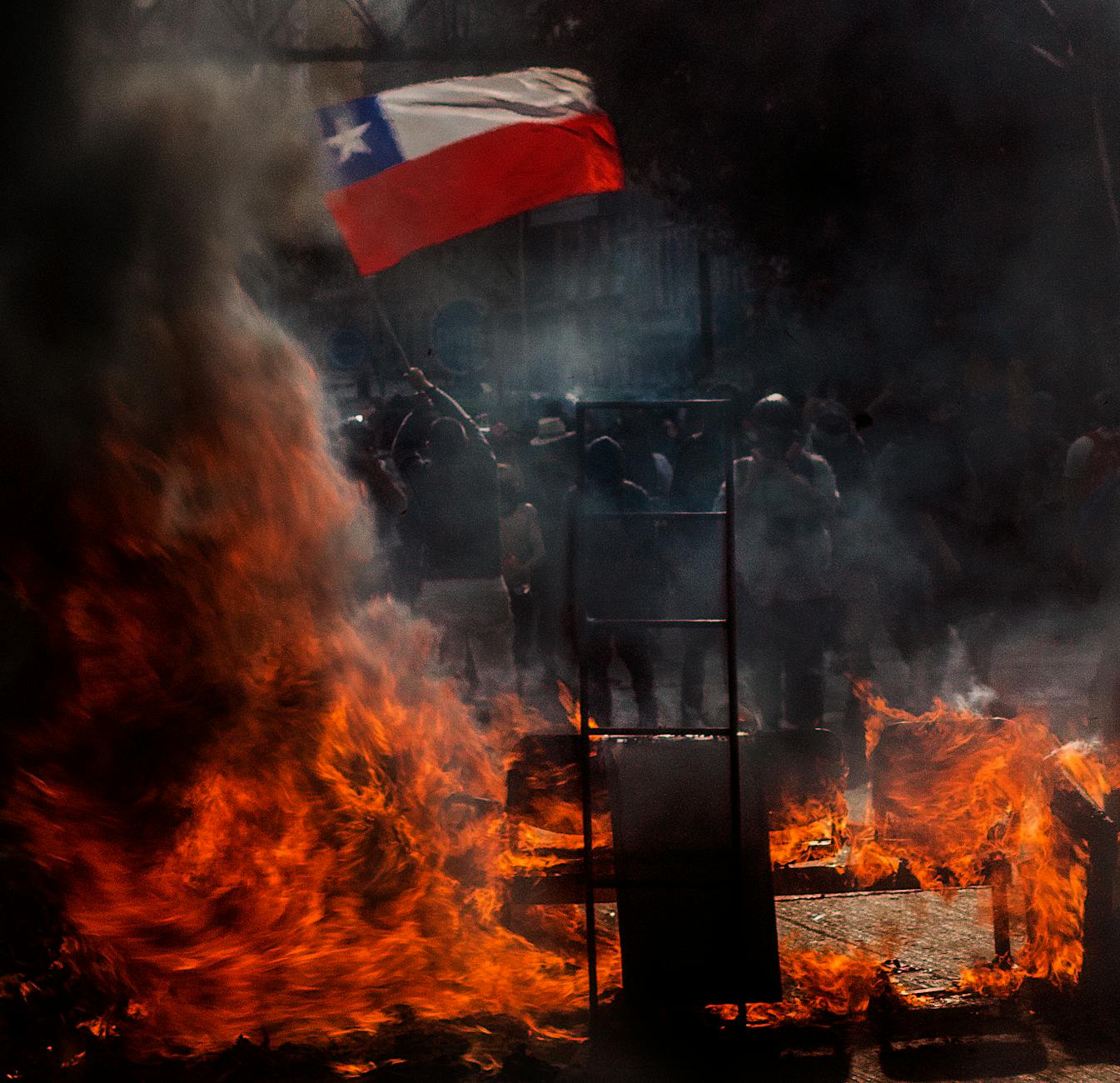
Political flag displays have increasingly become flashpoints for neighborhood conflict, with disputes over yard signs, flags, and political symbols escalating into confrontations that sometimes turn violent. A flag fight—whether literal or metaphorical—typically begins as a disagreement between neighbors about political expression, but can quickly devolve into intimidation, property damage, and physical altercations when emotions run high and neither party backs down. In one documented 2024 case in Pennsylvania, a dispute over a Trump campaign flag displayed on residential property led to shouting matches, trespassing, and ultimately a physical confrontation that required police intervention and resulted in assault charges.
The root cause of these incidents is rarely the flag itself, but rather the breakdown in neighborhood civility and an inability to tolerate opposing political views. When political divisions become personal—when your neighbor’s yard sign feels like a direct attack on your values—the conflict moves beyond disagreement into territory where people feel justified in confronting, removing, or retaliating against the flag display. Understanding why these disputes escalate and how to prevent them from becoming violent is critical for anyone living in a politically divided neighborhood.
Table of Contents
- When Does Political Speech Become Harassment or Intimidation?
- Real Examples of Escalation and How These Conflicts Turn Violent
- The Neighborhood Tension Trap—Why Bystanders Get Caught in the Crossfire
- How to Respond If You’re in a Flag Dispute—De-escalation vs. Confrontation
- Physical Safety and When a Flag Dispute Becomes a Genuine Threat
- What Local Law Enforcement and HOAs Can and Cannot Do
- The Path Forward—Prevention and Community Standards
- Conclusion
When Does Political Speech Become Harassment or Intimidation?
The legal line between protected political speech and illegal harassment is often unclear to neighbors engaged in a flag dispute. Political flags and signs are generally protected speech under the First Amendment, allowing homeowners to display them on their own property. However, this protection is not unlimited—it does not extend to trespassing on another person’s property to remove or deface their display, nor does it permit threats, intimidation, or physical assault.
In a 2023 case in Michigan, a homeowner who repeatedly trespassed to damage a neighbor’s flag display was convicted of property destruction, even though the neighbor’s flag expression remained legally protected. The distinction matters: displaying a flag critical of your neighbor is protected speech; following your neighbor, threatening them, or damaging their property because of the flag is not. Many violent flag-related incidents occur because one party crosses this line without realizing the legal consequences. Shouting profanities at a neighbor about their flag display is confrontational but typically protected; showing up at their house with a weapon because of their flag is a crime.

Real Examples of Escalation and How These Conflicts Turn Violent
Neighborhood flag conflicts have escalated to violence in documented cases across multiple states. In a 2023 incident in Ohio, a dispute over a political flag displayed near the property line between two homes resulted in heated arguments. One neighbor, believing the flag placement was intentionally provocative, began destroying it repeatedly. The flag’s owner began recording the destruction and confronting the neighbor, leading to a physical fight in the driveway that left one person with a broken arm. Both neighbors faced charges, and the case revealed a critical limitation: even when one party is clearly in the wrong (the person destroying property), the confrontational response by the other party can still result in criminal liability and escalation.
Another case in North Carolina involved a family displaying a political flag that their neighbor found deeply offensive. The neighbor began a campaign of intimidation, including slashing tires, spray-painting the property, and leaving threatening notes. When the family finally confronted the neighbor about the harassment, the situation turned violent. The perpetrator was eventually arrested on multiple felony charges, but the family had lived in fear for months. This example illustrates a warning: if you believe your neighbor’s flag display is targeting you or your family, reporting to police is far more effective and safer than confronting them directly.
The Neighborhood Tension Trap—Why Bystanders Get Caught in the Crossfire
Political flag disputes don’t just affect the two households involved; they create tension throughout entire neighborhoods. When word spreads that “the house with the blue flag at the corner” is engaged in a conflict, other neighbors become invested in the drama. Some take sides based on their own political beliefs; others simply fear that the conflict will escalate and affect property values or neighborhood safety. This social pressure can inadvertently encourage the disputants to dig in rather than resolve the conflict, because backing down feels like losing face in front of the community.
In a documented 2024 incident in suburban Atlanta, a political flag dispute between two neighbors eventually involved a Facebook group where dozens of neighbors weighed in publicly. One side posted photos and accusations; the other side posted counter-evidence. The situation deteriorated to the point where other neighbors began displaying competing flags, and multiple confrontations occurred between different households. Police were called seven times over three weeks. A specific limitation of community involvement: while neighbors often mean well in trying to mediate, their involvement typically makes disputes worse, not better, because it transforms a two-person disagreement into a public statement about community values.

How to Respond If You’re in a Flag Dispute—De-escalation vs. Confrontation
If your neighbor displays a flag or sign that offends you, your first instinct may be to confront them or remove it yourself. This is almost always the wrong choice. Instead, the first step is to do nothing publicly. Do not damage their property, do not trespass on their land, and do not engage in hostile confrontations. If the flag display includes actual threats (such as a message saying “harm will come to” a specific group), then reporting it to police is appropriate.
If it’s simply a political message you disagree with, you need to accept that your neighbor has a legal right to display it. The comparison is useful here: tolerating offensive speech from your neighbor is similar to tolerating an opinion you disagree with at a family dinner. You may strongly dislike it, but the appropriate response is not violence or property destruction. If the behavior escalates beyond displaying a flag—if your neighbor is trespassing, harassing, or threatening you—then involving law enforcement is justified. But a tradeoff worth noting: once you involve the police or escalate the conflict, you have given up control over the outcome. A complaint can lead to your neighbor being arrested, which may feel satisfying in the moment but often intensifies animosity and increases the risk of retaliation.
📨 Get Free Accountability Coverage Alerts
Free · No spam · Unsubscribe anytime
Physical Safety and When a Flag Dispute Becomes a Genuine Threat
Not all political disagreements are equal in terms of danger. A flag display is a form of speech; a neighbor showing up at your house in the dark, removing your flag while you sleep, is intimidation. A neighbor shouting at you about your political views is confrontational; a neighbor who follows you, photographs your family, or waits outside your home is engaging in stalking behavior. Understanding the difference between protected speech and behavior that crosses into threat territory is essential for your safety.
A warning worth emphasizing: if your neighbor’s behavior has progressed beyond displaying a flag to actual stalking, trespassing, property destruction, or threats, do not attempt to handle this yourself. Document every incident (take photos, save text messages, note dates and times), file a police report, and consider consulting with a lawyer about restraining orders. One limitation of the legal system is that protection orders often take time to obtain, and they don’t prevent retaliation. Some people escalate further when they learn their behavior has been reported, which is why personal safety precautions matter: vary your routine, ensure your home is secure, and avoid being alone in situations where a confrontation is likely.
What Local Law Enforcement and HOAs Can and Cannot Do
If a flag dispute is occurring in your neighborhood, you may wonder whether the HOA or local police can simply order it removed or resolved. In most cases, they cannot. Unless the flag violates specific HOA rules (such as size or placement restrictions documented in the covenants), the HOA has limited authority. Local police cannot remove or ban a flag display simply because neighbors find it offensive.
Police can become involved only if a crime has occurred—trespassing, property destruction, assault, threats, stalking, or similar violations. A specific example: one New Jersey neighborhood HOA attempted to require the removal of all political flags by invoking a rule against “signs of any kind.” The homeowner challenged this in court, arguing that political speech receives heightened protection. The court ruled largely in the homeowner’s favor, finding that while HOAs can enforce reasonable restrictions, they cannot use vague rules to suppress particular viewpoints. This case illustrates that most flag disputes cannot be resolved through HOA enforcement or police action unless actual crimes are involved.
The Path Forward—Prevention and Community Standards
The most effective approach to preventing flag-related violence is preventing the conflict from escalating in the first place. This requires both individual restraint and community norms that distinguish between tolerance and approval. You can tolerate your neighbor’s political views and their right to express them without approving of those views. You can dislike a flag display while accepting that your neighbor has the legal right to maintain it.
Communities that maintain this distinction experience fewer violent political disputes. Looking ahead, as political polarization continues and election cycles intensify, flag displays will likely become even more common and more contentious. The neighborhoods that handle this best are those where residents understand that political disagreement is normal, that legal rights don’t require agreement, and that escalation serves no one’s interests. The alternative—allowing disputes to progress from flags to confrontation to violence—has already played out in too many neighborhoods. The outcome is always the same: damage to property, damage to relationships, police involvement, and sometimes physical harm.
Conclusion
A political flag fight in your neighborhood is fundamentally a test of community resilience. It’s a moment when neighbors must choose between expressing their disapproval through the same legal channels—speech, organizing, voting—or crossing into behavior that is illegal and dangerous. The distinction between protected speech and criminal conduct is clear in law; the challenge is maintaining it in practice when emotions run high and political stakes feel personal.
If you find yourself in a flag dispute, remember that the goal is not to win the argument or force your neighbor to take down their display. The goal is to maintain your safety, preserve your neighborhood, and prevent escalation. Avoid confrontation, document threats, involve law enforcement when actual crimes occur, and accept that you cannot control what your neighbor displays on their own property. That acceptance—difficult as it may be—is what separates healthy disagreement from violent conflict.
You Might Also Like
- Woman Charged After Political Yard Sign Fight Ends in Death
- Veteran Who Turned His Yard Into a Political Landmark Dies After Beating
- Homeowner Says Political Flag Led to Attack in His Own Yard