Angela Conijn, a 55-year-old Mount Vernon, Washington resident, has been charged with second-degree murder after a dispute over a political yard sign resulted in the death of Kamran Cohee, 32, on a Saturday evening in May. The incident began as an argument over a sign supporting Loren Culp, a Republican gubernatorial candidate, and escalated to gunfire at Conijn’s home around 5:30 PM. What started as a neighborhood disagreement over political expression ended in tragedy, raising serious questions about how quickly conflicts can turn deadly and what happens when political tensions collide with access to firearms. The Skagit County Sheriff’s Office investigated the shooting and determined that Cohee, from Arlington, died from a gunshot wound to the head.
The case represents a stark reminder that political polarization in America isn’t confined to comment sections or dinner table arguments—it increasingly plays out in physical confrontations with life-or-death consequences. When neighbors disagree over yard signs in their community, the stakes should remain civil discourse, not lethal force. This incident occurred in the context of heightened political divisions across the country, where campaign signs have become lightning rods for conflict. Unlike previous election cycles when yard signs were largely decorative and ignored, recent years have seen numerous disputes over political signage—from signs being stolen or destroyed to confrontations between neighbors holding opposing views. The Cohee case represents the most extreme outcome of these escalating tensions.
Table of Contents
- How Did a Yard Sign Dispute Turn Deadly?
- Understanding the Legal Charges and Investigation
- The Broader Context of Political Violence and Community Division
- What Responsibilities Do Communities Have During Election Season?
- Self-Defense Laws and When Lethal Force Is Justified
- The Impact on Kamran Cohee and His Family
- Political Polarization and the Road Ahead
- Conclusion
How Did a Yard Sign Dispute Turn Deadly?
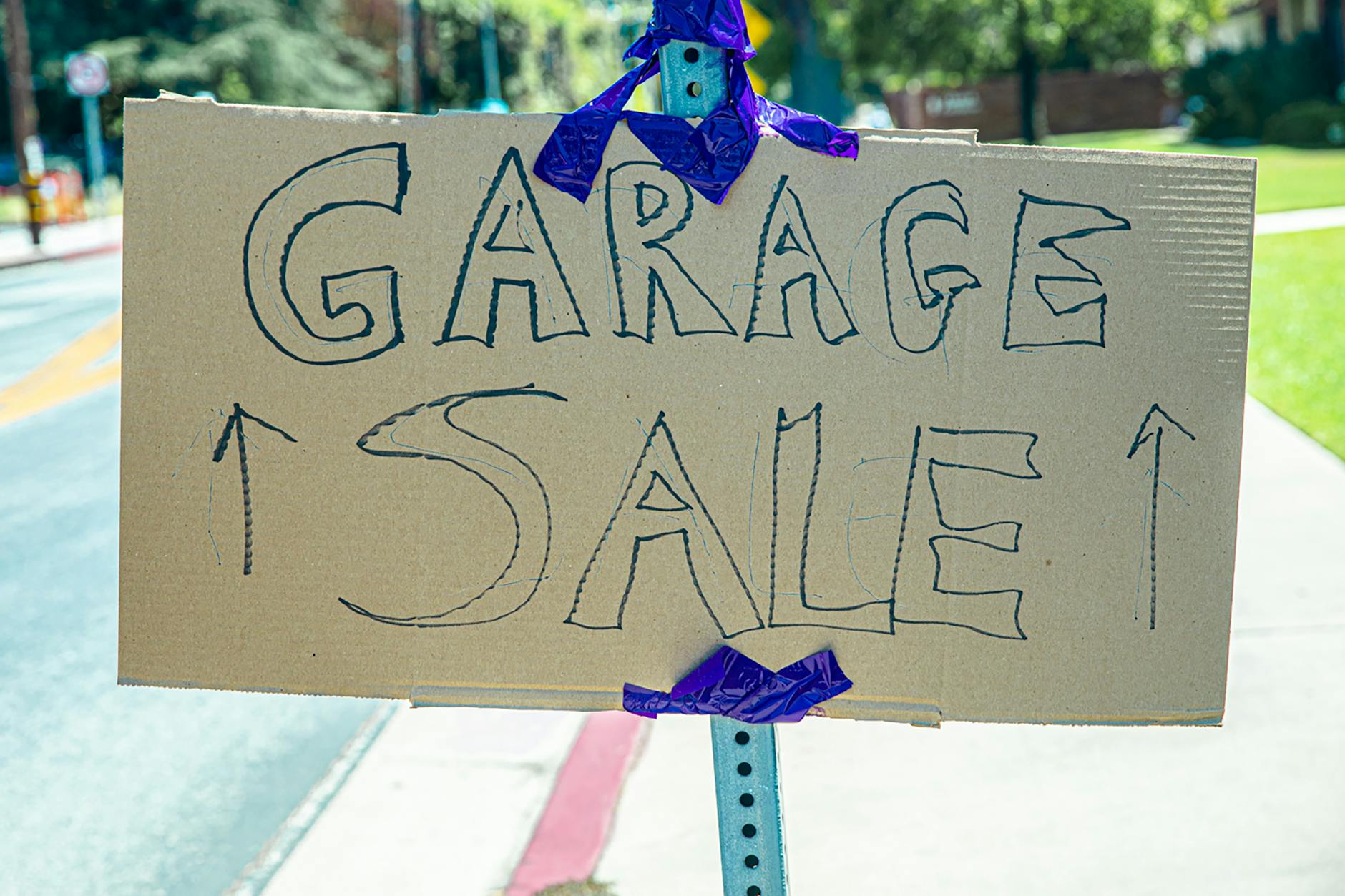
The incident began when the political yard sign supporting Loren Culp became the focal point of a neighborhood conflict. According to reports, Cohee apparently took or was involved in the sign, which belonged to or was displayed at Conijn’s property. What might have been resolved through a conversation, a police report, or civil action instead became a confrontation at Conijn’s Mount Vernon home on that Saturday evening. The exact sequence of events that led to the shooting remains a matter for the court, but the outcome was unmistakable: one man dead and another facing a murder charge.
Political yard signs have become increasingly contested across America, with numerous incidents reported of signs being stolen, vandalized, or becoming flashpoints for neighborhood tension. In some communities, residents have installed cameras specifically to catch sign thieves. The Cohee case is an extreme example, but it sits on a continuum of political sign-related conflicts that have grown more common. What makes this case particularly significant is that it resulted in a fatality, transforming what might ordinarily be handled as a property dispute into a criminal matter with lifelong consequences for everyone involved.
Understanding the Legal Charges and Investigation
Angela Conijn was charged with second-degree murder, a serious felony that suggests prosecutors believe she acted with malice aforethought but not necessarily with premeditation. Second-degree murder charges in Washington state require proof that the defendant committed the act with a conscious disregard for human life or with intent to cause serious bodily harm. This is distinct from first-degree murder, which requires premeditation, and from manslaughter, which involves recklessness or negligence without the element of malice. The Skagit County Sheriff’s Office conducted the investigation into the shooting. Their findings apparently supported the murder charge, though the case will now move through the court system where Conijn will have the opportunity to defend herself against the charges.
Defense attorneys often argue that such cases involve elements of self-defense, accident, or insufficient evidence of the specific mental state required for murder convictions. Until trial, the presumption of innocence applies, and the full circumstances of the shooting remain to be established in court proceedings. A critical limitation in cases like this is that initial charges sometimes change as investigations deepen or legal arguments develop. The grand jury, prosecutors, and ultimately the jury will examine evidence that may not be immediately available to the public. Questions about whether the sign was actually taken, who initiated physical contact, whether weapons were brandished before the shooting, and whether Conijn reasonably feared for her safety could all affect the ultimate outcome of the case.
The Broader Context of Political Violence and Community Division
The incident reflects a troubling national trend of escalating tensions around political expression. Over the past several election cycles, communities across the country have reported increases in political sign theft, vandalism, and confrontations. Some neighborhoods have seen signs for Republican candidates, Democratic candidates, and ballot measures all targeted for removal or destruction. This cycle of provocation and counter-provocation creates an environment where minor disputes can rapidly escalate.
What distinguishes the Cohee case from typical sign disputes is the presence of a firearm and the willingness to use lethal force. This combination exists within the context of widespread gun ownership in America and ongoing debates about self-defense rights. In Washington state, residents have the right to possess firearms for self-defense, but that right carries legal limitations about when force—particularly deadly force—is justified. The circumstances surrounding how and why Conijn came to fire the fatal shot will be central to the murder case against her.
What Responsibilities Do Communities Have During Election Season?
Communities and neighbors can take steps to reduce the likelihood of sign-related conflicts escalating to violence. First, establishing clear norms about political expression—that signs can exist on private property even if others disagree with their message—helps normalize political diversity in neighborhoods. Second, creating accessible processes for reporting sign theft or vandalism to police, rather than taking matters into one’s own hands, provides legal channels for addressing property crimes. Third, community leaders and local officials can emphasize during election seasons that property disputes should not become violent confrontations. The contrast between handling sign disputes through legal channels versus confrontation directly applies here.
A property theft or vandalism complaint filed with police creates a documented record and allows law enforcement to investigate. A direct confrontation over the same issue introduces variables that cannot be controlled—escalating emotions, the possibility of violence, and potential deadly outcomes. Had Cohee and Conijn never directly confronted each other over the sign, it’s reasonable to assume this tragedy would not have occurred. Communities can also consider practical measures like installing yard sign stakes that make removal more difficult, using temporary signs rather than permanent ones during contentious elections, and maintaining neighborhood relationships even across political divides. Some neighborhoods have implemented community agreements about sign placement and removal. These proactive approaches don’t eliminate disputes, but they reduce the likelihood that disagreements will become violent.
📨 Get Free Accountability Coverage Alerts
Free · No spam · Unsubscribe anytime
Self-Defense Laws and When Lethal Force Is Justified
Washington state law allows residents to use force to protect themselves, but that force must be proportional to the threat. Self-defense does not provide unlimited permission to use lethal force whenever someone feels threatened or someone enters their property without permission. The law requires that the force used be necessary to protect against an imminent threat of serious bodily injury or death. A sign dispute, even an escalated one involving shouting or pushing, typically does not meet that threshold. A critical warning in cases like this is that claiming self-defense requires clear evidence that the defendant reasonably believed they faced an imminent threat of serious harm.
Courts examine the actual circumstances—was the victim armed? Did they display clear intent to cause serious injury? Was the defendant the initial aggressor? Did the defendant have reasonable opportunities to retreat or call police rather than use force? If Conijn claimed she shot Cohee in self-defense, prosecutors would need to prove beyond a reasonable doubt that this claim was false. If Conijn did not claim self-defense, or if the evidence contradicts such a claim, the murder charge becomes more straightforward. The limitation of self-defense claims is that they can only succeed if supported by credible evidence. Witness accounts, physical evidence at the scene, forensics, and any video recording of the incident would all inform whether a self-defense argument has merit. In high-profile cases involving political motivations or perceived partisan conflicts, courts and juries are particularly careful to ensure that self-defense claims are genuine and not merely excuses for unjustified killings.
The Impact on Kamran Cohee and His Family
Kamran Cohee, 32 years old from Arlington, Washington, died from a gunshot wound to the head. While limited information about his background has been publicly reported, his death represents the permanent loss of a human life and the devastating impact on his family, friends, and community. Homicide creates ripple effects far beyond the courtroom—it destroys families, creates trauma in communities, and generates ongoing pain for those who knew the victim.
Depending on the case outcome and applicable laws, Cohee’s family may have civil remedies available to them, such as wrongful death lawsuits against Conijn. These civil cases operate separately from the criminal prosecution and can provide financial compensation and accountability even if the criminal case results in acquittal or a conviction for a lesser charge. The family’s ability to pursue such remedies and their adequacy in addressing the loss of a 32-year-old family member represents another dimension of this tragedy.
Political Polarization and the Road Ahead
The Cohee case arrives amid a broader moment of political polarization in America. Election seasons increasingly surface deep disagreements not just about policy, but about identity, values, and community belonging. In this climate, mundane neighborhood interactions—like disagreeing about whose sign belongs in front of a house—can take on outsized emotional significance. The question moving forward is whether communities will learn from tragedies like this one to establish better boundaries and communication practices.
One hopeful direction involves de-escalation training and community programs that help neighbors disagree civilly. Some neighborhoods have implemented forums where residents discuss their political differences directly, which can humanize political opponents and reduce the likelihood of violent confrontations. Schools, community centers, and local government can all play roles in establishing norms that political disagreement is normal and healthy, but that such disagreement should never justify violence. The Cohee case will likely become a cautionary tale in such contexts—a reminder of what can happen when a disagreement over a yard sign is allowed to escalate without intervention.
Conclusion
Angela Conijn’s second-degree murder charge in connection with Kamran Cohee’s death represents a stark culmination of escalating political tensions in American communities. What began as a dispute over a campaign sign supporting Loren Culp ended in tragedy, with one man dead and another facing serious criminal consequences. The case underscores that political expression, while protected as a fundamental right, must coexist with civility and an unwillingness to resort to violence over disagreement. Moving forward, communities and individuals can draw several lessons from this incident.
First, property disputes and disagreements over political expression should be addressed through legal channels, not confrontation. Second, the presence of firearms in heated situations dramatically increases the likelihood of lethal outcomes. Third, establishing community norms that protect political diversity while maintaining peaceful coexistence is an ongoing responsibility for neighborhoods across the country. The death of Kamran Cohee serves as a tragic reminder that elections and political campaigns, while important, cannot be worth the loss of human life—and that neighbors must find ways to preserve their communities even when their politics sharply differ.
You Might Also Like
- Veteran Who Turned His Yard Into a Political Landmark Dies After Beating
- Political Sign Argument Ends in Fatal Shooting, Authorities Say
- Deadly Fight Over Yard Sign Shows How Political Tensions Can Explode