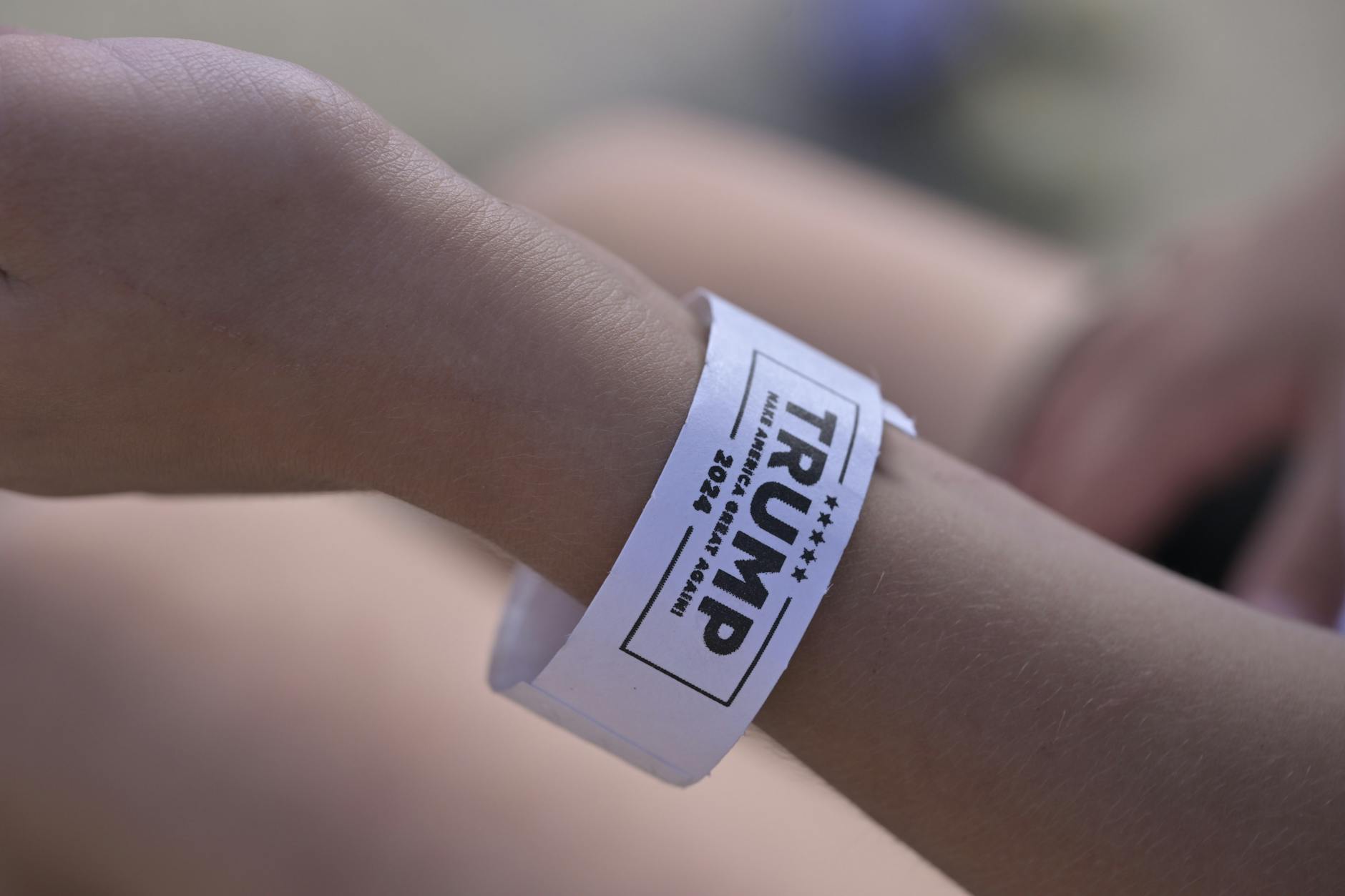
Kerry Sheron, a 69-year-old Army veteran known throughout his Escondido, California neighborhood for his prominent pro-Trump displays, died on May 25, 2026, five days after a brutal attack outside his home. The incident has left his community grappling with unanswered questions about what motivated the violent assault and whether the circumstances surrounding his death represent a broader pattern of political violence or an isolated tragedy. Sheron was hospitalized in critical condition following the May 20 attack, but the injuries proved fatal, transforming what authorities initially investigated as an assault into a death investigation that has drawn intense scrutiny.
The attack itself was swift and devastating: a single punch to the jaw delivered outside Sheron’s home, followed by additional strikes to the head, left the elderly veteran unable to recover. Thomas Caleb Butler, a 32-year-old Navy veteran, was taken into custody shortly after the incident and has been charged with attempted murder, elder abuse, criminal threats, and battery. As of now, Butler has pleaded not guilty to all charges, but the case raises difficult questions about violence, political polarization, and the safety of individuals who prominently display their political beliefs.
Table of Contents
- What Happened in the Attack on Kerry Sheron?
- The Motive Question and Political Implications
- Who Was Kerry Sheron and Why Was His Home a Target?
- The Attacker’s Background and Current Legal Status
- Safety Concerns for Visible Political Expression
- The Broader Context of Political Violence and Community Divisions
- Questions Remaining and the Path Forward
- Conclusion
What Happened in the Attack on Kerry Sheron?
On May 20, 2026, Kerry Sheron stepped outside his home in Escondido, California, and was violently assaulted. According to witness accounts and law enforcement reports, Thomas Caleb Butler delivered a single forceful punch directly to Sheron’s jaw, followed by additional strikes targeting the head area. The violence was sudden and severe enough to require immediate hospitalization and critical care, but Sheron’s injuries—sustained at age 69—ultimately proved too severe for recovery.
He remained hospitalized for five days before succumbing to those injuries on May 25. The attack occurred in daylight and in a residential neighborhood, making it a public incident that quickly attracted attention from neighbors and passersby. What distinguishes this assault from random street violence is the context: Sheron’s home was decorated with prominent pro-Trump displays, including American flags and patriotic decorations that made his political affiliation immediately visible. This visible element has led many in the community to question whether the attack was politically motivated, even as authorities have stopped short of confirming such a motive.

The Motive Question and Political Implications
Authorities investigating the incident have not confirmed a political motive for the attack, despite clear indicators suggesting this possibility. Sheron’s wife has publicly stated her belief that the assault was directly related to the pro-Trump displays on their home, a reasonable suspicion given the visible nature of those decorations and the timing of the violence. However, investigators have proceeded cautiously, conducting their investigation without publicly declaring the attack to be politically motivated—a significant limitation when the community is desperate for clarity about whether this was a targeted attack or random violence.
This investigative caution reflects a broader challenge in American law enforcement: determining intent in violent incidents involving politically charged contexts. Without a clear confession, a manifesto, or explicit statements from the perpetrator about his motivations, prosecutors must build their case on circumstantial evidence. Thomas Caleb Butler’s status as a fellow veteran—he served in the Navy—has also complicated the narrative, as some have suggested potential personal or psychological factors unrelated to politics may have played a role. The lack of confirmed political motive does not eliminate the possibility; it simply reflects the legal and investigative standard that authorities are applying to the case.
Who Was Kerry Sheron and Why Was His Home a Target?
Kerry Sheron was not simply a homeowner with a political preference; he was a 69-year-old Army veteran whose commitment to displaying his political beliefs transformed his residence into a neighborhood landmark. The decorations that adorned his Escondido home—American flags, pro-Trump signage, and patriotic displays—were impossible to miss. Whether intentional or not, Sheron had made himself visible in a way that invited attention and commentary from all who passed his home. For supporters of his cause, the displays represented patriotism and freedom of expression.
For others, they were symbols of division and polarization. The community’s response to Sheron’s death has been telling. Dozens of supporters gathered at his home with flowers, signs, and flags—a spontaneous memorial that suggested Sheron had become a symbol for a particular political perspective. This gathering indicates that Sheron’s displays had resonated with his neighbors and others in the community, transforming his private home into a statement about political values. The tragic irony is that an elderly veteran’s attempt to peacefully express his political beliefs resulted in a violent attack that claimed his life, leaving his supporters with grief and unanswered questions about whether his visibility made him vulnerable.
The Attacker’s Background and Current Legal Status
Thomas Caleb Butler, age 32, is a Navy veteran who now faces serious criminal charges in connection with Sheron’s death. The charges include attempted murder, elder abuse, criminal threats, and battery—crimes that carry substantial prison sentences if he is convicted. Butler was apprehended shortly after the incident, taken into custody, and has entered a not guilty plea to all charges, a standard initial response that allows the legal process to proceed while preserving his right to a full trial.
Butler’s status as a fellow veteran introduces complexity to the narrative. While some have speculated about potential conflicts between veterans or psychological factors related to military service, no official explanation for the attack has been provided. The comparison between two veterans—one defending his home and political expression, the other accused of committing violence—highlights the unpredictable nature of violence and the reality that military service does not guarantee peaceful conduct or freedom from harmful impulses. As the legal process unfolds, the evidence presented in court will be crucial to determining whether Butler’s motivations were political, personal, psychological, or some combination of factors.
📨 Get Free Accountability Coverage Alerts
Free · No spam · Unsubscribe anytime
Safety Concerns for Visible Political Expression
The assault on Kerry Sheron raises a critical warning for Americans who choose to publicly display their political beliefs: visibility carries risk. While the First Amendment protects the right to political expression, that constitutional protection does not shield individuals from violent actors who may be provoked by or target those displays. Sheron’s case demonstrates that being publicly identifiable with a political cause—any cause—can potentially attract unwanted attention, including violence. This is not an argument against political expression, but rather a realistic acknowledgment of the dangers that visible advocacy can entail.
The limitation of relying on law enforcement response after violence occurs is evident in Sheron’s case. Police arrived after the attack was already complete; they investigated and arrested the suspect, but Sheron was already critically injured. Communities struggling with political polarization and violence face a fundamental challenge: how to protect the safety of residents while respecting their constitutional rights. Security measures like cameras, fencing, or visible security presence might deter some potential attackers, but they cannot eliminate the risk entirely. The warning embedded in Sheron’s tragedy is that visibility itself, however peaceful the intent, can attract danger in a divided society.
The Broader Context of Political Violence and Community Divisions
Kerry Sheron’s death occurs within a broader context of political polarization and isolated incidents of violence tied to political disagreement. While individual violent acts should not be automatically attributed to political motivation without evidence, the pattern of tensions in American communities—particularly in diverse, growing regions like Escondido—reflects deeper fractures in how citizens engage with those who hold different political views. Sheron’s home had become a focal point of community attention precisely because his displays were unavoidable; they stated his position clearly and visibly.
The community’s response—with supporters gathering to mourn—suggests that Sheron’s death has been interpreted by some as a casualty of political conflict, regardless of whether investigators ultimately confirm political motive. This perception itself is consequential, shaping how community members view safety, expression, and the costs of political visibility. Whether or not Butler’s attack was politically motivated in origin, it has become a political event in how the community processes and discusses it.
Questions Remaining and the Path Forward
As the legal case against Thomas Caleb Butler proceeds through the courts, several fundamental questions remain unanswered. Why did Butler attack Sheron? Was there prior conflict between the two men? Did Butler’s own military service, mental health, or personal circumstances play a role? These questions will likely be explored during trial, with evidence presented by both prosecution and defense. The answers will shape not only the verdict in Butler’s case but also how the community understands what happened to one of their own.
Moving forward, Sheron’s death will likely become a reference point in discussions about political polarization, the costs of visible expression, and how communities can protect safety while respecting rights. His case illustrates that abstract debates about free speech and political correctness have real consequences for real people. The 69-year-old Army veteran who decorated his home with patriotic displays did not expect that expression would cost him his life, yet that is precisely what occurred in Escondido in May 2026.
Conclusion
Kerry Sheron, a 69-year-old Army veteran, died on May 25, 2026, from injuries sustained during an attack outside his Escondido, California home five days earlier. Thomas Caleb Butler, a 32-year-old Navy veteran, has been charged with attempted murder, elder abuse, criminal threats, and battery in connection with the assault, though he has pleaded not guilty. While authorities have not confirmed a political motive, the visible pro-Trump displays on Sheron’s home and his wife’s belief that the attack was politically motivated have left the community searching for answers about whether this represents isolated violence or a symptom of deeper political divisions.
The incident serves as a sobering reminder that visible political expression, while constitutionally protected, carries real risks in a polarized society. As the legal process against Butler unfolds, the community will await evidence about his motivations and a clearer understanding of what happened. For now, Sheron is remembered as an elderly veteran whose commitment to his political beliefs and his right to express them ultimately cost him his life—a tragedy that raises difficult questions about safety, expression, and the state of American political discourse.
You Might Also Like
- Owner of Flag-Covered Trump House Dies After Unprovoked Attack, Reports Say
- Trump House Owner Dies After Brutal Attack Outside His Flag-Covered Home
- Trump House Owner Dies After Assault Near Home That Had Drawn Attention for Years