
Oil prices remain elevated and volatile in May 2026, with Brent crude trading at $104.68 per barrel as of May 22—a stark $40.46 increase compared to the same period last year. This volatility reflects a fundamental disruption in global energy supply: the de facto closure of the Strait of Hormuz since February 28, 2026, has choked off roughly 20 percent of the world’s oil supply from normal trading channels. The result is a market characterized by uncertainty, inventory pressure, and price swings that affect everything from gasoline at the pump to heating oil for households and fuel costs for businesses. The underlying cause traces directly to geopolitical conflict that has shifted energy markets in ways not seen since the initial COVID-19 pandemic shock.
With global oil inventories drawing at a record pace and summer demand approaching, markets face the prospect of further volatility ahead. U.S. Energy Information Administration forecasts suggest Brent crude will average around $106 per barrel through May and June 2026, before declining to approximately $89 per barrel in the fourth quarter—though this projection assumes no further supply disruptions. The stakes matter beyond traders’ portfolios. Elevated oil prices ripple through consumer costs, business operations, and energy security discussions that directly affect policy decisions and legal questions about energy markets.
Table of Contents
- What’s Driving the Sharp Increase in Oil Prices?
- Understanding Current Volatility Levels and What They Mean
- The Strait of Hormuz Closure and Global Oil Supply
- Price Forecasts and What They Reveal About Market Expectations
- Inventory Pressures and the Risk of Further Market Stress
- Impacts on Consumers and Businesses
- Future Outlook and Key Uncertainties
- Conclusion
What’s Driving the Sharp Increase in Oil Prices?
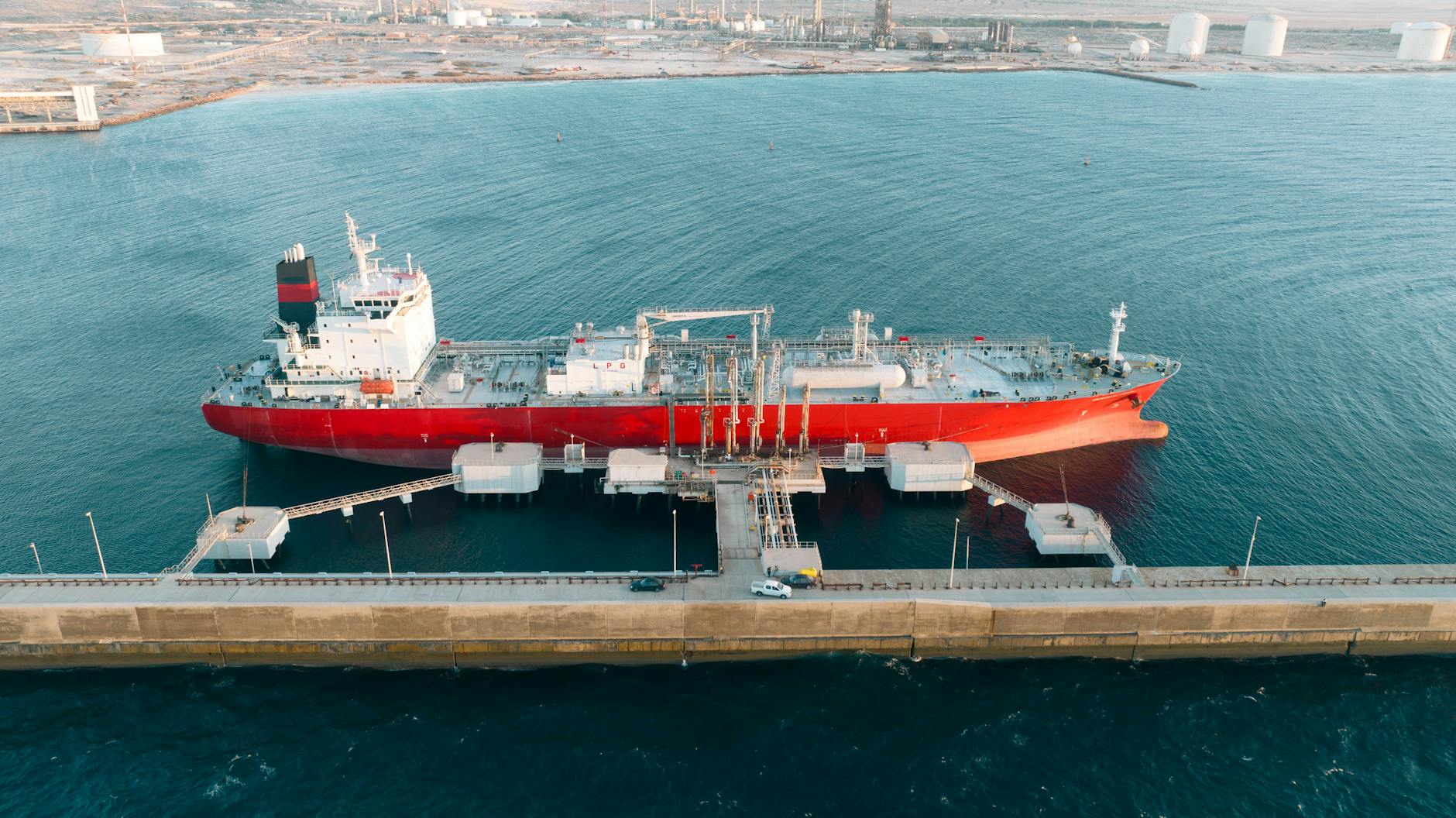
The $40.46 year-over-year jump in Brent crude prices stems from a single, critical bottleneck: the closure of the Strait of Hormuz, the waterway through which approximately 20 percent of the world’s traded oil normally flows. In February 2026, military conflict in the region created a de facto closure of this chokepoint, triggering immediate supply concerns and sustained price pressure. This is not a gradual market shift—it represents a sudden loss of access to critical energy infrastructure that global markets depend upon. To illustrate the impact: a typical oil tanker carrying Persian Gulf crude can be rerouted around Africa’s Cape of Good Hope, but this adds roughly 2 weeks to transit time and increases shipping costs substantially.
When 20 percent of global supply faces such bottlenecks, the entire market reprices upward to reflect scarcity. The EIA’s current forecast of $106 per barrel for May-June 2026 reflects this constraint, compared to approximately $60-$65 per barrel in a normal operating environment. The supply squeeze has been compounded by record-pace inventory drawdowns globally, meaning the world is consuming stored oil reserves faster than normal to compensate for restricted flows. This dynamic suggests markets lack buffer stocks to absorb additional shocks, making further volatility likely.

Understanding Current Volatility Levels and What They Mean
Implied volatility in oil markets currently averages 78 percent since late February 2026, a level that reflects deep uncertainty about future supply. To put this in perspective: before the Strait of Hormuz closure, volatility was below 30 percent in early 2024. The peak volatility spike hit 106 percent on March 12, 2026—the highest level since the COVID-19 pandemic onset in 2020. These aren’t mere statistical fluctuations; they reflect traders’ genuine uncertainty about whether supply disruptions will persist, worsen, or resolve. High volatility creates real costs.
Businesses that hedge energy price risk must pay higher costs for futures contracts and options during volatile periods. Utilities that supply electricity and heating to consumers face uncertainty in procurement costs. Airlines cannot accurately forecast fuel expenses more than a few months out. The limitation of current volatility levels is that they may actually understate true risks if additional geopolitical disruptions occur—the 106 percent volatility in March 2026 proved to be just a waypoint, not a peak. A crucial warning: volatility tends to create whipsaw effects where prices spike sharply, then sometimes correct downward equally suddenly. Consumers and businesses that lock in long-term energy contracts during high volatility periods face the opposite risk—paying premium prices if markets later stabilize.
The Strait of Hormuz Closure and Global Oil Supply
The Strait of Hormuz has functioned as one of the world’s most critical energy chokepoints for decades. Approximately 20 percent of globally traded oil flows through this narrow waterway between Iran and Oman. When military conflict created a de facto closure beginning February 28, 2026, markets immediately faced a supply shock: tankers could not safely transit the strait, forcing rerouting around Africa or alternative shipping arrangements. This particular disruption differs from earlier supply shocks because it lacks a clear resolution timeline. Unlike temporary port closures or temporary refinery outages that typically last days or weeks, the Strait of Hormuz closure reflects an ongoing military and political situation.
The EIA’s forecast structure—with elevated prices through summer 2026, declining to $89 in Q4, then further declining to $79 in 2027—reflects assumptions that the situation gradually normalizes. However, these are contingent forecasts, not guarantees. If conflict escalates or expands, supply could tighten further. A concrete example of the impact: refineries in the U.S. and Europe that normally purchase Persian Gulf crude at volume now face higher acquisition costs, longer shipping times, or substitution with crude from alternative sources (typically more expensive or lower quality). This pushes up the cost of refined products like gasoline and diesel, eventually reaching consumers at the pump.
Price Forecasts and What They Reveal About Market Expectations
The U.S. Energy Information Administration’s official forecasts provide the most reliable view of what professional energy analysts expect over the next year. The EIA projects Brent crude will average approximately $106 per barrel through May-June 2026, decline to roughly $89 per barrel in the fourth quarter 2026, and further decline to an average of $79 per barrel in 2027. J.P. Morgan’s published research suggested earlier estimates around $60 per barrel for 2026, though this may reflect pre-closure assumptions or a more optimistic supply resolution timeline. The trade-off embedded in these forecasts is significant.
The EIA’s projection of declining prices into 2027 assumes that the Strait of Hormuz disruption gradually resolves and supply normalizes. This is the base-case assumption—the most likely outcome if geopolitical tension de-escalates. However, the wide spread between May-June forecasts ($106) and 2027 forecasts ($79) reveals substantial uncertainty. The base case shows a 25 percent price decline, but this assumes a specific geopolitical trajectory that may not materialize. For consumers and businesses, the implication is clear: energy costs are expected to remain elevated through 2026, with gradual relief possible in 2027 if current assumptions hold. This has direct consequences for heating and cooling costs, transportation expenses, and industrial production costs.
📨 Get Free Accountability Coverage Alerts
Free · No spam · Unsubscribe anytime
Inventory Pressures and the Risk of Further Market Stress
Global oil inventories are being drawn at a record pace, meaning storage tanks worldwide are draining faster than normal as markets compensate for the supply disruption through the Strait of Hormuz. This creates a significant limitation: the world has finite strategic and commercial oil reserves. When these reserves deplete rapidly, markets lose a crucial buffer against additional supply shocks. A warning must be clearly stated: if another disruption occurs—whether another geopolitical event, a refinery accident, or weather-related damage to pipeline infrastructure—markets would have less inventory cushion to absorb it.
This dynamic has historically preceded severe price spikes. During previous energy crises, rapid inventory drawdowns preceded periods of much higher volatility and more extreme price movements. The current situation mirrors those warning signs. The EIA’s analysis indicates that inventory pressure will likely persist through the summer demand season (roughly May through September in the Northern Hemisphere), when cooling needs increase and refiners typically build supplies. The combination of elevated demand and depleted inventories creates fertile ground for additional volatility if supply conditions worsen.

Impacts on Consumers and Businesses
Oil price increases directly affect consumer costs through gasoline prices, heating fuel, and indirectly through increased costs for goods transported by truck or air. A year-over-year increase of $40 per barrel translates to roughly $0.95 to $1.05 per gallon at the retail pump—a direct cost hit for anyone filling a gas tank. For a household using heating oil, similar increases apply.
Businesses shipping goods face elevated logistics costs that often get passed through to consumer prices. An example illustrates the cascading effect: airline fuel surcharges, which had declined during lower oil price periods, are being reinstituted by major carriers. These surcharges are direct passthrough costs to consumers for travel. Simultaneously, less visible impacts occur in supply chains—food prices may rise if agricultural products must be transported longer distances, and manufacturing costs increase for industries dependent on fuel-based inputs.
Future Outlook and Key Uncertainties
The trajectory of oil prices into 2027 depends critically on one variable: whether the Strait of Hormuz disruption resolves. The EIA’s forecast structure assumes gradual normalization, with prices declining toward $79 per barrel by 2027. This would represent a substantial relief from current levels but still leaves prices above historical pre-disruption norms.
Alternative scenarios—where disruption persists or intensifies—would result in much higher price paths and extended economic headwinds. Markets will likely remain volatile through 2026 as traders price in various scenarios and new information emerges about supply disruptions and geopolitical developments. Consumers and businesses should prepare for the possibility of sustained elevation, avoiding the assumption that quick resolution is guaranteed.
Conclusion
Oil prices today reflect a fundamental supply disruption in the Strait of Hormuz that has eliminated roughly 20 percent of global traded oil from normal supply channels since February 28, 2026. With Brent crude at $104.68 per barrel in May 2026 and volatility at 78 percent on average, markets are pricing in sustained uncertainty. The EIA’s forecast suggests gradual price relief into 2027 if the geopolitical situation normalizes, but this assumes a specific trajectory that carries no guarantee.
For consumers, businesses, and policymakers, the critical takeaway is that elevated energy costs are expected to persist through 2026, with impacts on gasoline prices, heating fuel, logistics costs, and ultimately consumer prices across the economy. Record-pace inventory drawdowns mean markets have less buffer against additional disruptions. Monitoring the Strait of Hormuz situation and official EIA forecasts remains essential for anyone making decisions that depend on energy costs.
You Might Also Like
- Oil Prices Today: Why Experts Are Concerned About Energy Costs
- Oil Prices Today: Iran Conflict Fears Shake Energy Markets
- Oil Prices Today: Energy Traders Watch the Strait of Hormuz