
Yes, West Coast drivers continue to pay substantially more for gasoline than the rest of the nation. As of May 12, 2026, California drivers face gas prices averaging $6.15 per gallon—the only state in America still exceeding the $6 threshold. Washington state follows at $5.77 per gallon, while Oregon sits at $5.32 per gallon.
All three prices dramatically exceed the national average of $4.50 per gallon, meaning a driver filling a 15-gallon tank in California pays roughly $92.25 at the pump, compared to $67.50 for the same tank at the national average—a difference of nearly $25 per fill-up. The disparity reflects a persistent regional problem that has worsened rather than improved. California has held the distinction of the nation’s most expensive gasoline for 14 consecutive weeks, while the entire West Coast has drifted further from national pricing. A commuter driving from California to Arizona or Nevada will notice an immediate 80-cent to dollar-per-gallon drop at the state line, highlighting how localized state policies and market conditions create pricing tiers across America.
Table of Contents
- Why Are West Coast Gas Prices So Much Higher Than the National Average?
- Year-Over-Year Price Increases Show Acceleration, Not Relief
- Six States Now Exceeding the Five-Dollar-Per-Gallon Barrier
- What Do West Coast Drivers Have Available as Practical Options?
- Refinery Capacity and Supply Chain Warnings Point to Persistent Problems
- Regional Impact on Businesses and Rural Communities
- Outlook and Structural Considerations for West Coast Energy Markets
- Conclusion
Why Are West Coast Gas Prices So Much Higher Than the National Average?
Multiple factors converge to create the West Coast premium. California’s unique fuel blend requirements—mandated by the state Environmental Quality Act—require gasoline formulations that reduce emissions compared to conventional fuel sold elsewhere. This special blend costs more to produce and is only manufactured at a handful of refineries, limiting supply flexibility. When refineries undergo seasonal maintenance or experience unexpected outages, California’s isolated fuel market cannot quickly source supply from other regions, driving prices upward rapidly. Beyond fuel requirements, the West Coast experiences heightened demand paired with constrained refinery capacity.
Washington and Oregon, while not requiring California’s specific blend, feed off regional pricing influenced by California’s dominant market position and face their own supply constraints. Geographically, West Coast refineries operate at near-maximum capacity during peak driving seasons, leaving little buffer for disruptions. A single refinery maintenance shutdown or equipment failure can ripple across the region’s price structure within days. State taxes also contribute meaningfully. California imposes fuel taxes of roughly 68 cents per gallon (state gasoline excise tax plus sales tax), while Oregon’s combined fuel taxes are approximately 50 cents per gallon, and Washington’s are similar. These taxes are substantially higher than many other states, directly flowing to gas station prices consumers see at the pump.

Year-Over-Year Price Increases Show Acceleration, Not Relief
The price trajectory matters as much as the absolute numbers. Over the past year, West Coast prices have climbed faster than the national trend. California prices jumped 21.4% year-over-year, but Washington and Oregon accelerated even more sharply—Washington up 27.2% and Oregon up 29.0%. For 2026 year-to-date, gas prices across all regions have climbed approximately 60%, indicating a pattern of sustained upward pressure rather than temporary volatility. These increases impose real costs on regional households and businesses.
A family that drove 1,000 miles per month in their vehicle achieving 25 miles per gallon would have spent approximately $180 per month on gas one year ago. Today, that same driving pattern costs roughly $265 monthly in California, or an additional $1,020 annually. For households living paycheck-to-paycheck or small businesses with delivery operations, this represents a meaningful increase to operating costs with no corresponding increase in income. The limitation to understand: national policy changes or global oil price movements may not immediately translate to West Coast relief. Even if crude oil prices fell significantly, California’s fuel blend requirements and refinery constraints mean prices would decline more slowly than in states with conventional fuel standards. This structural issue suggests West Coast consumers face a permanent premium with limited policy tools for rapid correction.
Six States Now Exceeding the Five-Dollar-Per-Gallon Barrier
California, Washington, and Oregon sit within a broader West Coast and island premium pricing zone. Alaska ($5.80), Hawaii ($5.95), Illinois ($5.12), and Nevada ($5.05) all now trade above the $5 per gallon threshold. The geographic pattern reveals that isolation—whether physical isolation in Hawaii and Alaska, or refinery-supply isolation in California and the Pacific Northwest—consistently produces premium pricing. Illinois, as an exception in the Midwest, likely reflects its own refinery constraints and state tax structure. For regional commuters, this means driving patterns that cross state lines reveal stark pricing differences.
A driver traveling from Portland to Seattle crosses an additional 45-cent jump per gallon. The same driver heading south into California would face another 38-cent jump. These differences make fill-up location a genuine strategic consideration for rural and cross-border workers, encouraging some to buy gas opportunistically when traveling to lower-price regions. The practical limitation: while consumers can sometimes time fuel purchases to avoid the worst pricing moments, they cannot fundamentally opt out of the system. Businesses requiring daily delivery operations across the West Coast face unavoidable cost pressures that translate to higher prices for consumers purchasing goods and services in those regions.

What Do West Coast Drivers Have Available as Practical Options?
Few realistic mitigation strategies exist for individual drivers without fundamentally changing their transportation choices or relocation. Switching to hybrid or electric vehicles reduces fuel consumption but requires upfront capital investment ($25,000 to $50,000+) that becomes economically sensible only with consistent high mileage or cross-state commuting. For a driver filling up twice weekly, switching to a hybrid might save $40-60 monthly, or roughly $500-700 annually—meaningful, but not transformative without the capital investment. Public transportation, where available, reduces fuel costs to zero but requires proximity to functional transit systems.
Major West Coast cities like San Francisco, Seattle, and Portland offer reasonably robust public transit, but rural and suburban areas lack viable alternatives. Telecommuting or adjusting work schedules to reduce driving frequency remains the lowest-cost option but requires employer flexibility and white-collar job categories that many working-class and service-sector workers cannot access. The comparison is instructive: carpooling reduces per-person fuel costs by 50% but requires coordination and compatible work schedules. A driver paying $265 monthly in California who shifts to a two-person carpool cuts their monthly fuel cost to roughly $132.50, saving $1,260 annually. This represents the most economically accessible strategy but remains unavailable to workers with inflexible schedules, variable shifts, or isolated work locations.
📨 Get Free Accountability Coverage Alerts
Free · No spam · Unsubscribe anytime
Refinery Capacity and Supply Chain Warnings Point to Persistent Problems
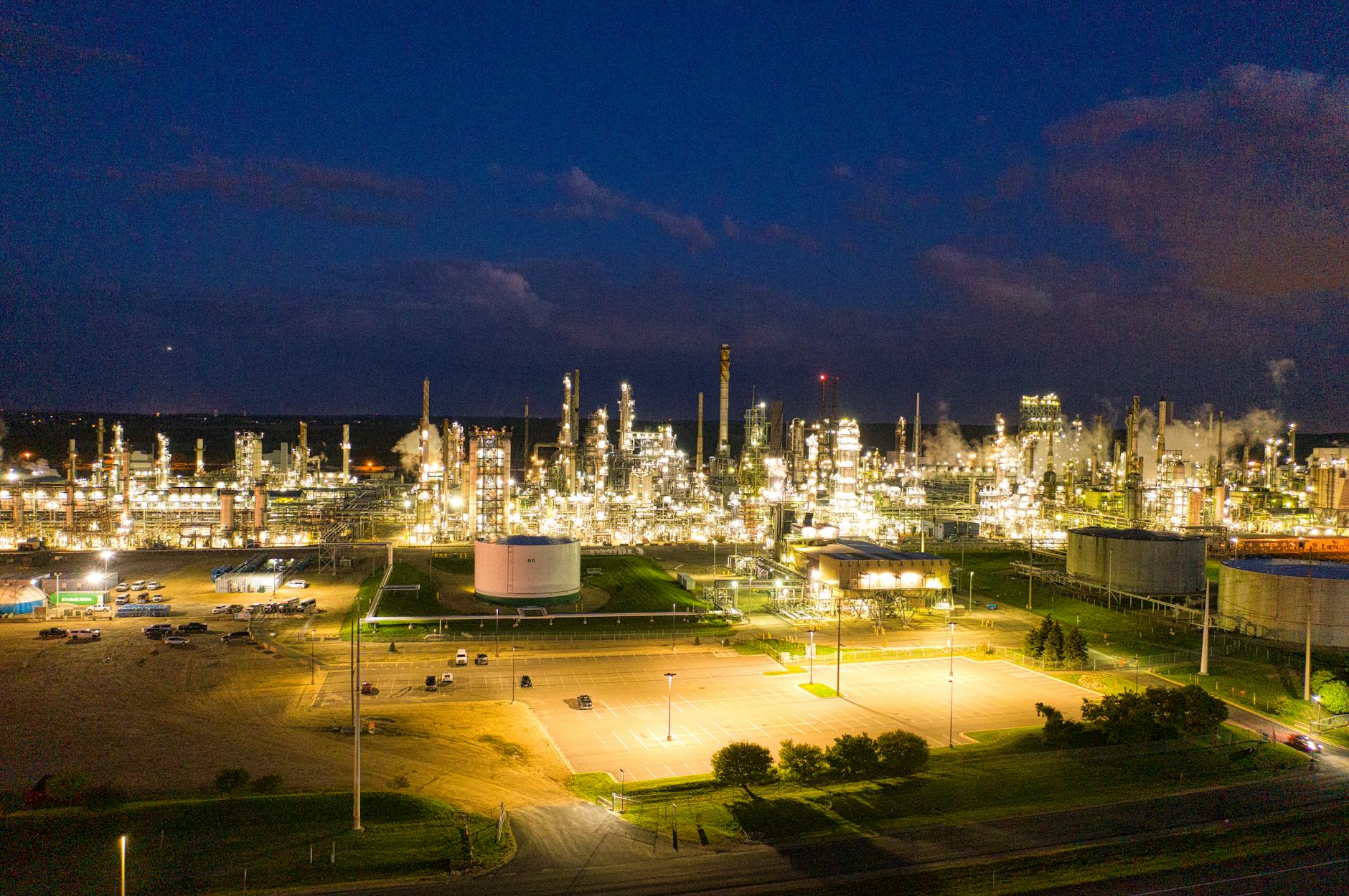
The structural issue underpinning West Coast prices involves aging refinery infrastructure that has not expanded meaningfully in decades. Several large West Coast refineries operate near maximum capacity, with limited ability to increase throughput. Any maintenance outage, equipment failure, or production issue cascades into regional supply crunches and corresponding price spikes. In 2024 and 2025, California experienced several such incidents—refinery outages pushed prices briefly toward $7 per gallon in some locations. Geopolitical and supply-chain disruptions also pose risks.
Roughly 20% of West Coast gasoline supply historically traces to international sources, including imports. Trade tensions, shipping disruptions, or sanctions affecting petroleum markets could rapidly constrain supply further. The region’s geographic isolation means that price escalation can occur with limited ability to source relief from other regions, unlike Midwest or East Coast markets that can receive product from alternative refineries. The warning element: West Coast residents should not expect substantial relief from federal policy levers alone. oil reserves releases or tariff adjustments address national averages but do not resolve California’s unique fuel blend requirements or the refinery capacity constraints affecting Oregon and Washington. Sustainable price relief would require either state-level policy changes reducing fuel specification requirements, major new refinery investment, or demand-side shifts toward alternative transportation—all multi-year changes.
Regional Impact on Businesses and Rural Communities
West Coast businesses dependent on fuel-intensive operations—delivery services, transportation, agriculture, and construction—absorb these costs directly or pass them to customers. A landscaping company in California making daily trips to multiple job sites faces roughly 25-30% higher fuel costs than an equivalent operation in Nevada or Arizona. These cost pressures constrain hiring, wage growth, and business expansion in regional economies.
Rural communities on the West Coast experience the most acute impact because public transportation remains minimal and personal vehicles remain essential for work, shopping, and medical care. A healthcare worker commuting 40 miles daily in rural Oregon spends roughly $350 monthly on fuel alone at current prices, versus $270 in a lower-cost region. Over a career, this compounds to tens of thousands in additional fuel expenses for workers with no realistic alternative.
Outlook and Structural Considerations for West Coast Energy Markets
The immediate outlook remains uncertain. Global crude oil markets remain volatile, and West Coast refinery utilization will fluctuate with seasonal demand patterns. However, the fundamental structural issues—specialized fuel requirements, limited refinery capacity, geographic isolation—appear likely to persist absent significant policy or infrastructure changes.
California’s fuel specifications seem unlikely to ease given the state’s air quality and climate goals. Similarly, no major new refinery construction is underway on the West Coast, suggesting capacity constraints will continue. Long-term relief would require convergence of multiple factors: either reduced demand from accelerated vehicle electrification, policy changes easing fuel specification requirements, or substantial new refinery investment. Absent these shifts, West Coast drivers should anticipate that gas prices will remain substantially above the national average for the foreseeable future, with periodic spikes exceeding even current elevated levels.
Conclusion
West Coast drivers face a persistent and worsening premium at the pump, with California’s $6.15 per gallon, Washington’s $5.77, and Oregon’s $5.32 all dramatically exceeding the $4.50 national average. Year-over-year increases of 21-29% suggest the problem is accelerating rather than resolving, while 2026 year-to-date increases of approximately 60% indicate sustained upward pressure.
The root causes—California’s fuel blend requirements, constrained refinery capacity, geographic isolation, and state tax structures—remain structurally entrenched with limited near-term solutions. For West Coast households and businesses, the practical reality involves absorbing higher transportation costs with few viable mitigation options. Consumers considering major life or business decisions should factor this regional premium into cost calculations, as it represents a genuine and likely persistent cost disadvantage compared to other American regions.
You Might Also Like
- Gas Prices Today: Los Angeles Drivers Continue Paying the Highest Rates
- Gas Prices Today: What Drivers Are Paying in Every Major State
- Gas Prices Today: U.S. Drivers Paying More Than Last Month