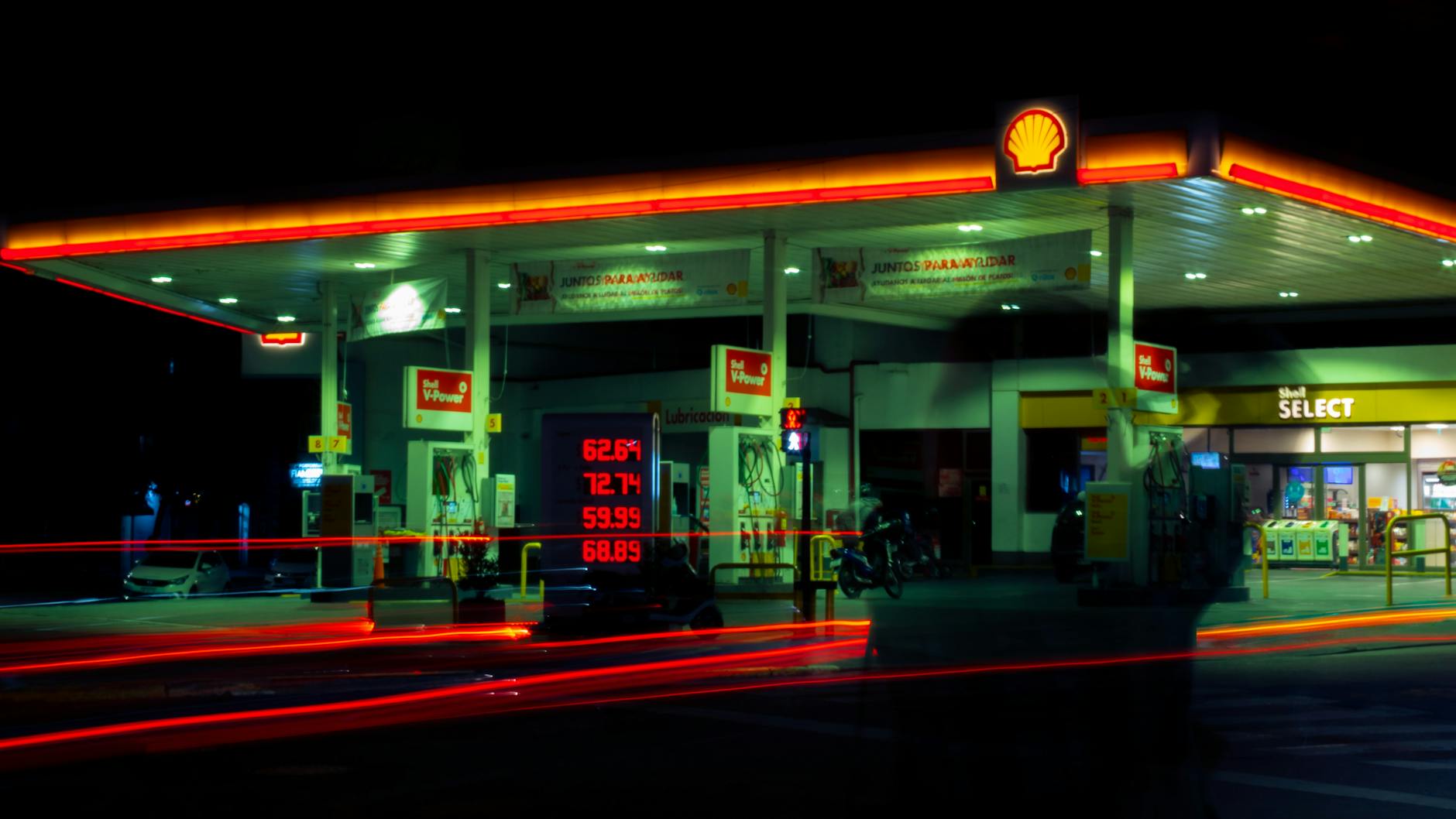
Gas prices are climbing sharply before the Memorial Day weekend, with the national average hitting $4.53 per gallon as of May 14, 2026—a jump that travelers can feel immediately at the pump. This surge is no accident. Oil companies and energy markets respond predictably to holiday weekends: demand for fuel spikes as millions of Americans plan vacations and road trips, while supplies remain constrained by international disruptions and inventory depletion.
Drivers heading to the beach or visiting family for the long weekend face prices that are 43.6% higher than this time last year, when regular gasoline averaged $3.14 per gallon. The timing is deliberate and structural. Energy markets know that people will fill up their tanks for holiday travel regardless of price—a phenomenon called inelastic demand. When Memorial Day approaches, refineries, oil terminals, and gas stations collectively tighten supplies and raise prices because they understand that most travelers cannot simply cancel their plans or significantly reduce fuel consumption in response.
Table of Contents
- THE DEMAND SURGE DRIVING HOLIDAY WEEKEND PRICE SPIKES
- SUPPLY DISRUPTIONS AMPLIFYING THE HOLIDAY PRICE SURGE
- STATE-BY-STATE PRICE VARIATION REVEALS REGIONAL SUPPLY IMBALANCES
- WHY CONSUMERS CANNOT “DEMAND SHIFT” DURING HOLIDAY WEEKENDS
- INVENTORY DEPLETION AND THE ELEVEN-WEEK DECLINE
- HOW THE TRUMP ADMINISTRATION’S ENERGY POLICY AFFECTS FUEL SUPPLY
- WHAT CONSUMERS SHOULD EXPECT FOR SUMMER 2026 AND BEYOND
- Conclusion
- Frequently Asked Questions
THE DEMAND SURGE DRIVING HOLIDAY WEEKEND PRICE SPIKES
Memorial Day marks the unofficial start of the American summer travel season, and that shift in behavior directly triggers fuel demand. Hotels, campgrounds, and beach towns fill with visitors. Families drive across state lines for reunions. Road trips replace weekend errands, and the volume of gasoline consumed in a single week jumps measurably. Energy Information Administration data tracks these spikes with precision: they follow the calendar year after year.
Refineries anticipate this surge weeks in advance. Rather than ramping up gasoline production to meet it, many have instead shifted their capacity toward distillate fuels—diesel and jet fuel—where shortages in Europe and Asia are driving higher margins. This deliberate supply constraint is particularly visible in early May 2026, as U.S. gasoline inventories have fallen for an 11th consecutive week. The shortage is real, and the market response is predictable: prices climb. A family that planned to spend $60 to fill up their tank in late April might now spend $70 for the same quantity of fuel.

SUPPLY DISRUPTIONS AMPLIFYING THE HOLIDAY PRICE SURGE
Global energy disruptions are compounding the seasonal demand spike. The Strait of Hormuz, a critical chokepoint for global oil supply, has remained suspended since early March 2026, disrupting approximately 20 million barrels per day of oil and refined fuel to key importing nations. That level of supply interruption does not heal quickly. It reverberates through fuel markets for months, keeping prices elevated even as some time passes from the initial disruption. The limitation here is stark: even if demand were somehow to cool, supplies remain constrained by forces beyond any individual company’s control.
Geopolitical events determine global oil flows. Weather disrupts refineries. Maintenance schedules reduce production. Drivers cannot escape these factors by choosing the “cheaper” fuel pump—there is no cheaper option available if crude oil supply tightens worldwide. Premium gasoline, which stands at $5.45 per gallon as of mid-May, shows how far above historical norms prices have climbed. Drivers expecting to save money by switching to a lower octane fuel will find that regular unleaded still costs more than $4.50, a sobering figure for anyone filling up a 14-gallon tank.
STATE-BY-STATE PRICE VARIATION REVEALS REGIONAL SUPPLY IMBALANCES
gas prices are not uniform across the United States, and understanding regional variation helps explain how supply constraints work in practice. California pays $6.15 per gallon, nearly a dollar above the national average. Washington State sits at $5.77. Oklahoma, meanwhile, pays $3.94—more than $2.20 below California despite both states’ drivers using the same global oil markets. The difference reflects refinery capacity, state fuel regulations, and distance from major supply hubs.
This regional variation is not random. California’s stricter fuel formulations, designed to reduce emissions, are produced by fewer refineries and sold within state boundaries only. That regulatory choice, while serving environmental goals, eliminates a major source of supply flexibility. When holiday demand spikes, California refineries cannot import fuel from other states to ease the constraint. Oklahoma, by contrast, sits closer to refineries and uses less restrictive fuel standards, creating a more competitive market with lower prices. The warning here is that attempting to solve price spikes through regulation often trades one problem for another—emissions controls may reduce air pollution, but they also reduce supply flexibility and increase price volatility during demand shocks.

WHY CONSUMERS CANNOT “DEMAND SHIFT” DURING HOLIDAY WEEKENDS
Economists call it inelastic demand: when the price of gasoline rises, people do not proportionally reduce the amount they buy. A family has already booked a hotel for Memorial Day. Canceling the trip costs more than paying higher gas prices. Essential commutes still happen. Farmers still need fuel. Trucking companies still deliver goods. The price mechanism that economists treat as a universal solution—”raise prices until demand falls”—simply does not work as advertised with gasoline around holidays.
This creates a predictable opportunity for energy companies. They know that raising prices by 10 or 20 cents per gallon will not significantly reduce the number of cars on the road. Demand will remain nearly flat. The profit opportunity is obvious. From a consumer finance perspective, this is a real wealth transfer: the average household with two cars might spend an extra $60 to $100 on fuel for a single holiday weekend compared to off-peak travel. Multiply that by millions of households, and the total economic impact reaches billions of dollars. The tradeoff is implicit: pay more at the pump, or forgo holiday travel. Most households choose to pay.
INVENTORY DEPLETION AND THE ELEVEN-WEEK DECLINE
The practical mechanism behind the price spike is visible in inventory data. U.S. gasoline inventories have fallen for an 11th consecutive week as of mid-May 2026. That is not a temporary blip—it is a sustained downward trend that signals tightening supplies and rising price pressure. When inventories are abundant, markets feel loose and prices tend to be competitive. When inventories decline week after week, traders and wholesalers adjust their expectations: they anticipate higher prices ahead, so they place orders sooner and in larger quantities, which itself drives prices up.
The warning is that this inventory decline is unlikely to reverse quickly. The Strait of Hormuz blockade continues. Refineries remain focused on higher-margin distillate production. U.S. crude oil production, while historically resilient, has not ramped up sufficiently to offset the import disruption. Holiday demand approaching with depleting inventories is the worst possible timing for consumers. Gas station owners and refineries will have every economic incentive to raise prices, knowing that inventory constraints limit the available supply and that holiday demand remains inelastic.

HOW THE TRUMP ADMINISTRATION’S ENERGY POLICY AFFECTS FUEL SUPPLY
The current administration’s approach to energy includes increased oil production permits and a shift toward energy independence. However, the geopolitical blockade of the Strait of Hormuz is not something U.S. domestic policy can immediately resolve.
📨 Get Free Accountability Coverage Alerts
Free · No spam · Unsubscribe anytime
Domestic crude production takes months to expand meaningfully, and existing refinery capacity has already been allocated. In the short term, these constraints mean that holiday price spikes will persist regardless of regulatory changes. The longer-term impact of increased U.S. production may reduce reliance on Middle Eastern oil, but that benefit extends years into the future, not weeks.
WHAT CONSUMERS SHOULD EXPECT FOR SUMMER 2026 AND BEYOND
The seasonal pattern of rising gas prices before holidays is unlikely to change. Summer driving season, which began with Memorial Day, will persist through Labor Day in September. Energy markets will continue to tighten supplies during periods of peak demand, and prices will reflect that constraint.
Consumers planning trips should budget for fuel costs in the $4.50 to $5.50 range depending on their region. Households in high-cost states like California and Washington may see even higher prices. The global energy situation, particularly the Strait of Hormuz disruption, suggests that relief is not imminent unless the blockade is resolved or global demand drops—neither of which is assured.
Conclusion
Gas prices jump before holiday weekends because demand surges while supplies remain constrained by refinery choices and geopolitical disruptions. The $4.53 national average in May 2026 represents a 43.6% increase from the previous year, and state-level variation shows that some drivers pay $6.15 while others pay $3.94 for the same product. The Middle East blockade, inventory depletion, and refinery shifts toward distillate production all contribute to the squeeze.
Understanding these dynamics matters for consumer finance planning and for accountability conversations about energy policy. Higher fuel costs reduce household discretionary spending, affect small business logistics, and ultimately impact inflation across the economy. While domestic energy policy changes may help over time, the immediate outlook for summer 2026 suggests continued elevated prices during peak travel periods. Consumers should expect to pay significantly more at the pump during holiday weekends and plan their travel budgets accordingly.
Frequently Asked Questions
Will gas prices go down before the Fourth of July weekend?
Unlikely. The inventory depletion, refinery constraints, and global supply disruptions show no signs of immediate reversal. Prices may fluctuate slightly week to week, but the underlying structural factors—reduced U.S. inventory, Middle East blockade, refiner focus on distillate fuels—will persist through summer 2026.
Why does California pay so much more than Oklahoma?
California’s state-specific fuel regulations require specialized fuel formulations that only certain refineries can produce. Oklahoma uses standard fuel and benefits from proximity to major refineries. The regulatory difference creates a supply constraint in California that does not exist in Oklahoma, explaining the $2.21-per-gallon gap between the states.
Is the government doing anything to lower gas prices?
The current administration has increased oil production permits and pursed energy independence policies, but those take months or years to affect supply. The immediate constraint—the Strait of Hormuz blockade—is a geopolitical issue beyond domestic policy control. Short-term relief is unlikely.
Should I avoid driving during holiday weekends to save money on gas?
That depends on your priorities. Gas prices are inelastic, meaning they remain high whether demand is high or low. Delaying a holiday weekend trip by a week or two might save money, but energy markets will remain tight throughout summer 2026, so the savings may be modest.
What is inelastic demand, and why does it matter for gas prices?
Inelastic demand means that people do not significantly reduce fuel consumption when prices rise because gasoline is essential for most daily activities. Oil companies know this, so they raise prices during peak demand periods without worrying that higher prices will substantially reduce the amount of fuel they sell.
How high could gas prices go this summer?
The national average could approach $5.00 per gallon if the Strait of Hormuz blockade persists and summer demand remains robust. States like California could exceed $6.50. A significant change in geopolitics or demand would be needed to reverse the trend.
You Might Also Like
- Gas Prices Today: Miami Fuel Prices Rise Before Vacation Season
- Gas Prices Today: Analysts Predict Volatile Summer Fuel Costs
- Gas Prices Today: Will Prices Drop Before the Fourth of July?