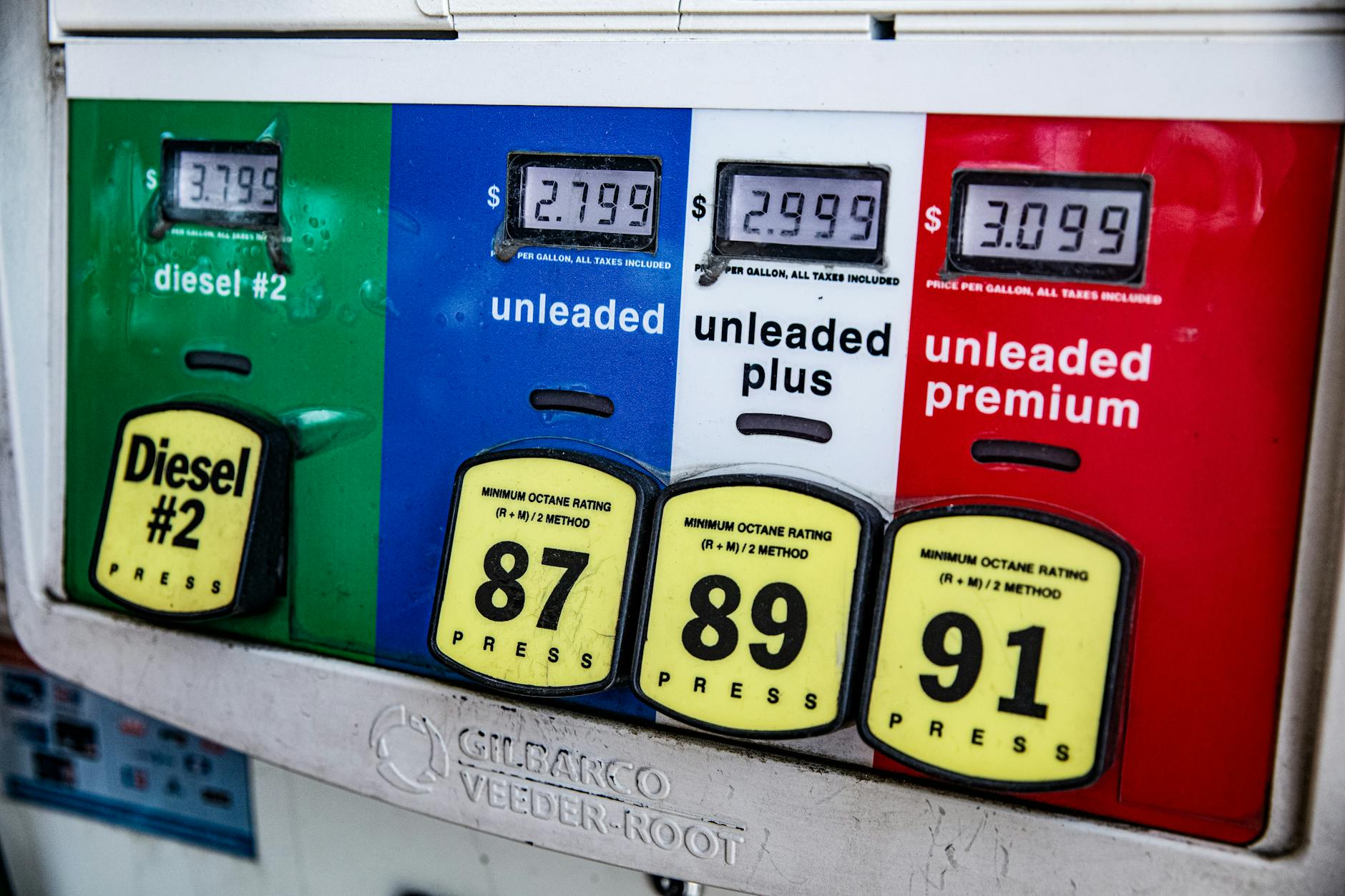
Gas prices spiked dramatically across the United States in May 2026, reaching $3.70 per gallon on May 15—a 2.67% jump in a single day that reflected broader oil market chaos. The national average had already climbed to $4.48 per gallon, the highest level in four years since July 2022, driven by a geopolitical crisis in the Middle East that disrupted crude oil supplies and sent shockwaves through the global energy market.
The primary culprit behind this volatility is the effective closure of the Strait of Hormuz, one of the world’s most critical oil chokepoints. More than 14 million barrels per day of Gulf oil production has shut down, creating a supply loss exceeding 1 billion barrels cumulatively. This is not a gradual price adjustment—it’s a rapid, destabilizing shift that directly affects what drivers pay at the pump every day.
Table of Contents
- What’s Driving the Recent Spike in Gas and Oil Prices?
- How Middle East Geopolitical Tensions Affect American Drivers
- How Volatile Is the Oil Market Right Now?
- What Should Drivers Expect at the Pump This Summer?
- Why the Recovery Timeline Matters More Than You Think
- How Do These Prices Compare Historically?
- What’s the Outlook for Fall and Beyond?
- Conclusion
What’s Driving the Recent Spike in Gas and Oil Prices?
The Middle East geopolitical crisis has created unprecedented market volatility. Iraq, Saudi Arabia, Kuwait, the United Arab Emirates, Qatar, and Bahrain collectively shut in 10.5 million barrels per day in April 2026. Tanker traffic through the Strait of Hormuz fell by approximately 4 million barrels per day during March and April 2026, meaning less crude oil is physically able to reach global markets. This isn’t speculation—these are actual production shutdowns and shipping disruptions measured in real-time by international energy agencies. On the crude market itself, WTI crude jumped to $105.66 per barrel on May 15, up 4.44% in a single day, while Brent crude settled at $111.04 per barrel.
The volatility is extreme: Brent crude spiked to $138 per barrel on April 7, 2026, before declining slightly—a $27 swing in roughly six weeks. For context, that April peak represented the highest crude price in years and directly translated to higher refining costs and pump prices. The year-over-year comparison shows the scale of the problem. Gasoline prices are up 73.08% compared to May 2025, meaning a driver who paid $2.14 per gallon last year is now facing nearly double that cost. Over just the past month, prices jumped 17.01%, making this a sustained upward trend rather than normal market fluctuation.

How Middle East Geopolitical Tensions Affect American Drivers
The Strait of Hormuz remains the critical bottleneck. International energy agencies assume it will remain effectively closed until late May 2026, with shipping traffic expected to resume in June but at below pre-conflict levels. This is where assumptions become dangerous for consumers: even if the conflict eases, oil won’t flow freely immediately. Tankers must resume routes through contested waters, insurance and security costs may remain elevated, and production restart timelines are uncertain.
The International Energy Agency projects that global oil inventories will fall 8.5 million barrels per day on average during Q2 2026. When inventories decline, prices rise—this is basic supply and demand. The U.S. is not immune; American consumers feel these international inventory pressures directly at the gas pump. The limitation here is crucial: even if crude prices stabilize, it takes weeks for refinery capacity to adjust and for new fuel to reach retail pumps, meaning high prices persist even as wholesale costs settle.
How Volatile Is the Oil Market Right Now?
Weekly volatility in crude futures has been striking. WTI crude futures are on track for roughly 10% weekly gains as of mid-May 2026, which means traders and energy companies cannot reliably forecast next week’s prices. This volatility extends beyond speculators—it affects actual supply chains and inventory decisions for fuel distributors, who must decide whether to stock up at current prices or wait for potential declines.
The Energy Information Administration projects that Brent prices will remain around $106 per barrel through May and June 2026, then decline gradually to $89 per barrel in Q4 2026 and $79 per barrel in 2027 as middle east production recovers. Notice the timeline: recovery is measured in quarters, not weeks. Drivers facing $4+ gasoline today should expect to see those prices persist through the summer driving season and into October 2026 at minimum, according to International Energy Agency forecasts.

What Should Drivers Expect at the Pump This Summer?
The American Automobile Association warns that national average gasoline could approach $4 per gallon in some cities if crude continues rising. Some regions are already there or beyond. For a driver filling a 15-gallon tank, the difference between $3.50 and $4.00 per gallon is $7.50 per fill-up, or roughly $100 per month for regular commuters.
📨 Get Free Accountability Coverage Alerts
Free · No spam · Unsubscribe anytime
Over a summer driving season of five months, that’s $500 in additional fuel costs. The comparison to historical precedent matters here: the last time America saw sustained prices above $4 per gallon was 2022. Drivers and supply chains adapted then, but inflation and wage stagnation mean fewer households have discretionary budgets to absorb sustained fuel cost increases. Families already struggling with grocery and housing costs face a direct squeeze on transportation budgets.
Why the Recovery Timeline Matters More Than You Think
The ongoing U.S.-Iran conflict, with stalled peace talks, creates uncertainty over how long supply disruptions will continue. This uncertainty itself drives volatility—traders don’t know when the Strait will reopen, so they bid prices higher as a risk premium. The warning here is that even good news (a partial ceasefire, for example) may not translate immediately to lower prices, because traders will still demand premiums for geopolitical risk. Global oil inventories are depleting faster than they can be replenished given current supply constraints.
The IEA projects these inventory declines will continue through Q2 2026, meaning supply pressure will remain upward. The limitation is that U.S. government intervention—such as releases from the Strategic Petroleum Reserve—can help but cannot solve a 14-million-barrel-per-day global supply loss. Americans should understand that fuel prices are now hostage to Middle East geopolitics for the next several months.

How Do These Prices Compare Historically?
The $4.48 national average in May 2026 sits below the all-time record of $5.016 per gallon in July 2022, but this is cold comfort for drivers. The current price environment is still among the highest in American history. A 73% year-over-year increase is significant by any measure and represents a genuine shift in household economics, not normal seasonal variation.
What’s the Outlook for Fall and Beyond?
The Energy Information Administration projects a gradual price decline through late 2026 and into 2027, assuming Middle East production gradually resumes. If Iraqi, Saudi, and other regional producers restart facilities as the conflict winds down, crude prices could fall to $79 per barrel by 2027, which would reduce gasoline pressure significantly. However, this forecast depends entirely on geopolitical resolution—a forecast, not a guarantee.
Conclusion
Gas prices in May 2026 reflect genuine supply disruption, not market manipulation or speculation. The 73% year-over-year increase from May 2025 to May 2026, with the national average climbing to $4.48 per gallon, is rooted in the shutdown of more than 14 million barrels per day of Gulf oil production and the effective closure of the Strait of Hormuz. These are measurable, verified disruptions with real consequences for American drivers and households.
The volatility will likely persist through the summer driving season and into October 2026, according to international energy agencies. Drivers should budget for sustained high prices rather than expect rapid declines. The only reliable path to lower prices runs through resolution of the Middle East conflict and gradual resumption of regional oil production—timelines measured in quarters, not weeks.
You Might Also Like
- Oil Prices Today: What WTI and Brent Mean for U.S. Gas Prices
- Oil Prices Today: Why Gas Prices May Stay High This Month
- Oil Prices Today: What Rising Crude Prices Could Mean for Gas