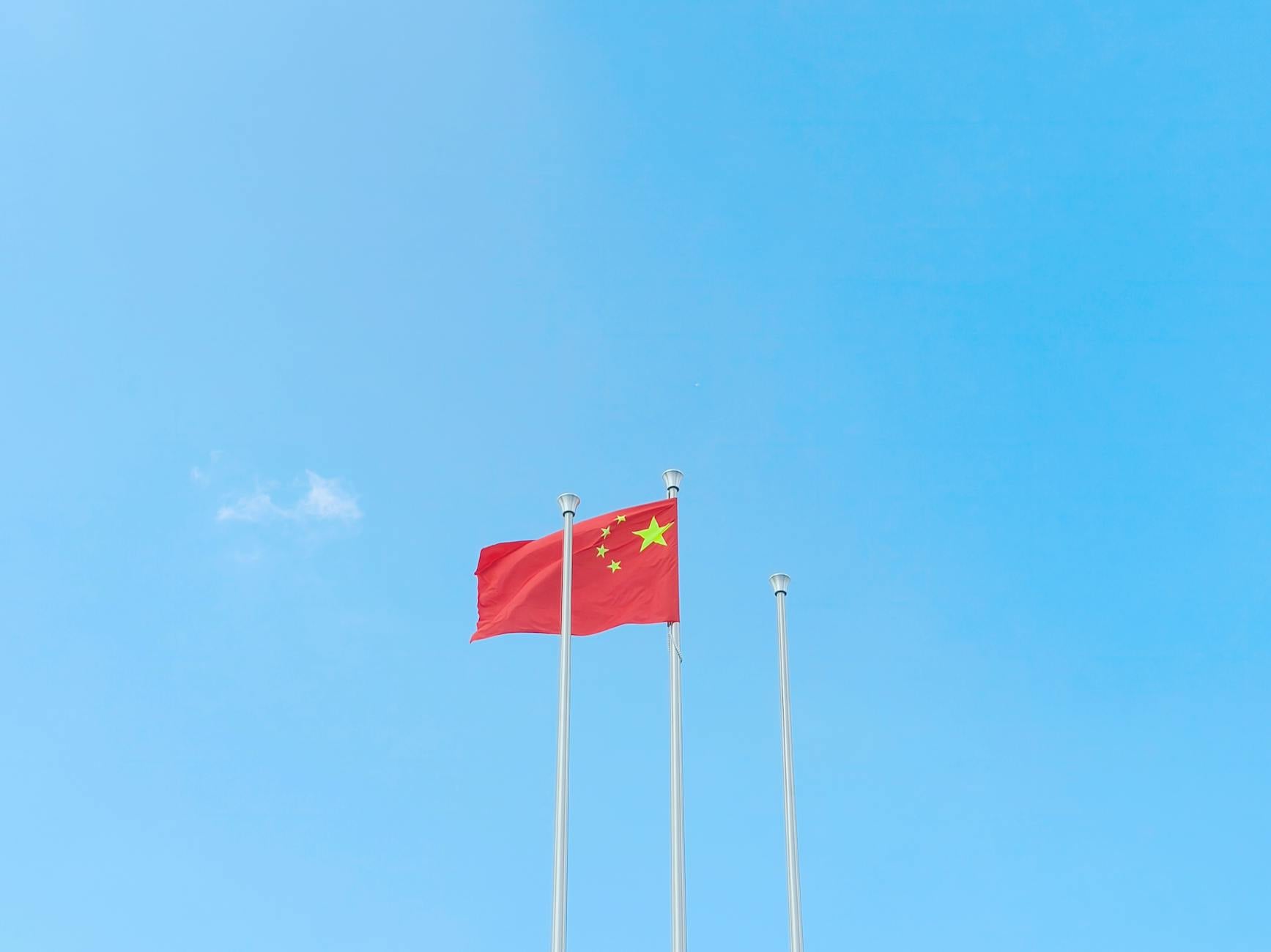
China policy has become one of the rare areas where both Democrats and Republicans show genuine agreement on fundamentals. While the Trump administration and Democratic lawmakers disagree sharply on specific approaches and tactics, there is substantial bipartisan consensus that China poses serious economic and national security challenges requiring a tough, strategic response. This convergence emerged gradually over the past decade as manufacturing concerns, intellectual property theft, and military expansion prompted both parties to move away from the post-Cold War optimism about China’s integration into the global economy.
However, agreement on the problem does not guarantee agreement on solutions—and significant party divisions persist on tariff strategy, trade negotiation tactics, and alliance-building approaches. A concrete example of this bipartisan foundation is the 2019 USMCA trade agreement, which replaced NAFTA and included provisions addressing China’s trade practices. Both Democratic and Republican lawmakers supported tougher rules of origin and labor standards partly to reduce supply chain dependence on China. Similarly, both parties have backed legislation targeting forced labor in Xinjiang and supporting Taiwan, though they frame these issues differently and occasionally clash on timing and enforcement mechanisms.
Table of Contents
- What Creates Bipartisan Agreement on China Policy?
- Where Bipartisanship Breaks Down in China Strategy
- Taiwan, Human Rights, and Areas of Principled Disagreement
- Tariffs, Trade Deals, and Practical Disagreements on Methods
- Strategic Ambiguity and the Risk of Mutual Escalation
- The Labor Question and Where Working Americans Intersect Party Lines
- The Taiwan Issue and Future Escalation Risk
- Conclusion
- Frequently Asked Questions
What Creates Bipartisan Agreement on China Policy?
The bedrock of bipartisan consensus on China rests on three economic realities that affect voters and communities across the political spectrum. First, American manufacturers have lost millions of jobs to Chinese competition since the 1990s, concentrated in Rust Belt states represented by both Democrats and Republicans. Second, U.S. companies report systematic theft of intellectual property and forced technology transfer as conditions of doing business in China—a problem documented by the National Intellectual Property Rights Coordination Center and corroborated across industries from semiconductors to pharmaceuticals.
Third, China’s military expansion in the South China Sea and its growing technological capabilities create national security concerns that transcend party affiliation. These shared concerns explain why even progressive Democrats support restrictions on Chinese imports in certain sectors and have backed the Biden administration’s continuation of Trump-era tariffs on Chinese goods. The United Auto Workers, the AFL-CIO, and other labor unions—traditionally Democratic constituencies—have championed protectionist measures that Republican lawmakers also endorse. When the Senate voted 90-10 in 2021 to pass the Shanghai Cooperation Organization sanctions bill, the overwhelming majority reflected genuine bipartisan support for constraining Chinese influence, though the specific vote counts and rhetoric differed between parties.

Where Bipartisanship Breaks Down in China Strategy
Despite this shared foundation, Democrats and Republicans diverge sharply on tactics, scale, and collateral damage. The Trump administration’s reliance on unilateral tariffs drew criticism from both free-market Republicans and Democrats concerned about job losses in agricultural states and higher consumer prices. The 25% tariff on Chinese steel and aluminum, for example, increased costs for American manufacturers and construction companies while reportedly generating only modest shifts in production back to the U.S.
Democrats argued for multilateral coordination with allies; Republicans in the administration counterargued that allies had tolerated Chinese unfair practices too long and that shock tactics were necessary. The limitation here is stark: tariffs and trade restrictions carry real economic costs that communities experience immediately, while benefits like reshored manufacturing take years to materialize and may never fully offset job losses elsewhere. A Pennsylvania steel manufacturer might support tariffs, but a Michigan automaker who buys that steel faces higher input costs. These trade-offs create genuine fissures even within parties and make sustained bipartisanship difficult when administrations push tariffs to the scale the Trump administration did—some economists estimated tariffs cost American consumers $20 billion annually in higher prices.
Taiwan, Human Rights, and Areas of Principled Disagreement
Both parties support defending Taiwan and opposing genocide, but they emphasize these goals differently and sometimes contradict each other in practice. Republicans generally prioritize Taiwan as a critical strategic asset in containing Chinese military power; Democrats more often stress Taiwan’s democratic values and opposition to authoritarianism.
On Xinjiang, both parties have backed sanctions and import restrictions related to forced labor, but Democrats pushed harder on early warnings about atrocities while Republicans initially focused on labor market competition. A specific example illustrates this tension: Biden administration officials quietly pressed Chinese officials on Xinjiang human rights conditions while maintaining economic engagement; the Trump administration made public confrontation central but was sometimes selective in enforcement (for instance, the administration initially delayed addressing forced labor from other countries to focus on China). Neither approach fully reconciles economic competition with humanitarian concerns, and bipartisanship requires both parties to accept compromises that may feel insufficient to advocates on either side.

Tariffs, Trade Deals, and Practical Disagreements on Methods
The mechanics of trade policy expose fundamental strategic differences. The Trump administration pursued a comprehensive tariff strategy under Section 301 of the Trade Act, citing unfair Chinese practices and national security—a broad interpretation of presidential authority that Democrats worried set dangerous precedents. The Biden administration maintained many of these tariffs but added diplomatic negotiations and allied coordination, seeking a more multilateral approach. However, neither strategy has substantially altered the U.S. trade deficit with China or accelerated manufacturing reshoring at scale.
The practical tradeoff is between rapid pressure (tariffs) and coalition-building (diplomacy). Tariffs act faster but risk retaliatory tariffs from China that harm U.S. exporters; diplomacy takes longer and may require compromise but distributes costs and responsibilities among allies. American farmers exported $18 billion to China in 2017; Chinese retaliatory tariffs in 2018-2019 cut that figure by 50% at peak, creating genuine hardship in Republican-leaning agricultural regions even as some Republicans defended the tariff strategy as necessary. This practical cost undermines bipartisanship because benefits are uncertain while harms are immediate and localized.
Strategic Ambiguity and the Risk of Mutual Escalation
A central risk in China policy is that both parties, seeking to appear tough, may push toward more confrontation than either genuinely intends. Each administration has an incentive to take credit for restraining China while accusing the previous one of weakness, creating a ratchet effect where tensions only increase. The Trump administration’s trade war, the Biden administration’s semiconductor restrictions and Taiwan overtures, and renewed Trump tariff proposals all fit this pattern.
Bipartisanship frays when both parties are trying to prove they are stronger on China than the other. The warning here is significant: escalating restrictions on Chinese investment, technology sales, and market access could trigger Chinese retaliation that harms American consumers, farmers, and workers in ways that cross political boundaries but are harder to undo once triggered. The semiconductor restrictions enacted under Biden and continued by Trump, while strategically sound, may reduce innovation and increase costs in ways that American companies and consumers feel for years. True bipartisanship would require accepting some inefficiency and cost as the price of restraint, but electoral pressures often work against such restraint.

The Labor Question and Where Working Americans Intersect Party Lines
American workers have become a crucial variable in China policy debates because they experience the consequences most directly. Manufacturing job losses are concentrated in regions that swing between Democratic and Republican control, and both parties compete for the votes of workers who have suffered from globalization. Unions, historically Democratic allies, have become advocates for the kind of protectionist China policy that even some conservative economists oppose on pure free-market grounds.
📨 Get Free Accountability Coverage Alerts
Free · No spam · Unsubscribe anytime
A concrete example: the United Auto Workers union supported trade restrictions partly to protect American auto manufacturing from Chinese electric vehicle imports, even though cheap Chinese EVs could benefit American consumers. This creates internal contradictions—unions and liberal advocates want both cheaper cars and union jobs, protections for workers and cheap goods. China policy, far more than abstract economic debates, forces voters and policymakers to choose between these conflicting goods, which is why bipartisanship is possible on the principle of “confronting China” but fractious on the details.
The Taiwan Issue and Future Escalation Risk
Taiwan represents the forward-looking frontier of China policy and a potential breaking point for bipartisanship. Both parties support Taiwan’s democracy and oppose military takeover, but they differ on how explicit to be about U.S. defense commitments and how provocative to make support. Recent statements from Trump about “Taiwan should pay for its own defense” and Biden’s repeated statements that the U.S.
would defend Taiwan militarily show how even shared commitment to Taiwan can translate into different rhetoric and policy signals. Looking ahead, a military crisis over Taiwan could either force genuine bipartisanship (if both parties rally to defend Taiwan) or expose deep fissures if one party faults the other for triggering or mishandling the crisis. The risk is that pursuing maximum toughness on China policy now, without bipartisan constraint and compromise, creates mutual expectations of escalation that make crisis management harder. A more sustainable China policy would require both parties to agree not just on the challenge but on escalation boundaries—a much harder negotiation.
Conclusion
China policy can unite both parties on the fundamental diagnosis: China’s practices are unfair, its military expansion threatens regional stability, and American resilience requires less economic dependence on Chinese supply chains. Bipartisanship on these points has produced real legislation, including tariffs, sanctions on forced labor, and investment restrictions. However, bipartisanship on the problem has not translated into unified strategy on solutions, and may never do so without significant compromise by both parties on the degree of confrontation they are willing to accept.
The future of bipartisan China policy depends on whether both parties can move beyond proving who is tougher and focus on which approaches actually work—and at what cost to American consumers, workers, and communities. This requires both parties to acknowledge that reshoring manufacturing, defending Taiwan, and protecting intellectual property carry real trade-offs and that no administration can achieve all goals simultaneously. Without this kind of honest conversation and mutual restraint, bipartisanship on China will remain shallow, limited to rhetoric about toughness while diverging sharply on methods and costs.
Frequently Asked Questions
Is bipartisan consensus on China policy actually reflected in Congress?
Partially. Legislation addressing forced labor, Taiwan support, and investment screening has passed with bipartisan votes. However, major tariff and trade agreement decisions often split along party lines, with Republicans favoring unilateral action and Democrats preferring multilateral coordination.
What specific tariffs do both parties agree on?
Both parties generally support restrictions on products involving forced labor (especially from Xinjiang), semiconductors with military applications, and sectors identified as critical infrastructure. They diverge on broader tariffs affecting consumer goods and industrial metals.
Could a bipartisan China commission or formal policy framework help?
Many policy experts have proposed bipartisan commissions on China strategy. These could clarify shared goals and identify areas of genuine disagreement, though whether Congress would authorize and fund such a commission depends on which party holds majority power.
How does China policy affect consumers?
Tariffs on Chinese goods increase prices for American consumers on electronics, appliances, clothing, and tools. Supply chain restrictions aimed at China may also reduce product availability and raise prices in the short term, though they may create reshoring opportunities long-term.
What role does ideology play in China disagreements?
More than economics alone. Democrats are more likely to emphasize values like democracy and human rights; Republicans more often lead with national security and military containment. These different frames lead to different policy priorities even when both parties accept confronting China as necessary.
Could China policy unity break down over allies?
Yes. The approach toward allied nations—whether to coordinate with Europe and Japan or act unilaterally—has split parties internally and between them. Bipartisanship is easier on antagonizing China than on how to involve or exclude allies in strategy.
You Might Also Like
- Can Foreign Policy Sink a Presidency Again?
- Why Empathy Feels Missing From Both Parties
- Can Scandals Still Hurt Trump?