
If you bought beef between August 2014 and December 2019, you may be owed money from an $87.5 million settlement — and you don’t need a single receipt to file your claim. Tyson Foods and Cargill have agreed to pay $55 million and $32.5 million respectively to resolve allegations that they conspired with other major beef processors to limit supply and inflate prices. The settlement covers consumers in 26 states plus the District of Columbia who purchased certain fresh or frozen beef cuts from retailers for personal use. If you live in an eligible state and bought chuck roast, ribeye steaks, or round roast during that five-year window, you can submit a claim online at www.OverchargedForBeef.com by June 30, 2026.
The case, formally known as Consumer Indirect Beef Litigation, is playing out in the United States District Court for the District of Minnesota. The core allegation is straightforward: major beef packers coordinated to restrict the supply of cattle entering the market and allocated territories among themselves, which drove up what families paid at the grocery store checkout. While Tyson and Cargill have settled, the litigation continues against JBS USA Food Company, Swift Beef Company, JBS Packerland Inc., and National Beef Packing Company. This article breaks down exactly who qualifies, which beef products count, how much you might receive, and how to file before the deadline.
Table of Contents
- Who Qualifies for the $87.5 Million Beef Price Fixing Settlement With No Receipts Needed?
- Which Beef Products Are Excluded From the Settlement?
- How the Alleged Beef Price Fixing Scheme Worked
- How to File a Claim and What to Expect in Payment
- Key Deadlines and What Happens If You Miss Them
- Why This Settlement Matters Beyond the Payout
- What Comes Next in Beef Industry Antitrust Litigation
- Conclusion
- Frequently Asked Questions
Who Qualifies for the $87.5 Million Beef Price Fixing Settlement With No Receipts Needed?
eligibility hinges on three factors: where you lived, when you bought beef, and what kind of beef you bought. The class period runs from August 1, 2014 through December 31, 2019. You must have resided in one of the following jurisdictions during at least part of that period: Arizona, California, the District of Columbia, Florida, Illinois, Iowa, Kansas, Massachusetts, Maine, Michigan, Minnesota, Missouri, Montana, Nebraska, Nevada, New Hampshire, New Mexico, New York, North Carolina, North Dakota, Oregon, Rhode Island, South Dakota, Tennessee, Utah, West Virginia, or Wisconsin. If you lived in Texas, Georgia, or Pennsylvania during those years, you are not part of this settlement class. The qualifying beef products are fresh or frozen cuts from four primal categories: chuck, loin, rib, and round. Think chuck roast, T-bone steaks, ribeye, sirloin, or eye of round — the standard cuts most families buy at supermarkets.
The beef must have been purchased indirectly, meaning you bought it from a retailer like Walmart, Kroger, Costco, or your local grocery store rather than directly from the packing plant. For example, if you regularly bought a family pack of chuck steaks from your neighborhood supermarket every other week between 2015 and 2018, those purchases count. The “no receipts needed” element is significant. Unlike many class action settlements that require proof of purchase or detailed transaction records, this one allows claimants to estimate their beef purchases during the class period. The claim form asks how much eligible beef you bought, but you are not required to dig through five years of old grocery receipts. This lowers the barrier considerably, especially given that the class period ended more than six years ago and few people keep grocery receipts that long.
Which Beef Products Are Excluded From the Settlement?
Not every cut of beef qualifies, and this is where people are likely to overestimate their claims. Premium beef is excluded entirely — that means USDA Prime grade, organic, grass-fed, and Wagyu beef are all off the table. If you were buying premium ribeyes from a specialty butcher, those purchases do not count toward your claim. The settlement targets the mainstream, conventionally raised beef supply chain where the alleged price manipulation occurred. Specialty beef is also excluded. Products labeled antibiotic-free, kosher, or halal fall outside the settlement class. And here is a limitation that will affect a large number of consumers: processed beef does not qualify.
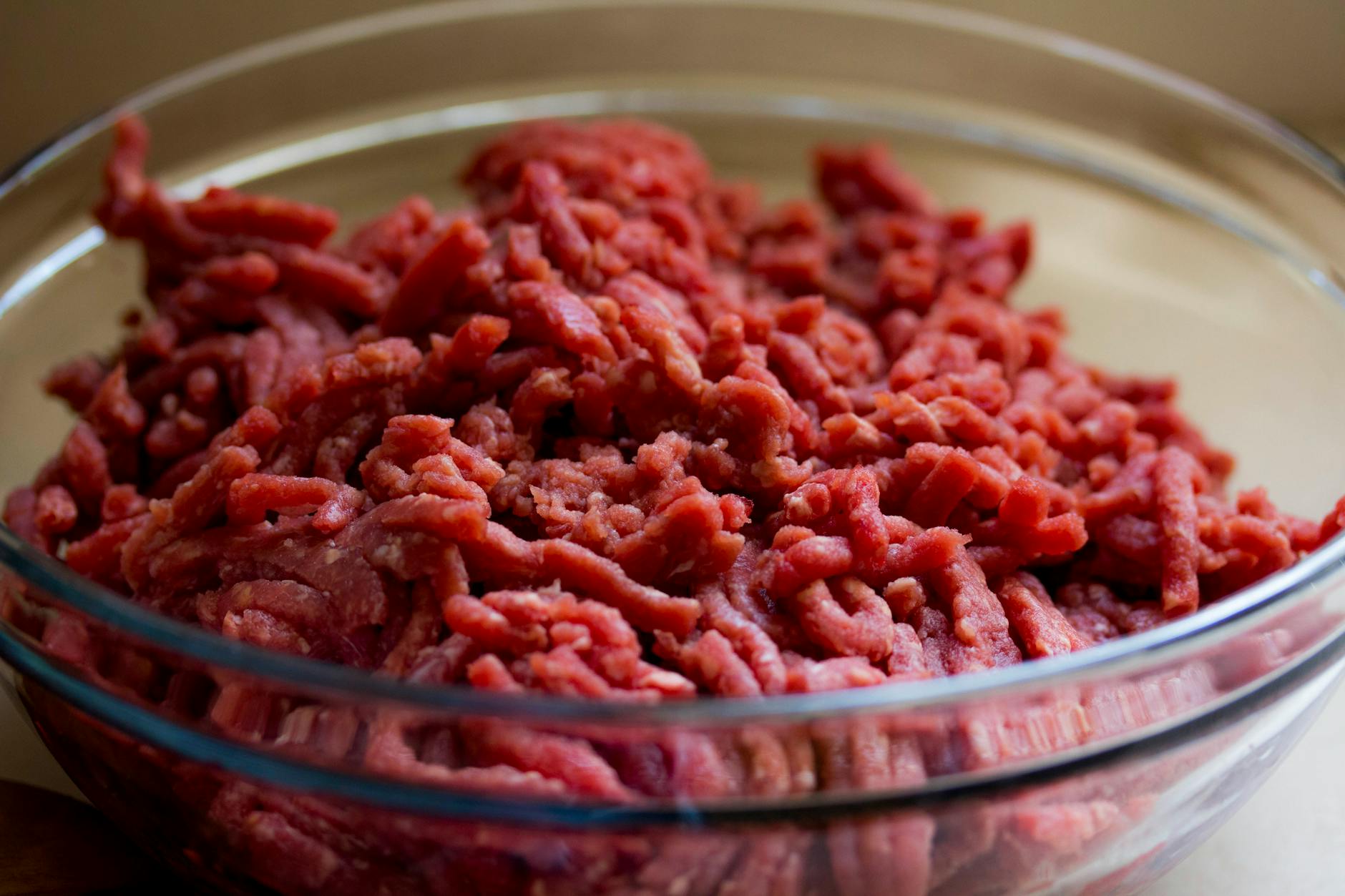
Ground beef — the single most popular beef product in American households — is not covered. Neither is marinated, seasoned, breaded, or pre-cooked beef. So if most of your beef purchases during the class period were ground beef for burgers and tacos, or pre-marinated fajita strips, those purchases would not factor into your claim amount. However, if you routinely bought whole chuck roasts, round steaks, or bone-in ribeyes alongside that ground beef, you still have a valid claim based on those qualifying cuts. This distinction matters because many consumers assume “beef is beef” and will mentally tally up their entire beef spending over five years. The actual eligible amount for most households will be smaller than their total beef expenditure. Filing an honest estimate is important — inflated claims can delay the process for everyone and may be subject to review.
How the Alleged Beef Price Fixing Scheme Worked
The underlying allegation is that major beef processors — Tyson, Cargill, JBS, National Beef, and others — conspired to reduce the number of cattle they slaughtered and processed, effectively restricting supply. In a functioning market, beef packers compete to buy cattle from ranchers and sell processed beef to retailers. The lawsuit alleges these companies instead coordinated to suppress cattle purchases, which simultaneously harmed ranchers (who received lower prices) and consumers (who paid higher ones). According to the complaint, this coordination took multiple forms, including sharing proprietary information about slaughter volumes and market allocation agreements. The alleged conspiracy period, 2014 to 2019, coincides with a stretch when cattle supplies were actually recovering from a multi-year drought cycle, yet consumer beef prices remained stubbornly high.
Industry analysts at the time noted that packer profit margins were unusually wide, with the gap between what processors paid for live cattle and what they charged retailers growing significantly. For a concrete example, USDA data shows Choice beef retail prices averaged around $5.80 per pound in 2015 and stayed above $5.50 through most of the class period, even as cattle inventories rebuilt. It is worth noting that Tyson and Cargill settled without admitting wrongdoing — that is standard in class action litigation. The case is not over, either. JBS USA Food Company, Swift Beef Company, JBS Packerland Inc., and National Beef Packing Company remain as defendants, and additional settlements or a trial could follow. If those companies also settle, there may be additional funds distributed to the class.
How to File a Claim and What to Expect in Payment
Filing is simple. Go to www.OverchargedForBeef.com and complete the online claim form, or request a paper form and mail it postmarked by June 30, 2026. The form asks for your contact information, the state where you lived during the class period, and your estimated purchases of eligible beef products. You can also call the toll-free number at 1-877-283-8711 for assistance. The entire process takes a few minutes online. The payout is a pro rata share of the net settlement fund — meaning the total after attorneys’ fees, court costs, and administrative expenses are deducted.
Your individual share depends on how much eligible beef you reported purchasing and how many total valid claims are filed. This creates a tradeoff: if relatively few people file, individual payments will be larger; if millions file, payments get diluted. For most everyday shoppers, realistic expectations should be set at a modest amount — likely ranging from a few dollars to several dozen dollars. A family that bought significant quantities of eligible cuts every week for five years in an eligible state would be toward the higher end, while someone who only occasionally bought a steak would receive less. There is no fixed dollar amount per person, which is a departure from settlements like the Equifax data breach where claimants could choose a flat $125 payment. Here, every dollar of your estimate matters proportionally. If you are debating whether filing is worth your time, consider that a five-minute online form for even a modest check is a reasonable return on effort — but this is not going to be a windfall for any individual consumer.
Key Deadlines and What Happens If You Miss Them
The deadlines in this case are firm, and missing them has consequences. The opt-out deadline is March 30, 2026 — if you want to preserve your right to sue Tyson or Cargill individually (perhaps because you are a large-volume purchaser like a restaurant buyer who falls within the class definition), you must exclude yourself by that date. The objection deadline is also March 30, 2026, which is the last day to formally object to the settlement terms if you believe the deal is unfair. A fairness hearing is scheduled for May 12, 2026 at 11:00 a.m. CDT before the court in Minnesota, where the judge will consider any objections and decide whether to grant final approval. The most important date for most consumers is June 30, 2026 — that is the claim deadline.
If you do not file by then, whether online or by mailing a postmarked form, you will not receive any payment from the Tyson and Cargill settlements. You will still be bound by the settlement terms, meaning you will have released your claims against those companies without getting any compensation. There is typically no extension granted for class action claim deadlines, so do not assume you can file late. One limitation to flag: if you opt out by March 30, 2026, you retain the right to pursue your own lawsuit, but you forfeit any payment from this settlement. For the vast majority of individual consumers, opting out makes no practical sense — the cost of individual litigation would dwarf any potential recovery. Opting out is really only a consideration for commercial buyers or large institutional purchasers who might have substantial damages worth pursuing independently.
Why This Settlement Matters Beyond the Payout
The $87.5 million from Tyson and Cargill represents a meaningful but partial accounting in a much larger legal battle. The beef packing industry in the United States is extraordinarily concentrated — four companies (Tyson, Cargill, JBS, and National Beef) control roughly 85 percent of the market. That concentration has drawn scrutiny from Congress, the Department of Justice, and the USDA for years. This settlement does not restructure the industry or impose new regulations, but it does establish a financial consequence for alleged anticompetitive behavior.
For consumers, the real value may be less about the individual check and more about the signal it sends. Several parallel cases continue, including direct purchaser litigation and rancher lawsuits alleging the same conspiracy suppressed cattle prices. The continued litigation against JBS and National Beef could yield additional settlements. If you file a claim in this round, you would likely be notified of any future settlement funds from the remaining defendants as well.
What Comes Next in Beef Industry Antitrust Litigation
The case against JBS USA Food Company, Swift Beef Company, JBS Packerland Inc., and National Beef Packing Company is still active. If those defendants settle, additional funds could be distributed to the same class of consumers. If the case goes to trial and the plaintiffs prevail, damages could be significantly larger — antitrust verdicts can include treble damages under federal law.
Either way, this litigation is likely to stretch into 2027 or beyond. On the policy side, beef industry concentration remains a live issue in Washington. The current administration and Congress have both expressed interest in meatpacking competition, and outcomes in this case could influence legislative or regulatory action. For now, the most practical step any eligible consumer can take is to file a claim before June 30, 2026 and keep an eye on any future notices from the settlement administrator.
Conclusion
The $87.5 million beef price fixing settlement from Tyson Foods and Cargill offers a straightforward opportunity for consumers in 26 states and D.C. who bought qualifying fresh or frozen beef cuts between August 2014 and December 2019. The no-receipts-required policy makes filing accessible, and the process takes only minutes at www.OverchargedForBeef.com. While individual payments will be modest for most households, the claim deadline of June 30, 2026 is firm, and there is no good reason not to file if you are eligible.
Keep in mind what qualifies and what does not — ground beef, premium cuts, and specialty products are excluded, so base your estimate on conventional chuck, loin, rib, and round purchases only. If you have questions, the toll-free line at 1-877-283-8711 can help. The litigation against the remaining defendants continues, and additional settlement funds may become available down the road. File your claim now, set realistic expectations for the payout, and stay informed.
Frequently Asked Questions
Do I need receipts to file a claim in the beef price fixing settlement?
No. The settlement does not require receipts or any proof of purchase. You will be asked to estimate how much eligible beef you purchased during the class period of August 1, 2014 through December 31, 2019.
Does ground beef count toward my claim?
No. Ground beef is classified as processed beef and is excluded from this settlement. Only fresh or frozen cuts from chuck, loin, rib, and round primal categories are eligible.
How much money will I receive from the beef settlement?
There is no fixed payout per person. Your payment is a pro rata share of the settlement fund based on your reported eligible beef purchases and the total number of valid claims filed. Most individual consumers should expect a modest payment ranging from a few dollars to several dozen dollars.
What is the deadline to file a claim?
June 30, 2026. Claims can be filed online at www.OverchargedForBeef.com or by mailing a paper form postmarked by that date.
I live in Texas. Am I eligible?
No. Only residents of 26 specific states and the District of Columbia during the class period are eligible. Texas is not one of them. The eligible states are AZ, CA, DC, FL, IL, IA, KS, MA, ME, MI, MN, MO, MT, NE, NV, NH, NM, NY, NC, ND, OR, RI, SD, TN, UT, WV, and WI.
Is the case over, or could there be more settlement money later?
The case continues against JBS USA Food Company, Swift Beef Company, JBS Packerland Inc., and National Beef Packing Company. If those defendants settle or lose at trial, additional funds could be distributed to the same class of consumers.