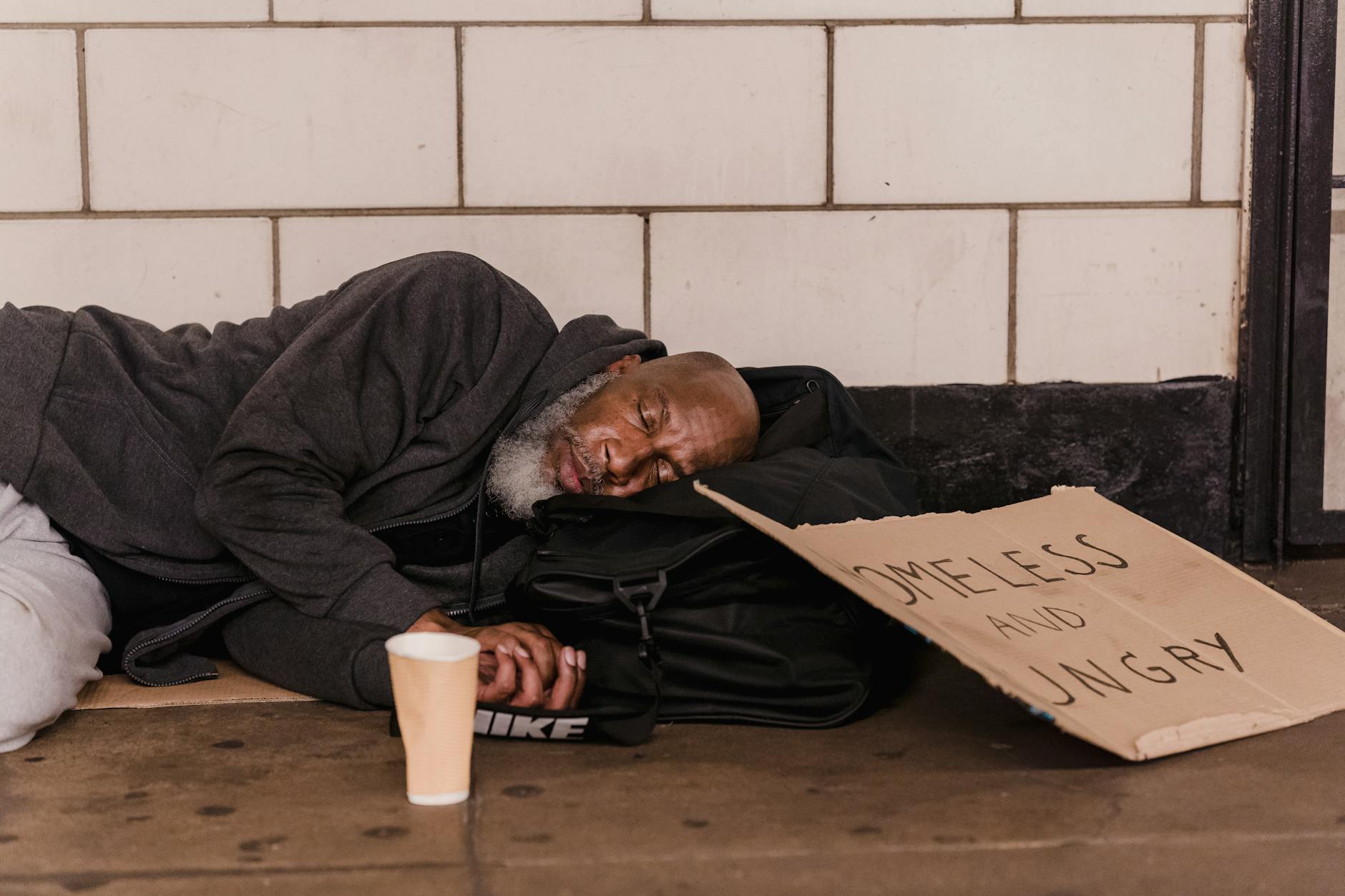
Americans are increasingly describing themselves as politically homeless—caught between two major parties that no longer feel like home. This isn’t simply frustration with individual politicians or disappointment with a single election cycle. It’s a structural reality where millions of voters find their core beliefs fragmented across both parties, or entirely absent from the political mainstream. A voter might align with Democratic economic policies but Republican positions on education autonomy, or support immigration reform that neither party honestly addresses. The result is a swelling population of independents, swing voters, and disengaged citizens who feel abandoned by the political system designed to represent them. The trend accelerated dramatically over the past decade.
In 2012, roughly 38% of Americans identified as independent. By 2024, that number exceeded 45%, according to Gallup polling. More tellingly, among voters under 40, the independent identification rate hovers near 50%. This isn’t about apathy—many of these voters care deeply about politics. It’s about alienation. They’ve concluded that neither major party actually wants their participation unless they’re willing to compromise on issues they consider non-negotiable.
Table of Contents
- Why Party Identity No Longer Reflects Voter Values
- How Partisan Polarization Drives People Away
- The Primary System as a Filter for Moderation
- The Third Party Temptation and Its Limitations
- The Consequences of Democratic Disengagement
- Economic Anxiety and Values Misalignment
- The Future of Political Representation
- Conclusion
Why Party Identity No Longer Reflects Voter Values
The two-party system was built on broad coalitions designed to include diverse viewpoints under a single tent. Democrats historically encompassed both union workers and progressive activists; Republicans held both social conservatives and libertarian-minded business owners. Those coalitions have fractured. A small business owner who supports free markets but believes in robust environmental regulation finds no comfortable home. A suburban parent who supports police reform but opposes defunding finds themselves without a clear party champion. These aren’t edge cases—they represent millions of voters across the country. The fragmentation accelerated when primary politics became more ideologically rigid. Candidates compete by appealing to their base voters, who tend to hold more extreme positions than the general population.
This pushes winning candidates further from the center and makes compromise politically dangerous within their own party. A moderate Republican who supports gun safety measures risks a primary challenge; a centrist Democrat advocating for stricter work requirements on welfare faces the same threat. The primary system rewards purity and punishes nuance, leaving general election voters—who tend to be more moderate—feeling unrepresented. Real consequences follow. A 2023 survey by More in Common found that 67% of Americans hold positions that don’t fit neatly into either party’s platform. When forced to choose between two incomplete matches, millions of voters simply disengage. Some skip elections. Others vote reluctantly, holding their nose. Still others—an estimated 21 million Americans—identify as independent but don’t consistently show up at the polls at all.

How Partisan Polarization Drives People Away
Polarization doesn’t just divide people between parties; it drives them out of the system entirely. When political conflict becomes personal, when disagreement feels like a moral failing, millions of reasonable people step back. A parent who thinks both parties are performing for their base, both parties are making unrealistic promises, and both are more interested in defeating the other side than solving actual problems—that parent is rationally responding to what they observe. The rise of social media accelerated this trend by creating echo chambers and amplifying extreme voices. A voter logging onto their preferred platform sees the worst representatives of the opposing party, not the reasonable moderates. This creates a distorted picture of what the other side actually believes. A Republican voter might assume all Democrats want to eliminate private insurance when in fact most Democratic voters support a mixed system.
A Democratic voter might believe Republicans oppose any gun regulation when polling shows broad Republican support for background checks. Polarization thrives on misunderstanding, and polarization drives people away. Consider the warning here: political homelessness can weaken democratic participation in dangerous ways. When millions of voters feel unrepresented, turnout drops. Special interests and ideologically motivated activists gain disproportionate power. The result is a vicious cycle—as reasonable people withdraw, those remaining within each party become more ideologically intense, pushing even more moderates away. A 2022 survey found that voters identifying as independent are 15% less likely to vote than those with strong party affiliation, even controlling for age and education.
The Primary System as a Filter for Moderation
The presidential primary system functions as a filter that systematically removes moderate candidates. A candidate trying to win Iowa or South Carolina—the early contests with the most ideologically committed voters—must campaign as the most conservative Republican or the most progressive Democrat to win. Only after securing the nomination can they pivot toward the center for the general election. This process is transparent, exhausting, and makes millions of moderate voters cynical about the entire enterprise. The 2020 primary cycle illustrated this dynamic. In the Democratic primary, candidates were pressured to endorse positions well to the left of where most American voters sit—comprehensive student loan forgiveness, elimination of private insurance, decriminalization of border crossing. In 2024, the Republican primary featured candidates competing on immigration hardline positions that have limited public support in general polling.
A voter watching this process—knowing they’ll eventually have to choose between the eventual nominees—reasonably concludes the system is designed for activists, not for them. Some states have tried to address this through open primaries or ranked-choice voting. Alaska adopted ranked-choice voting for state races in 2022, expecting it to reduce polarization and allow more moderate candidates to emerge. The results have been mixed. Moderate candidates do better, but party insiders have adapted their strategies. The warning: no electoral system is a panacea. You can change the rules, but if voters are fundamentally alienated from both parties, structural reforms alone won’t rebuild trust.

The Third Party Temptation and Its Limitations
Politically homeless Americans often wonder whether third parties offer an escape route. The answer is more complicated than it seems. In theory, a third party could capture the center—voters who feel abandoned by both major parties. In practice, third parties face structural disadvantages that make winning nearly impossible. The Electoral College, debate access thresholds, and ballot access laws all favor the two-party system. A third party candidate who actually represents millions of moderate voters still faces a ceiling effect. The 2016 and 2020 elections illustrated both the appeal and the limitations. In 2016, Libertarian candidate Gary Johnson won 3.3% of the popular vote, the best third-party performance since 1996.
Yet he won zero electoral votes and zero House seats. Four years later, No Labels promoted a center-right, center-left fusion ticket. It failed to attract a major candidate and never got off the ground. The problem isn’t that voters don’t want alternatives; it’s that the system punishes those alternatives mathematically. However, there’s a tradeoff worth mentioning. A voter supporting a third-party candidate in a competitive state risks acting as a spoiler, potentially helping their least-preferred major-party candidate win. This calculation is especially acute in swing states where elections are close. A voter who feels politically homeless must choose: vote for a third party and risk unintended consequences, or compromise and support a major-party candidate they don’t fully support. Both options feel like losing.
📨 Get Free Accountability Coverage Alerts
Free · No spam · Unsubscribe anytime
The Consequences of Democratic Disengagement
Political homelessness has real downstream effects on democracy itself. When millions of voters feel unrepresented, they become less likely to vote, less likely to volunteer for campaigns, and less likely to serve in local office. This creates a leadership vacuum filled by people more ideologically committed and less representative of the broader public. Local school boards, town councils, and state legislatures increasingly consist of activists rather than normal community members. The warning deserves emphasis: low engagement in local politics has consequences. School boards that should reflect community values instead reflect the values of the 5% of parents who attend meetings. City councils become vehicles for particular interests rather than balanced deliberation.
State legislatures increasingly consist of legislators who won primaries by appealing to their base, then faced no meaningful general election opposition. The person representing your district might be there because they excited their party’s activists, not because they have broad community support. Disengagement also affects voting behavior in ways that politicians have learned to exploit. Voters who feel politically homeless are more susceptible to voting based on negative partisanship—voting against the other side rather than for their preferred side. A voter might not be enthusiastic about their party’s candidate but show up anyway because they really oppose the other side. This dynamic incentivizes negativity, fear-mongering, and worst-case scenarios. It rewards campaigns that say “the other side will destroy the country” more than campaigns that say “here’s how we’ll improve your life.”.
Economic Anxiety and Values Misalignment
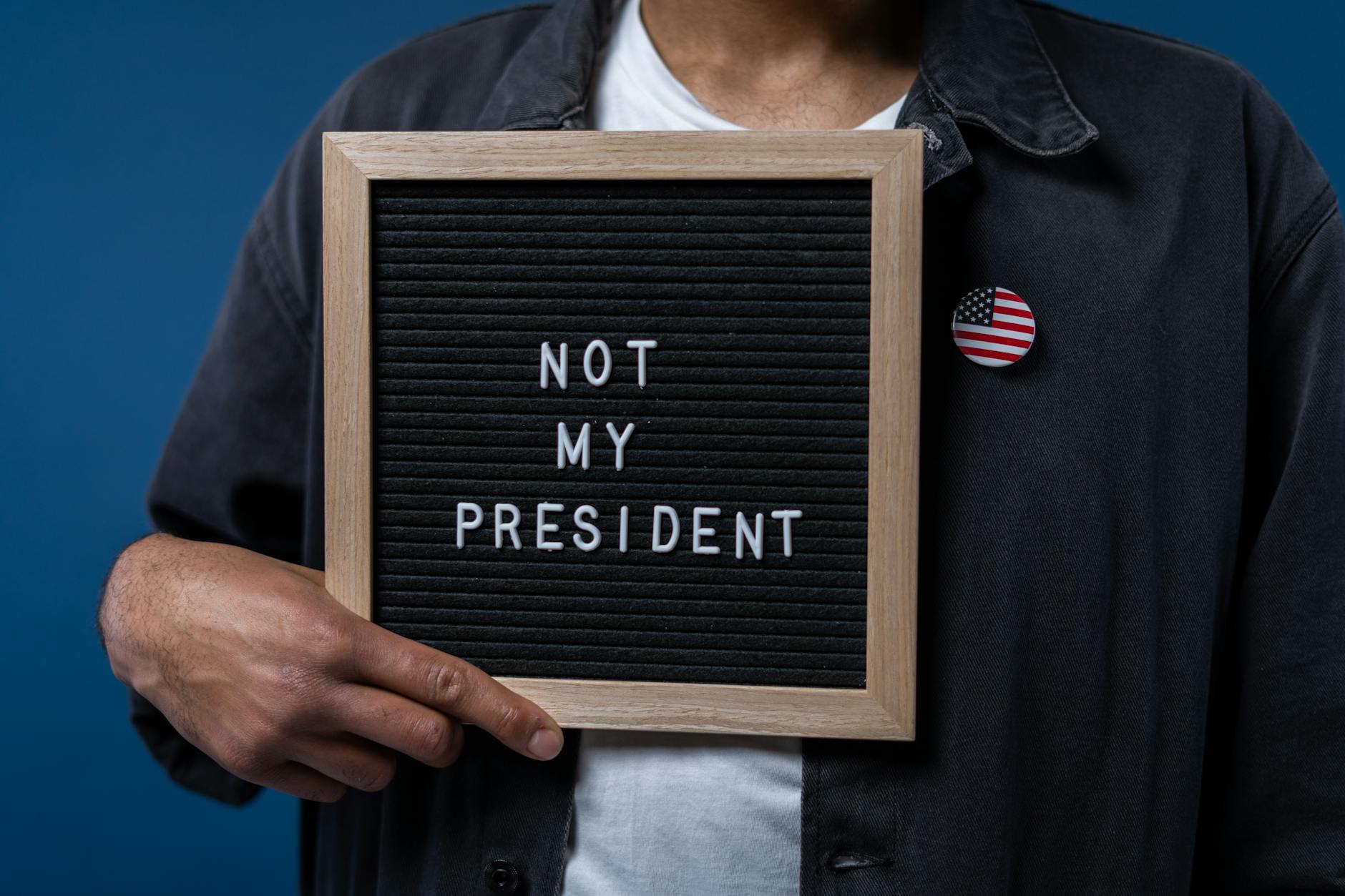
A major driver of political homelessness is the gap between what parties promise and what they actually address. Consider economic anxiety. Both parties claim to support working families, but their actual policy proposals often miss the mark. A voter worried about housing costs hears Democrats discuss homelessness and Republicans discuss building regulations, but neither party has proposed solutions that actually make housing more affordable in the communities where people live. They hear promises but see gridlock. The same pattern repeats across issues.
Gun owners worried about responsible gun ownership find no party offering regulation without stigma. Parents who support public education but want more choice find both parties offering all-or-nothing positions. Workers in declining industries hear vague promises of retraining but see no actual programs that work. This gap between rhetoric and reality, repeated across issue after issue, explains why millions of voters feel the system doesn’t work for them. A specific example: a manufacturing worker in the Midwest might support Trump’s tough approach to trade but oppose his tax cuts that benefit wealthy investors. They support Biden’s infrastructure investment but worry about inflation from spending. They feel like they’re choosing between incomplete options constantly.
The Future of Political Representation
The trend toward political homelessness will likely accelerate unless one or both major parties deliberately move to recapture the center. History suggests this happens gradually—through demographic change, leadership changes, or after electoral defeat. The Republican Party shifted rightward over decades, not in a single election. The Democratic Party shifted away from its working-class base over decades. These changes reflected real shifts in who voted for each party and which donors funded them.
Some forward-looking reforms could address the problem: open primaries that allow independent voters to participate, ranked-choice voting that rewards candidates who appeal beyond their base, or campaign finance reform that reduces the power of ideological activists who fund primaries. But structural changes alone won’t solve the problem. It requires political parties that want to appeal to the center. If both parties believe they can win by motivating their base and suppressing turnout among the other side, they have little incentive to seek moderate voters. Political homelessness may be here to stay unless the calculation changes.
Conclusion
Political homelessness is not a character flaw in American voters. It’s a rational response to a political system that increasingly fails to represent the complexity of how normal people actually think. Millions of Americans hold views that don’t fit neatly into either party’s platform, yet they’re told they must choose one or the other. The two-party system, designed to aggregate diverse interests into broad coalitions, has fragmented into something resembling ideological purity tests. Voters who fail the test—who don’t align completely with either side—are pushed to the margins.
The path forward requires both individual voters and political institutions to acknowledge the problem honestly. Voters can demand candidates and platforms that reflect nuance rather than rigid ideology. They can participate in primary elections where their vote has real power to determine nominees. But ultimately, this problem requires political leaders willing to serve a broad public rather than just their partisan base. Until that happens, millions of Americans will remain politically homeless—engaged enough to care, but alienated enough to feel like the system doesn’t represent them at all.
You Might Also Like
- Why Viral Clips Matter More Than Policy Papers
- Why Legal Immigrants Feel Left Out of the Debate
- Why Black Male Voters Are More Competitive Than Ever