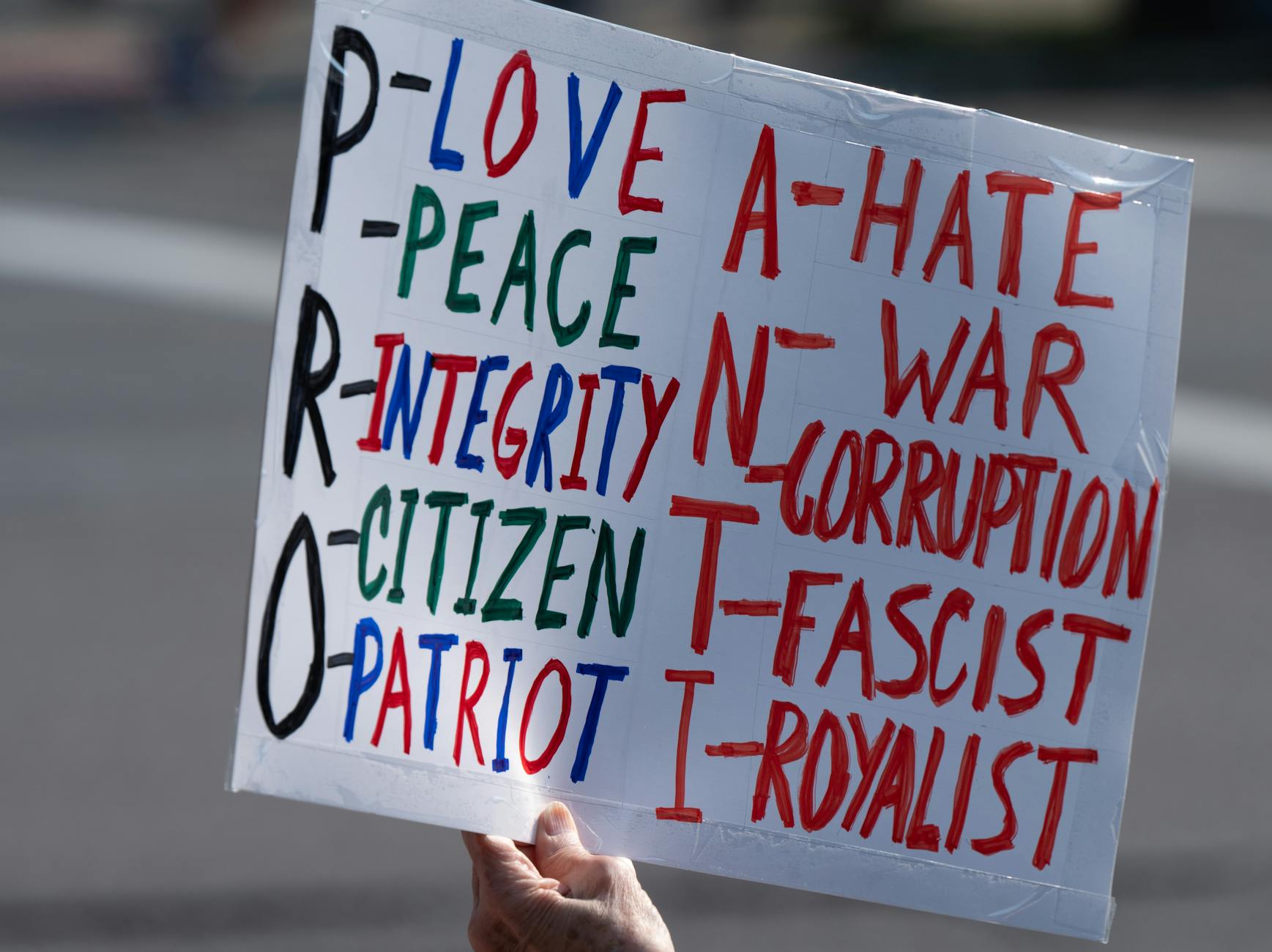
Independent voters gravitate toward anti-establishment candidates because they fundamentally distrust the two major parties and believe the system is rigged against ordinary citizens. Nearly half of all Americans—45% as of January 2026—now identify as political independents, the highest level ever recorded. This growing cohort rejects both the Democratic and Republican establishments not out of apathy, but out of active frustration with a political system they see as corrupt, beholden to special interests, and incapable of solving real problems. The evidence is stark: 91% of independents agree that the major parties care more about special interests than ordinary citizens. When independents look at candidates outside the traditional party structures, they see individuals who aren’t bound by party loyalty, donor obligations, or decades of compromises.
A tangible example of this trend is Mike Duggan, the former Detroit mayor running for Michigan governor as an independent in 2026, who is currently tied in polling with the leading candidates from both major parties despite having no party apparatus behind him. The independent voter movement represents a fundamental realignment in American politics. With 56% of Gen Z identifying as independent compared to just 27% as Democrat and 17% as Republican, this isn’t a temporary phenomenon. The 2024 election saw 11 million additional independent voters cast ballots while Republican voter numbers declined by 3.5 million and Democratic voters dropped by 11.2 million. These numbers tell a story: Americans are walking away from the two-party system in record numbers.
Table of Contents
- What’s Driving Independent Voters Away From Establishment Candidates?
- The Special Interests Problem and Why Independents Reject Party Loyalty
- Generational Shifts and Why Young Voters Embrace Independence
- How Anti-Establishment Candidates Appeal to Independent Voters
- The Risk of Anti-Establishment Populism Without Solutions
- The 2026 Election as the “Year of the Independent”
- What This Means for Future American Politics
- Conclusion
What’s Driving Independent Voters Away From Establishment Candidates?
The core issue is simple: independents have lost faith in both major parties’ sincerity toward them. A 2025 CNN poll found that 67% of independents disagreed with the statement that “Republican and Democratic candidates care what independent voters think.” This isn’t paranoia—it reflects a real pattern. Independents consistently find themselves courted during election season, then ignored once candidates take office. Establishment politicians make promises about addressing independent concerns like government accountability, reducing partisan gridlock, and reining in corporate influence, then promptly forget those commitments. What independents describe in surveys reveals the depth of their alienation. They characterize establishment politicians as “liars who break promises,” point to a system that is “rigged,” and complain endlessly about “bickering and fighting” among Democrats and Republicans that accomplishes nothing.
The problem isn’t disagreement—it’s that establishment politicians seem incapable of moving past partisan point-scoring long enough to address actual governance. When an anti-establishment candidate emerges, even one from an unexpected background or with limited political experience, independents are willing to take a chance because the status quo has so clearly failed them. The danger here is that this frustration can sometimes fuel support for candidates who promise dramatic change but lack the governmental knowledge or temperament to deliver. Independents should evaluate anti-establishment candidates with the same scrutiny they apply to establishment ones—challenging rhetoric is easy; competent execution is not. The anti-establishment label is not automatically an indication of superior judgment or integrity.

The Special Interests Problem and Why Independents Reject Party Loyalty
Independents point to campaign finance and donor influence as the root of establishment dysfunction. When 91% of independents believe major parties prioritize special interests over ordinary citizens, they’re often pointing to well-documented phenomena: pharmaceutical companies funding politicians who block drug price negotiations, Wall Street banks funding regulators who should oversee them, and energy companies financing candidates who slow climate action. The establishment system runs on a logic where politicians serve their donors first and constituents second. Anti-establishment candidates gain credibility with independents precisely because they claim to reject this donor-dependent model. They position themselves as people who can’t be bought because they either self-fund, rely on small-dollar donations, or explicitly reject PAC money. Whether they actually follow through on this principle is a separate question—many anti-establishment politicians eventually become comfortable with traditional fundraising once in office.
But the promise of independence from special interests is genuinely appealing to voters who see the system as fundamentally corrupted. A critical limitation is that rejecting “special interests” is easier than identifying them. Independents should ask which specific interests their preferred candidate opposes and why. Pro-labor candidates who criticize Wall Street may still accept union donations. Anti-war candidates may still accept defense contractor money. Environmental candidates may still receive oil company funding through intermediaries. The special interest problem isn’t solved by simply electing someone with an anti-establishment label.
Generational Shifts and Why Young Voters Embrace Independence
The generational data shows a seismic shift in American political identity. Gen Z voters identify as independent at a rate of 56%—more than double the rate of either major party. This suggests that traditional party loyalty has lost its hold on younger Americans in a way that’s fundamentally different from previous political realignments. Baby boomers grew up with a two-party system that felt inevitable and permanent. Gen Z is growing up in a world where political independence feels normal. This generational trend matters because it suggests the anti-establishment movement isn’t temporary or cyclical.
If a majority of young voters don’t see themselves as democrats or Republicans even at the age when people typically cement their political identities, then the next 40 years of politics will look radically different from the last 40. Candidates and parties that can appeal to independents will win. Those that assume party loyalty is automatic will lose. The practical implication is that anti-establishment candidates have structural advantages with Gen Z that establishment politicians cannot easily overcome. A Gen Z voter isn’t choosing between establishment and anti-establishment politics the way older generations did. They’re choosing between different anti-establishment options. This creates opportunities for independent candidates but also makes the political landscape more volatile and unpredictable.

How Anti-Establishment Candidates Appeal to Independent Voters
Anti-establishment candidates succeed with independents by speaking directly to their core grievances: the sense that government is broken, politicians are corrupt, and the system cannot be reformed from within. They don’t campaign on incremental policy changes or “more efficient government.” They campaign on fundamental transformation. Some invoke themes of populism—”we’re fighting for ordinary people against elites.” Others emphasize urgency around specific crises like inflation, border security, or healthcare costs. The most effective anti-establishment candidates also distance themselves from partisan rhetoric. They avoid the tribalism that characterizes establishment politics, where everything is filtered through a “us versus them” framework. Independents say they want politicians who will work across party lines and prioritize results over partisan advantage.
When an anti-establishment candidate can embody that principle—or at least claim to—they win significant independent support. The Mike Duggan Michigan governor race is instructive: a Democrat-turned-independent performing competitively suggests that independents may support candidates based on merit and record rather than party label. The tradeoff is real, though. Candidates who genuinely appeal to independents often struggle to build the organizational infrastructure necessary to win statewide or national office. Party structures, despite their flaws, provide invaluable resources: volunteer networks, donor lists, institutional knowledge, and political staff. An anti-establishment candidate might win the ideological argument but lose the election due to simple logistics. The 2026 election will test whether anti-establishment candidates can overcome this structural disadvantage.
📨 Get Free Accountability Coverage Alerts
Free · No spam · Unsubscribe anytime
The Risk of Anti-Establishment Populism Without Solutions
Independent voters should be wary of anti-establishment rhetoric that diagnoses real problems but offers vague solutions. “The system is rigged” is accurate and resonates with independents, but “I’ll fix it” without specific proposals is not a governing agenda. Some anti-establishment candidates lean heavily into cultural grievances or blame external enemies rather than addressing concrete policy challenges. This can feel satisfying emotionally without changing material conditions in voters’ lives. Another risk is that anti-establishment movements can be exploited by actors with their own establishment connections.
A candidate who claims to oppose special interests while secretly accepting corporate funding is not anti-establishment—they’re deceptive. Some of the most prominent “anti-establishment” politicians in recent years have turned out to have deep ties to the very systems they claimed to oppose. Independents should investigate funding sources, voting records, and previous business dealings rather than accepting the anti-establishment label at face value. The path forward requires independents to be both skeptical of establishment politics and demanding of anti-establishment candidates. Reject the false choice between “proven establishment failure” and “untested anti-establishment promise.” Instead, evaluate candidates—regardless of their establishment status—on three criteria: Do they identify the actual root causes of the problems they claim to address? Do they propose specific, implementable solutions? Do they have a record of following through on commitments?.

The 2026 Election as the “Year of the Independent”
Political analysts are describing 2026 as the potential “year of the independent” because multiple independent candidates are running competitive races across the country, and independents are expected to be the decisive factor in numerous contests. This marks a tipping point. For decades, independents were treated as swing voters between two dominant parties. Now independents are becoming kingmakers who can determine election outcomes while also running their own candidates who can win.
The Mike Duggan race in Michigan exemplifies this moment. A former Democratic mayor, previously embedded in the establishment, has become more competitive as an independent than either major party candidate. This suggests voters are increasingly open to candidates who reject party identity entirely. If Duggan or similar independent candidates actually win major races in 2026, it will validate the independent voter’s belief that anti-establishment, non-partisan approaches can succeed. If they lose despite competitive polling, it may suggest that structural advantages still favor established parties.
What This Means for Future American Politics
The rise of independent voters and anti-establishment candidates suggests the two-party system as Americans have known it for 150 years is becoming obsolete—not immediately, but measurably. When 45% of Americans identify as independent and Gen Z leans independent by a two-to-one margin over either major party, the political system will have to adapt. Candidates, parties, and institutions that can appeal to independent voters without asking them to surrender their independence will thrive. Those demanding partisan loyalty will lose relevance.
This transformation creates both opportunities and risks. Opportunities: politics could become more responsive to ordinary citizens if candidates must appeal to independents without a party structure to hide behind. Risks: politics could become more volatile, unpredictable, and fragmented if no organizing principle replaces party loyalty. The next decade will determine whether independent voters reshape American politics toward greater accountability and results-orientation, or whether the two-party system adapts and reasserts itself.
Conclusion
Independent voters support anti-establishment candidates because establishment politics has manifestly failed them. Ninety-one percent believe major parties prioritize special interests over ordinary citizens. Sixty-seven percent believe neither party cares about independent voters’ concerns. These aren’t opinions—they’re reasonable conclusions based on observable political behavior.
Anti-establishment candidates offer an alternative, even if that alternative comes with its own uncertainties and risks. The independent voter movement is not a temporary protest vote or a phase. With 45% of Americans identifying as independent and Gen Z embracing political independence as the norm, this is a permanent realignment. The question is not whether independents will influence American politics—they already do. The question is whether they will demand that anti-establishment candidates meet the same standards of competence, honesty, and results-orientation that they rightfully demand of establishment politicians.
You Might Also Like
- Why MAHA Is Confusing Voters Across America
- Why Catholic Voters May Decide the Next Election
- Are Childless Voters Changing American Politics?