
Boomers and Gen Z see America differently because they experienced fundamentally different economic conditions, faced different government policies at critical life stages, and have vastly different relationships to institutions and information. Boomers came of age in an era of rising wages, affordable housing, and expanding pension systems, while Gen Z entered the workforce after the 2008 financial crisis, with skyrocketing education costs, stagnant wages adjusted for inflation, and the collapse of traditional job security. For example, in 1980 a median home in America cost roughly 3 times the median household income; by 2024, that ratio had climbed to nearly 5.5 times median income, fundamentally reshaping how each generation views homeownership, debt, and the American Dream.
These divergent experiences shape how each generation interprets policy, government accountability, and their own financial futures. A Boomer who built wealth through real estate or pension systems often views the economy as fundamentally sound, while a Gen Z worker managing $30,000 in student debt and a $2,000 monthly rent payment sees the same economy as rigged against their generation. Both interpretations are rooted in real lived experience, not ideology alone.
Table of Contents
- How Economic Conditions Shaped Generational Worldviews
- Government Trust and Institutional Accountability Divergence
- Information Access and Media Consumption Patterns
- Housing, Student Debt, and the Consumer Finance Divide
- Climate, Social Policy, and Divergent Risk Perceptions
- Institutional Authority and Expertise
- Future Generational Reckoning and Policy Implications
- Conclusion
How Economic Conditions Shaped Generational Worldviews
The economic foundation each generation inherited explains much of the generational divide on government and policy. Baby Boomers entered the workforce between the 1960s and 1980s when real wages were rising, job stability was common, and a single income could often support a family. The Federal Reserve’s data shows that real wages (adjusted for inflation) peaked around 1973 and have stagnated since, meaning younger workers earn roughly the same inflation-adjusted income as workers fifty years ago, despite higher productivity and education levels.
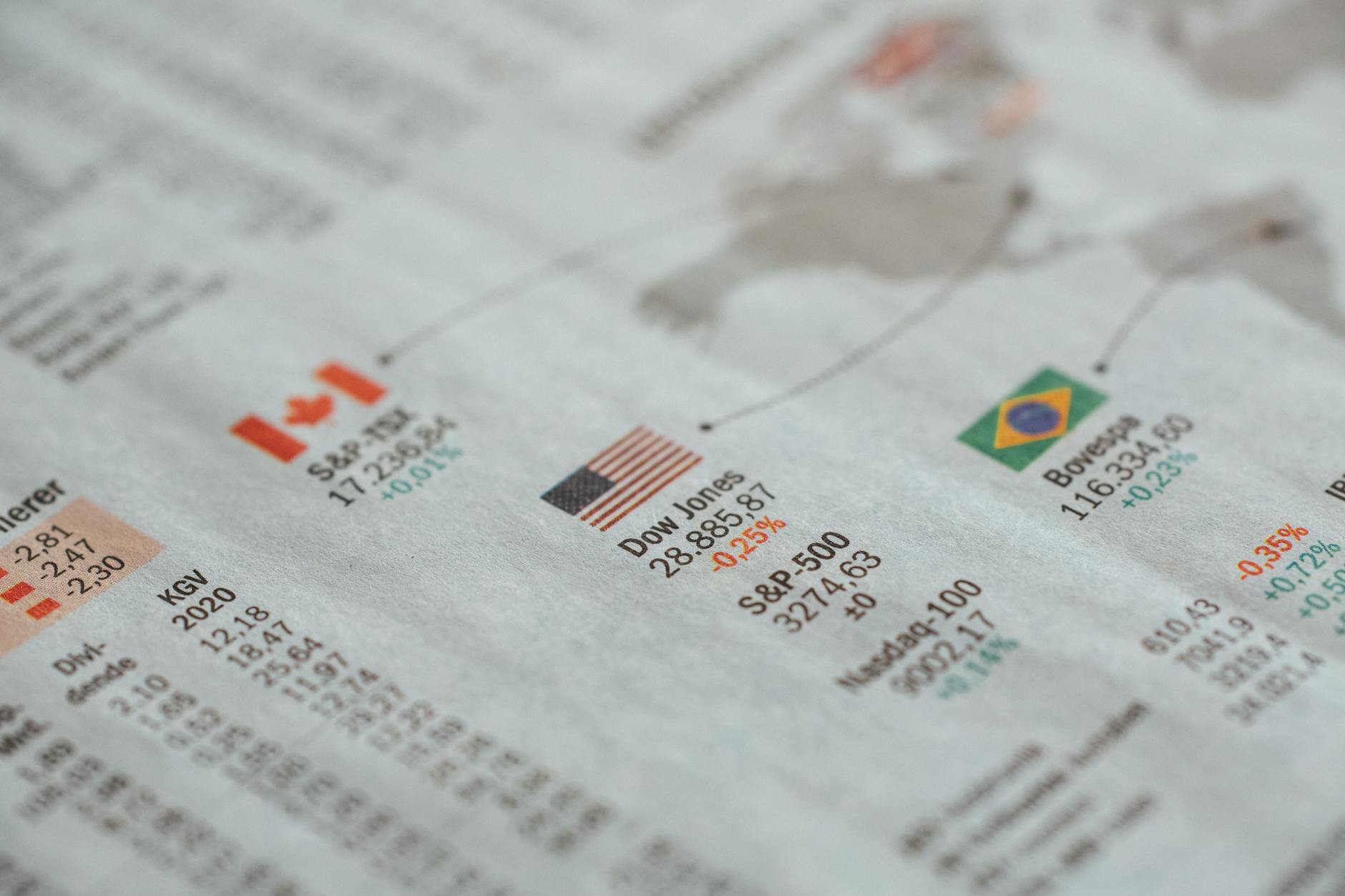
Gen Z entered adulthood during or immediately after the Great Recession, watching their parents lose homes, retirement savings, and job security while the institutions responsible—banks and Wall Street firms—received government bailouts. This created a deep skepticism toward both financial institutions and government action that helped those institutions. A Pew Research survey from 2023 found that 72% of Gen Z believes capitalism is flawed, compared to 45% of Boomers. That difference reflects not opinion but experience: Gen Z watched the rules change in real time, with ordinary americans losing homes while financial executives went unpunished.
Government Trust and Institutional Accountability Divergence
Boomers grew up believing in government institutions, even when they disagreed with specific policies, because those institutions had delivered tangible benefits: Social Security, Medicare, the GI Bill, and a strong public education system. These weren’t hypothetical promises; they were programs Boomers and their parents directly benefited from. Gen Z, meanwhile, inherited a government that privatized risks, cut benefits, and failed to hold powerful actors accountable—whether that’s financial fraud, corporate malfeasance, or political misconduct. The difference plays out in generational responses to government policy.
When Boomers hear “tax cuts,” they think of more money in their pocket. When Gen Z hears “tax cuts,” they think of fewer resources for the student debt crisis, climate change, and healthcare. One generation watched government deliver public goods; the other watched government mainly dismantle them. A critical limitation of this divide is that both generations sometimes misunderstand the other’s perspective: Boomers may view Gen Z skepticism as naive pessimism, while Gen Z may dismiss Boomer optimism as blind nostalgia, missing that each is rational given their actual experience.
Information Access and Media Consumption Patterns
Boomers generally consume news through traditional sources—television, newspapers, trusted established media outlets—that operate within gatekeeping norms and institutional accountability structures. Gen Z sources information from social media, podcasts, YouTube, and algorithm-driven feeds that have no accountability structures and actively profit from outrage and polarization. This creates a second major divide: not just what each generation believes, but how they came to believe it. This technological divide has real consequences.
Gen Z encounters information faster but without editorial oversight, fact-checking, or institutional verification. A misleading claim about student debt policy can reach millions of Gen Z voters through TikTok before any fact-check is written. Boomers may miss breaking news in traditional media, but they’re less likely to encounter deliberately fabricated information from coordinated disinformation campaigns. The tradeoff is significant: Gen Z has more information sources and more access to diverse viewpoints, but less built-in quality control; Boomers have more filtered, verified information but less awareness of how much they’re not seeing.
Housing, Student Debt, and the Consumer Finance Divide
The most concrete difference between generational experiences is consumer finance and life trajectory. A Boomer who bought a home in 1975 for $48,000 (in today’s dollars roughly $230,000) likely paid off that mortgage, built significant equity, and now has a paid-off asset generating no monthly obligation. A Gen Z buyer attempting the same today faces a median home price of $420,000, requiring either a six-figure down payment or a thirty-year mortgage that consumes half their income. Meanwhile, that Gen Z buyer likely carries $25,000 to $37,000 in student debt before even attempting home purchase.
This creates a fundamental difference in how each generation experiences America: one as a country where hard work and patience lead to property ownership and security, the other as a country where the same effort might never result in homeownership at all. Gen Z sees this as a policy failure—the decisions to underfund public universities, allow student loan debt to balloon, and restrict housing supply through zoning laws. Boomers may see it as market conditions or personal financial management. The comparison is stark: Boomers’ median household wealth by age 65 is roughly $266,000; Gen X’s is $138,000; Gen Z’s is projected to be even lower. This isn’t cyclical; it reflects structural policy changes and economic conditions that disadvantaged younger generations systematically.
📨 Get Free Accountability Coverage Alerts
Free · No spam · Unsubscribe anytime
Climate, Social Policy, and Divergent Risk Perceptions
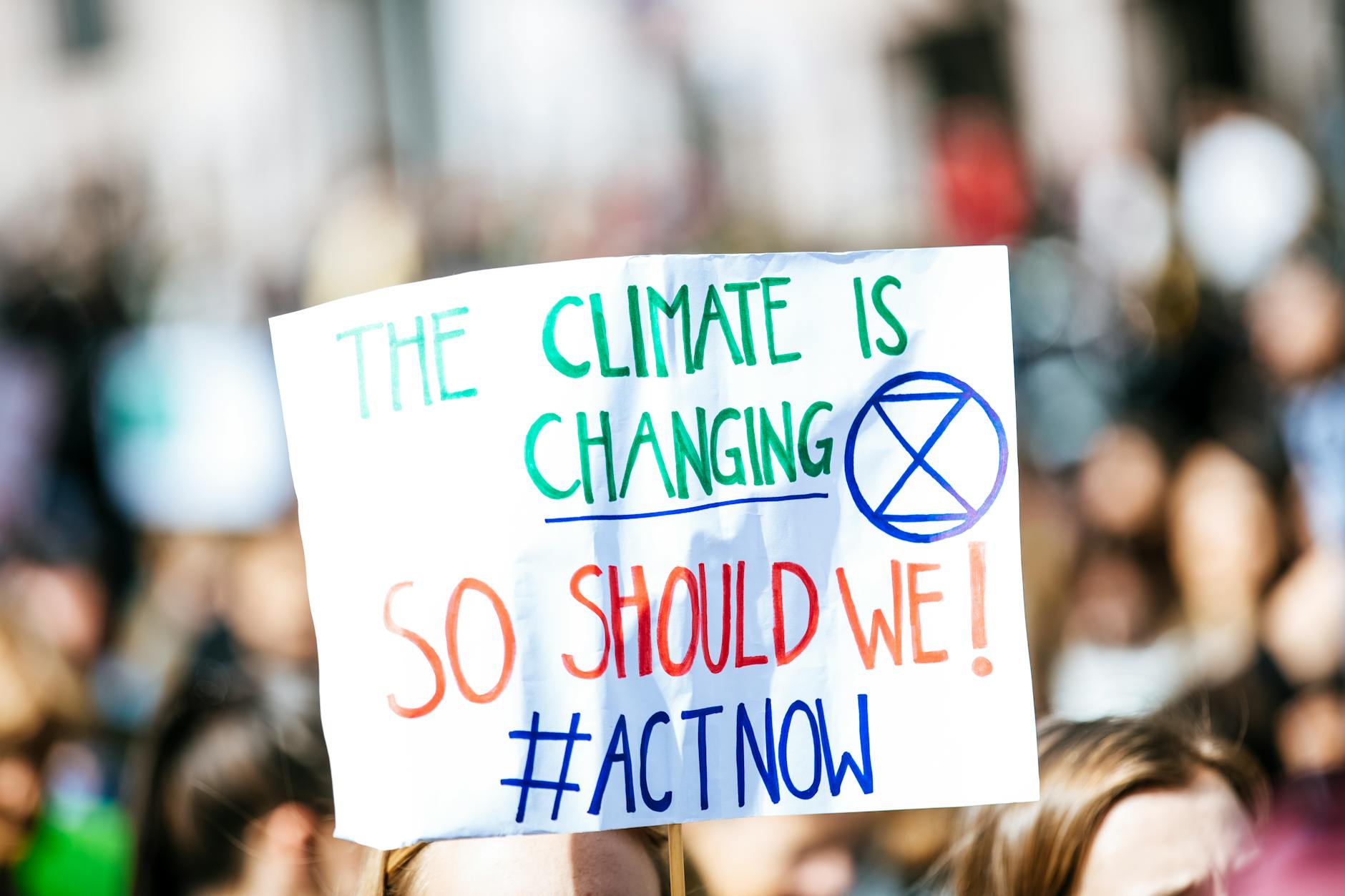
Gen Z faces an existential threat that Boomers do not: they will live through significantly worsened climate conditions for most of their adult lives. A 65-year-old Boomer will likely not see the worst effects of climate change, while a 25-year-old Gen Z member will certainly endure them. This creates a radically different time horizon for viewing environmental and energy policy. When Boomers debate climate action, they’re debating costs that will hit them minimally.
When Gen Z debates climate action, they’re debating whether their future has air conditioning, clean water, and habitable regions. Similarly, generational views on social and gender issues diverge significantly. Boomers came of age during traditional hierarchies; Gen Z came of age with internet-enabled access to diverse perspectives and lived experience with gender and sexual diversity in their peer groups. This isn’t a matter of one generation being “right” and the other “wrong”—it’s a difference in lived experience and information exposure. A significant limitation here is that both generations sometimes assume the other is simply ignorant or malicious rather than operating from genuinely different informational and experiential foundations.
Institutional Authority and Expertise
Boomers were taught to trust expertise—doctors, lawyers, scientists, credentialed authorities. Gen Z has watched experts and institutions fail repeatedly: financial experts missed the housing crisis, health authorities struggled with pandemic response, universities continued raising tuition while quality declined. This has created a fundamentally different relationship to authority and expertise. Gen Z is more likely to distrust institutional authority and more likely to seek information from non-traditional sources.
A concrete example: vaccine hesitancy differs dramatically by generation. Boomers, having seen vaccines eliminate polio and other diseases, trust vaccine institutions. Gen Z, having seen those same institutions make mistakes, seen pharmaceutical companies profit from opioid epidemics, and experienced years of conflicting guidance during COVID, is more skeptical. Neither position is purely rational or irrational; both reflect reasonable conclusions from their respective experiences with institutional trustworthiness.
Future Generational Reckoning and Policy Implications
As Gen Z enters full political and economic participation, America faces a choice about whether to address the structural differences that created this divide or to allow them to calcify into permanent political and cultural fault lines. Gen Z voters who cannot afford homes, who carry crushing debt, and who face climate uncertainty will demand different policies than Boomers who built wealth in a different economic era. This isn’t generational conflict; it’s a request for rules that work for their actual circumstances.
The forward-looking challenge is whether America can maintain political cohesion when two major generations have completely different lived experiences of whether the system works. If policy continues to favor asset holders over wage earners, homeowners over renters, or older workers over younger ones, the divergence will deepen. Conversely, if policy shifts to address Gen Z’s genuine constraints—housing scarcity, education costs, climate risk—political alignment may improve simply because younger Americans’ lived experience will start to match their expectations again.
Conclusion
Boomers and Gen Z see America differently because they inherited different economic circumstances, faced different policy environments, and developed trust in different institutions and information sources. A Boomer’s optimism about American economic opportunity reflects genuine personal experience; a Gen Z’s skepticism reflects equally genuine experience of that opportunity closing. Both perspectives are rational given the actual conditions each generation faced.
Understanding this divide requires moving beyond assuming the other generation is simply ignorant or malicious. It requires recognizing that generational differences aren’t about values or intelligence—they’re about the structural economic and policy environment each generation encountered at formative moments. If America wants to reduce generational conflict, it will need to make policy choices that work for younger Americans’ actual circumstances, not assume they’ll eventually experience the same upward mobility their grandparents did.
You Might Also Like
- Why MAHA Is Confusing Voters Across America
- Is America Headed for a Religious Political Split?
- Would Jesus Support Trump Style Politics?