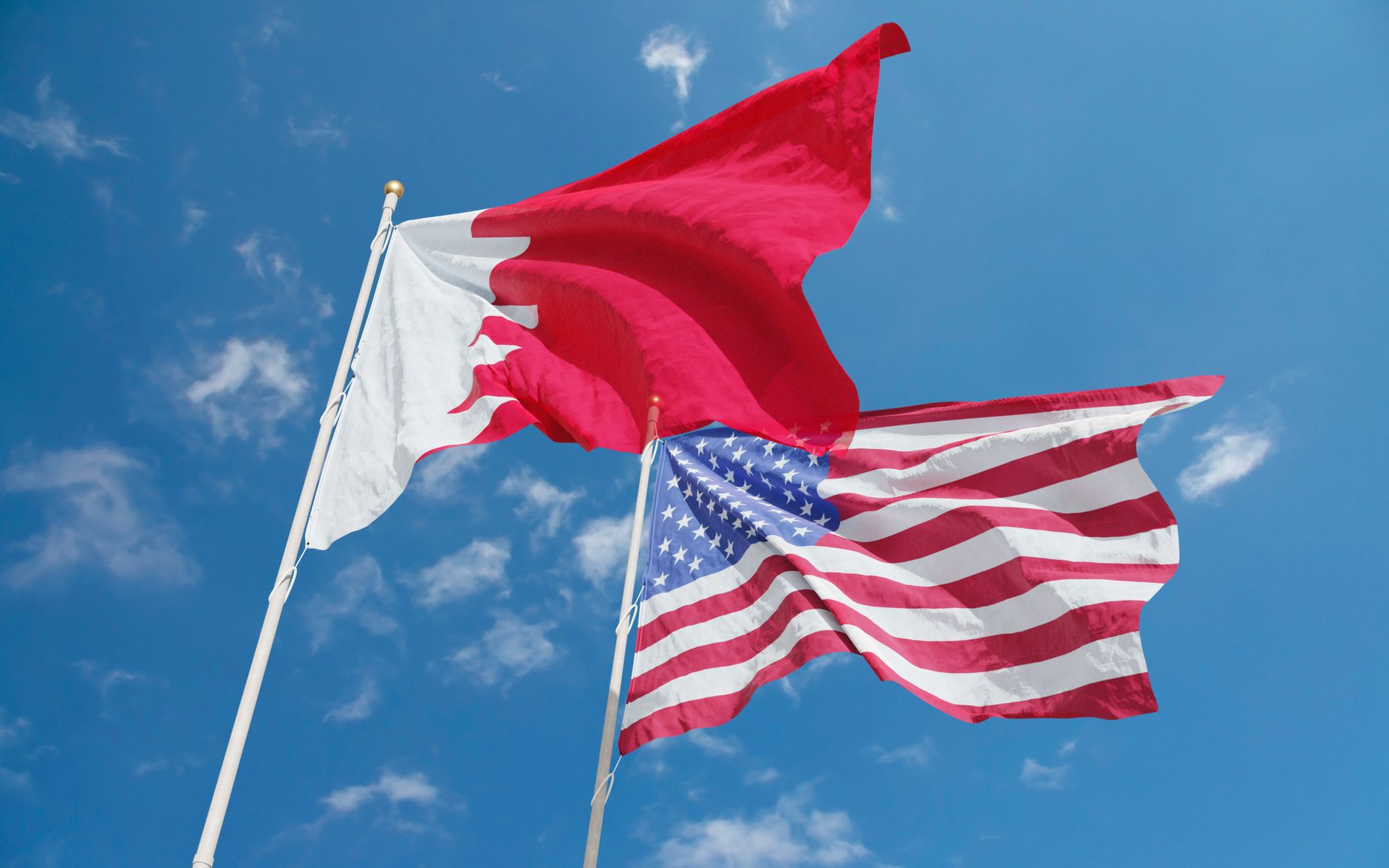
The Air Force confirmed a security inspection process for Trump's Qatar-supplied jet, but it did not disclose any surveillance device or "bug" finding. The record also leaves major ethics, spending, and transparency questions unresolved. The aircraft became the temporary "VC-25B Bridge," an interim presidential plane pending the long-term VC-25B fleet. Its rapid conversion brought lower public visibility and fewer security capabilities than the older presidential aircraft.
Table of Contents
- What did the inspection establish?
- Was the aircraft fully equipped for presidential use?
- What is the constitutional ethics question?
- How much did the Qatar jet cost taxpayers?
- How should readers evaluate new claims?
What did the inspection establish?
Interagency specialists developed protocols to detect and, if necessary, neutralize technical hazards on the previously owned boeing 747-8i. The Air Force's May 1 announcement confirmed that process but did not name the participating agencies. The announcement also omitted the inspection results.
It did not identify any surveillance equipment, espionage device, or specific hazard found aboard the aircraft. That distinction matters. The existence of a detection protocol shows that officials treated the jet's prior foreign ownership as a security issue. It does not prove that inspectors discovered a bug or another spying tool.
Was the aircraft fully equipped for presidential use?
The Air Force said commissioning flights would validate the plane's safety, security, and communications. It called the aircraft secure, while acknowledging that less-common mission capabilities were traded off to speed delivery. The interior remained largely unchanged. President trump first flew on the converted aircraft on July 1, 2026, after an unusually compressed upgrade schedule.
The Associated Press reported that the plane lacked at least some missile-detection and countermeasure systems found on the older VC-25As. It also reported that the Air Force spent under $400 million on security upgrades. On July 20, the White House said Trump would temporarily return to the older Air Force One while the Qatar aircraft received about another month of upgrades. CBS reported that the earlier aircraft swap followed Secret Service concerns about missing legacy security systems.
What is the constitutional ethics question?
The central issue is the Foreign Emoluments Clause. It bars a federal officeholder from accepting a present or emolument from a foreign state without congressional consent, as explained by the Library of Congress's Constitution Annotated. The aircraft's transfer raises the question of whether a foreign government provided a prohibited benefit and whether congressional consent was required.
📨 Get Free Accountability Coverage Alerts
Free · No spam · Unsubscribe anytime
That concern is not the same as a court ruling that this particular transaction violated the Constitution. The legal analysis could also turn on who formally received and controlled the plane, and on the terms governing its use. The verified public record described here does not resolve those questions.
How much did the Qatar jet cost taxpayers?
The aircraft itself was described in the Qatar agreement as an "unconditional donation." That label does not make the conversion, security work, testing, operation, or later upgrades free. ABC reported in July 2025 that the refurbishment cost was classified.
At that point, lawmakers had publicly estimated costs as high as $1 billion, according to ABC's report on the transfer. The later Air Force figure reported by AP—under $400 million for security upgrades—offers a narrower number. It does not establish a complete public total for every expense connected with the aircraft.
How should readers evaluate new claims?
Claims about the jet should be separated into three categories: A credible new report should identify its evidence precisely. Watch for inspection findings, spending records, or an official statement—not headlines that treat a security inspection as proof that surveillance equipment was discovered.
- Confirmed: officials created technical-hazard detection protocols and conducted security work.
- Undisclosed: the inspecting agencies, inspection results, classified refurbishment costs, and details of omitted mission systems.
- Unverified: assertions that inspectors found a specific bug, transmitter, or espionage device.
You Might Also Like
- Trump Federal Abortion Surveillance Proposal: The Ethics, Spending, and Transparency Questions
- Trump Sentencing and Presidential Immunity Questions: The Ethics, Spending, and Transparency Questions
- Trump Hormuz Strait Access Restrictions: The Ethics, Spending, and Transparency Questions