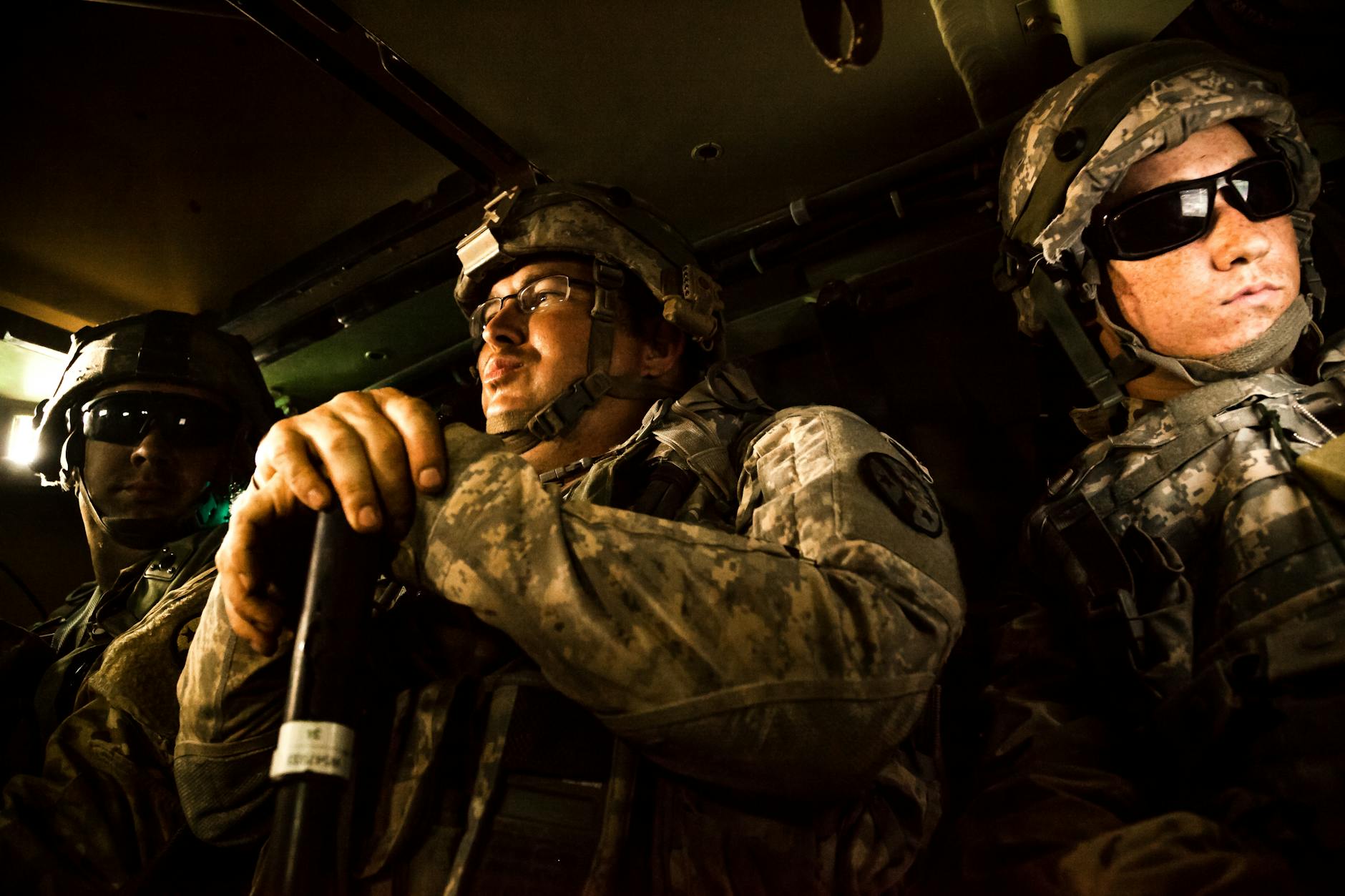
Former President Donald Trump has promised to eliminate diversity, equity, and inclusion (DEI) programs from the military, framing them as “woke” initiatives that he argues undermine military readiness and recruitment. The U.S. military currently maintains several DEI-related policies including mandatory diversity training programs, recruitment initiatives targeting women and minority candidates, and personnel policies designed to promote inclusion. These programs exist across all branches—the Army, Navy, Air Force, Marine Corps, Space Force, and Coast Guard—and represent decades of policy evolution aimed at broadening the military’s recruitment and retention pools. For example, the military has active programs promoting women in combat roles, LGBTQ+ inclusion policies, and recruitment marketing designed to reach underrepresented communities.
Trump’s stated objective is to restore what he describes as a “merit-based” military focused purely on combat effectiveness. However, the actual scope of existing “woke” policies varies significantly across branches and job categories. The military does not have a single consolidated DEI program but rather a collection of individual policies, recruiting strategies, and personnel guidelines that have accumulated over multiple administrations. Understanding what policies currently exist, what Trump has promised to eliminate, and what legal or operational barriers might prevent such changes requires examining specific military regulations and executive authority. The military’s approach to diversity has become increasingly politicized, with conservatives arguing DEI programs reduce recruitment quality and combat effectiveness, while supporters contend they improve military readiness by tapping into a broader talent pool. This debate has real consequences for military recruitment, retention, and potentially military families whose career prospects may be affected by policy changes.
Table of Contents
- What Specific “Woke” Military Policies Has Trump Targeted?
- Current Military Diversity and Inclusion Policies in Detail
- Trump’s Executive Orders and Military Policy Changes
- Practical Effects on Military Personnel and Recruitment
- Legal and Operational Challenges to Policy Reversal
- Historical Context—How Did the Military Arrive Here?
- Future Outlook and Implications for Military Readiness
- Conclusion
- Frequently Asked Questions
What Specific “Woke” Military Policies Has Trump Targeted?
trump‘s criticism has focused on several specific areas: diversity training programs, recruitment advertising aimed at women and LGBTQ+ individuals, pregnancy accommodations for service members, policies allowing service members to change their names and military records to reflect their gender identity, and DEI hiring and promotion initiatives. The military has invested millions in recruitment videos and marketing campaigns featuring diverse service members, including advertisements highlighting women in combat roles and LGBTQ+ inclusion. For instance, the Space Force released recruitment advertisements featuring LGBTQ+ service members, the Army promoted women in infantry positions, and all branches implemented mandatory diversity and unconscious bias training for personnel. Trump has also targeted policies related to transgender service members.
The military currently allows transgender individuals to serve openly, provides access to gender-affirming medical care, and permits service members to update their records to reflect their gender identity. Additionally, the military offers maternity accommodation policies, family planning services, and other programs critics argue prioritize inclusion over traditional readiness metrics. Trump has stated he would reverse these policies, returning to restrictions on transgender service members and potentially eliminating some of the expanded family-oriented benefits introduced in recent years. The scale of these programs is significant. The military spends an estimated $10-15 million annually on DEI training and related initiatives, though precise figures vary across branches and fiscal years. Some recruiting materials with diverse representation have cost millions to produce and distribute, representing a substantial investment in broadening the recruitment pipeline beyond the traditional demographic of white male service members.

Current Military Diversity and Inclusion Policies in Detail
The military’s DEI infrastructure includes mandatory training programs for all personnel, ranging from recruits in basic training to senior officers. These programs cover topics including unconscious bias, sexual harassment prevention, and inclusive leadership. The Army, for example, requires all soldiers to complete modules on diversity and inclusion, with some courses integrated into leadership training at various ranks. However, the effectiveness of these mandatory programs is contested—military leadership acknowledges mixed results, with some studies suggesting mandatory bias training shows minimal long-term behavioral change. Recruitment strategies have been fundamentally shifted to reach underrepresented populations.
The military created recruiting campaigns specifically targeting women, minorities, and LGBTQ+ individuals. The Army National Guard’s “Future Soldier Prep Course” was designed partly to increase diversity by providing pre-training for applicants who didn’t meet traditional fitness standards, a program that expanded opportunities but also generated criticism about whether standards were being lowered. The Navy explicitly set recruitment goals by demographic group, though these were frames as targets rather than quotas. These programs represent a deliberate shift away from traditional recruiting approaches. A major limitation of current DEI policies is that recruitment remains a bottleneck—the military cannot meet recruitment goals regardless of demographic targeting because of broader issues: childhood obesity, lack of educational attainment, and the small percentage of Americans aged 18-24 who are eligible for military service (only about 23 percent meet standards without a waiver). This means DEI initiatives must compete with fundamental demographic and health trends affecting the entire recruitment pool.
Trump’s Executive Orders and Military Policy Changes
During his first term, Trump did take action on military diversity policies. In July 2020, he signed an executive order directing the Department of Defense to end diversity training programs, which he characterized as “un-American propaganda” and contrary to military culture. However, this order faced legal challenges and was only partially implemented before Trump left office. Upon his return to office in 2025, Trump has signaled intent to pursue similar policies more aggressively.
Trump’s stated approach involves signing executive orders directing the Department of Defense to eliminate DEI offices and programs, restrict recruitment advertising that emphasizes diversity, reverse policies allowing transgender service members, and eliminate pregnancy accommodations beyond minimum legal requirements. Trump has appointed military leaders who support this agenda, giving the policy changes more likelihood of implementation than during his first term. For example, if appointed Defense Secretary Pete Hegseth, who has publicly criticized military DEI programs, leads the Pentagon, implementation could proceed more smoothly than previously. However, executive orders affecting military policy must navigate the Uniform Code of Military Justice (UCMJ), defense appropriations statutes, and complex military regulations developed over decades. Reversing specific policies often requires action from multiple branches and service secretaries rather than a single top-down directive. This bureaucratic complexity means that while Trump can issue orders, full implementation faces practical and legal obstacles.

Practical Effects on Military Personnel and Recruitment
The potential effects of removing DEI programs would impact military recruitment, retention, and the composition of the force. Currently, women comprise about 17 percent of active duty military personnel, minorities comprise about 45 percent of the force, and LGBTQ+ individuals are estimated to represent 2-4 percent of active duty personnel. If DEI recruiting initiatives are eliminated, recruitment from these populations could decline, potentially affecting military’s ability to meet overall recruitment targets—the military has struggled to meet recruitment goals in recent years due to demographic trends, not primarily due to DEI policies diverting recruitment from other populations. For military families, policy changes around pregnancy accommodations, family planning, and gender identity recognition could create challenges. Service members who benefit from maternity leave policies, adoption services, or gender-affirming care would face Legal and Operational Challenges to Policy Reversal
Several legal obstacles could prevent full implementation of Trump’s stated military DEI rollback. Federal civil rights laws including Title VII of the Civil Rights Act, which applies to federal employers, could limit the military’s ability to eliminate diversity-related workplace protections. Additionally, regulations requiring equal opportunity employment and non-discrimination policies are embedded in the Defense Department’s foundational regulations and would require congressional action to eliminate entirely, not just executive orders. Transgender service policy presents a particular legal minefield. Courts have previously blocked attempts to exclude transgender individuals from military service based on equal protection and due process grounds. Any policy change would likely face immediate legal challenges from civil rights organizations, potentially resulting in injunctions that prevent implementation. Courts have shown skepticism toward categorical bans on service members based on protected characteristics, making outright prohibition legally risky. A significant warning: rapid policy changes affecting active service members create operational chaos. Suddenly eliminating programs that service members enrolled in, reversing benefits they received, or discharging individuals based on status changes causes immediate disruption. The military leadership has generally expressed preference for stability and gradual transitions, even when disagreeing with specific policies, because sudden changes damage readiness and create personnel crises. Military diversity policies evolved gradually across multiple administrations, not suddenly under one president. Women were first allowed in combat roles during the Obama administration (2011-2016), while transgender service members were allowed to serve openly starting in 2016 under President Obama. However, diversity training and recruitment initiatives targeting women and minorities began earlier, during the Clinton and Bush administrations, as the military struggled to maintain force strength while the demographic composition of the United States shifted. 📨 Get Free Accountability Coverage Alerts Free · No spam · Unsubscribe anytime The military adopted DEI programs partly for recruitment necessity and partly for values-based reasons. After the volunteer military began in 1973, the military discovered it could only meet recruitment goals by broadening its recruitment base beyond traditional white male demographics. Demographic shifts meant the pool of eligible white males declined over decades, making it mathematically necessary to recruit from other populations. This created a practical incentive for diversity initiatives independent of political ideology. The debate over military diversity policies reflects a fundamental tension between two different models of military effectiveness. One model emphasizes that traditional metrics (physical fitness, test scores, technical aptitude) determine combat readiness, arguing DEI programs dilute these standards. The opposing view holds that military effectiveness depends on recruiting the broadest possible talent pool and that diversity improves team performance, decision-making, and adaptability in complex modern conflicts. Forward-looking research on military readiness suggests that the actual driver of recruitment and retention challenges is not DEI programs but broader societal trends: rising obesity rates, declining literacy rates, substance abuse, and declining interest in military service among younger Americans regardless of demographic group. Eliminating DEI programs may create short-term political victories but likely won’t resolve the military’s fundamental recruitment challenges. The military will continue facing a shrinking pool of eligible recruits, meaning whatever DEI policies exist (or don’t exist) may matter less than addressing underlying demographic and health trends affecting American youth. The military currently maintains a broad set of DEI-related policies spanning recruitment, training, personnel benefits, and service member accommodations. These policies developed over decades across multiple administrations in response to both recruitment challenges and policy priorities around inclusion. Trump has promised to eliminate or significantly reduce these programs, framing them as obstacles to military readiness, though empirical evidence on their impact is mixed and contested. Implementation of Trump’s stated rollback will face practical and legal obstacles, including embedded civil rights protections, potential court challenges, and operational disruptions from rapid policy changes. Even if fully implemented, removing DEI programs likely won’t address the military’s core recruitment challenge—the declining pool of eligible young Americans regardless of demographic group. The coming years will test whether eliminating diversity initiatives truly improves military readiness or whether the military’s recruitment and retention challenges stem from deeper societal trends that DEI policies neither caused nor can solve. The military operates under federal civil rights law prohibiting explicit racial quotas. However, the military does set recruitment targets by demographic group and has recruitment programs specifically designed to reach underrepresented populations. These are recruitment goals rather than hiring mandates, though the distinction is sometimes unclear in practice. If transgender service policy is reversed to pre-2016 standards, currently serving transgender service members could face discharge. Previous policy changes resulted in roughly 4,000-6,000 discharges, creating significant individual and organizational disruption. Research on this question is inconclusive. Some studies show mandatory bias training has minimal effectiveness. However, no conclusive evidence shows that diversity itself harms combat effectiveness; some research suggests diverse teams perform better on complex problem-solving. Executive orders can eliminate programs and directives, but eliminating civil rights protections embedded in federal law requires congressional action. Full elimination likely requires both executive orders and legislative changes. Estimates range from $10-15 million annually across the Department of Defense for dedicated DEI training and programs, though this represents less than 0.01 percent of the defense budget. Additional costs include recruitment marketing materials with diverse representation, which total in the tens of millions. Possibly in the short term through reduced training programs, but likely not overall. Eliminating diversity-focused recruitment could require higher enlistment bonuses, expanded traditional recruiting, or acceptance of lower recruitment numbers—each carrying significant costs.
Historical Context—How Did the Military Arrive Here?
Future Outlook and Implications for Military Readiness
Conclusion
Frequently Asked Questions
Does the military currently have DEI “quotas” or mandatory hiring by race?
What happens to transgender service members if the ban is reinstated?
Does eliminating DEI training improve military readiness?
Can Trump eliminate DEI programs without Congress?
How much does military DEI programming cost?
Would eliminating DEI programs reduce military recruitment costs?
You Might Also Like