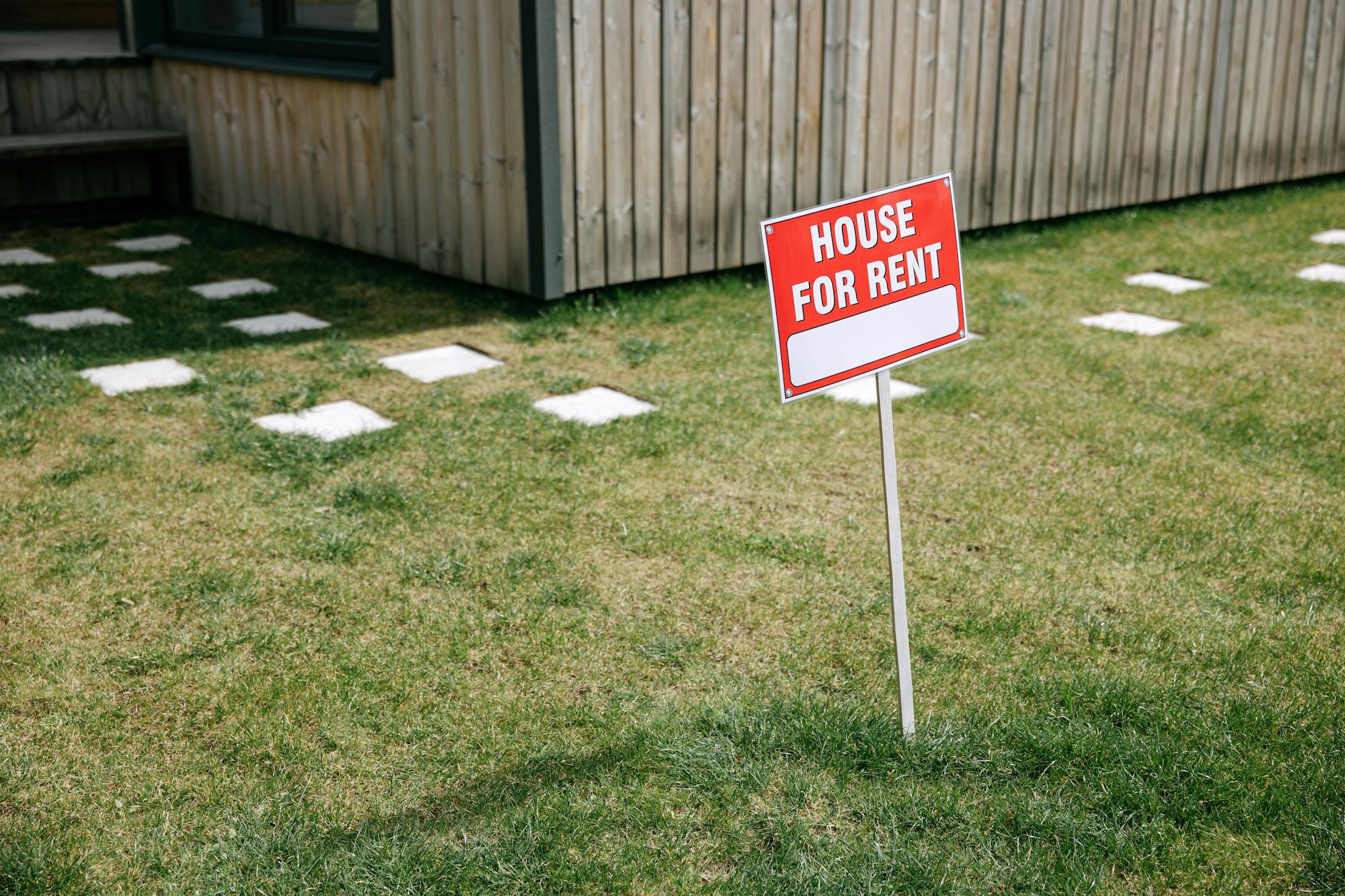
Trump’s plan to lower rent by opening federal land for residential development is based on a straightforward economic principle: increasing housing supply should theoretically reduce prices. The Trump administration has identified approximately 1.5 million acres of federal land—part of the Department of the Interior’s 500+ million acre portfolio—to be made available for residential development. Interior Secretary Doug Burgum and HUD Secretary Scott Turner established a joint task force in March 2026 to identify underutilized federal lands and streamline the transfer process, with the goal of expanding affordable housing stock significantly. However, while this initiative addresses a real supply-side constraint, the path from federal land designation to occupied homes is measured in years, not months.
The critical gap between policy announcement and rent relief is the development timeline. Even after land becomes available, developers face approximately three years of combined preparation, approval, and construction work. California’s experience illustrates this reality: land-use approvals alone typically require 6 to 39 months depending on project complexity, and construction times have recently reached all-time highs. For renters struggling with today’s housing costs, the lag between opening federal land and affordable units hitting the market represents a meaningful frustration with the policy’s immediate impact. To understand why this timeline matters, we need to examine the actual mechanics of housing development, the regulatory obstacles that extend timelines, and what the data tells us about when federal land openings might actually affect rental prices.
Can Opening Federal Land Actually Supply the Housing Market Needs?
The math behind the federal land strategy is compelling on paper. The American Enterprise Institute’s preliminary analysis found that developing just 512,000 acres of Bureau of Land Management property could yield 3 to 4 million new homes across western states including Nevada, Utah, California, and Arizona. If realized, this would represent a substantial increase to the national housing stock. For context, the United States currently faces a housing shortage estimated at millions of units, so theoretically, this supply would move markets in the direction the trump administration promises. However, not
Why Development Timelines Stretch to Three Years and Beyond
The three-year average development timeline encompasses several sequential phases, and in high-regulation environments, each can extend significantly. First comes land preparation: environmental assessments, utility connection feasibility studies, and basic infrastructure planning. Then comes the permitting and approval phase, which in some jurisdictions is the longest single segment. Finally, construction itself—which the Federal Reserve has documented has recently hit all-time highs for both single-family and multifamily projects. California provides the most detailed public data on these timelines. Depending on whether a project requires an environmental impact report, local planning commission review, city council approval, and potential appeals, the approval process alone can consume 6 to 39 months.
This is not administrative inefficiency alone—it reflects public comment periods, legal review, and coordination among multiple agencies. A developer planning to build on newly opened federal land in California would face similar or longer approval timelines before breaking ground. Even in less-regulated states, approval processes typically require at least 6 to 12 months. Construction delays add another constraint. Builder delays due to labor shortages, supply chain disruptions, and cost pressures mean that ground-breaking doesn’t translate to occupancy in the traditional timeframes. A project approved in 2026 might not deliver occupied units until 2029 or 2030, which aligns with the three-year average but doesn’t capture worst-case scenarios in tight labor markets.
The Federal Land Initiative and the Regulatory Approval Process
The Trump administration’s March 2026 executive order directly addresses the regulatory burden by directing federal agencies to review environmental permitting, energy efficiency standards, and federal housing programs. HUD was given 60 days to develop best practices for accelerating housing construction, which signals intent to streamline federal approval timelines. However, federal streamlining covers only part of the approval process—local and state authorities control much of the timeline for projects sited on federal land transferred to local or private development.
For example, a developer receiving federal land in California would still need California state environmental review, local zoning approval, and city permitting. Federal directives cannot override state environmental laws or local land-use controls, meaning the 60-day HUD directive primarily affects federal lands administration, not the full approval timeline. A state government hostile to rapid residential development could maintain lengthy local review processes regardless of federal streamlining. This highlights a practical limitation: the Trump administration controls federal land release and federal permitting, but the states and municipalities where development occurs control the approval process that consumes the majority of the timeline. Nevada might welcome rapid federal land development and approve projects in months, while California could maintain years-long approval processes. The federal initiative becomes less effective in high-regulation states where housing supply is most constrained.
Regulatory Costs Add $90,000+ Per Home, Extending Affordability Timelines
Beyond timeline delays, regulatory costs directly affect the final rental and purchase price of new housing. As of 2021, government regulations at all levels added more than $90,000 to the average price of a new single-family home, according to White House analysis. Some of these costs reflect genuine safety and environmental protections; others reflect overlapping jurisdictions and outdated codes that persist through inertia. Green energy mandates illustrate the cost-regulation intersection. Some states and localities embed prescriptive requirements for solar installations, heat pumps, or grid-readiness into building codes.
These mandates can add more than $30,000 to construction costs, costs that are ultimately passed to buyers or renters. A developer building on federal land in California might face mandatory solar requirements that don’t exist in Utah, raising the per-unit cost and the eventual rent that tenants pay. The federal land itself becomes less valuable as a cost reduction tool if state and local regulations impose $30,000 to $90,000 in additional per-unit costs. The Executive Order’s directive to revise energy efficiency standards and federal housing program rules attempts to address this, but only at the federal level. A developer receiving federal land is not automatically exempt from state solar mandates or local building codes unless explicitly preempted by federal law, which raises legal complexity and potential litigation risk.
📨 Get Free Accountability Coverage Alerts
Free · No spam · Unsubscribe anytime
Construction Delays and Labor Market Constraints Extend Timelines Further
Beyond regulatory timelines, the construction industry faces its own supply constraints. The Federal Reserve has documented that housing construction times have recently reached all-time highs for both single-family homes and multifamily projects. Labor shortages, particularly in specialized trades like electrical and plumbing work, create bottlenecks. A builder with federal land approved for development cannot accelerate construction if skilled trades are unavailable or wage competition from other projects bids labor away. Material supply disruptions continue to affect construction schedules.
While pandemic-era supply chain issues have eased, construction materials remain subject to cost volatility and delivery delays. Federal land availability does nothing to address these external constraints—a project on federal land faces the same construction timeline pressures as any other project. In tight labor markets, federal land becomes slightly more valuable because it reduces approval-phase delays, but the total project timeline remains constrained by workforce availability and material supply. This practical limitation affects the timeline for rent reduction. Federal land opening might compress approval timelines by 6 to 12 months in favorable circumstances, but construction timelines could still require 18 to 24 months after approval. A project approved in mid-2026 might not deliver units until late 2028, at the earliest, and more realistically in 2029.
Current Market Data Shows Rents Already Declining
An important context for the federal land initiative is that national median rents have reached a four-year low as of early 2026, even before federal land sales and new housing production from this initiative. This suggests that supply-side pressures are already easing in some markets, possibly due to the wave of multifamily construction completed over the past three to four years.
However, this decline is unevenly distributed geographically—some high-cost metros remain supply-constrained while lower-cost markets are experiencing flat or negative rent growth. The federal land initiative enters a market that is already shifting, which complicates the attribution problem: if rents continue to decline over the next three to five years, determining how much of that decline resulted from federal land development versus other factors becomes analytically difficult. The timeline concern is that renters in the most supply-constrained markets might see rent relief from existing construction pipelines before federal land development adds meaningful supply.
Looking Forward: The Realistic Timeline for Federal Land Impact
The federal land initiative represents a real policy lever for housing supply, but its effects will emerge gradually. The most optimistic scenario involves a project approved on federal land in mid-2026, construction beginning in late 2026, and occupancy in late 2027 or early 2028. More realistically, considering state and local approval timelines, most federal land development will not deliver occupied units until 2029 or later.
By that point, four to five years will have elapsed since the initial policy announcement. For current renters struggling with affordability, the timeline presents a disconnect between policy promise and lived experience. Federal land opening addresses a real long-term supply constraint, but the lag between announcement and occupancy means that immediate rent relief is unlikely to materialize directly from this initiative. The policy may stabilize rents at lower levels than would otherwise prevail in a few years, but it will not immediately reduce existing renters’ housing costs.
Conclusion
Trump’s federal land initiative correctly identifies housing supply as a constraint on affordability, and the mathematical potential of developing 1.5 million acres is real. However, the transition from federal land designation to occupied housing units takes approximately three years on average, with state and local approval processes consuming six to 39 months alone. Regulatory costs exceeding $90,000 per home and construction timeline pressures further extend the pathway between policy and rent reduction.
The initiative represents valuable long-term supply-side policy, particularly for western states where federal land concentration is highest. However, renters seeking immediate relief should look to other policy levers—regulatory streamlining, zoning reform, and direct affordability subsidies—that can affect housing costs within months or one to two years rather than three to five years. Federal land development will contribute to housing affordability eventually, but the timeline gap between announcement and actual rent reduction remains substantial.
Owed money from a settlement? Check what is open at OpenClassActions.com. Caring for someone with dementia? Find practical guides at HelpDementia.com. Working out a skin routine? Evidence-based answers at AcneAdvocate.com. Forgot the name of a movie? Identify it at FindThisMovie.com. Was your data exposed? Track active breaches at DataBreachRadar.com.
⚠️ OPINION & EDITORIAL CONTENT: All articles, commentary, and analysis on donaldtrumpclassaction.com represent the personal opinions of the authors and are presented for informational and editorial purposes only. This site is not affiliated with Donald Trump, the Trump Organization, or any government agency. Nothing here constitutes legal, financial, or professional advice. Read full disclaimer.
We use essential cookies to make this site work and remember your preferences. We do not use advertising or analytics cookies. Privacy Policy. Cookie Policy.