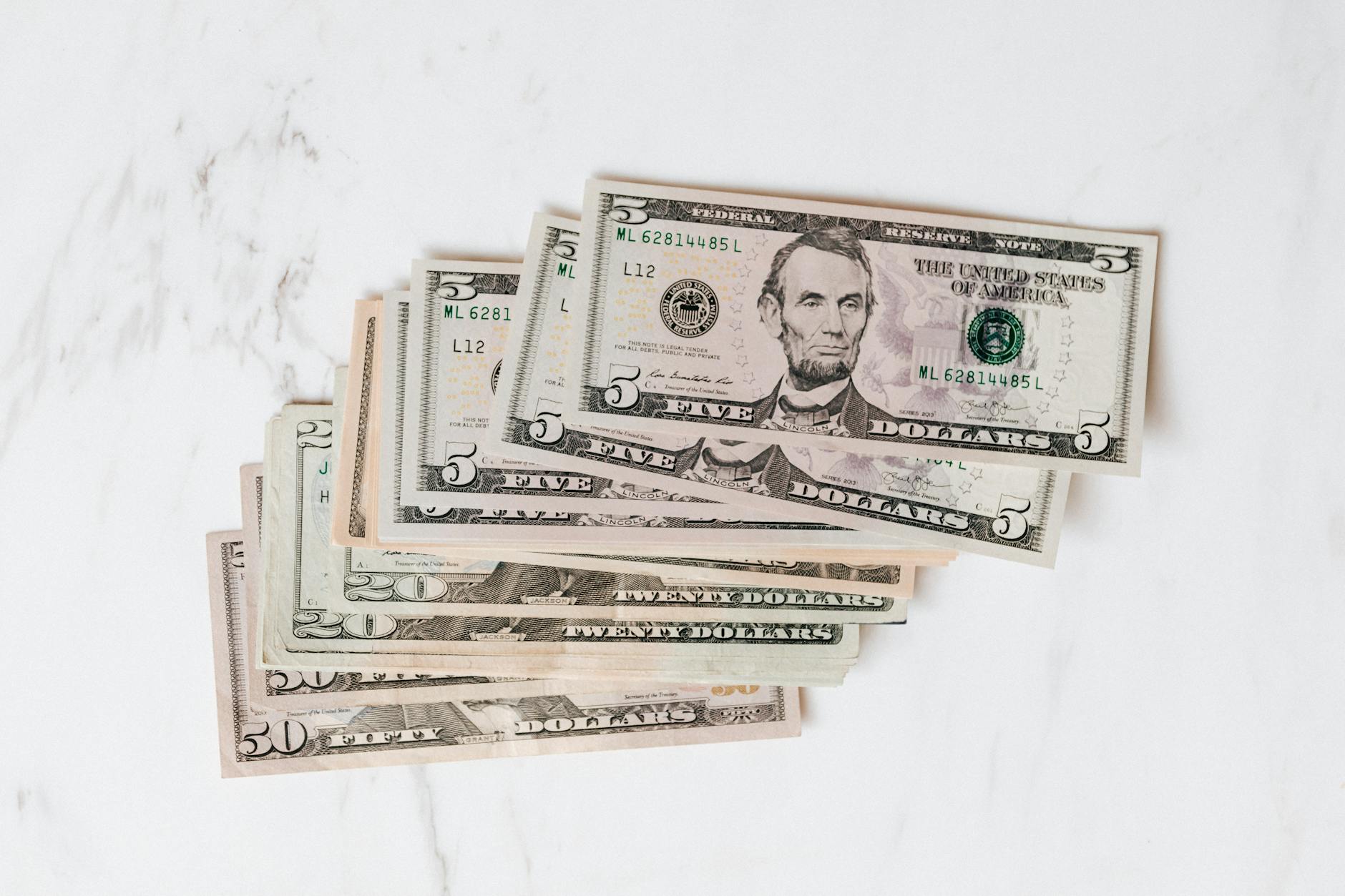
Trump’s 2026 budget strategy targets federal spending cuts to military expansion and tax policy changes, while simultaneously implementing tariffs that have directly increased household costs by an average of $1,500 per year. The administration’s budget proposal cuts education spending by 15.3% while boosting defense by $113.3 billion, reflecting its spending priorities—but these cuts are being overshadowed by tariff impacts that are hitting consumer wallets faster than any appropriations process. This article examines what the budget actually contains, how tariffs are reshaping economic realities, why the national debt continues to spiral despite spending cuts, and what economists project for growth and inflation moving forward.
The core tension in Trump’s economic strategy is this: the administration proposes cutting domestic programs to reduce deficits while simultaneously enacting tariffs that effectively function as broad-based taxes on consumers. The Federal deficit is still projected to reach $1.9 trillion in FY 2026, and the first five months alone saw a deficit of $1 trillion. Understanding Trump’s budget strategy requires looking beyond the headline spending cuts to the real economic forces driving household costs and national debt.
Table of Contents
- What Does Trump’s Budget Proposal Actually Cut?
- How Tariffs Are Changing Consumer Economics More Than Budget Cuts
- Federal Debt and Interest Costs Reaching Crisis Levels
- Economic Growth Projections and the Growth-Deficit Tradeoff
- Where Budget Cuts Fall Heaviest: Vulnerable Populations
- The Immigration Act’s Contribution to Deficit Expansion
- What Comes Next—The Fiscal Path Forward
- Conclusion
- Frequently Asked Questions
What Does Trump’s Budget Proposal Actually Cut?
The trump administration’s FY 2026 budget proposal reduces the Department of Education’s discretionary spending by 15.3%, dropping it from $78.7 billion to $66.7 billion. It cuts the CDC by $3.6 billion and eliminates the Low Income Home Energy Assistance Program entirely, removing $4.0 billion in heating and cooling assistance for low-income households. These aren’t abstract line items—the Low Income Home Energy Assistance Program serves roughly 6 million households annually, meaning millions of families could lose assistance paying winter heating bills or summer air conditioning costs. The education cuts specifically target discretionary programs, which typically fund grants to schools, special education services, and student support.
While mandatory spending for student loans and Pell Grants remains, the cuts reduce funding for teacher training programs, rural school support, and direct aid to schools serving disadvantaged students. The proposed defense increase of $113.3 billion—bringing the Defense Department budget from $848.3 billion to $961.6 billion—represents the largest budget category expansion, signaling that national security spending takes priority over domestic investment. A critical limitation of these cuts is that they don’t address the largest drivers of federal spending: Social Security, Medicare, and Medicaid, which together account for roughly two-thirds of federal spending. The proposed budget leaves these untouched, meaning that even aggressive cuts to other programs can only marginally impact the overall deficit trajectory without fundamental changes to entitlement spending.

How Tariffs Are Changing Consumer Economics More Than Budget Cuts
The tariff strategy, implemented on April 2, 2025, represents the more immediate economic shock to household budgets. Double-digit tariffs on nearly all U.S. imports have caused rapid consumer price increases: nondurable goods rose 5%, household furnishings jumped 8%, and clothing surged 14%. The average U.S. household is facing a $1,500 annual tax increase from tariffs alone—a direct cost that affects everyone who buys imported goods, which includes most consumer products sold in the United States. Tariff volatility has complicated business planning and contributed to price uncertainty.
Since April 2, 2025, Trump has adjusted tariffs more than 50 times, preventing companies from making long-term investment decisions about supply chains. This constant change increases costs as businesses cannot lock in prices or plan production efficiently. However, a February 20, 2026 Supreme Court ruling did strike down many tariffs, determining 6-3 that the International Emergency Economic Powers Act (IEEPA) does not authorize the tariff increases—though this legal victory has not fully reversed the economic damage already inflicted. The tariff impacts interact directly with the budget cuts: while the government reduces spending on low-income assistance, tariffs simultaneously raise the cost of goods for those same households. Families struggling to heat their homes without LIHEAP assistance now also face higher clothing costs and increased household furnishing expenses. This creates a compounding squeeze on lower-income households that don’t have flexibility in their budgets.
Federal Debt and Interest Costs Reaching Crisis Levels
National debt crossed $39 trillion in March 2026, and the government is spending nearly triple the money on interest payments compared to just six years ago. Interest payments alone are projected to exceed $1 trillion in FY 2026—compared to $345 billion in 2020—meaning roughly 10% of all federal revenue now goes solely to paying interest on existing debt. The Congressional Budget Office projects federal debt will rise from 101% of GDP in 2026 to 120% by 2036, surpassing the World War II-era peak of 106% in 1946. The FY 2026 deficit is projected at $1.9 trillion, representing 5.8% of GDP. The first five months of the fiscal year alone accumulated $1 trillion in deficit spending.
The budget cuts to education and domestic programs, while real, amount to roughly $7-10 billion in annual savings—a rounding error compared to a $1.9 trillion deficit. The congressional reconciliation act passed in 2025 added $4.7 trillion to deficit projections, tariff implementation added indirect effects, and tariff revenues offset only $3 trillion of the damage, leaving structural deficits that spending cuts cannot address. A key limitation is that interest rates on government debt depend partly on market conditions outside the administration’s control. If interest rates rise due to inflation or Fed policy, interest payments could exceed current projections, further straining the budget. Conversely, if growth accelerates, the debt-to-GDP ratio might stabilize—but current forecasts don’t project sufficient growth to achieve this.

Economic Growth Projections and the Growth-Deficit Tradeoff
The Trump administration projects GDP growth of 3-4% for 2026, with claims that first-quarter growth could reach 6%. The Congressional Budget Office offers a more conservative projection: 2.2% real GDP growth for 2026 (comparing fourth quarter to fourth quarter) with an average of 1.8% for the rest of the decade. The difference between these projections matters because growth is the administration’s primary argument for why deficits won’t spiral—if the economy grows 3-4%, tax revenue increases and the deficit shrinks as a percentage of GDP. However, the tariff-inflation dynamic creates a tradeoff. Higher tariffs increase costs for consumers and businesses, potentially dampening spending and investment—two engines of economic growth.
The February 2026 inflation rate stood at 2.4%, but goods inflation significantly exceeded that, driven primarily by tariffs. This creates a scenario where tariffs raise prices and potentially slow growth simultaneously. Nearly 70% of Americans predict economic difficulty in 2026, and the Economic Policy Institute argues that Trump’s policies make recession far more likely than would occur without these policy changes. The growth needed to stabilize the debt-to-GDP ratio would need to exceed 3% consistently, which the CBO doesn’t project. This means even if the administration’s growth forecasts prove correct, deficits will likely continue accumulating at roughly current levels, continuing the debt accumulation trajectory toward 120% of GDP.
Where Budget Cuts Fall Heaviest: Vulnerable Populations
The combination of cuts and tariffs hits specific populations hardest. Low-income households lose LIHEAP assistance ($4 billion program) while simultaneously facing 14% tariff-driven increases in clothing costs and higher overall goods prices. Students in underserved schools face reduced education funding while their families experience increased household costs. Healthcare access potentially narrows with CDC budget reductions at a time when medical costs are already a leading cause of financial hardship for working families.
A critical warning: the education cuts don’t equally affect all Americans. Wealthy districts rely more on local property taxes than federal funding, while rural and high-poverty districts depend heavily on federal education dollars. The 15.3% cut to the Department of Education will hit disadvantaged students disproportionately. Similarly, LIHEAP elimination affects households earning below 150% of the poverty line—families already at the economic edge. The tariff costs, by contrast, are regressive across all income levels, but hurt lower-income households proportionally more because they spend a larger percentage of income on goods.

The Immigration Act’s Contribution to Deficit Expansion
The 2025 reconciliation act’s immigration provisions added $0.5 trillion to deficit projections, representing an unexpected fiscal cost. While immigration enforcement and border policy are politically prominent, the fiscal impact comes from both direct enforcement costs and lost economic productivity from reduced immigrant labor force participation.
📨 Get Free Accountability Coverage Alerts
Free · No spam · Unsubscribe anytime
This demonstrates a lesser-discussed reality: policy changes that aren’t primarily about spending still produce fiscal consequences. For example, reduced immigration can tighten labor markets, increasing wage pressure and inflation—which then requires either higher interest rates (slowing growth) or accepting higher inflation. The $0.5 trillion added cost from immigration actions underscores that the deficit problem isn’t solely about discretionary spending choices but stems from the combined effect of multiple policy decisions, each with fiscal ramifications.
What Comes Next—The Fiscal Path Forward
The structural trajectory is clear: deficits remain massive despite spending cuts, national debt continues accelerating toward historical peaks, and interest costs will likely consume an increasing share of federal revenue. The Supreme Court’s February 2026 tariff ruling removed legal authority for some tariffs, but doesn’t reverse existing price increases or business decisions already made. The administration faces a choice between continuing high tariffs (sustaining consumer costs and limiting growth potential), accepting the ruling fully (losing a revenue source that partially offsets deficits), or finding new policy mechanisms to pursue tariff objectives.
Looking forward, three years of $1.9 trillion deficits would add roughly $5.7 trillion to national debt. If interest rates rise or growth disappoints, both deficit and interest cost projections could worsen. The spending cuts proposed in the budget, while significant for affected programs, address only 0.4% of the total federal budget and cannot meaningfully reduce deficits without either major tax increases, entitlement reform, or substantial economic growth—none of which appear on the current policy trajectory.
Conclusion
Trump’s budget strategy reflects a choice to prioritize defense spending and maintain current entitlements while implementing tariffs as a de facto revenue mechanism. The result is that deficit spending remains historically high at $1.9 trillion annually despite meaningful cuts to education, public health, and low-income assistance programs. The tariffs have proven far more consequential to household budgets than the budget cuts—with average families paying $1,500 annually in tariff costs while domestic program cuts save comparatively small amounts.
The core takeaway for households and policymakers is this: budget cuts alone cannot address deficits of this magnitude. The national debt trajectory toward 120% of GDP by 2036 reflects structural choices about taxation, spending, and priorities that extend far beyond line-item appropriations. For consumers, the immediate economic impact comes not from the budget proposal but from tariffs already implemented, which directly increase costs for clothing, household goods, and nondurable items while the economy attempts to grow at rates lower than the administration projects.
Frequently Asked Questions
How much will tariffs cost the average American household annually?
The Tax Foundation calculates an average household tax increase of $1,500 per year from tariffs. This varies by family consumption patterns—households buying more imported goods pay more, while the impact scales with income since lower-income families spend more of their income on goods subject to tariffs.
Why doesn’t the budget proposal cut Social Security or Medicare?
Those are mandatory spending programs that Congress authorized in permanent law. The budget proposal only controls discretionary spending (roughly 30% of the federal budget). Addressing the deficit would require either reducing mandatory programs like Social Security and Medicare, raising taxes, or achieving growth rates above current projections.
Did the Supreme Court eliminate all Trump tariffs?
No. The February 20, 2026 Supreme Court ruling determined that IEEPA does not authorize tariffs, striking down many but not all tariff actions. Some tariffs remain in place under different legal authority (like Section 301 of trade law), and the ruling did not reverse existing price increases consumers have already experienced.
Is the federal debt at crisis levels now?
The debt trajectory is unsustainable by CBO projections, and interest payments exceeding $1 trillion annually are historically high. However, markets haven’t yet signaled immediate crisis—U.S. Treasury yields remain relatively stable. Economists disagree on how soon unsustainable debt creates market consequences, but all agree the trajectory cannot continue indefinitely.
Could the economy grow fast enough to stabilize the debt-to-GDP ratio?
The administration projects 3-4% growth; the CBO projects 2.2% for 2026 and 1.8% average for the rest of the decade. Debt-to-GDP stabilization would require sustained growth above 3% for years while deficits remain at current levels—a combination current forecasts don’t predict.
How do tariffs contribute to inflation?
Tariffs directly increase import prices, which consumers pay at checkout. Nondurable goods rose 5%, household furnishings 8%, and clothing 14% in tariff-affected categories. This shows up in inflation data and reduces purchasing power for all households, particularly those spending higher percentages of income on goods.
You Might Also Like
- Trump Iran Tensions and Their Effect on US Economy
- Trump Budget Plan Explained What It Means for Americans
- Trump Tariffs on Pharmaceuticals What It Means for Drug Prices