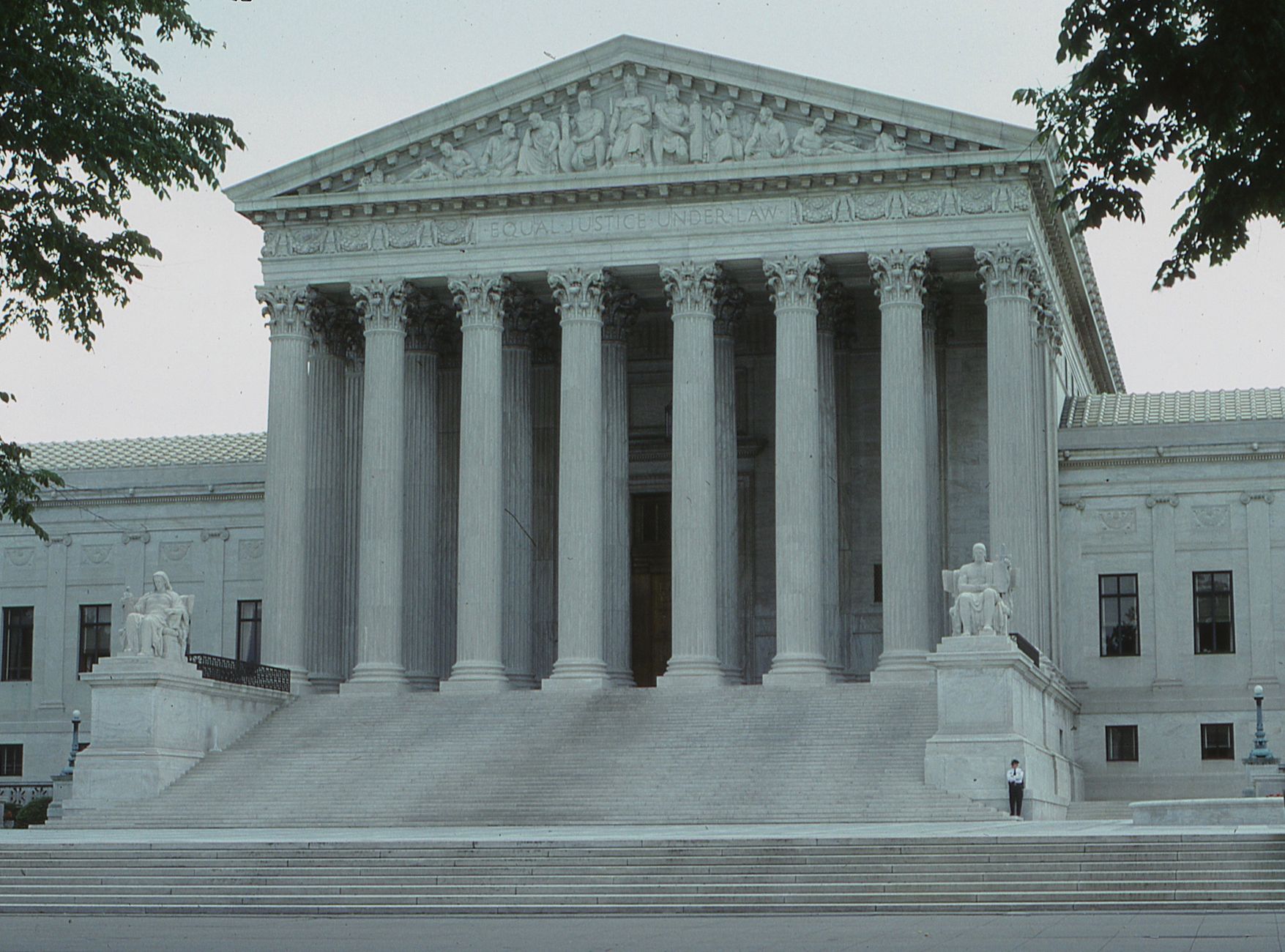
The Supreme Court ruled 6-3 on June 25, 2026, that the Trump administration may turn away asylum seekers at southern ports, as Reuters via SRN News explained in its account of the decision. In Mullin v.
Al Otro Lado, the majority said people still in Mexico have no right to inspection or an asylum application. Metering is the practice at issue. It lets officers stop travelers at a port and defer processing when officials deem the port too full.
Table of Contents
- Why physical crossing controls the case
- Who faces turnaways
- Where the ruling stops
- What to expect at ports now
Why physical crossing controls the case
The majority read the Immigration and Nationality Act to grant rights only after a migrant physically crosses into the United States. Reason described that reading in its analysis of the opinion. People waiting on the Mexican side therefore gain no right to inspection.
Justice Samuel Alito wrote the majority opinion. Justice Sonia Sotomayor dissented with Justices Elena Kagan and Ketanji Brown Jackson, warning the rule lets the government avoid statutory duties. The decision reversed a Ninth Circuit rule that had treated border encounters on either side as an arrival.
Who faces turnaways
The direct impact falls on land asylum seekers at southern ports. The challengers were immigrant group Al Otro Lado and 13 asylum seekers who sued in 2017. The American Immigration Council traces that history in its litigation update.
They said officers refused to inspect them at ports. Their claims became the test for whether an encounter near the border counts as arrival. The Court answered no for people still outside the country.
📨 Get Free Accountability Coverage Alerts
Free · No spam · Unsubscribe anytime
Where the ruling stops
The ruling revives only metering authority. It does not decide the fate of a separate, broader 2025 proclamation barring asylum access at the border. Reuters via SRN News noted that proclamation faces a separate ongoing legal challenge in its account of the decision.
Metering lets officials defer claims port by port when they claim overcrowding. A blanket ban would go further and block access outright. Readers should not treat this decision as approval of that broader ban.
What to expect at ports now
Officers can again stop people at the entry line and tell them to wait. Processing can be deferred indefinitely when officials deem ports overburdened. People waiting in Mexico gain no federal right to force inspection.
Expect three practical effects at southern land ports. Each follows directly from the physical-crossing rule. That wait can continue until officers choose to process the claim. Under this decision, such a turnaway does not violate federal law.
- Officers decide when a port is too full to take more claims.
- Travelers stopped in Mexico stay outside U.S. inspection rights.
- Deferred cases wait without a court-ordered deadline for processing.
You Might Also Like
- What the Remain in Mexico Lawsuit Means for Stranded Asylum Seekers
- Trump Asylum Policy and Yemen: Why Few Houthi-Era Claims Are Approved
- TPS Terminations and Trump Asylum Policy: Who Loses Protection?