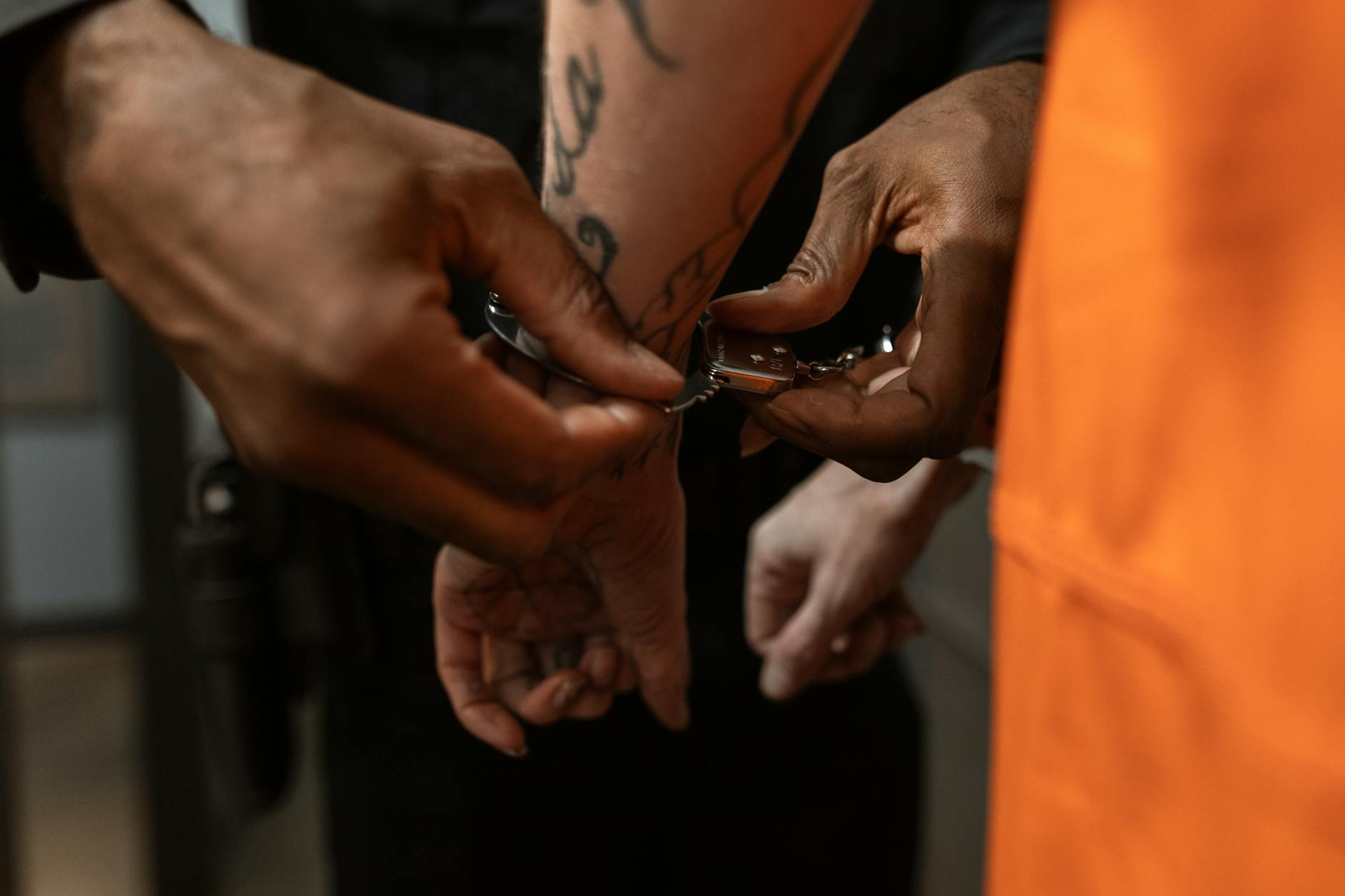
On the night of February 17, 2026, actor Shia LaBeouf was beaten and arrested outside a New Orleans bar after a Mardi Gras brawl that was captured on video and quickly spread across social media. LaBeouf, 39, was kicked out of R Bar in the Faubourg Marigny neighborhood after causing a disturbance, then allegedly punched two men with closed fists before being overpowered and pummeled on camera. He was charged with two counts of simple battery, released on his own recognizance, and later ordered by a judge to return to rehab. The incident reignited a familiar cycle for LaBeouf, whose career has been punctuated by public meltdowns, arrests, and attempts at rehabilitation.
But this time, the fallout extended beyond the usual tabloid spectacle. One of the men involved accused LaBeouf of using anti-gay slurs during the confrontation, raising the specter of hate crime allegations. LaBeouf’s own public statements in the aftermath — including the jarring admission that “gay people are scary to me” — only deepened the controversy. This article breaks down exactly what happened that night, the legal consequences LaBeouf faces, the hate crime allegations, and what his response tells us about accountability and celebrity justice in America.
Table of Contents
- What Happened When Shia LaBeouf Was Beaten and Arrested at Mardi Gras?
- What Charges Does LaBeouf Face and What Are the Legal Consequences?
- The Hate Crime Allegations and LaBeouf’s Disturbing Response
- LaBeouf’s Sobriety Claims Versus the Reality
- The Viral Video and the Problem With Celebrity Justice
- LaBeouf’s History of Public Incidents and Arrests
- What Comes Next for the Case and for LaBeouf
- Conclusion
- Frequently Asked Questions
What Happened When Shia LaBeouf Was Beaten and Arrested at Mardi Gras?
The timeline of the incident is drawn from multiple video recordings and reporting by TMZ, NBC News, and local New Orleans outlet WWLTV. LaBeouf was at R Bar, also known as the Royal Street Inn, on Mardi Gras night when staff ejected him for causing a disturbance inside the establishment. Once on the street, witnesses and video footage showed LaBeouf shirtless, shoving one man and throwing punches at a group gathered outside the bar. He reportedly struck two men multiple times with closed fists. LaBeouf initially left the scene but returned acting even more aggressively, according to witnesses and police accounts.
that decision proved costly. A separate video showed LaBeouf on the receiving end of the violence — struggling to get back to his feet while taking blows to the face. Paramedics responded to the scene, and LaBeouf was spotted being loaded into an ambulance. He was arrested shortly after midnight and booked on two counts of simple battery. For anyone who has followed LaBeouf’s career, the images were grim but not entirely surprising. This is the same man who was arrested in 2017 in Savannah, Georgia on public drunkenness charges and who has faced repeated allegations of violent and erratic behavior over the past decade.

What Charges Does LaBeouf Face and What Are the Legal Consequences?
LaBeouf was charged with two counts of simple battery under Louisiana law. Simple battery in Louisiana is a misdemeanor, typically defined as the intentional use of force or violence against another person. The maximum penalty for each count is six months in jail and a fine of up to $1,000, though first-time offenders or those without serious prior convictions in the state often receive lighter sentences, including probation or court-mandated counseling. LaBeouf was released on his own recognizance, meaning he did not have to post bail — a courtesy that critics have noted is not always extended to non-celebrities arrested on similar charges in New Orleans.
His court date was set for March 19, 2026. However, if the hate crime allegations gain traction with prosecutors, the legal picture could shift dramatically. Louisiana’s hate crime statute allows for enhanced penalties when a crime is motivated by bias against a victim’s sexual orientation. A hate crime enhancement on a simple battery charge could elevate the seriousness of the offense and the potential sentence. Whether prosecutors pursue that avenue will depend on the evidence, including witness testimony and any recorded slurs.
The Hate Crime Allegations and LaBeouf’s Disturbing Response
One of the men involved in the altercation alleged that LaBeouf targeted him with anti-gay slurs, telling The Hollywood Reporter that the confrontation amounted to a hate crime. The accusation added a layer of gravity to what might otherwise have been dismissed as another drunken celebrity dust-up. Anti-LGBTQ violence remains a serious concern nationally; FBI hate crime statistics consistently show that sexual orientation is among the most common motivations for bias-related assaults. LaBeouf’s public response made things worse.
In an interview covered by NBC News, LaBeouf stated that “gay people are scary to me” while framing homophobia as somehow connected to his arrest. The remark was widely condemned as both offensive and incoherent. Rather than addressing the allegations directly or expressing remorse toward the individuals he allegedly attacked, LaBeouf appeared to center his own discomfort. This is a pattern that advocates for hate crime victims have noted in other high-profile cases — the accused reframing the narrative around their own feelings rather than the harm caused to the targeted individual.

LaBeouf’s Sobriety Claims Versus the Reality
In the aftermath of the arrest, LaBeouf spoke with Variety and made several admissions that contradicted the public narrative he had built in recent years. He revealed that he had not been sober for approximately nine months, undermining earlier claims about his commitment to recovery. LaBeouf had previously spoken publicly about his faith journey and sobriety, including in interviews promoting his 2022 film “Padre Pio” and during appearances with his wife Mia Goth. The tradeoff between public image and private reality is especially stark here.
LaBeouf had positioned his conversion to Catholicism and his sobriety as evidence of genuine transformation. For fans and observers who took those claims at face value, the Mardi Gras arrest was a betrayal of trust. But for those who have tracked LaBeouf’s history more closely — including the abuse allegations made by ex-girlfriend FKA Twigs, who sued him in 2020 — the pattern of escalation followed by performative contrition is familiar. LaBeouf told Variety he does not believe he has a drinking problem, instead saying, “I think I have a small man complex” and that the real issue is “anger and ego more so than my drinking.” A New Orleans judge apparently disagreed, ordering him to return to rehab.
The Viral Video and the Problem With Celebrity Justice
Multiple videos of the Mardi Gras incident went viral within hours, with footage obtained by TMZ showing both LaBeouf as aggressor and LaBeouf as victim. The dual nature of the footage created a split narrative online — some commenters expressed sympathy for an obviously intoxicated man getting beaten, while others pointed out that he had initiated the violence and allegedly hurled slurs. This is the modern reality of celebrity misconduct: the court of public opinion renders its verdict long before the actual court date. The viral spread also raises a recurring concern about how celebrity status warps the justice system.
LaBeouf was released on his own recognizance, had access to high-profile legal representation, and was able to control parts of his narrative through carefully placed media interviews within days of the arrest. The average person charged with two counts of battery in New Orleans — particularly if hate crime allegations were also in play — would likely face a very different experience. This disparity is not unique to LaBeouf; it is a structural feature of the American criminal justice system. But the visibility of cases like this one makes the gap harder to ignore.
📨 Get Free Accountability Coverage Alerts
Free · No spam · Unsubscribe anytime
LaBeouf’s History of Public Incidents and Arrests
The Mardi Gras arrest is far from an isolated event in LaBeouf’s biography. His rap sheet includes a 2014 arrest for disorderly conduct at a Broadway performance of “Cabaret,” a 2017 arrest in Savannah for public drunkenness and obstruction during which he made racist remarks to a Black police officer, and the 2020 lawsuit by FKA Twigs alleging sexual battery, assault, and infliction of emotional distress.
Each incident followed a similar arc: public meltdown, media frenzy, expressions of remorse, and promises of rehabilitation. The Mardi Gras footage fits neatly into this pattern, and the nine-month sobriety lapse suggests that whatever interventions LaBeouf has attempted, they have not produced lasting change.
What Comes Next for the Case and for LaBeouf
LaBeouf’s court date of March 19, 2026, will determine the immediate legal trajectory. Prosecutors will need to decide whether to pursue the hate crime enhancement, which would require demonstrating that the attack was motivated by anti-gay bias. The outcome could range from a plea deal with probation and mandatory rehab to a trial that puts the viral footage and witness testimony under judicial scrutiny.
Regardless of the legal outcome, the incident has further eroded whatever goodwill LaBeouf had rebuilt. Studios and production companies that had cautiously begun working with him again will be watching closely, and the admission that he has been drinking for nine months despite public claims of sobriety makes future rehabilitation narratives harder to sell. For the men who were allegedly attacked, the question is whether the system will treat this case with the seriousness it deserves — or whether celebrity will once again soften the consequences.
Conclusion
The Mardi Gras arrest of Shia LaBeouf is more than a celebrity gossip item. It involves allegations of anti-gay violence, a documented pattern of aggression, and an admission that public sobriety claims were false. The video footage leaves little ambiguity about the physical altercation, and the hate crime accusation from one of the men involved demands serious prosecutorial consideration. LaBeouf’s own statements — dismissing his drinking as secondary to his “small man complex” and calling gay people “scary” — suggest a level of self-awareness that falls well short of accountability.
This case is worth following not because of who LaBeouf is, but because of what it reveals about how the justice system handles cases involving wealth, fame, and bias-motivated violence. The court date is set. The footage is public. The question now is whether the legal system will treat this like any other battery case with hate crime overtones — or whether the celebrity factor will, once again, tip the scales.
Frequently Asked Questions
What was Shia LaBeouf charged with after the Mardi Gras incident?
LaBeouf was charged with two counts of simple battery, a misdemeanor under Louisiana law. He was released on his own recognizance and given a court date of March 19, 2026.
Is Shia LaBeouf facing hate crime charges?
As of the latest reporting, one of the men involved has alleged that LaBeouf used anti-gay slurs and that the attack constitutes a hate crime. Whether prosecutors pursue a hate crime enhancement has not yet been confirmed.
What did Shia LaBeouf say about the incident?
LaBeouf made several public statements, including telling NBC News that “gay people are scary to me” and telling Variety that he does not have a drinking problem but rather a “small man complex,” attributing the issue to “anger and ego.” He also admitted he had not been sober for approximately nine months.
Was Shia LaBeouf ordered to go to rehab?
Yes. A New Orleans judge ordered LaBeouf to return to rehab following the arrest.
Where did the Mardi Gras fight take place?
The altercation occurred outside R Bar, also known as the Royal Street Inn, in the Faubourg Marigny neighborhood of New Orleans on the night of February 17, 2026.
You Might Also Like
- The Inflation America Thought It Had Beaten Could Come Roaring Back Because of Iran
- U.S. Minesweeping Capability in the Persian Gulf Has Been Declining for Years
- The Suez Canal Sees Reduced Traffic as Ships Avoid the Entire Middle East Region