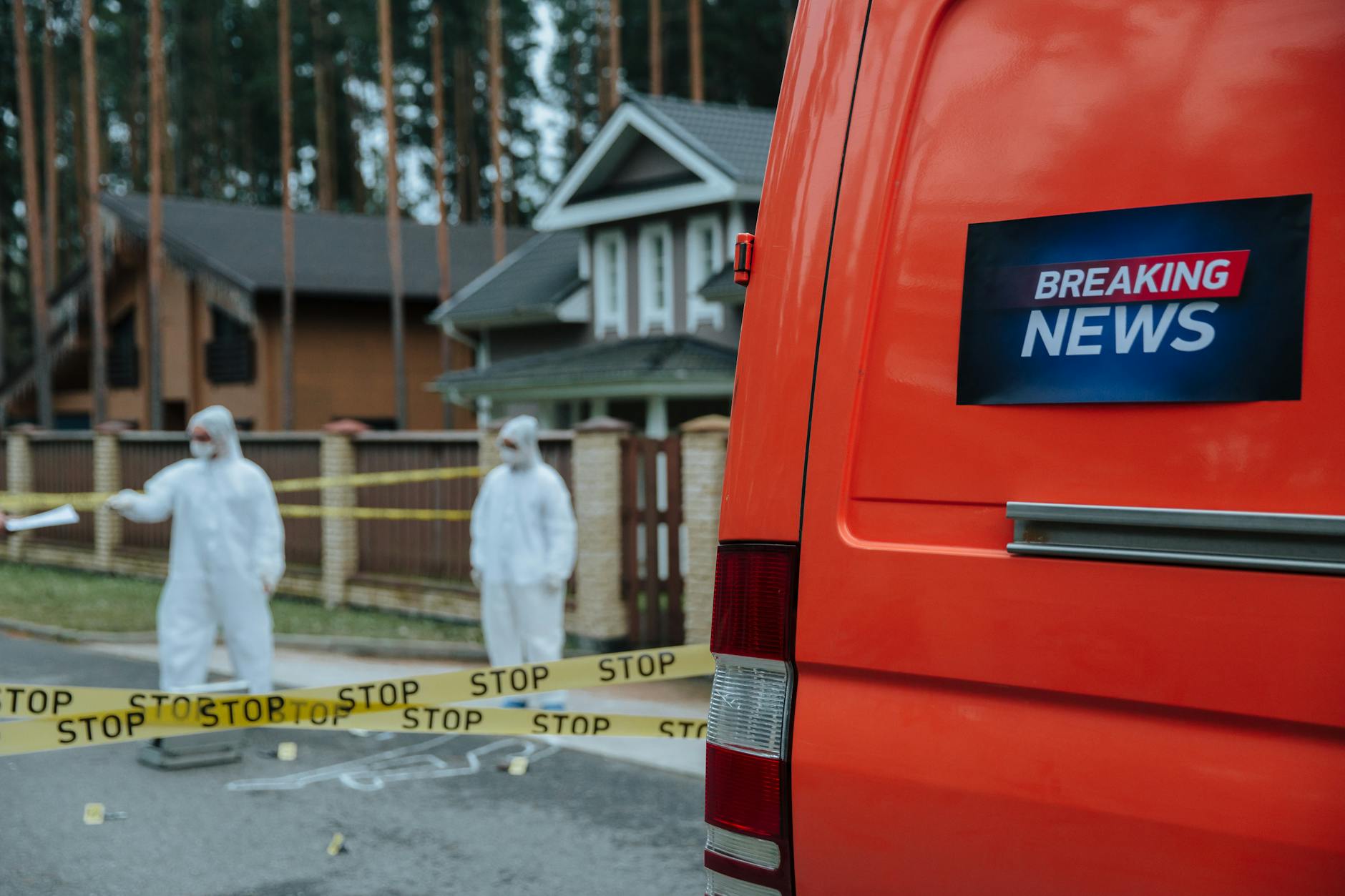
Multiple high-profile investigations across the United States are revealing a troubling pattern: even when authorities pursue serious cases—involving officer-involved shootings, mass violence, and alleged fraud—critical questions remain unanswered months into official inquiries. The Alex Pretti case in Minnesota exemplifies this concern. Weapons from CBP agents at the shooting scene have not been transferred to the FBI for analysis, the exact number of officers who fired remains unclear, and the Minnesota Bureau of Criminal Apprehension was reportedly denied access to the crime scene despite obtaining a judicial warrant.
These gaps in evidence handling and transparency are not isolated incidents but part of a broader challenge facing law enforcement agencies. From the Boston-area shooting investigation to allegations of mismanagement in Maine and Idaho, a consistent theme emerges: official investigations are ongoing, but fundamental details remain shrouded in limited disclosure and procedural ambiguity. Citizens and families seeking answers are often left waiting for clarity that may never come. The investigations themselves may be thorough, but the lack of transparency creates legitimate questions about how evidence is preserved, who has access to crime scenes, and when—or if—critical information will ever be made public.
Table of Contents
- Evidence Integrity Under Question in Officer-Involved Shootings
- Transparency Failures and Administrative Opacity
- Ballistic Evidence and the Challenge of Cross-Scene Investigations
- Federal and State Investigation Coordination
- Witness Access and Investigation Procedures
- Unknown Motives and Incomplete Records
- What These Cases Reveal About Investigation Systems
- Conclusion
Evidence Integrity Under Question in Officer-Involved Shootings
The Alex Pretti death investigation has become a focal point for concerns about evidence chain-of-custody procedures. When CBP weapons from the shooting scene have not been transferred to the FBI for ballistic analysis, it raises immediate questions about whether evidence is being handled according to federal standards. This is not a procedural technicality—proper evidence transfer is foundational to investigation integrity. Without FBI analysis, independent verification of ballistic evidence becomes impossible, and questions about what weapon fired which shots cannot be definitively answered. The Minnesota Attorney General’s statement that the Bureau of Criminal Apprehension was denied access to the crime scene despite holding a judicial warrant is particularly troubling. A warrant represents judicial authorization to access evidence and the scene.
When law enforcement agencies are blocked from accessing a scene they are legally authorized to examine, it creates the appearance—if not the reality—of obstruction or coordination designed to limit who can scrutinize the evidence. In comparable cases, multi-agency access to crime scenes is standard practice precisely to prevent a single jurisdiction from controlling the narrative. Adding to the confusion is the fact that the exact number of officers who fired weapons remains unclear. In the age of body cameras and incident reports, this should be among the first facts established. The inability or unwillingness to provide this basic information suggests either chaotic scene documentation, deliberate opacity, or both. Family members and the public deserve to know: How many officers discharged weapons? At whom? Under what circumstances?.

Transparency Failures and Administrative Opacity
The American Falls City investigation presents a different but equally troubling pattern. City officials confirmed an “internal administrative matter” involving a former city employee with “potentially criminal implications,” yet details remain undisclosed. This language—”potentially criminal”—suggests the matter is serious enough to warrant investigation but not serious enough to warrant public explanation. What does “potentially criminal” actually mean? Is there an active police investigation? Has the matter been referred to a prosecutor? The public is left guessing. This opacity is not unique to small-town Idaho. The Gateway community Services fraud investigation in Maine reveals similar cracks in transparency.
The state Attorney General’s Office cannot confirm whether a federal investigation is ongoing, despite House Minority Leader Billy Bob Faulkingham publicly stating that a federal investigation has been requested. This disconnect between what officials request and what they confirm is investigating creates confusion and allows rumors to flourish. When federal agencies are involved in investigations but their participation cannot be publicly confirmed, the public loses the ability to assess the seriousness of allegations or the timeline for resolution. The limitation here is significant: in many investigations, federal law restricts what can be publicly disclosed before charges are filed or indictments issued. However, this restriction creates a gap where the public knows something serious is being investigated but cannot know what, why, or when answers might come. Families waiting for clarity about potential fraud affecting them are left in a form of investigative limbo.
Ballistic Evidence and the Challenge of Cross-Scene Investigations
The Brown University and MIT professor shooting investigation demonstrates how ballistic evidence can connect crimes even when other aspects remain mysterious. Suspect Claudio Neves Valente was found dead with two 9mm firearms and high-capacity magazines, and ballistics matched both crime scenes. This is concrete evidence: the same weapon was used in both locations. Yet even with this clarity, investigators face a fundamental gap—the motive remains unknown. Establishing that the same person committed multiple crimes is invaluable to families seeking answers. However, understanding why these crimes occurred is equally important to preventing future incidents.
Was Valente targeting specific individuals or institutions? Were the victims connected? Did grievances drive the shootings, or were they random? Without answers to these questions, law enforcement and the public cannot assess whether this represents an isolated incident or the surface of a deeper pattern. Comparison to other mass shooting investigations shows that motive remains elusive in many cases, leaving communities uncertain about their safety or whether warning signs existed. The limitation is inherent to investigations where the primary suspect is deceased. A living suspect could be interrogated, and their background could be thoroughly examined with direct questioning. A deceased suspect leaves only circumstantial evidence, digital records, and behavioral patterns to indicate motive. In Valente’s case, investigators are still examining his background, but investigators rarely announce preliminary conclusions until they are prepared to release a full findings report—which may take months or even years.

Federal and State Investigation Coordination
When investigations cross jurisdictional lines, coordination becomes essential. The Alex Pretti case involves CBP (federal), Minnesota state authorities, and potentially federal oversight of how a federal agency handled evidence. This creates a coordination challenge: federal agencies investigating other federal agencies sometimes face implicit pressure to protect institutional interests. State agencies conducting parallel investigations may find access limited or information compartmentalized. The Gateway Community Services investigation in Maine shows similar coordination friction.
A state Attorney General’s Office cannot confirm federal involvement even when requests for federal investigation have been made. This creates uncertainty: Are federal agencies reviewing the matter? Have they declined to investigate? Are they conducting a preliminary assessment before deciding? The public cannot know because federal investigation protocols typically keep proceedings confidential until they result in charges or a decision to close the matter. Comparison to straightforward, single-jurisdiction investigations reveals the trade-off: cases requiring federal-state coordination gain resources and expertise but lose the transparency that comes from a single agency’s clear reporting chain. A local police department investigating a robbery can hold a press conference and explain findings. Multi-jurisdictional task forces investigating allegations of fraud or official misconduct operate behind a veil of confidentiality that protects investigative integrity but leaves the public waiting indefinitely.
📨 Get Free Accountability Coverage Alerts
Free · No spam · Unsubscribe anytime
Witness Access and Investigation Procedures
The denial of access to the Alex Pretti crime scene by the Minnesota Bureau of Criminal Apprehension—despite a judicial warrant—raises questions about who controls investigation procedures and who can verify them. In standard procedure, a warrant grants access. When access is denied despite a warrant, the justification typically involves an ongoing active investigation or concerns about contaminating the scene. However, if the scene is so active that one state agency cannot access it, why? If contamination is the concern, shouldn’t chain-of-custody protocols prevent that rather than preventing other authorized agencies from examining the scene? These procedural questions are not technical trivialities. They define whether investigations can be independently verified.
When one agency controls all access to evidence, that agency also controls what the public learns about the evidence. This is particularly problematic in cases involving officer-involved shootings, where the agencies investigating may include the agencies whose officers are under investigation. A warning is necessary here: investigative opacity is sometimes necessary to protect ongoing procedures and avoid compromising prosecutions. However, there is a significant difference between keeping specific investigative steps confidential and denying access to crime scenes or withholding basic facts (like the number of officers who fired). Citizens and oversight bodies should demand clarity on which information is withheld for procedural reasons and which information is simply not being released.

Unknown Motives and Incomplete Records
In the Brown and MIT shooting investigation, ballistics connect the suspect to both crimes, but motive remains unknown. This gap reveals a fundamental challenge in modern investigations: even with sophisticated forensic tools, establishing what happened (ballistics, DNA, digital records) is often easier than establishing why it happened (motivation, intent, personal grievances). Without motive, investigators cannot determine whether warning signs were missed or whether the violence was genuinely unforeseeable.
The Claudio Neves Valente case specifically shows investigators still examining his background—months after his death. Backgrounds include financial records, social media activity, employment history, acquaintances, and psychological assessments. This work is necessary but time-consuming. Families of victims waiting for answers about why their loved ones were targeted face months or years of uncertainty while investigators piece together a picture of who Valente was and what drove his actions.
What These Cases Reveal About Investigation Systems
These four investigations—spanning federal law enforcement, state authorities, local government, and alleged civilian fraud—reveal that questions remaining under investigation is not an aberration but a structural feature of American investigations. Agencies work within confidentiality constraints, jurisdictions operate independently, evidence can be controlled by the very agencies under investigation, and basic facts remain unknown months into official inquiries.
The pattern suggests that investigation systems are built to protect investigative integrity and avoid contaminating prosecutions, but at the cost of public transparency. Citizens can know that investigations are ongoing, but rarely know what is being investigated, why answers are delayed, or when clarity will come. This system may be legally sound and procedurally justified, but it creates a gap between institutional accountability and public understanding that grows wider as investigations progress.
Conclusion
The phrase “questions remain as officials continue investigation” has become a refrain across multiple high-profile cases, from the Alex Pretti shooting to alleged fraud in Maine. In each case, evidence exists, authorities are working, and investigations are active. Yet families, communities, and the public are left waiting for the basic facts that would help them understand what happened and why. Evidence is not transferred, crime scene access is restricted, motives remain unknown, and federal investigations cannot be confirmed even when formally requested.
Transparency in investigations requires balancing the need to protect investigative integrity with the public’s right to know what authorities are investigating and why answers are delayed. That balance has shifted heavily toward opacity. Citizens seeking accountability should demand that authorities explain not just what they are investigating, but when results will come, why certain information cannot be released, and whether investigative procedures are designed to uncover truth or to protect institutions. Until then, questions will continue to remain even as investigations continue.
You Might Also Like
- Officials Examine Conflicting Reports in Flight Incident
- Investigation Highlights Potential System Failures
- Crime Story Raises Questions About Prevention