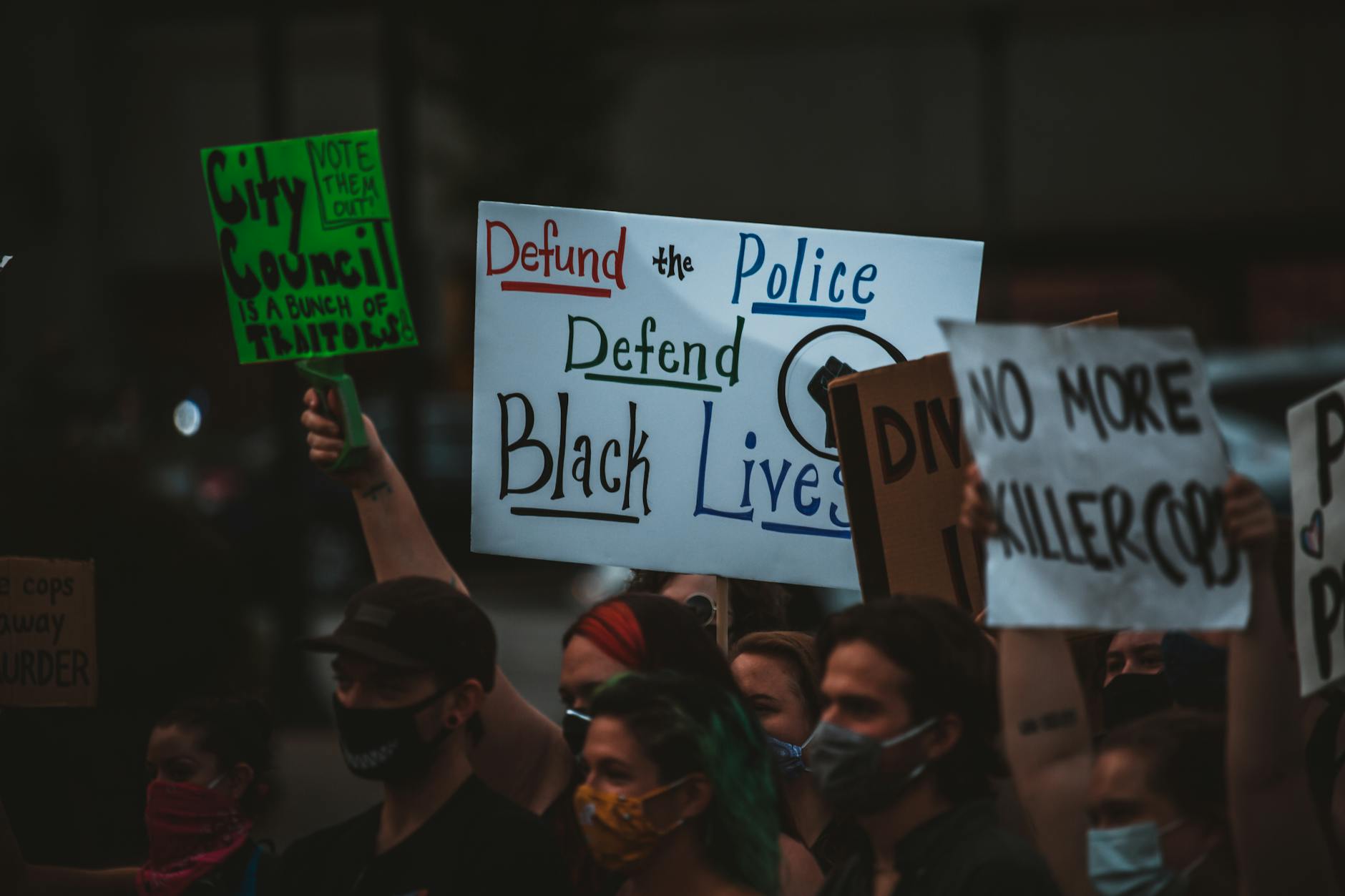
Massive protests against the joint US-Israeli military strikes on Iran are spreading across Pakistan, Indonesia, and Bangladesh, with Pakistan bearing the deadliest toll — at least 23 people killed and over 100 injured on March 1, 2026 alone. The violence erupted after the February 28 strikes killed Iranian Supreme Leader Ayatollah Ali Khamenei along with other senior officials, targeting military sites, nuclear facilities, and government infrastructure across Iran. In Karachi, ten people were killed when demonstrators breached the outer wall of the US Consulate and Marine Security Guards opened fire. The backlash has taken different forms in each country.
Pakistan has seen armed clashes, building fires, and a military curfew. Bangladesh issued an official government condemnation calling the strikes a violation of international law. Indonesia’s response has been largely diplomatic, with President Prabowo Subianto offering to mediate the conflict. This article examines the scale of the unrest in each nation, the political and sectarian dynamics driving it, the economic fallout, and what the spread of these protests signals about the broader geopolitical consequences of the strikes.
Table of Contents
- Why Are Protests Against the US-Israeli Strikes Spreading Across Pakistan, Indonesia, and Bangladesh?
- How Deadly Have the Pakistan Protests Become?
- What Is the Economic Fallout from the Unrest?
- How Are Bangladesh and Indonesia Responding Differently?
- What Are the Risks of Escalation?
- The Role of Sectarian and Political Organizations
- What Comes Next for the Region?
- Conclusion
- Frequently Asked Questions
Why Are Protests Against the US-Israeli Strikes Spreading Across Pakistan, Indonesia, and Bangladesh?
The protests are rooted in a combination of religious solidarity, anti-American sentiment, and genuine outrage over what many in the muslim world view as an extrajudicial assassination of a head of state. Pakistan’s Shia Muslim community, which maintains deep religious ties to Iran’s clerical establishment, has been the most mobilized. Groups such as Majlis Wahdat-i-Muslimeen (MWM) called for nationwide rallies almost immediately after news of Khamenei’s death broke. In Skardu and Gilgit, overwhelmingly Shia regions in Pakistan’s north, thousands took to the streets, setting fire to the offices of the UN Military Observer Group and damaging schools and other buildings.
Bangladesh and Indonesia, both Sunni-majority nations, have responded through different channels. Bangladesh Jamaat-e-Islami organized a demonstration at Baitul Mukarram National Mosque on March 1, demanding the Organization of Islamic Cooperation intervene. Indonesia’s foreign ministry officially stated it “regretted” the strikes — diplomatic language that, while measured, represents a notable departure from Jakarta’s typical reluctance to criticize Washington directly. The common thread across all three countries is that the killing of a sitting supreme leader, regardless of sectarian alignment, crossed a line that galvanized public anger far beyond Iran’s immediate neighbors.

How Deadly Have the Pakistan Protests Become?
Pakistan has experienced the most severe violence by a wide margin. In Karachi, protesters smashed windows at the US Consulate and attempted to set the building on fire after breaching the outer perimeter wall. Marine Security Guards and Pakistani police opened fire, killing at least ten people and injuring more than 50. This marks one of the deadliest incidents at a US diplomatic facility in years and will almost certainly trigger a diplomatic crisis between Washington and Islamabad.
In the northern cities of Skardu and Gilgit, between eight and eleven people were killed as Shia demonstrators clashed with security forces. The Pakistani government responded by deploying troops and imposing a three-day curfew in both cities before dawn on March 2. In Islamabad, two more people were killed in separate clashes. However, it is worth noting that casualty figures remain fluid — early reports cited 20 dead, while later tallies from CGTN and middle east Eye put the number at 23. The actual toll could be higher, particularly in remote northern areas where reporting access is limited and communications infrastructure is less reliable.
What Is the Economic Fallout from the Unrest?
The violence has already hit Pakistan’s financial markets hard. The Pakistan Stock Exchange’s benchmark KSE-100 Index plunged nearly 10 percent amid the combined pressure of domestic unrest and broader geopolitical uncertainty following the strikes on Iran. For a country already struggling with an IMF bailout program, chronic inflation, and a fragile currency, this kind of market shock compounds existing vulnerabilities.
The curfew in Gilgit and Skardu also disrupts commerce and daily life in a region that depends heavily on tourism and trade routes connecting Pakistan to china via the Karakoram Highway. If the unrest persists or spreads to other cities, the economic damage could extend well beyond the stock market. Pakistan’s civilian government is now caught between a population enraged by the strikes and the reality that the country cannot afford to antagonize the United States, its largest bilateral aid partner and a critical player in IMF negotiations.

How Are Bangladesh and Indonesia Responding Differently?
Bangladesh took the most direct diplomatic stance of the three countries, officially condemning the killing of Khamenei and calling it a violation of international law. This is notable because Bangladesh’s interim government, led since 2024 by Muhammad Yunus, has generally maintained a balanced foreign policy posture. The condemnation suggests that the strikes have pushed even traditionally cautious governments toward public criticism of Washington. The Jamaat-e-Islami rally at Baitul Mukarram was sizable but remained nonviolent, reflecting a more organized and politically channeled form of protest compared to Pakistan’s street clashes.
Indonesia’s response has been primarily governmental rather than grassroots. President Prabowo Subianto’s offer to fly to Tehran and mediate the conflict drew immediate skepticism from diplomats and foreign policy analysts, who dismissed it as “too late” and “impossible” given that the strikes had already been carried out and Khamenei was dead. Large-scale street protests in Indonesia were less extensively documented compared to Pakistan — a contrast worth noting given Indonesia’s history of massive demonstrations on issues ranging from labor rights to political reform. The comparatively muted street response may reflect the fact that Indonesia’s Sunni majority does not share the same sectarian bond with Iran’s Shia establishment, or it may simply be too early for large-scale mobilization to have fully materialized.
What Are the Risks of Escalation?
The most immediate risk is that the violence in Pakistan spirals beyond what the government can contain. The deployment of troops and imposition of curfews are significant escalatory steps, and Pakistan’s history shows that military crackdowns on protest movements can deepen rather than resolve tensions. The Shia community in Pakistan’s north has long felt marginalized by the central government, and heavy-handed repression could fuel recruitment for more radical groups or provoke a broader sectarian confrontation. There is also a diplomatic dimension to the escalation risk.
The storming of the US Consulate in Karachi — even if it was ultimately repelled — will likely prompt Washington to draw down diplomatic staff, issue travel warnings, and potentially reduce aid flows. That, in turn, could weaken the Pakistani government’s ability to maintain order and meet its economic obligations. The cycle is self-reinforcing: instability reduces foreign support, which deepens instability. Other Muslim-majority nations beyond the three discussed here are also watching closely. If the protests in Pakistan continue to result in mass casualties, the pressure on governments in Turkey, Egypt, Iraq, and elsewhere to take stronger public stances will intensify.
The Role of Sectarian and Political Organizations
The organized nature of the protests — particularly in Pakistan — underscores the role of established political and religious groups in mobilizing demonstrators. Majlis Wahdat-i-Muslimeen, the largest Shia political party in Pakistan, issued the call for nationwide rallies and provided the organizational infrastructure that brought thousands into the streets within hours of Khamenei’s killing. Similarly, Bangladesh Jamaat-e-Islami, the country’s largest Islamist party, organized the Dhaka demonstration at Baitul Mukarram.
📨 Get Free Accountability Coverage Alerts
Free · No spam · Unsubscribe anytime
These are not spontaneous outpourings of grief. They are politically coordinated actions by groups with established networks, funding, and communication channels. This matters because it means the protests can be sustained, scaled, or de-escalated depending on the decisions of organizational leadership. It also means that governments have identifiable counterparts to negotiate with — or to crack down on — which shapes the trajectory of the unrest in ways that purely leaderless movements do not.
What Comes Next for the Region?
The next 72 hours will be critical. Pakistan’s three-day curfew in Gilgit and Skardu is a stopgap, not a solution. If MWM and other Shia organizations call for continued protests after the curfew lifts, the government will face a choice between extended military enforcement and political negotiation.
The international community — particularly the Organization of Islamic Cooperation, which Bangladesh has formally called on to act — will face pressure to convene an emergency session, though the OIC’s track record of decisive action is thin at best. Looking further ahead, the protests in Pakistan, Bangladesh, and Indonesia are likely the opening chapter, not the full story. The US-Israeli strikes on Iran have fundamentally altered the security landscape of the Middle East and South Asia, and the political aftershocks will continue to ripple outward. For governments across the Muslim world, the challenge is managing public anger without either provoking Washington or appearing complicit in what their citizens increasingly view as an act of aggression against the broader Islamic world.
Conclusion
The wave of protests sweeping Pakistan, Indonesia, and Bangladesh in response to the February 28 US-Israeli strikes on Iran represents the most significant regional backlash to American military action in years. With at least 23 dead in Pakistan, a formal condemnation from Bangladesh, and diplomatic maneuvering from Indonesia, the response has varied in form but shared a common undercurrent of anger and alarm. The economic consequences are already materializing, with Pakistan’s stock market in freefall and the country’s northern regions under military curfew.
What happens next depends on decisions made in Islamabad, Dhaka, Jakarta, and Washington. The Pakistani government must navigate between a furious Shia population and its dependence on American financial support. Bangladesh and Indonesia must decide how far they are willing to push their diplomatic objections. And the United States must reckon with the reality that the strikes on Iran have not only eliminated a rival leader but also ignited a crisis across allied and partner nations that will demand sustained attention and, quite possibly, significant concessions.
Frequently Asked Questions
Why are protests against the US-Israeli strikes strongest in Pakistan?
Pakistan has the largest Shia Muslim population outside of Iran, with estimates ranging from 30 to 50 million people. The religious and cultural ties between Pakistani Shia communities and Iran’s clerical establishment run deep, particularly in the northern regions of Gilgit-Baltistan. Well-organized groups like Majlis Wahdat-i-Muslimeen were able to mobilize thousands almost immediately after news of Khamenei’s death broke.
Did the US Consulate in Karachi actually fall to protesters?
No. Protesters breached the outer perimeter wall and smashed windows, but Marine Security Guards and Pakistani police used lethal force to repel the crowd. At least ten people were killed and over 50 injured in the confrontation. The consulate building itself was not overrun.
What did Bangladesh specifically say about the strikes?
Bangladesh officially condemned the killing of Khamenei, calling it a violation of international law. The Bangladesh Jamaat-e-Islami organized a large demonstration at Baitul Mukarram National Mosque on March 1 and called for the Organization of Islamic Cooperation to intervene.
Is Indonesia sending a mediator to Iran?
President Prabowo Subianto offered to fly to Tehran to mediate the conflict, but diplomats and foreign policy experts dismissed the offer as “too late” and “impossible” given that the strikes had already been carried out and Khamenei was already dead.
How has Pakistan’s economy been affected?
The Pakistan Stock Exchange’s KSE-100 Index dropped nearly 10 percent in the wake of the unrest and geopolitical tensions. A three-day curfew was imposed in the northern cities of Gilgit and Skardu, further disrupting commerce in a region that depends on tourism and trade.
Are protests expected to spread to other countries?
It is likely. Protests have already been reported in multiple countries beyond the three discussed here, and if the unrest in Pakistan continues to produce mass casualties, political pressure on governments in Turkey, Iraq, Egypt, and other Muslim-majority nations to take stronger public stances will grow.
You Might Also Like
- Turkey, Iraq, Pakistan, and Afghanistan Could See Millions of Iranian Refugees
- The Dow Dropped Hundreds of Points on News of the Iran Strikes
- OPEC Emergency Meeting Called After Strikes Hit Major Oil-Producing Region