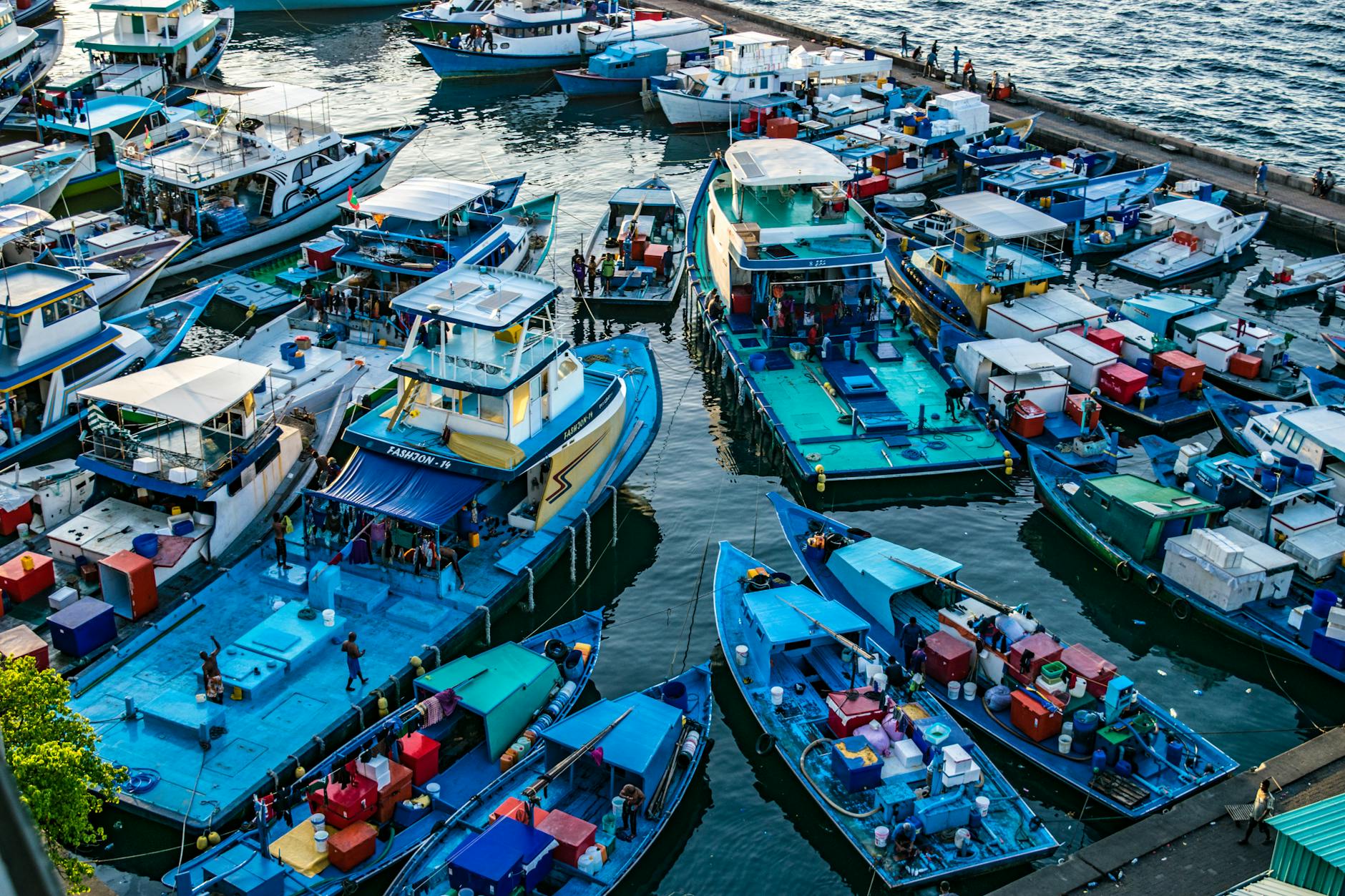
Port congestion across Europe and Asia is getting worse, and the fundamental problem is straightforward: ships are being forced to take much longer routes around Africa because two of the world’s most critical maritime chokepoints — the Red Sea and the Strait of Hormuz — are effectively closed to commercial traffic. The Red Sea has been a no-go zone since late 2023 due to Houthi attacks on shipping, and the Strait of Hormuz shut down in late February 2026 after US-Israel military strikes on Iran prompted Iran’s IRGC to prohibit vessel passage. The result is that ocean freight diversions have surged 360%, jumping from an average of 218 per day to 1,010 per day, with a single-day peak of 2,363 diversions recorded on March 5, 2026. Hamburg is now seeing berthing delays of up to 10 days for vessels on Asia-Europe services. Arrival delays at India’s Mundra port are projected to reach 49 days. These are not temporary disruptions. The baseline industry scenario calls for sustained Cape of Good Hope routing through at least the fourth quarter of 2026, with no meaningful return to Red Sea transit expected before early 2027.
Roughly 170 containerships representing about 450,000 TEU of capacity — around 1.4% of the global fleet — are trapped inside the Persian Gulf, unable to exit through the Strait of Hormuz. Another 280 bulk carriers are stranded or stuck inside the Gulf, with dry bulk transits falling approximately 91%. This article covers the scope of the dual chokepoint crisis, which European and Asian ports are hardest hit, what carriers are doing to adapt, the cascading effects when routes eventually reopen, and what all of this means for consumers and supply chains. The crisis also has energy implications that extend well beyond shipping. The Strait of Hormuz disruption affects roughly 20% of the world’s daily oil supply along with significant LNG volumes. Heavy winter storms across Europe and the UK have further compounded the slowdown. What started as a Red Sea shipping problem has become a full-blown global logistics crisis with no clear end date.
Table of Contents
- Why Is Port Congestion in Europe and Asia Getting Worse as Ships Take Longer Routes?
- Which European Ports Are Facing the Worst Congestion?
- How Are Asian Ports Handling the Strain?
- What Are the Major Carriers Doing to Adapt?
- The Congestion Shockwave When Ships Eventually Return to Suez
- Weather and Labor Disruptions Are Making It Worse
- What Comes Next for Global Shipping in 2026 and Beyond
- Conclusion
- Frequently Asked Questions
Why Is Port Congestion in Europe and Asia Getting Worse as Ships Take Longer Routes?
The core mechanics are simple but punishing. When a ship that would normally transit the suez Canal is forced to reroute around the Cape of Good Hope, it adds 10 to 14 days to its transit time and burns roughly 30% more fuel. That means every vessel on the Asia-Europe trade lane is spending significantly more time at sea, which pulls ships out of their normal rotation schedules. When those ships eventually arrive at European ports, they tend to arrive in clusters rather than on predictable schedules — a phenomenon the industry calls “vessel bunching.” Ports that were designed to handle a steady flow of arrivals suddenly face surges of ships all needing berths, cranes, and yard space at the same time. Before the Strait of Hormuz closure, the Red Sea diversions alone were already straining the system. European ports were structurally slower than global averages heading into 2026. Maersk had already pulled Rotterdam out of its TA5 transatlantic rotation in late June 2025 because of operational constraints at Northern Europe terminals.
The Hormuz closure layered a second, even more severe disruption on top of an industry that was already stretched thin. Tanker traffic through the Strait dropped from a pre-crisis average of more than 153 vessel transits per day to just 13 per day — a near-total shutdown of one of the world’s busiest waterways. The comparison to the 2021 Ever Given Suez Canal blockage is instructive but insufficient. That was a six-day disruption at a single chokepoint. What the industry faces now is a simultaneous closure of two chokepoints with no realistic timeline for reopening either one. The Ever Given caused weeks of port congestion. A months-long dual closure is causing structural damage to global shipping networks that will take well into 2027 to fully unwind.
Which European Ports Are Facing the Worst Congestion?
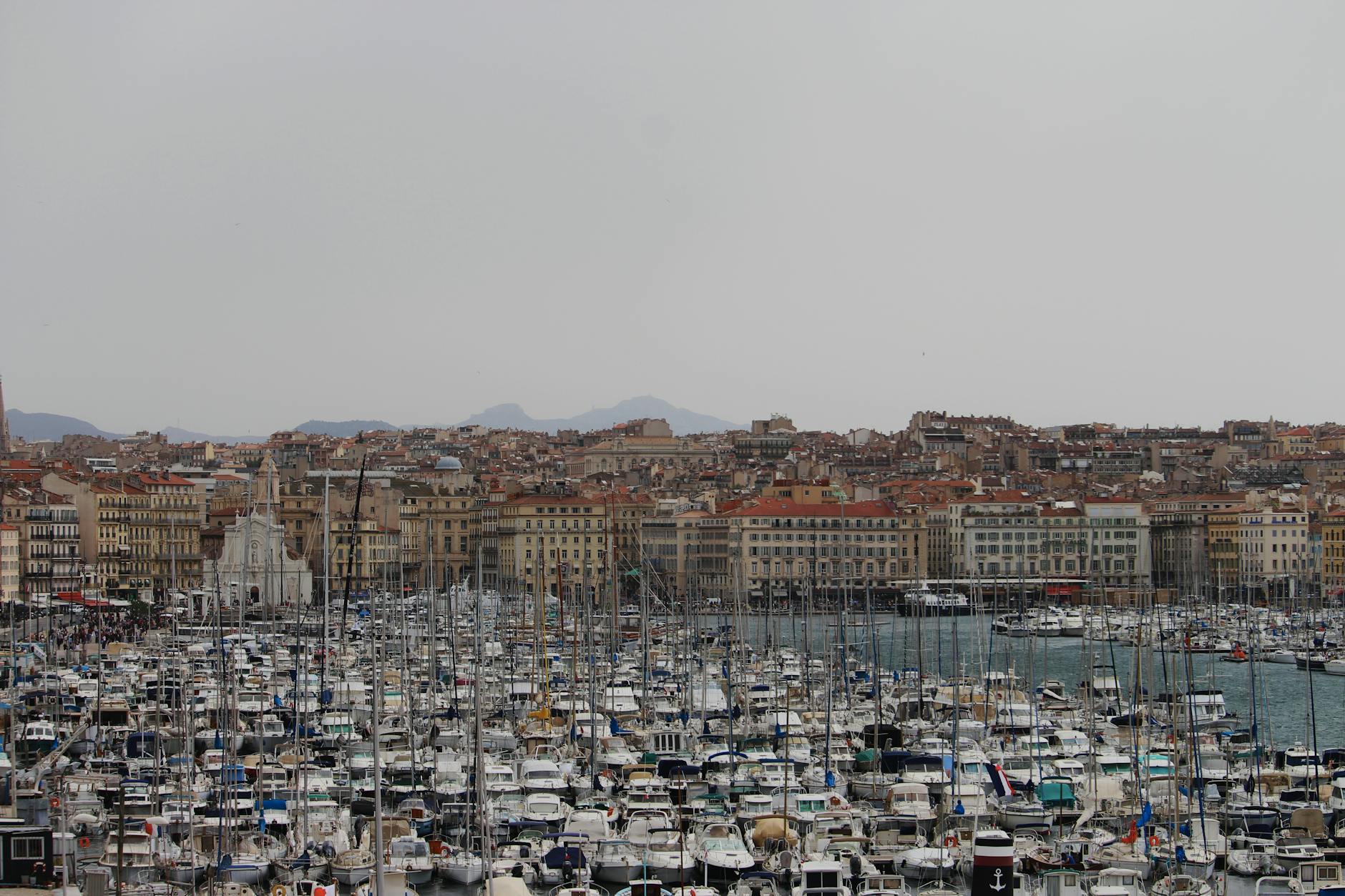
Hamburg, one of Northern Europe’s largest container ports, is experiencing berthing delays of up to 10 days for vessels on Asia-Europe services. That is an extraordinary number. Under normal operations, a containership arrives, gets a berth within hours, unloads and loads cargo over one to three days, and departs. A 10-day wait before a ship even reaches a berth represents a complete breakdown of normal port operations and has downstream effects on trucking schedules, rail connections, and warehouse capacity throughout Germany and Central Europe. Rotterdam, Le Havre, Barcelona, and Genoa are all experiencing significant disruptions from vessel bunching caused by Red Sea and Hormuz diversions. Antwerp’s seven-day average vessel waiting time has reached 1.95 days, and the port faces additional disruption from Belgian pilot strikes and nationwide labor actions that are impacting both inbound and outbound vessel movements. However, it is worth noting that not every European port is equally affected.
Ports with less exposure to Asia-Europe trade lanes or those with excess capacity may see smaller disruptions. The ports that serve as primary Asia-Europe gateways — the Northern European range ports in particular — are bearing the brunt. The limitation that European ports face is largely structural. Many of these facilities were built or expanded decades ago and operate near capacity under normal conditions. They do not have the surge capacity to absorb the kind of irregular arrival patterns that Cape of Good Hope routing creates. Adding berth capacity or expanding yard space takes years of planning and construction. The ports are stuck managing a crisis with infrastructure designed for a world where Suez Canal transit was reliable.
How Are Asian Ports Handling the Strain?
Singapore, the world’s second-busiest container port and a critical transshipment hub, has a seven-day average vessel waiting time of 1.29 days with yard utilization running at 80 to 85%. Those numbers sound manageable until you consider that Singapore typically operates with Swiss-watch precision. Yard utilization in the mid-80s leaves very little buffer for surges, and any further increase in diversions could push the port into serious congestion. Manila is in worse shape, with a seven-day average vessel waiting time of 1.68 days and heavy berth congestion persisting at both terminals. The Philippines depends heavily on maritime imports for basic consumer goods, and sustained port delays translate directly into higher prices and product shortages for Filipino consumers. Jebel Ali, the ninth-largest port globally and the primary transshipment hub for the Middle East, East Africa, and South Asia, is seeing growing congestion from vessels unable to transit the Strait of Hormuz.
Abu Dhabi, Hamad, and Khawr Fakkan — which together handle roughly 15% of total diversions — are also experiencing high volumes. India’s port system is under particular stress. Arrival delays at Mundra are projected to reach 49 days, which is an almost incomprehensible number for a port that handles a significant share of India’s containerized trade. Departure delays at Navi Mumbai are rising 118%. For Indian manufacturers and exporters who depend on predictable shipping schedules, these delays threaten to disrupt production lines, delay order fulfillment, and erode competitiveness in global markets. If you are an importer sourcing goods from Indian suppliers, build substantial buffer time into your delivery expectations.
What Are the Major Carriers Doing to Adapt?
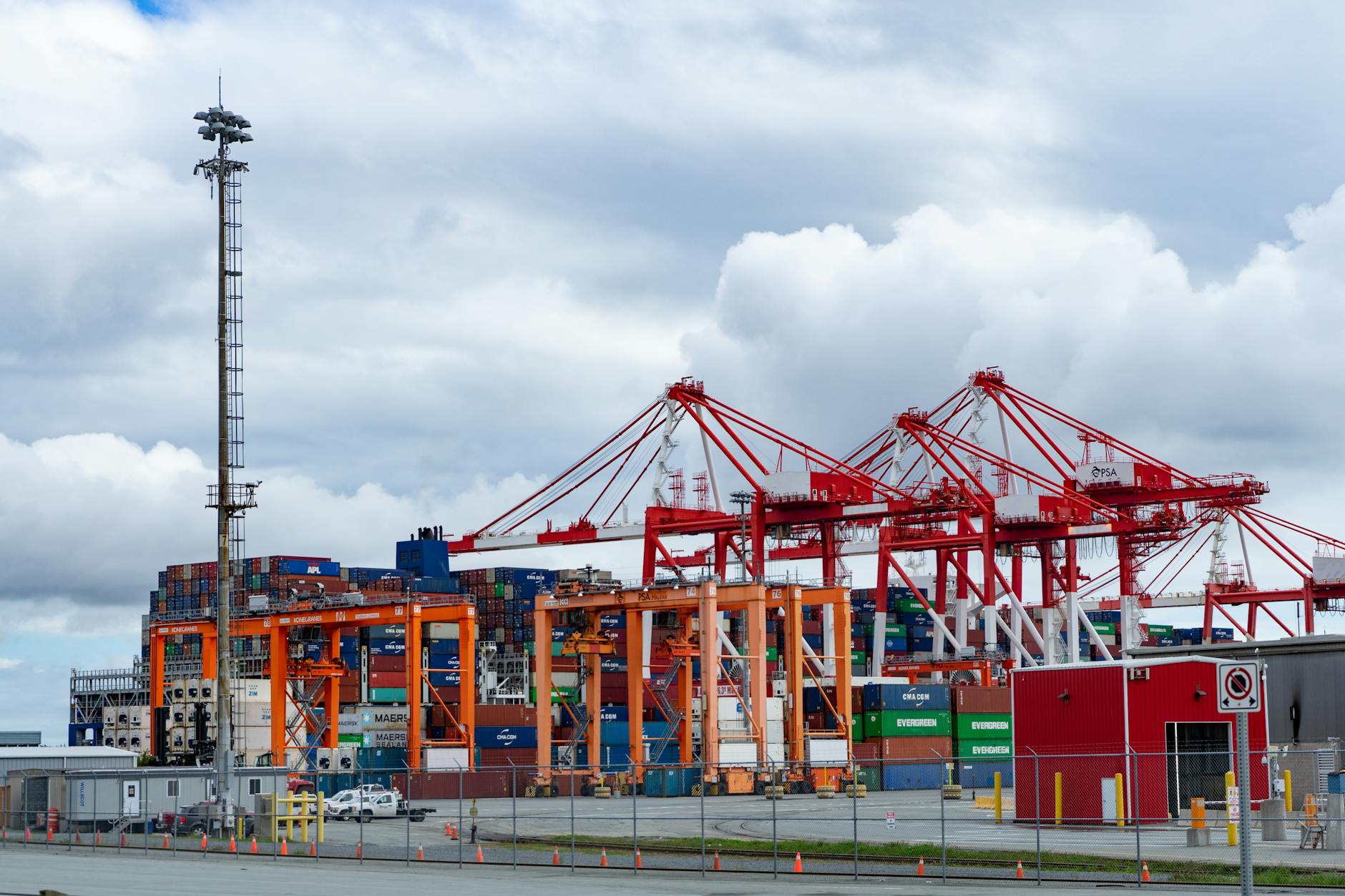
Maersk, the world’s second-largest container shipping line, paused all Trans-Suez sailings as of March 1, 2026, and rerouted its ME11 and MECL services via the Cape of Good Hope. The ME11 service, which connects the Middle East and India to the Mediterranean and is operated jointly with Hapag-Lloyd under the Gemini Cooperation, was rerouted for three westbound and four eastbound voyages. The MECL service connecting the Middle East to the US East Coast was rerouted for three eastbound and three westbound voyages. MSC, Hapag-Lloyd, and CMA CGM have all suspended or sharply reduced Gulf of Oman transits and are routing via the Cape of Good Hope as well. The tradeoff carriers face is stark. Cape of Good Hope routing keeps crews and cargo safe from military conflict, but it consumes more fuel, ties up vessels for longer periods, and reduces the effective capacity of the global fleet without a single ship being removed from service.
A vessel that makes six Asia-Europe round trips per year via Suez might manage only four or five via the Cape. Multiply that across hundreds of ships and you get a meaningful reduction in available capacity even though the fleet size has not changed. This is why freight rates have risen and why carriers are deploying every available vessel to maintain service frequency. The industry consensus is that Cape of Good Hope routing will persist through at least Q4 2026, with no meaningful Red Sea re-entry expected before early 2027. Carriers are planning their networks around this assumption. Any shipper or logistics manager counting on a quicker return to normal is likely to be disappointed. The prudent approach is to plan as if Cape routing is the default for the next 12 months and treat any earlier reopening as a bonus rather than a baseline expectation.
The Congestion Shockwave When Ships Eventually Return to Suez
Here is a scenario that few people are discussing but that logistics professionals should be deeply worried about: the day ships start returning to the Suez route will itself trigger a new wave of port congestion. When carriers begin shifting vessels back to Suez transit, there will be a period where ships arriving via Suez and ships still in transit via the Cape of Good Hope converge on European ports simultaneously. According to analysis from ING, this overlap would cause massive port congestion lasting two to three weeks in Europe. But the disruption does not end there. A secondary shockwave would hit Asian ports eight to nine weeks after the European surge, as containers get stuck in congested European ports and Asian ports face equipment shortages — particularly empty containers that are stranded on the wrong side of the world.
This is the same type of container imbalance that plagued global trade during the 2021-2022 pandemic shipping crisis, and it took months to resolve last time. The warning for supply chain managers is clear: even good news — the reopening of the Red Sea or the Strait of Hormuz — will come with significant short-term pain. The energy dimension adds another layer of risk. With the Strait of Hormuz disruption affecting approximately 20% of the world’s daily oil supply, any resolution or escalation of the Iran situation will send shockwaves through energy markets that ripple into shipping costs. Bunker fuel prices are directly tied to crude oil markets, and carriers will pass higher fuel costs through to shippers via surcharges. If Hormuz reopens, oil prices may drop, but the shipping congestion from returning vessels could paradoxically keep freight rates elevated for weeks afterward.
Weather and Labor Disruptions Are Making It Worse
The routing crisis is not unfolding in isolation. Heavy winter storms across Europe and the UK have further compounded port throughput slowdowns, creating additional delays on top of those caused by vessel bunching. When a port is already running at or near capacity because of irregular vessel arrivals, even a single day of weather-related closure can create a backlog that takes a week to clear. Labor disruptions are piling on as well.
📨 Get Free Accountability Coverage Alerts
Free · No spam · Unsubscribe anytime
Antwerp, already dealing with a 1.95-day average vessel waiting time, faces severe disruption from Belgian pilot strikes and nationwide work stoppages. Pilots are essential for guiding large vessels into and out of port — without them, ships simply cannot move. A port can have open berths and idle cranes, but if there are no pilots available, the entire operation stops. For shippers with cargo bound for or transiting through Antwerp, contingency plans that include alternative routing through nearby ports like Zeebrugge or Rotterdam should already be in place, though those ports have their own congestion challenges.
What Comes Next for Global Shipping in 2026 and Beyond
The outlook for the remainder of 2026 is grim. With Cape of Good Hope routing expected to persist through at least Q4 2026 and roughly 170 containerships and 280 bulk carriers trapped in the Persian Gulf, the global fleet is operating with reduced effective capacity at a time when demand has not meaningfully declined. Ports in Europe and Asia will continue to face congestion, delays, and the cascading inefficiencies that come with unpredictable vessel schedules. The longer-term question is whether this dual chokepoint crisis accelerates structural changes in global shipping.
There is growing discussion about nearshoring and friendshoring supply chains to reduce dependence on maritime routes that pass through geopolitically volatile regions. Whether those conversations translate into actual supply chain restructuring remains to be seen — companies have talked about diversification after every crisis, and most have ultimately reverted to the cheapest available option. But a crisis that simultaneously shuts two of the world’s most important maritime chokepoints for months on end may prove to be the tipping point that actually changes behavior. For now, the practical reality is that goods will take longer to arrive, cost more to ship, and face less predictable delivery windows than at any point since the pandemic-era shipping crisis.
Conclusion
The convergence of the Red Sea closure and the Strait of Hormuz shutdown has created the most severe disruption to global maritime shipping since World War II. Ships rerouting around the Cape of Good Hope are adding 10 to 14 days to transit times, consuming 30% more fuel, and arriving at ports in unpredictable clusters that overwhelm terminal capacity. European ports like Hamburg are seeing berthing delays of up to 10 days, Indian ports are projecting arrival delays approaching 49 days, and the effective capacity of the global container fleet has shrunk even though no ships have been decommissioned. With ocean freight diversions up 360% and the industry planning for Cape routing through at least Q4 2026, there is no quick fix on the horizon.
Consumers, businesses, and policymakers should prepare for sustained higher shipping costs, longer delivery times, and periodic shortages of goods that depend on Asia-Europe or Middle East trade lanes. Supply chain managers should build significant buffer time into delivery schedules, consider holding higher safety stock levels, and have contingency plans for alternative sourcing. When the chokepoints eventually reopen, the transition back to normal routing will itself cause weeks of additional congestion. This is a crisis measured in quarters, not weeks, and the sooner that reality is internalized, the better prepared everyone will be.
Frequently Asked Questions
How long will ships continue rerouting around the Cape of Good Hope?
The baseline industry scenario projects sustained Cape of Good Hope routing through at least Q4 2026, with no meaningful return to Red Sea transit expected before early 2027. The Strait of Hormuz timeline depends entirely on the geopolitical situation with Iran.
How much longer does the Cape of Good Hope route take compared to the Suez Canal?
Rerouting via the Cape of Good Hope adds approximately 10 to 14 days of transit time to Asia-Europe voyages and increases fuel consumption by roughly 30% compared to the Suez Canal route.
How many ships are trapped in the Persian Gulf?
Approximately 170 containerships with a combined capacity of about 450,000 TEU are trapped inside the Persian Gulf, unable to exit through the Strait of Hormuz. An estimated 280 bulk carriers are also stranded or stuck inside the Gulf.
Will shipping costs go up for consumers?
Yes. Longer routes mean higher fuel consumption, reduced effective fleet capacity, and port congestion surcharges. These costs are passed through the supply chain and ultimately affect consumer prices, particularly for goods that depend on Asia-Europe or Middle East trade routes.
What happens to port congestion when ships return to the Suez route?
Paradoxically, the reopening of the Suez route will trigger a new wave of congestion. Ships arriving via Suez and ships still in transit via the Cape will converge on European ports simultaneously, causing an estimated two to three weeks of massive congestion in Europe, followed by a secondary shockwave in Asian ports eight to nine weeks later.
Which ports are experiencing the worst delays?
In Europe, Hamburg is seeing berthing delays of up to 10 days. In Asia, Mundra in India faces projected arrival delays of 49 days, and departure delays at Navi Mumbai are rising 118%. Manila and Singapore are also experiencing significant waiting times.
You Might Also Like
- Bond Markets Are Signaling That Investors Expect This Conflict to Get Worse Before It Gets Better
- The Belt and Road Initiative’s Central Asian Route Runs Through Iranian Territory
- Central Asian Countries Including Turkmenistan Share Borders With Iran