Homeowner Transforms Yard Into Rotating Political Message Board

A homeowner in a suburban neighborhood has constructed a rotating billboard-style structure in their front yard that displays changing political messages,…

Following the record: lawsuits, executive orders and the money, sourced to the filing.
The full list as signed, with dates - the primary record rather than the coverage of it.
Time remaining to noon on 20 January 2029, the moment fixed by the 20th Amendment, plus debt and key dates.
Every case we track, and what a court has actually decided in each - filed, certified, settled or judged.
Claims we have checked, with the primary source for each one.

Every report here starts from a primary record - the docket, the filing, the Federal Register notice, the agency release. Where a matter is contested we say who contests it. A complaint asserts and a court finds, and we do not blur the two.

The executive-order tracker lists what was signed and when. The second-term clock runs to noon on 20 January 2029, the moment fixed by the 20th Amendment. Our lawsuits desk follows the class actions and settlements tied to the administration, from the complaint through to the court's ruling.
A homeowner in a suburban neighborhood has constructed a rotating billboard-style structure in their front yard that displays changing political messages,…

Front lawns have become unexpected battlegrounds for political expression in America, with homeowners increasingly using their properties to display…
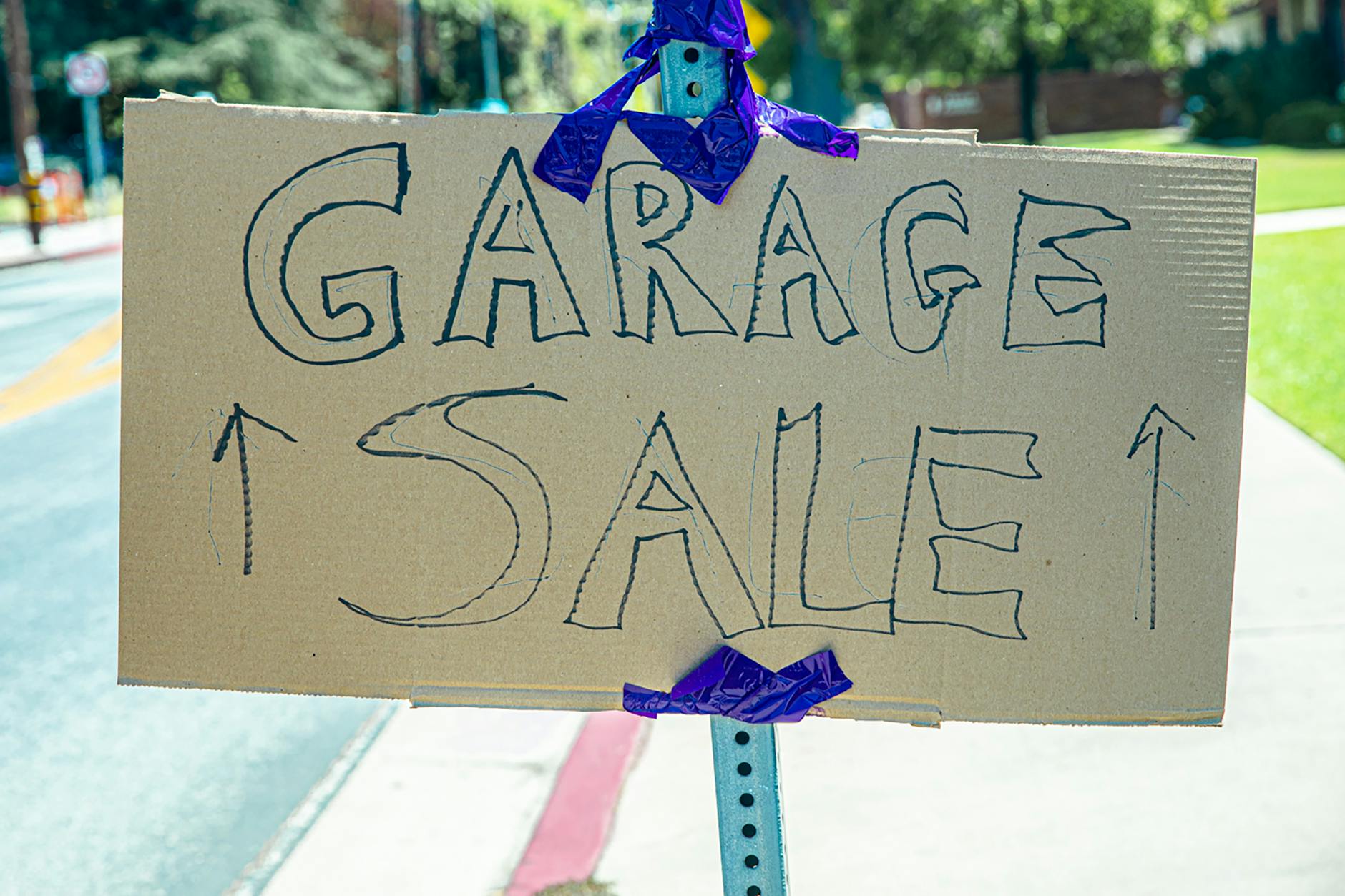
Political yard signs have become a flashpoint in American neighborhoods, capable of transforming quiet residential streets into visible battlegrounds of…

Political lawn signs have triggered a surprising legal battleground in cities and towns across the country, with municipal code enforcement officials…
When neighbors complained about anti-Trump protest signs displayed in a Cape Coral, Florida homeowner’s yard, it triggered a cascade of code enforcement…

When a homeowner’s property becomes a dense forest of campaign signs, local governments have the legal authority to step in.

When a homeowner decides to display anti-Trump signage on their property, they’re exercising a constitutional right—but that right often comes with…

When a Florida homeowner erected a series of political yard signs supporting Donald Trump in their quiet residential neighborhood, what began as a simple…

A Cape Coral homeowner faced $2,000 in code enforcement citations in May 2026 after neighbors complained about anti-Trump political signs displayed in the…
A Florida homeowner’s large Trump campaign sign triggered a municipal code enforcement battle that raises fundamental questions about selective…
We cover the Trump administration because that is the beat, and we report what documents say rather than what either side says about them. Where a claim is contested we name who contests it and link both records.
Primary sources: court dockets and filings, the Federal Register, agency press releases and rulemaking notices, SEC filings, state Attorney General announcements and inspector-general reports. Each report links the document it is built on.
No. We report what a settlement covers and link the official claims administrator, which is the only place that can answer eligibility. We are not lawyers and nothing here is legal advice.
The executive-order tracker lists orders as signed, by date. The second-term clock counts to noon Eastern on 20 January 2029, the moment fixed by the 20th Amendment. Both run in your browser from published figures, with the sources set out on each page.
The site may carry contextual advertising, which never determines what is covered or how. We do not accept payment to feature a case, a firm or a claim, and we do not publish sponsored reports.