Gas Prices Today: Iran, Oil Markets, and What It Means for Drivers

Iran conflict pushes gas prices up 55 percent from pre-war baseline while Strait of Hormuz remains a critical chokepoint for global oil supplies.

Following the record: lawsuits, executive orders and the money, sourced to the filing.
The full list as signed, with dates - the primary record rather than the coverage of it.
Time remaining to noon on 20 January 2029, the moment fixed by the 20th Amendment, plus debt and key dates.
Every case we track, and what a court has actually decided in each - filed, certified, settled or judged.
Claims we have checked, with the primary source for each one.

Every report here starts from a primary record - the docket, the filing, the Federal Register notice, the agency release. Where a matter is contested we say who contests it. A complaint asserts and a court finds, and we do not blur the two.

The executive-order tracker lists what was signed and when. The second-term clock runs to noon on 20 January 2029, the moment fixed by the 20th Amendment. Our lawsuits desk follows the class actions and settlements tied to the administration, from the complaint through to the court's ruling.
Iran conflict pushes gas prices up 55 percent from pre-war baseline while Strait of Hormuz remains a critical chokepoint for global oil supplies.

May 2026 saw gas prices spike to $4.56 per gallon, but the trajectory shifted by month’s end as geopolitical tensions over the Strait of Hormuz fueled the surge.

California drivers pay $5.89–$5.98 per gallon while Indiana fills up for $3.41–$3.55—a $2.38–$2.57 spread driven by refinery capacity, state taxes, and fuel regulations.
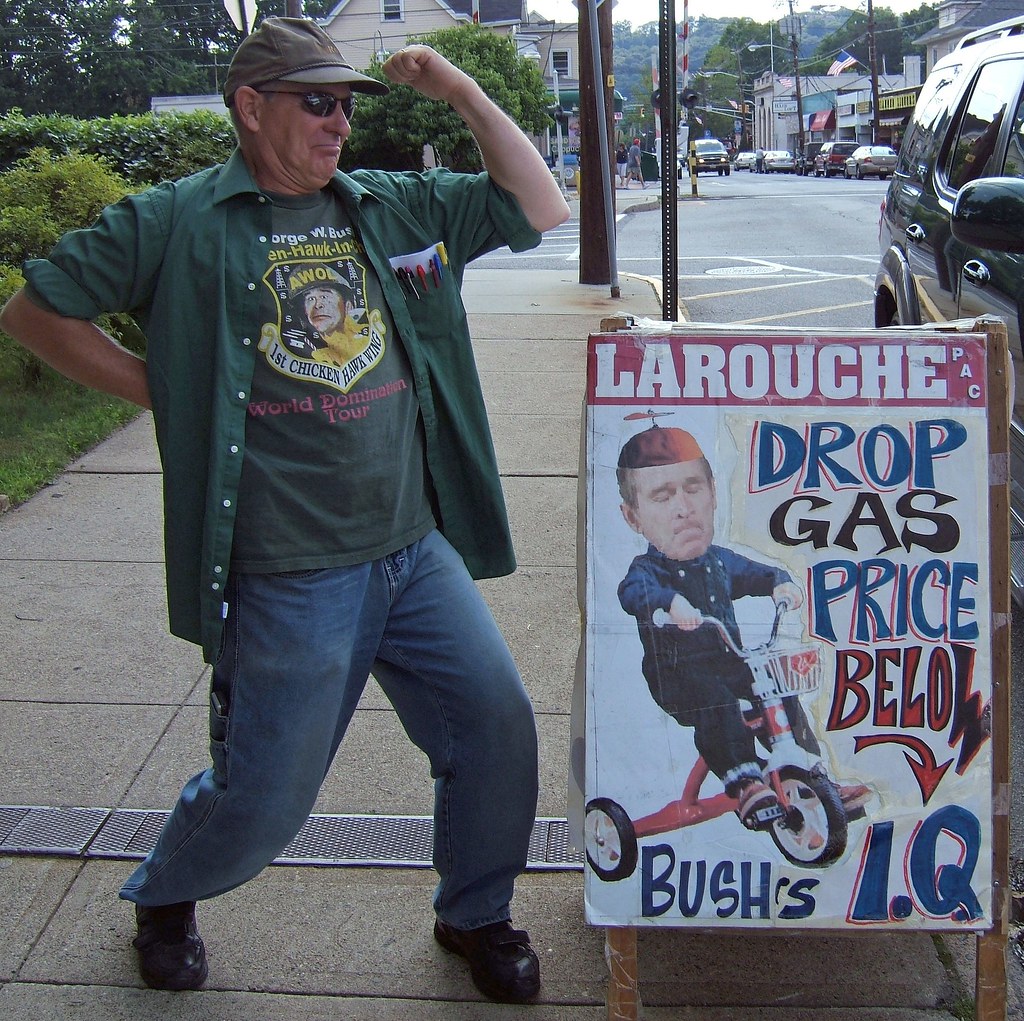
National gas prices peaked at $4.56 per gallon on Memorial Day 2026, while a $2.60 state-to-state gap created a two-tiered fuel economy.

Drivers in California are paying the most for gasoline in America right now, with a state average of $5.98 per gallon as of June 4, 2026 — nearly $2.
If you’re checking gas prices near you in late May 2026, here’s the short answer: you’re paying a lot more than you did a year ago, but slightly less than…
As of June 2026, New York City drivers are paying an average of $4.45 to $4.51 per gallon for gasoline—about $0.30 more than the national average of $4.

New York gas prices dropped 8 cents per gallon this past week, falling to $4.45 for regular unleaded as of June 9, 2026—offering modest relief at pumps…

Yes, New York drivers are paying significantly more for gasoline than the rest of the country. As of early June 2026, the average gas price in New York…
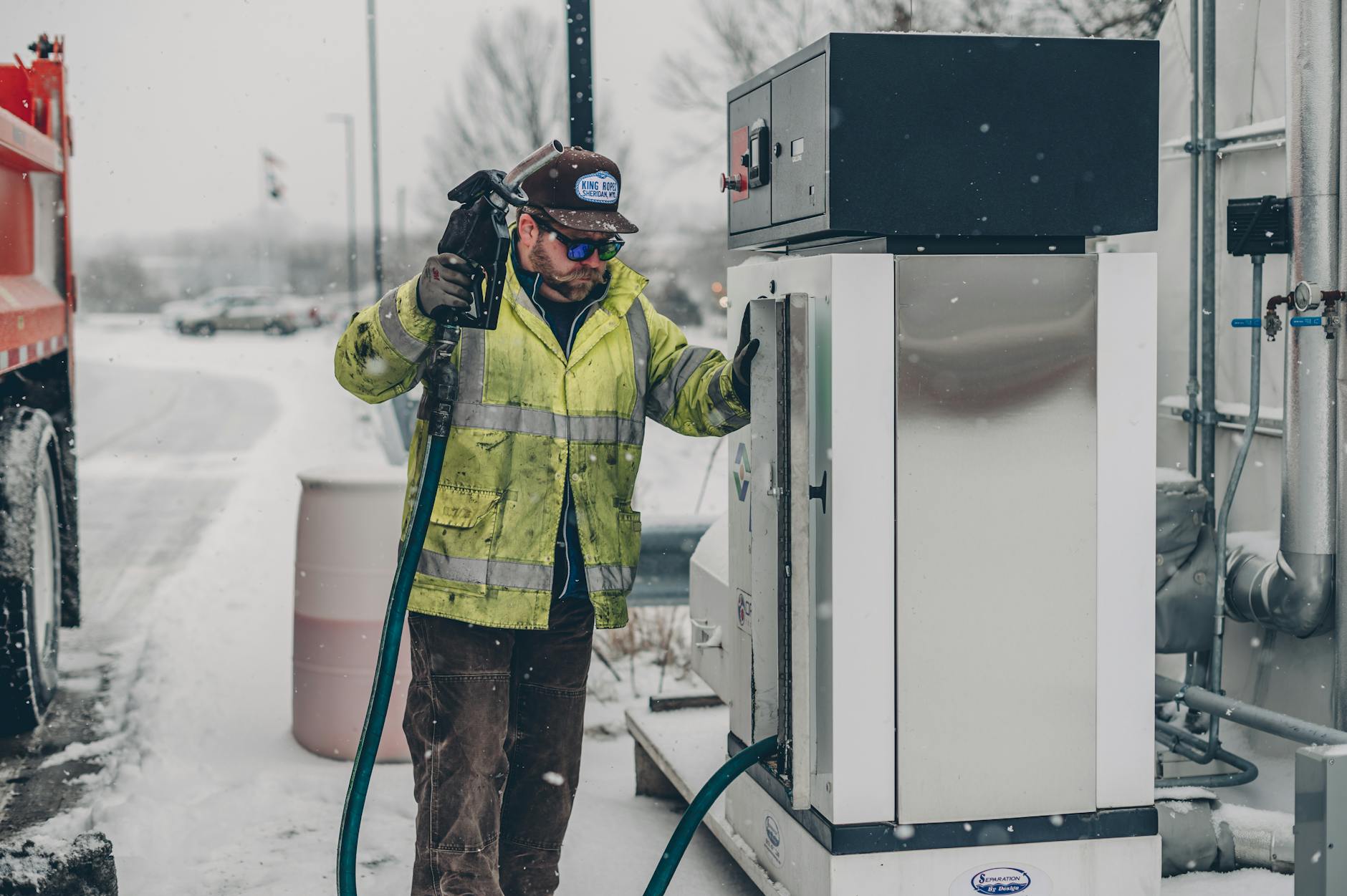
On May 9, 2026, regular gasoline in New York averaged $4.399 per gallon, putting the state 2.1 cents above the national average of $4.378 per gallon.
We cover the Trump administration because that is the beat, and we report what documents say rather than what either side says about them. Where a claim is contested we name who contests it and link both records.
Primary sources: court dockets and filings, the Federal Register, agency press releases and rulemaking notices, SEC filings, state Attorney General announcements and inspector-general reports. Each report links the document it is built on.
No. We report what a settlement covers and link the official claims administrator, which is the only place that can answer eligibility. We are not lawyers and nothing here is legal advice.
The executive-order tracker lists orders as signed, by date. The second-term clock counts to noon Eastern on 20 January 2029, the moment fixed by the 20th Amendment. Both run in your browser from published figures, with the sources set out on each page.
The site may carry contextual advertising, which never determines what is covered or how. We do not accept payment to feature a case, a firm or a claim, and we do not publish sponsored reports.