Trump White House Ballroom Preliminary Injunction: What the Law Actually Requires

Learn why express congressional authority—not general White House improvement power—controls the ballroom dispute.

Following the record: lawsuits, executive orders and the money, sourced to the filing.
The full list as signed, with dates - the primary record rather than the coverage of it.
Time remaining to noon on 20 January 2029, the moment fixed by the 20th Amendment, plus debt and key dates.
Every case we track, and what a court has actually decided in each - filed, certified, settled or judged.
Claims we have checked, with the primary source for each one.

Every report here starts from a primary record - the docket, the filing, the Federal Register notice, the agency release. Where a matter is contested we say who contests it. A complaint asserts and a court finds, and we do not blur the two.

The executive-order tracker lists what was signed and when. The second-term clock runs to noon on 20 January 2029, the moment fixed by the 20th Amendment. Our lawsuits desk follows the class actions and settlements tied to the administration, from the complaint through to the court's ruling.
Learn why express congressional authority—not general White House improvement power—controls the ballroom dispute.

Distinguish Trump’s vaccine order, stayed ACIP actions, and the CDC schedule currently identified as operative.
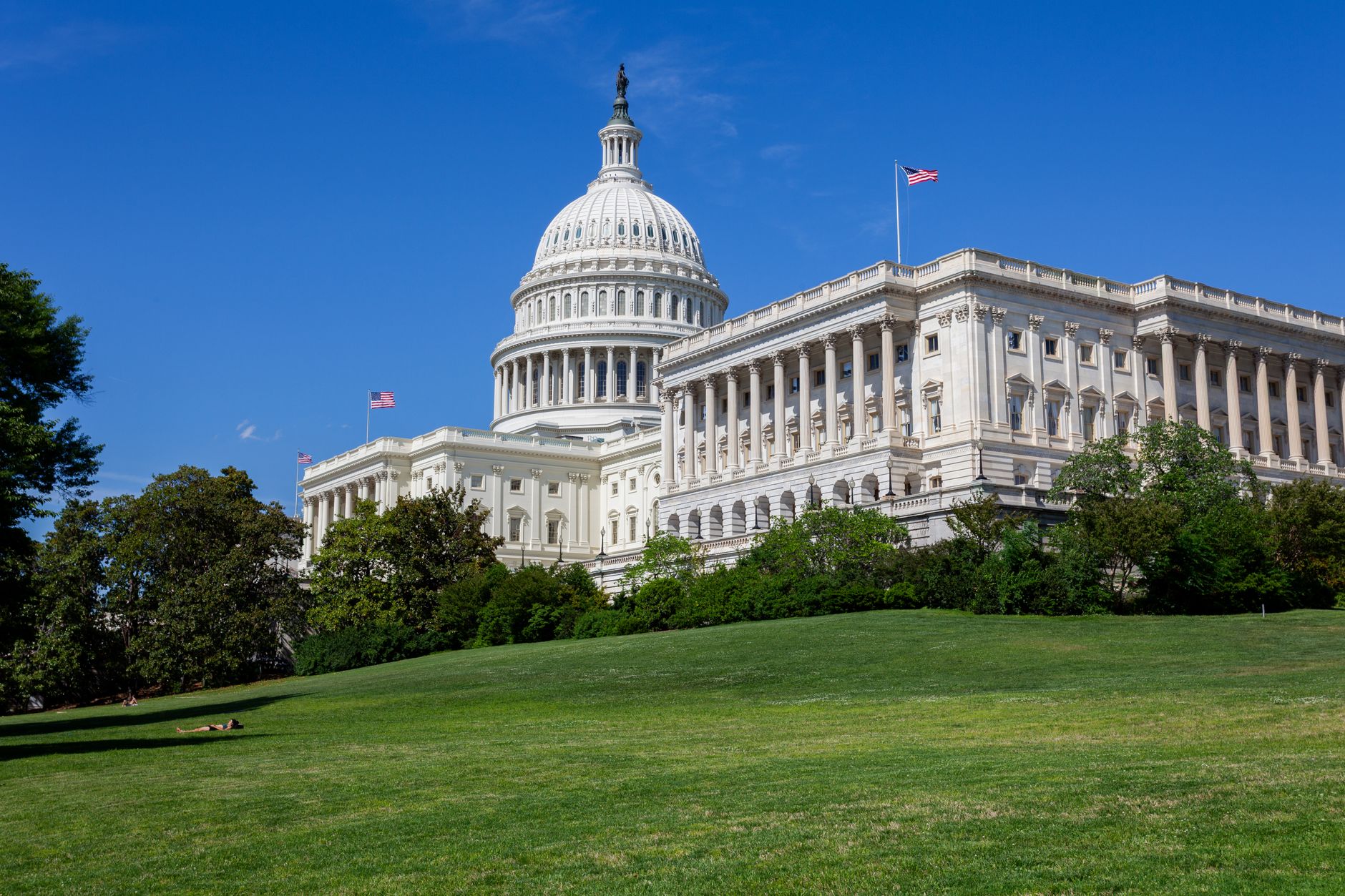
Follow the disputed War Powers clock, congressional votes, and the actions that could limit or authorize further Iran strikes.

A case-by-case checklist explains which figures are damages, accrued interest, and security for delay.
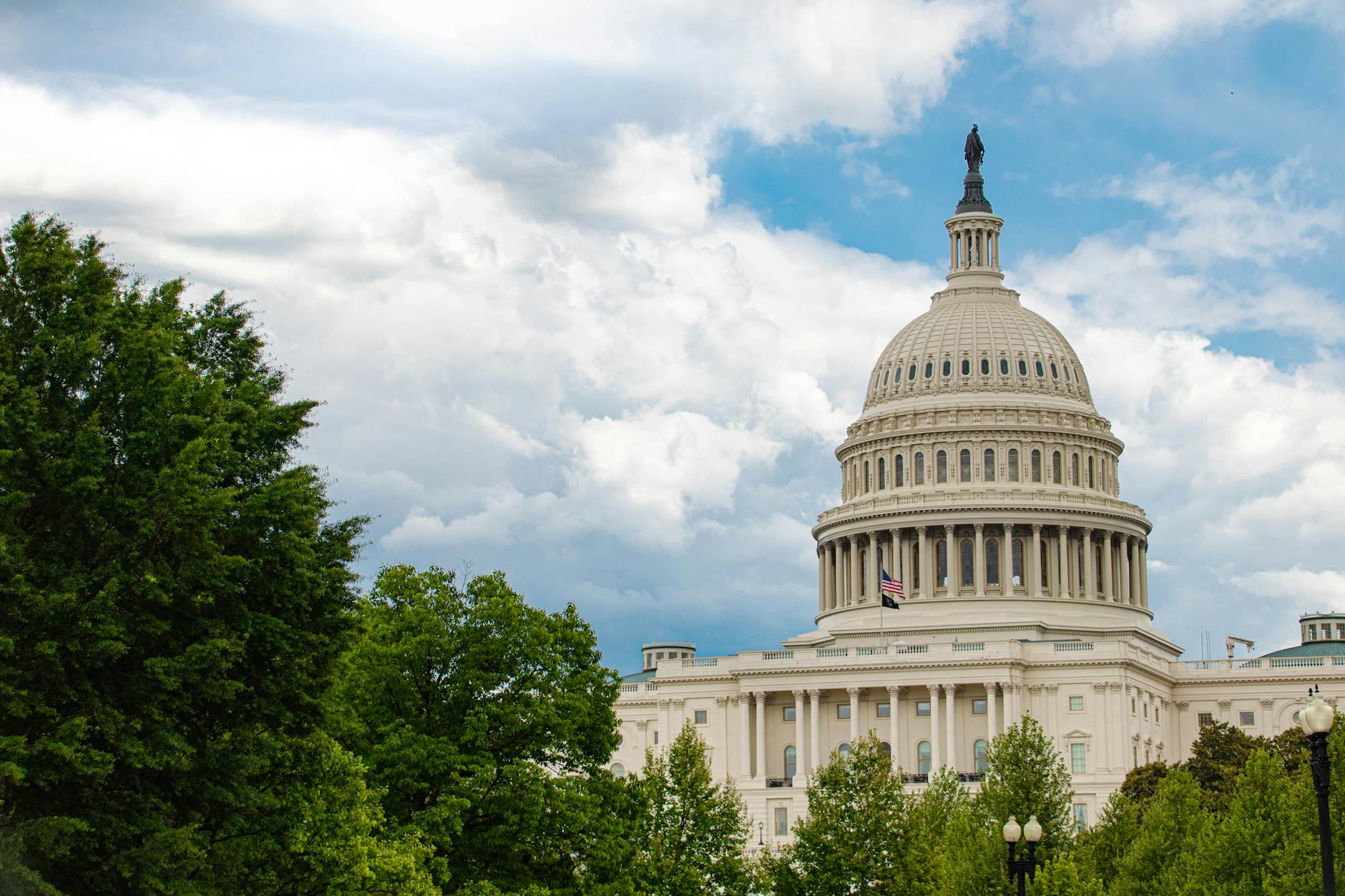
See why Congress’s inaction does not settle whether Qatar’s 747 was a government gift or a benefit requiring consent.
Learn how completeness, lawful redactions, victim safeguards, and unverified claims shape trust in the Epstein release.

A practical guide to release notice, CVRA enforcement, commutations, civil claims, and the limits of court review.
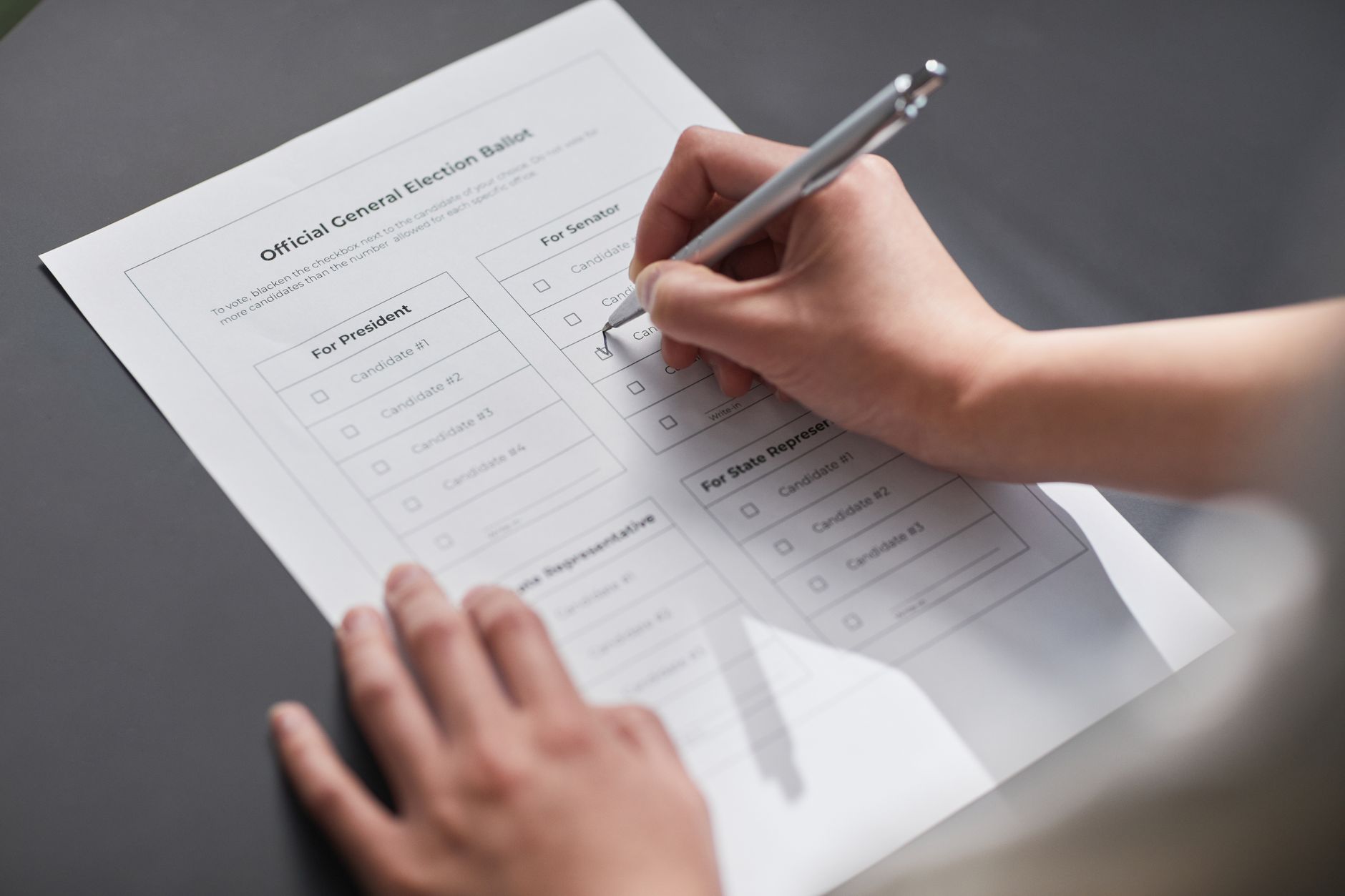
Follow the proclamation, DOJ motions, appellate vacatur, and final order that ended eight Oath Keepers cases.

See why the appeal did not restore Trump’s name and which court or congressional action could change the result.

A guide to what the Supreme Court can decide now, which work is paused, and why Congress remains central.
We cover the Trump administration because that is the beat, and we report what documents say rather than what either side says about them. Where a claim is contested we name who contests it and link both records.
Primary sources: court dockets and filings, the Federal Register, agency press releases and rulemaking notices, SEC filings, state Attorney General announcements and inspector-general reports. Each report links the document it is built on.
No. We report what a settlement covers and link the official claims administrator, which is the only place that can answer eligibility. We are not lawyers and nothing here is legal advice.
The executive-order tracker lists orders as signed, by date. The second-term clock counts to noon Eastern on 20 January 2029, the moment fixed by the 20th Amendment. Both run in your browser from published figures, with the sources set out on each page.
The site may carry contextual advertising, which never determines what is covered or how. We do not accept payment to feature a case, a firm or a claim, and we do not publish sponsored reports.