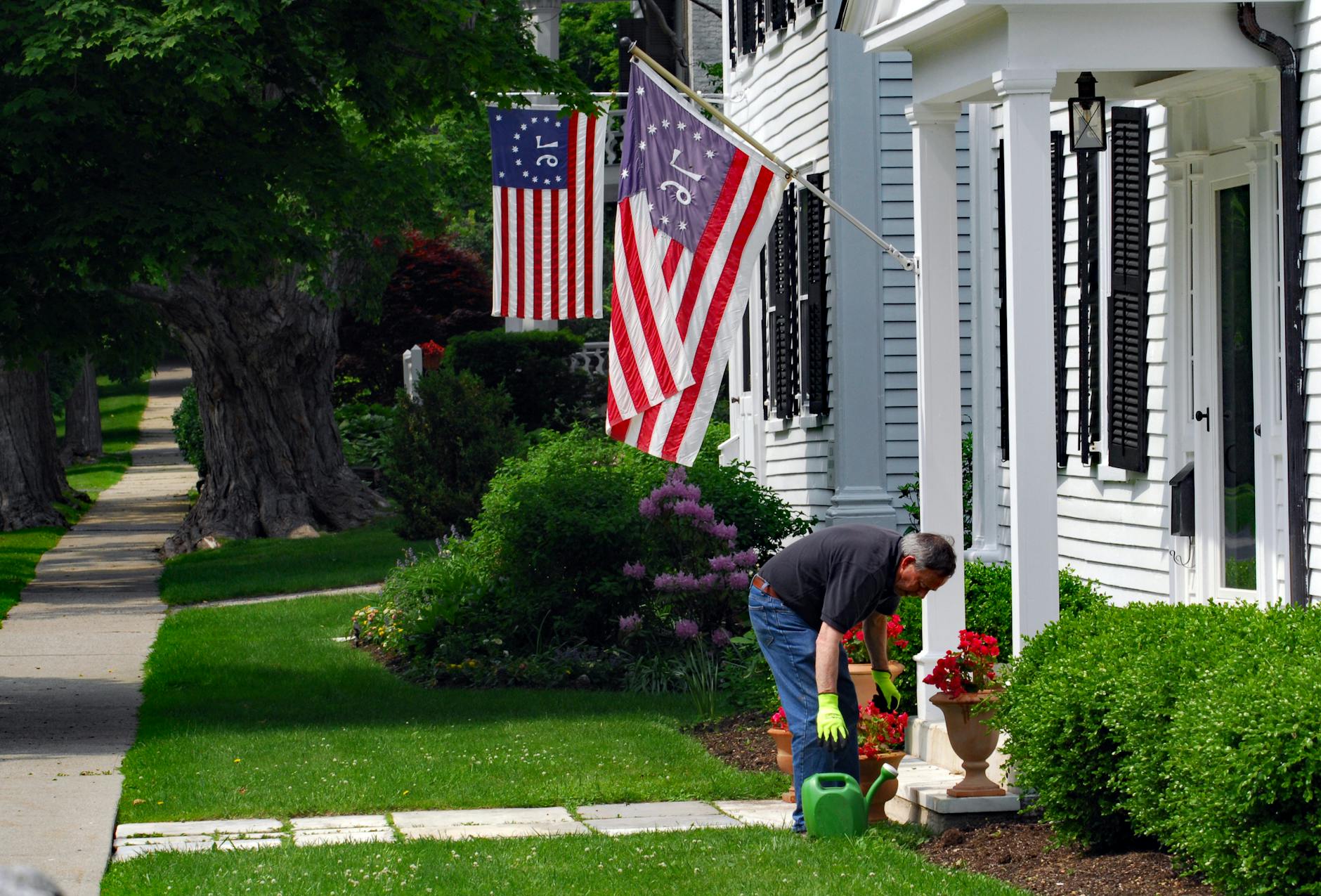
Kerry Sheron, a 69-year-old Army veteran known throughout his Escondido, California neighborhood for his prominent patriotic Trump displays, died on May 24, 2026—four days after being beaten in his front yard. The attack occurred on May 20, when Thomas Caleb Butler, a 32-year-old former Navy service member, allegedly punched Sheron once in the jaw with such force that it triggered a cascade of additional head strikes while the victim lay vulnerable near his yard display. According to security footage reviewed by multiple news outlets, the assault was brief but devastating: a single, powerful blow followed by further impacts that left Sheron with injuries severe enough to be fatal within days.
The death raises critical questions about political polarization, personal safety, and the line between protected expression and the violence it sometimes provokes. Sheron’s family believed the attack was directly motivated by the Trump-related decorations on the home—flags, signage, and other patriotic displays that had made the property distinctive in the community. While authorities have not officially confirmed motive, they charged Butler with attempted murder, elder abuse, criminal threats, and battery, treating the incident as a serious violent crime rather than a spontaneous confrontation.
Table of Contents
- What Led to the Fatal Attack on a Trump Supporter’s Home?
- Timeline and Medical Deterioration After the Beating
- The Suspect and His Background
- Charges Filed and Legal Response
- Political Violence and Safety Concerns for Political Expression
- The Role of Home Displays and Community Response
- Forward-Looking Implications for Political Speech and Public Safety
- Conclusion
What Led to the Fatal Attack on a Trump Supporter’s Home?
The sequence of events on May 20, 2026, began with a single escalation. Kerry Sheron was in his front yard, near the patriotic displays that had defined his home‘s appearance for months, when Thomas Caleb Butler approached. What triggered the encounter remains unclear from official statements, but security video evidence captured the critical moment: a single punch delivered with enough force to fracture Sheron’s jaw and cause severe head trauma. The blow was not the end of the assault. Additional strikes followed, continuing the violence even as Sheron was no longer in a position to defend himself effectively.
The geographic context matters. Escondido is a diverse city in San Diego County where political views span the spectrum, yet clusters of similar expression exist throughout neighborhoods. trump supporters and opponents live in proximity in many California communities, and confrontations—while statistically rare—carry higher stakes than simple disagreements over policy. Sheron’s home had become visually distinctive, a statement of political affiliation that he chose to display prominently. This visibility, whether coincidental or causal to the attack, distinguished his property and potentially drew attention from those who found his message objectionable.

Timeline and Medical Deterioration After the Beating
The injury from the May 20 attack did not immediately appear fatal. Sheron survived four days after the assault, but medical complications developed. The initial punch fractured his jaw; the follow-up strikes caused additional trauma to his head and brain. By May 24, four days of deterioration culminated in death. This timeline is critical: the attack did not kill Sheron instantly, but rather set off a chain of medical consequences that proved unsurvivable.
For four days, he was hospitalized or receiving medical care, aware of his condition as his body failed. One important limitation in public reporting: the specific medical cause of death—whether intracranial bleeding, infection, organ failure, or another complication—has not been fully detailed in mainstream news coverage. Understanding exactly how the injuries proved fatal requires medical expertise and access to autopsy or hospital records not yet released publicly. This gap underscores how incomplete initial reporting can be, and why definitive assessments of causality sometimes take time. What is certain is that authorities, prosecutors, and Sheron’s family all treat the death as a direct consequence of the physical assault.
The Suspect and His Background
Thomas Caleb Butler, 32, held an important similarity to his victim: both were veterans with military service. Butler had served in the Navy, though his discharge status and service record details have not been fully disclosed in public reporting. This shared veteran status is notable because it positions the attack not as a conflict between a civilian and a service member, but between two individuals who had both chosen to serve in the armed forces. Whether Butler’s military background influenced his actions, or whether mental health, substance use, or other factors played a role, authorities have not publicly confirmed.
The lack of detailed information about Butler’s motive or mental state is a significant limitation in understanding the case. Unlike cases where perpetrators have left written manifestos or made public statements about their actions, Butler’s alleged motivations remain largely inferred from circumstantial evidence—the victim’s political displays, the nature of the attack, and statements from Sheron’s family. This leaves open questions about whether the attack was premeditated, whether it was a spontaneous eruption of rage, or whether mental illness or other factors compromised Butler’s judgment. Public speculation on these points is unavoidable but necessarily incomplete without more information.

Charges Filed and Legal Response
Prosecutors charged Thomas Caleb Butler with attempted murder, elder abuse, criminal threats, and battery. These charges reflect the severity with which authorities treated the assault. Attempted murder charges indicate that prosecutors believed Butler’s actions were intended to cause death or showed depraved heart indifference to whether death occurred. Elder abuse charges specifically recognize Sheron’s age and vulnerability as aggravating factors. Criminal threats charges suggest that threats may have been made during or around the incident.
Battery charges are the foundational violent offense underlying the more serious charges. The distinction between attempted murder and other violent charges matters significantly. If convicted of attempted murder, Butler could face a lengthy prison sentence. If the charge is reduced or dismissed, conviction on elder abuse and battery alone would still result in substantial penalties, but the trajectory is quite different. This distinction will likely be central to any plea negotiations or trial proceedings. Additionally, bail, bond, or release status determinations will hinge on whether he is held pending trial or released with conditions—decisions that will be influenced by the seriousness of the charges and any prior criminal history.
📨 Get Free Accountability Coverage Alerts
Free · No spam · Unsubscribe anytime
Political Violence and Safety Concerns for Political Expression
The death of Kerry Sheron contributes to a broader pattern of concern about political violence in the United States. While homicides and serious assaults motivated by political disagreement remain statistically uncommon compared to other forms of violence, high-profile incidents create a chilling effect on open political expression. Some people become afraid to display political signs, attend rallies, or openly advocate for candidates or causes because of fear of retaliation. Others become more vocal and defiant, viewing any restriction on their expression as capitulation to intimidation.
A critical warning: the vast majority of Trump supporters display their political preferences peacefully and never experience violence, just as the vast majority of Trump opponents express their opposition without resorting to assault. Characterizing entire political movements based on the actions of individuals like Butler would be both inaccurate and counterproductive. However, that statistical reality does not diminish the legitimate concern of individuals who worry about their personal safety when they make their political views known. The attack on Sheron illustrates that political polarization, when it escalates into physical violence, has real consequences including death. This reality exists independently of how common or rare such incidents may be.
The Role of Home Displays and Community Response
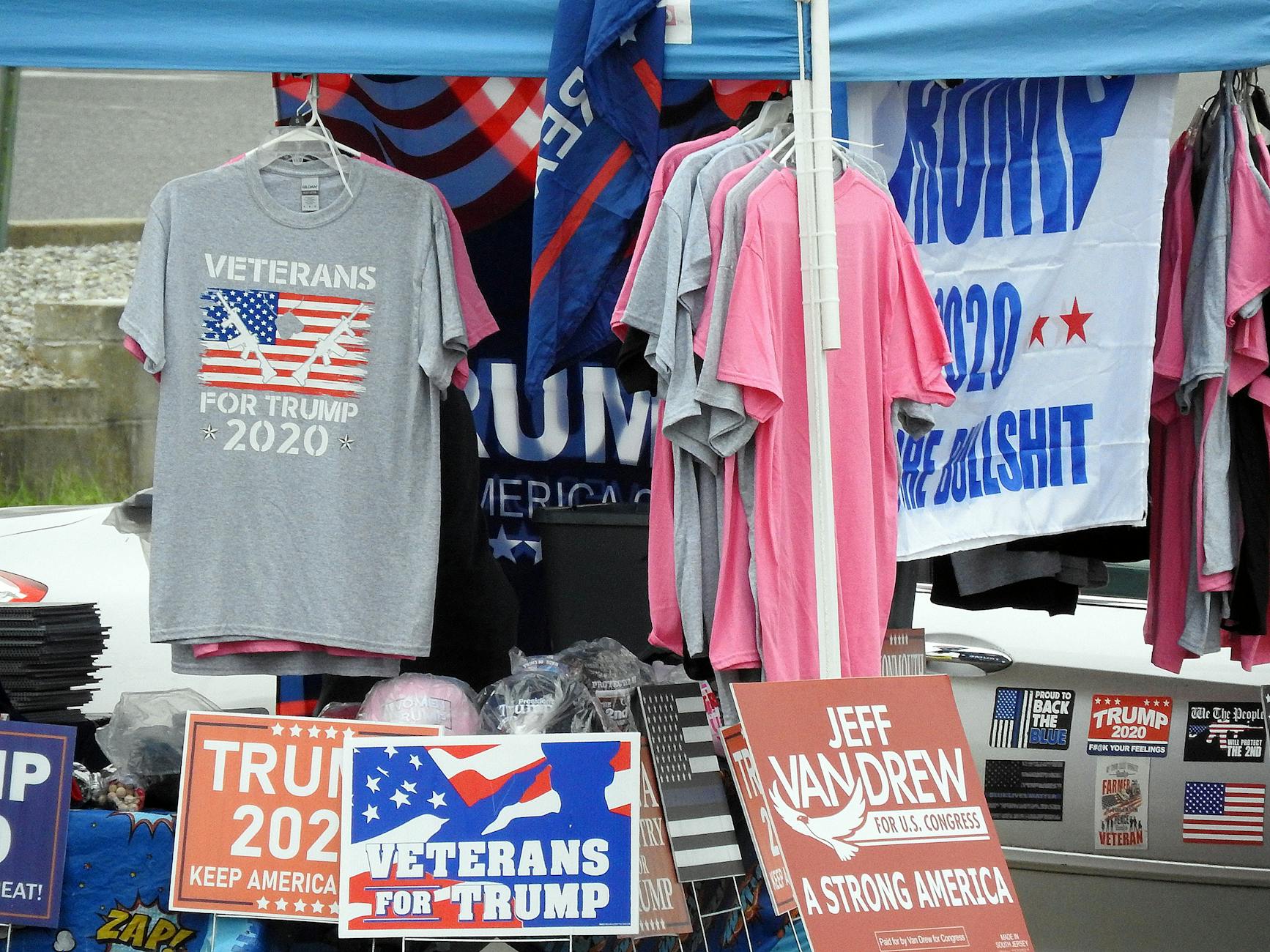
Kerry Sheron’s Trump displays had become a fixture of his property and his community identity. Neighbors knew him as the Trump house owner. This visibility meant that his political affiliation was not something he kept private; it was public, literally displayed on his property. The question of whether this made him a target is partially answered by the apparent motive of the attack, though authorities have not definitively confirmed that the decorations triggered Butler’s violence. Sheron’s family, however, believed the connection was clear.
Community response to such incidents varies widely. Some communities rally around the victim as a symbol of free speech under attack. Others view the victim’s prominent displays as themselves provocative and divisive, leading to complicated or muted responses. In Escondido, as in many diverse communities, the death of Sheron likely prompted reflection on whether coexistence requires some degree of restraint in political expression, or whether full free expression includes the right to make one’s political affiliation visually dominant on one’s own property. These are genuine tensions without simple resolutions.
Forward-Looking Implications for Political Speech and Public Safety
The Sheron case will likely become a reference point in ongoing debates about free speech, political civility, and the responsibilities of both speakers and those who disagree with them. Legal advocates will cite it in discussions of when political speech requires special protection, and when speech becomes a targeting mechanism. Mental health advocates may cite it as evidence of the need for better services and crisis intervention.
Law enforcement will examine it for patterns in how political motivation in violence is identified and investigated. Going forward, incidents like this one raise difficult questions that each community and individual must grapple with. How do we protect free political expression while also ensuring personal safety? How do we hold people accountable for violence while avoiding collective blame for entire political movements? How do we acknowledge that political polarization has real consequences without becoming paralyzed by fear? These questions will continue to surface as long as political disagreement in America remains intense and, occasionally, tragic.
Conclusion
Kerry Sheron’s death on May 24, 2026, stands as a reminder that political violence, while statistically rare, has real human consequences. A 69-year-old veteran’s life ended because of a brutal assault allegedly motivated by his patriotic political displays. Thomas Caleb Butler faces serious criminal charges, and the legal system will determine his culpability and consequences. Beyond the individual case, however, Sheron’s death contributes to a larger national conversation about how Americans with sharply different political views can coexist, express themselves, and remain safe.
The incident does not resolve the tensions between free expression and personal safety, between political engagement and the risk of violent reaction. Instead, it illustrates those tensions acutely. Moving forward, communities, law enforcement, and individuals must reckon with the reality that political speech carries real stakes when polarization reaches the point of violence. Sheron’s death deserves to be remembered not as a reason to silence political expression, but as a tragedy that demands serious reflection on how we can maintain both freedom and safety in an increasingly divided nation.
You Might Also Like
- Man Behind Controversial Trump House Dies After Being Attacked Near His Property
- Veteran Known for Patriotic Yard Display Dies After Alleged Beating
- Trump House Owner Dies After Attack That Left Community Searching for Answers