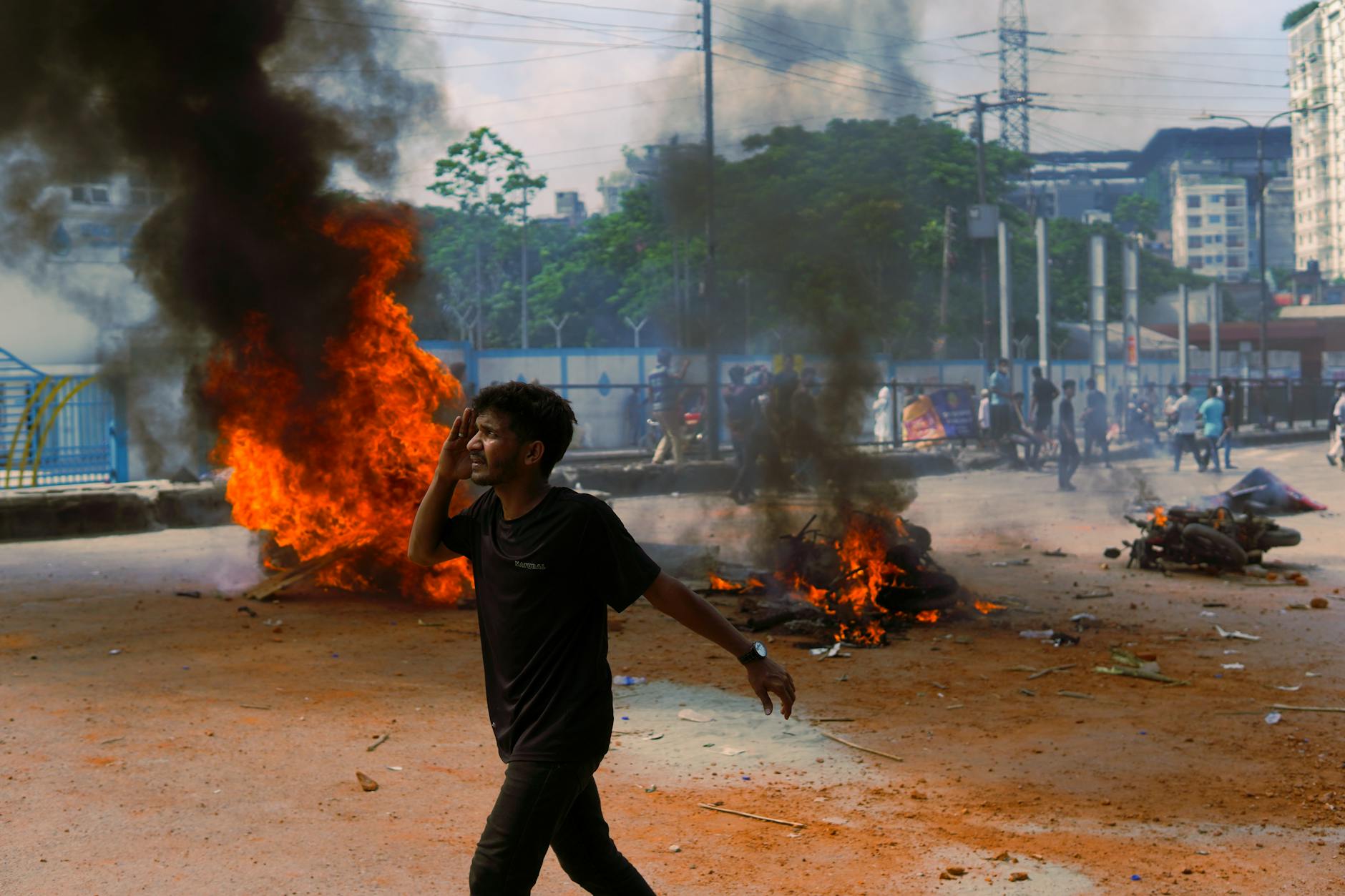
Oil prices remain volatile and elevated as tensions between the United States and Iran continue to shake global energy markets. As of June 6, 2026, Brent crude is trading at $93.09 per barrel while WTI crude sits at $90.54 per barrel—both down slightly from recent peaks but still well above pre-conflict levels. The persistent standoff between Washington and Tehran has fundamentally disrupted the global oil supply chain, with the International Energy Agency characterizing the situation as producing the largest supply disruption in the history of the global oil market. The uncertainty isn’t just about military clashes; it’s about the broader geopolitical freeze that’s keeping prices stubbornly elevated.
The real issue keeping markets on edge is that this isn’t a crisis with a clear exit ramp. Instead, analysts describe the current situation as a “stalemate” or “frozen conflict”—a dangerous middle ground where neither side backs down, but neither side launches a major escalation either. Last Friday’s incident, in which U.S. Central Command shot down four Iranian one-way attack drones and struck coastal surveillance radar sites in self-defense, exemplifies this pattern: serious enough to warrant military response, but contained and limited enough to avoid triggering a wider war. That unpredictability is precisely what energy markets hate, and it’s why prices are likely to stay in the $90-$100 per barrel range through 2026 and into 2027.
Table of Contents
- How Iran Tensions Are Driving Oil Price Uncertainty
- The Strait of Hormuz: Why One Waterway Controls Global Oil Markets
- Recent Military Escalations and Market Reactions
- What Rising Oil Prices Mean for Consumers and the American Economy
- The “Stalemate” Problem: Why Frozen Conflict Keeps Prices Volatile
- Sanctions, Nuclear Issues, and Why Prices Won’t Drop Soon
- Looking Ahead: What Oil Prices Likely to Do Through 2026 and Beyond
- Conclusion
How Iran Tensions Are Driving Oil Price Uncertainty
The connection between geopolitical risk and oil prices is straightforward: markets fear supply disruptions. Iran sits along the Strait of Hormuz, a waterway through which roughly one-third of all globally traded oil passes daily. When tensions escalate, traders immediately price in the risk that this critical chokepoint could be blocked, cutting off flows to Europe, Asia, and beyond. U.S.
energy advisor Amos Hochstein has described the Strait as effectively “closed” due to the ongoing conflict, and that characterization alone is enough to keep buyers nervous and prices elevated. What makes the current situation particularly volatile is the layering of multiple disruption mechanisms. It’s not just the theoretical risk of direct conflict over the Strait; it’s the actual, ongoing U.S.-led blockade of Iranian ports that has already been disrupting flows for months. These aren’t hypothetical scenarios—they’re real constraints on global supply happening right now. The fact that Brent crude is down 2.04% and WTI is down 2.6% from recent levels might sound like relief, but these prices are still well above historical averages, reflecting the persistent risk premium that markets are pricing in.

The Strait of Hormuz: Why One Waterway Controls Global Oil Markets
The Strait of Hormuz isn’t just another shipping lane—it’s the world’s most critical energy chokepoint. On a normal day, the Strait handles roughly 20 million barrels of oil per day, representing about one-third of all seaborne oil trade globally. When oil prices spike, it’s often because traders are imagining what happens if that flow gets cut off. Iran controls the northern shore of the Strait, and the United States maintains naval presence in the region, creating a situation where miscalculation or escalation could have immediate, global consequences.
The challenge is that even the perception of risk at the Strait affects prices, regardless of whether actual disruption occurs. During the Friday incident, when U.S. forces shot down Iranian drones and struck radar sites, markets experienced the expected volatility, but flows weren’t actually interrupted. This is the limitation of the current stalemate: prices reflect worst-case scenarios that haven’t materialized, making it difficult for consumers to understand how much of the current price reflects actual supply loss versus pure geopolitical risk. The International Energy Agency’s assessment that this conflict represents the largest supply disruption in global market history adds weight to trader concerns, but the actual magnitude of disruption remains somewhat ambiguous as long as the Strait itself stays open.
Recent Military Escalations and Market Reactions
The shooting down of four Iranian one-way attack drones on Friday represents the kind of incident that keeps energy markets perpetually on edge. From a military standpoint, U.S. Central Command assessed the action as limited and contained—not a major escalation toward broader conflict. However, from a market perspective, any military engagement between the U.S. and Iran carries psychological weight that translates immediately into price volatility. Traders don’t have time to wait for damage assessments; they react to the headline, which is why oil prices have shown the kind of whipsaw behavior reflected in recent weekly movements.
The U.S. response—striking coastal surveillance radar sites in self-defense—was proportional and strategic, designed to signal resolve without triggering a spiral toward wider conflict. But this pattern of tit-for-tat responses creates its own risk: each incident reinforces the narrative that tensions are real and ongoing, which keeps risk premiums embedded in prices. Over the past several weeks, oil prices have shown significant volatility as markets attempt to price in the cumulative effect of these incidents. The down days reflect moments when traders believe the risk is being managed; the up days reflect fears that the next incident might break the current pattern of containment. This uncertainty is itself a form of market disruption.

What Rising Oil Prices Mean for Consumers and the American Economy
When crude oil trades at $93 per barrel instead of $60, the difference ripples through the entire economy. Gasoline prices rise, shipping costs increase, and everything from groceries to heating oil becomes more expensive for ordinary consumers. A barrel of Brent crude at $93.09 translates to higher prices at the pump and higher heating bills for American families, even if the increases seem incremental week to week. The comparison is worth noting: during the 2022 energy crisis driven by the Ukraine war, Brent crude spiked to $120 per barrel; today’s prices are lower but still elevated due to Iran tensions. The longer-term implication is more serious.
If the current stalemate persists, or if tensions genuinely escalate beyond the current contained pattern, traders are expecting oil to stay in the $90-$100 range through 2026 and into 2027. That’s a multi-year elevated price environment that will affect consumer purchasing power, inflation trajectories, and economic growth. For households already stretched by other inflationary pressures, higher energy costs are a direct hit to discretionary spending. The tradeoff embedded in current market prices is this: continued geopolitical tension keeps energy costs elevated, but also prevents the kind of catastrophic supply disruption that would send prices to $120 or beyond. Neither scenario is attractive, but markets are essentially betting on the lesser evil.
📨 Get Free Accountability Coverage Alerts
Free · No spam · Unsubscribe anytime
The “Stalemate” Problem: Why Frozen Conflict Keeps Prices Volatile
Energy markets would actually prefer clarity, even if that clarity is bad. What they fear most is indeterminacy—the situation we have now, where the U.S. and Iran are locked in a frozen conflict with no clear endpoint and perpetual risk of escalation. Analysts use the term “stalemate” to describe this state, but it’s a dangerous stalemate because both sides maintain the capability and apparent willingness to conduct military operations against each other. The U.S. shoots down drones; Iran continues to threaten the Strait; neither side appears ready to back down or initiate serious negotiations.
This indeterminacy is precisely what keeps prices elevated and volatile. Traders cannot build conviction in a particular price level because the underlying geopolitical situation lacks a narrative arc. Is this conflict moving toward resolution, wider war, or permanent tension? No one knows, and the absence of a clear answer means prices will continue to reflect worst-case scenarios. The limitation of the current situation is that even accurate military assessments—like the Pentagon’s conclusion that Friday’s incident was limited and contained—don’t actually solve the underlying problem. The next incident could follow the same contained pattern, or it could be the one that breaks the dam. Until there’s a genuine shift in the diplomatic or military posture between Washington and Tehran, energy markets will remain unsettled.

Sanctions, Nuclear Issues, and Why Prices Won’t Drop Soon
Underneath the military tension lies a deeper economic structure: U.S. sanctions on Iranian oil, combined with unresolved nuclear negotiations. Iran wants sanctions relief; the U.S. wants nuclear concessions. As long as this negotiation remains frozen, Iranian oil stays off the market, and prices stay elevated to reflect the missing supply. U.S.
energy blockades of Iranian ports have already been disrupting flows for months, effectively removing a significant supplier from the global market for an extended period. The nuclear dimension adds another layer of uncertainty. Even if military tensions cool tomorrow, there’s no guarantee that sanctions would be lifted or that Iranian oil would flow back into global markets at scale. The geopolitical calculation around Iran’s nuclear program is separate from the day-to-day military incidents, and it’s been stuck in place for months with no visible movement toward resolution. This means that even from a purely supply-side perspective, traders have no reason to expect significant relief in the near term. The price projections for $90-$100 through 2026 and 2027 implicitly assume that current supply constraints persist.
Looking Ahead: What Oil Prices Likely to Do Through 2026 and Beyond
Energy analyst consensus points to oil prices remaining in the $90-$100 per barrel range through the rest of 2026 and into 2027, assuming no major escalation and no sudden breakthrough in negotiations. That projection embeds both the Iran supply disruption and the ongoing blockade of Iranian ports. If military tensions escalate significantly—say, if a larger incident actually did close the Strait of Hormuz—prices could spike toward $120 or beyond. Conversely, if sanctions were suddenly lifted and Iranian oil returned to the market at scale, prices could fall sharply.
The projections essentially assume the current frozen state persists. The forward-looking reality is that energy markets are now permanently shaped by Iran tensions and the threat to the Strait of Hormuz. Even if the current incident-driven volatility fades, the underlying supply disruption remains structural. Consumers and businesses planning for 2026 and 2027 should expect elevated energy costs as a baseline, with the possibility of further spikes if geopolitical incidents escalate. The end of this oil crisis isn’t about markets finding equilibrium; it’s about Washington and Tehran finding a diplomatic off-ramp that currently shows no signs of emerging.
Conclusion
Oil prices today remain elevated due to Iran tensions and the disruption to global energy supplies, with Brent crude at $93.09 per barrel and WTI at $90.54 as of June 2026. The situation is characterized as a frozen conflict or stalemate—serious enough to disrupt markets but contained enough to prevent catastrophic escalation.
The International Energy Agency’s assessment that this represents the largest supply disruption in global market history underscores how fundamentally this geopolitical situation has reshaped energy markets. Looking forward, traders and consumers should prepare for sustained elevated prices through 2026 and beyond, with the knowledge that any meaningful resolution will likely require a shift in either military postures or negotiating positions between Washington and Tehran. Until that shift occurs, the volatility and risk premium embedded in current prices reflect an honest uncertainty about which way events will move next.
You Might Also Like
- Oil Prices Today: What Rising Crude Prices Could Mean for Gas
- Homeowners Win Battle to Keep Political Signs in Their Yard
- Deadly Fight Over Yard Sign Shows How Political Tensions Can Explode