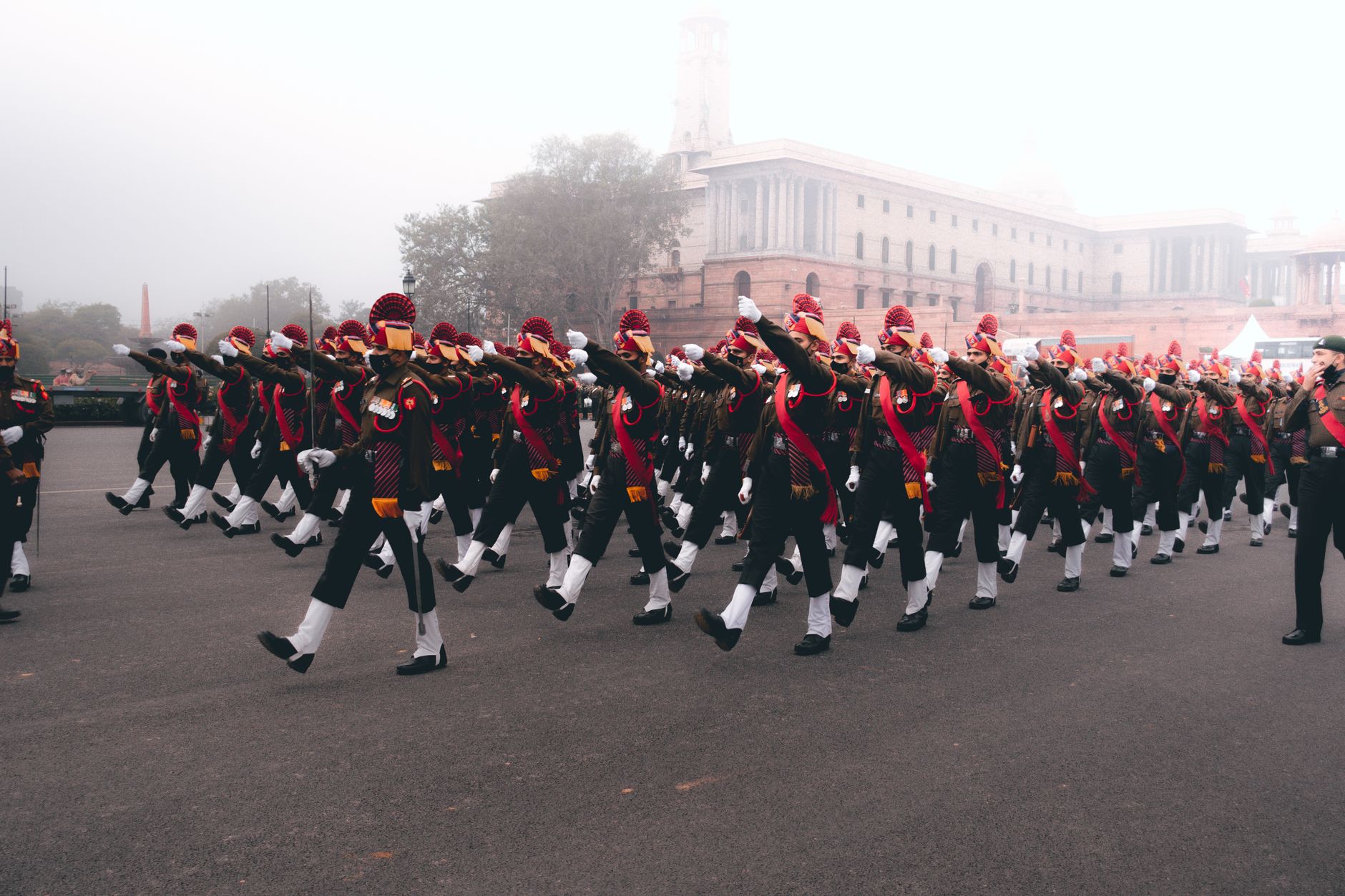
The National Guard deployment in Washington D.C. has been extended through January 20, 2029, making it what the Pentagon describes as the longest continuous domestic deployment in U.S. history.
This extension follows President Trump's August 2025 executive order declaring a crime emergency in the capital and authorizing approximately 2,500 troops for armed patrols, beautification, and public safety operations. The deployment combines D.C. and out-of-state Guard units on rotating schedules, though it has sparked legal challenges and local opposition over questions of federal authority and civilian oversight.
Table of Contents
- Origins and Extension of the Deployment
- Troop Composition and Estimated Costs
- Federal Court Ruled the Deployment Unlawful
- Local Opposition and Oversight Concerns
- Timeline and Future of the Deployment
- Frequently Asked Questions
Origins and Extension of the Deployment
In August 2025, President trump issued an executive order to deploy National Guard troops in response to a declared crime emergency in Washington D.C. The original authorization covered approximately 2,500 troops assigned to armed patrols, infrastructure work, and public safety operations throughout the city. On July 15, 2026, the Pentagon announced the deployment would continue through January 20, 2029, extending the military presence well into Trump's second term.
Troop Composition and Estimated Costs
The deployed force totals approximately 2,865 troops: roughly 700 from the D.C. National Guard and over 1,700 from Republican-led states including Florida, Georgia, South Carolina, and Oklahoma, rotating on staggered schedules. The Pentagon estimates the three-year extension will cost an additional $1.43 billion for fiscal years 2027-2029, averaging $51 million per month to maintain the force.
Federal Court Ruled the Deployment Unlawful
In November 2025, U.S. District Judge Jia Cobb issued a ruling declaring the deployment unconstitutional, determining the president lacked authority to deploy the D.C.
National Guard for crime-deterrence without an official request from city leadership. The Trump administration immediately appealed, and the Guard remained deployed while the legal challenge proceeded. The July 2026 Pentagon extension effectively continued the deployment without resolving the constitutional questions the court had raised.
Local Opposition and Oversight Concerns
Washington D.C. residents and city officials have protested the military presence on city streets, raising concerns about the lack of civilian oversight and the appropriateness of armed federal forces operating without local approval.
📨 Get Free Accountability Coverage Alerts
Free · No spam · Unsubscribe anytime
Democratic lawmakers have characterized the deployment as federal overreach that bypasses city governance. The city's Attorney General has supported legal challenges to the deployment, though the federal government maintains it is both lawful and operationally necessary.
Timeline and Future of the Deployment
The deployment expires on January 20, 2029, the constitutional end of Trump's second presidential term. Any continuation of a National Guard presence in D.C.
after that date would require new authorization from the sitting president at that time. Until January 2029, out-of-state Guard members will continue rotating through the capital on the Pentagon's established deployment schedule.
Frequently Asked Questions
Is the deployment legal?
A federal judge ruled it illegal in November 2025, stating the president lacked authority without city approval. The Trump administration appealed, and the deployment continues while appeals are pending. No court has issued a final ruling on the constitutional challenge.
How does this affect states providing troops?
States contributing Guard members—Florida, Georgia, South Carolina, and Oklahoma—have those troops deployed to D.C. on rotating schedules rather than available for state emergencies or other duties during their rotation cycles.
You Might Also Like
- Trump international court order challenged as free speech violation case
- Trump Considers Additional Military Actions Against Iran After Recent Strikes
- Lawsuit filed after federal border agent allegedly shoots released canine